Hello. We are Chang Dermatology, your beauty partner dedicated to helping you maintain young, healthy skin.
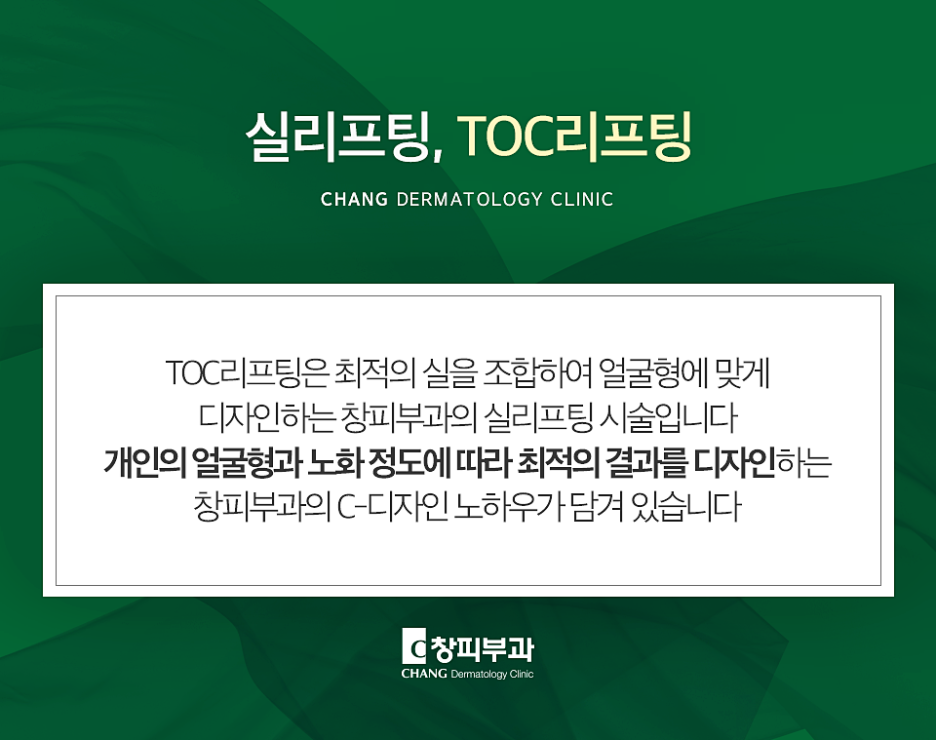
Today, we would like to tell you about thread lifting, a lifting procedure that combines the optimal threads according to each individual’s facial shape and signs of aging.
As interest in lifting procedures has recently begun to grow among many people, more and more are becoming curious about thread lifting.
We will explain what lifting with threads involves and address common questions, such as whether thread-lifting bruises may develop after the procedure.
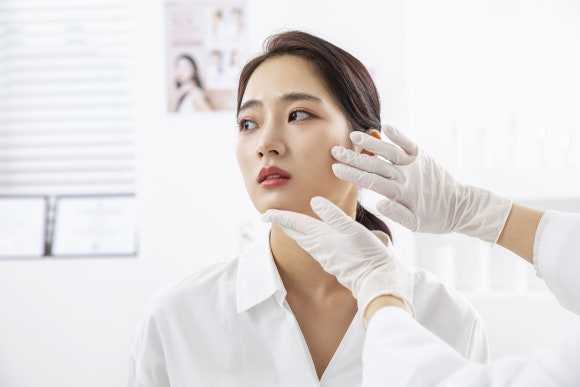
First of all, thread lifting is a procedure that uses appropriate threads on areas affected by aging to tighten sagging and loose skin.
It can help improve areas such as a weakened, undefined jawline, sagging cheeks, the area around the eyes, and the forehead.
Another advantage is that, because there are various types of threads, customized designs can be created according to each person’s skin characteristics, degree of aging, and treatment goals.
Since the duration of results, effects, and thread strength vary depending on the type of thread, it is important to combine threads that are appropriate for each individual.
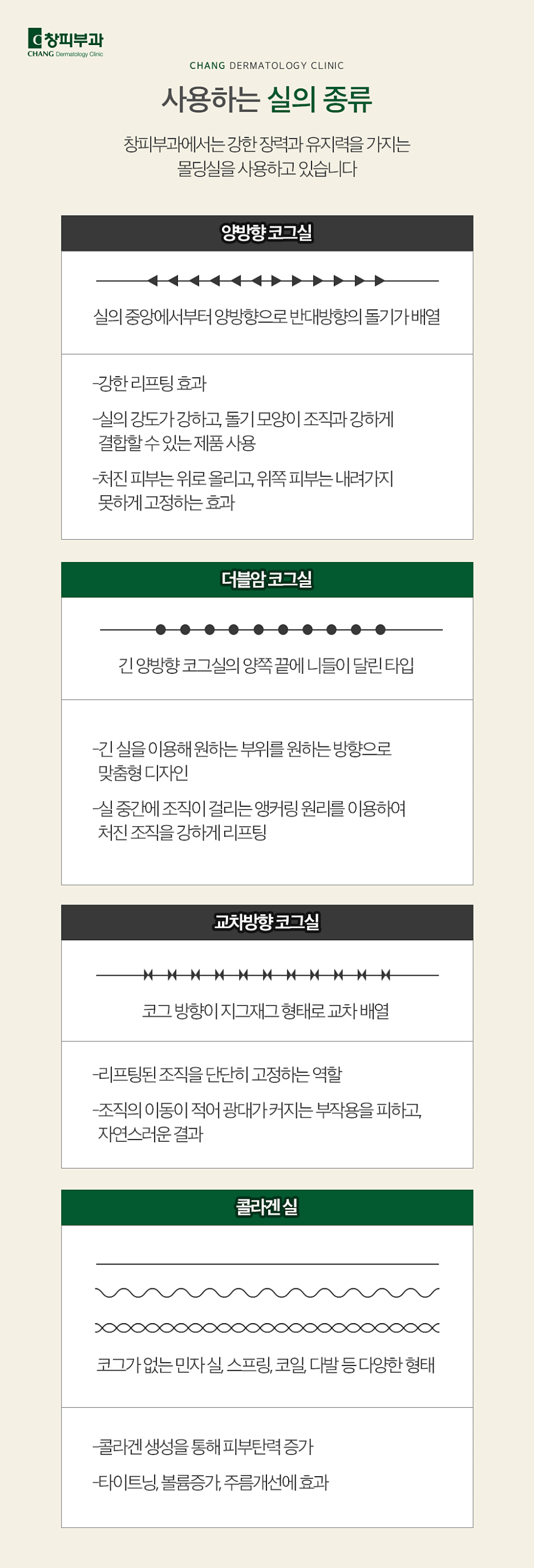
Types of threads include bidirectional cog threads, which have barbs arranged in both directions to create a strong lifting effect, and double-arm cog threads, which have a needle attached to each end of a long thread.
There are also various other types, including cross-direction cog threads, in which the cogs are arranged in an intersecting zigzag pattern to firmly secure lifted tissue, and collagen threads, which help promote collagen production.
A customized procedure that takes the form and characteristics of each thread into account can be performed safely and effectively. Even so, some people may find it difficult to make a decision because they are worried about bruising after thread lifting.
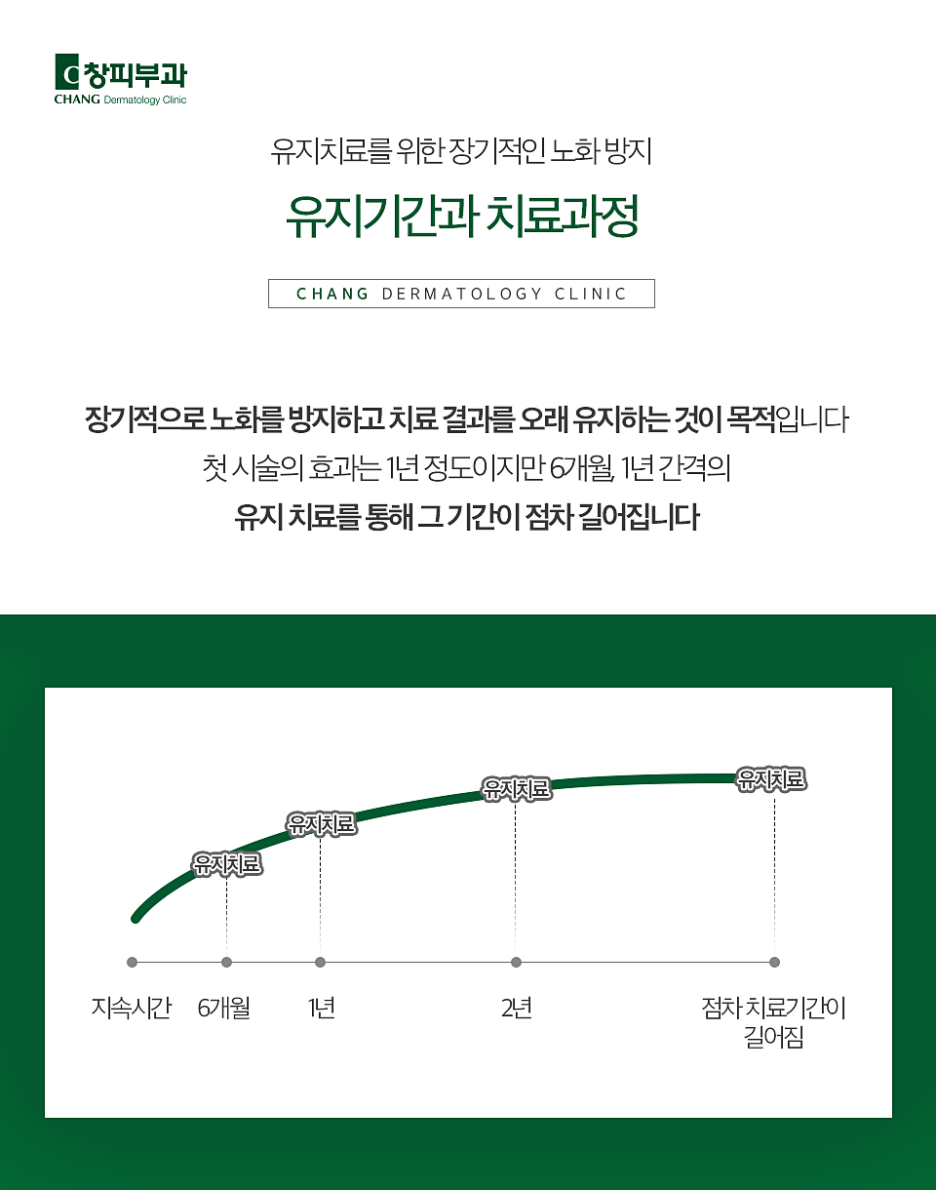
After thread lifting, bruising or swelling may occasionally occur, and redness may appear. However, these are natural effects that gradually subside over time.
Thread-lifting bruises occur because the skin layers are stimulated as the threads are inserted into the skin.
They may also result from blood vessel damage or an inflammatory response. Extra care is needed in areas where the skin is thin, but in most cases, the bruising subsides within three days to one week.
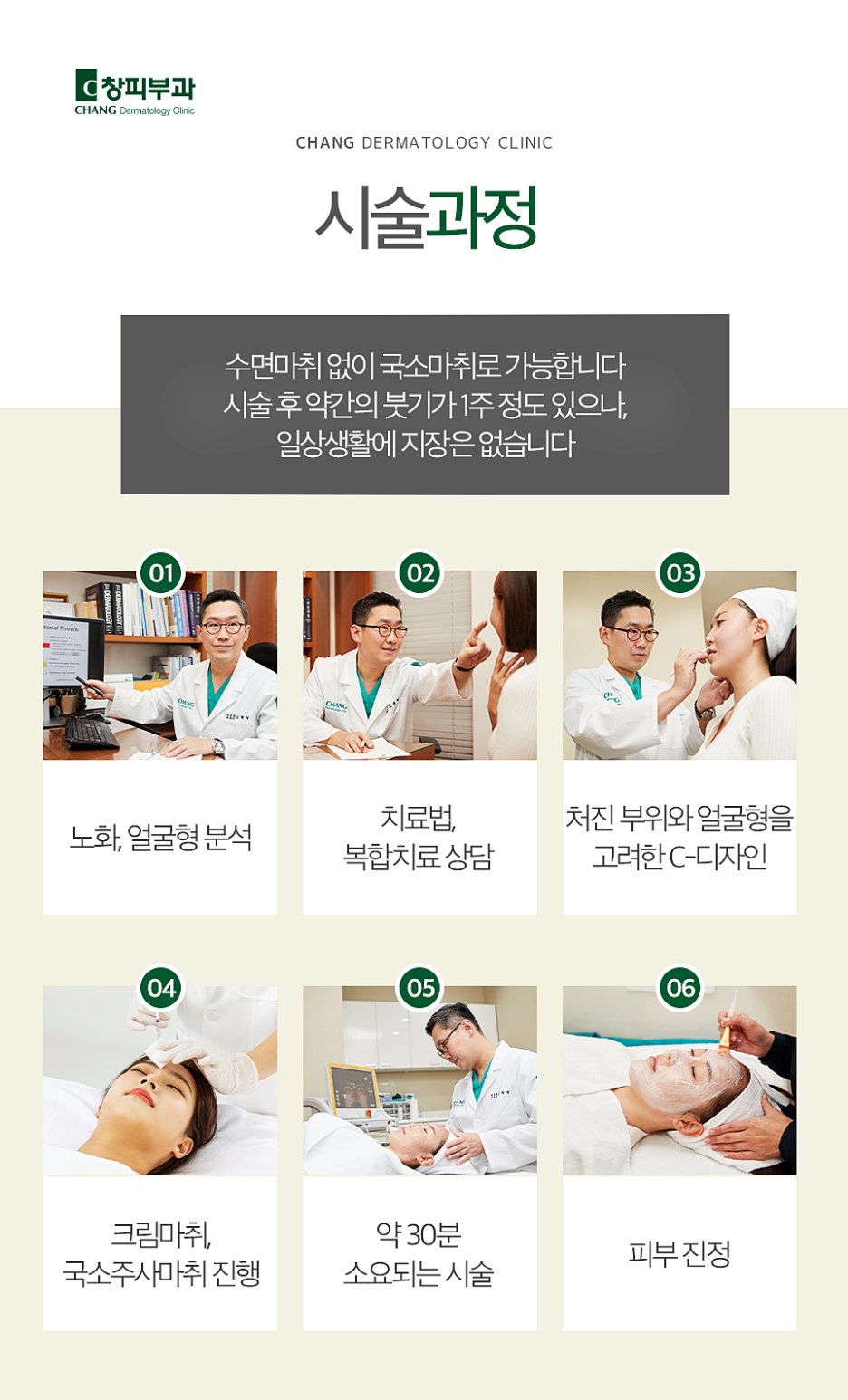
When bruising occurs after thread lifting, applying a cold compress at 10-minute intervals can help it subside safely and quickly.
While sleeping, we recommend adjusting your pillow so that your head is elevated. If the bruising is severe, light stretching or walking may also be helpful for promoting blood circulation.
However, hot environments such as jjimjilbangs and saunas can worsen inflammation, so they should be avoided until the symptoms improve.
Today, we discussed the effects of thread lifting and the bruising that may occur after the procedure.
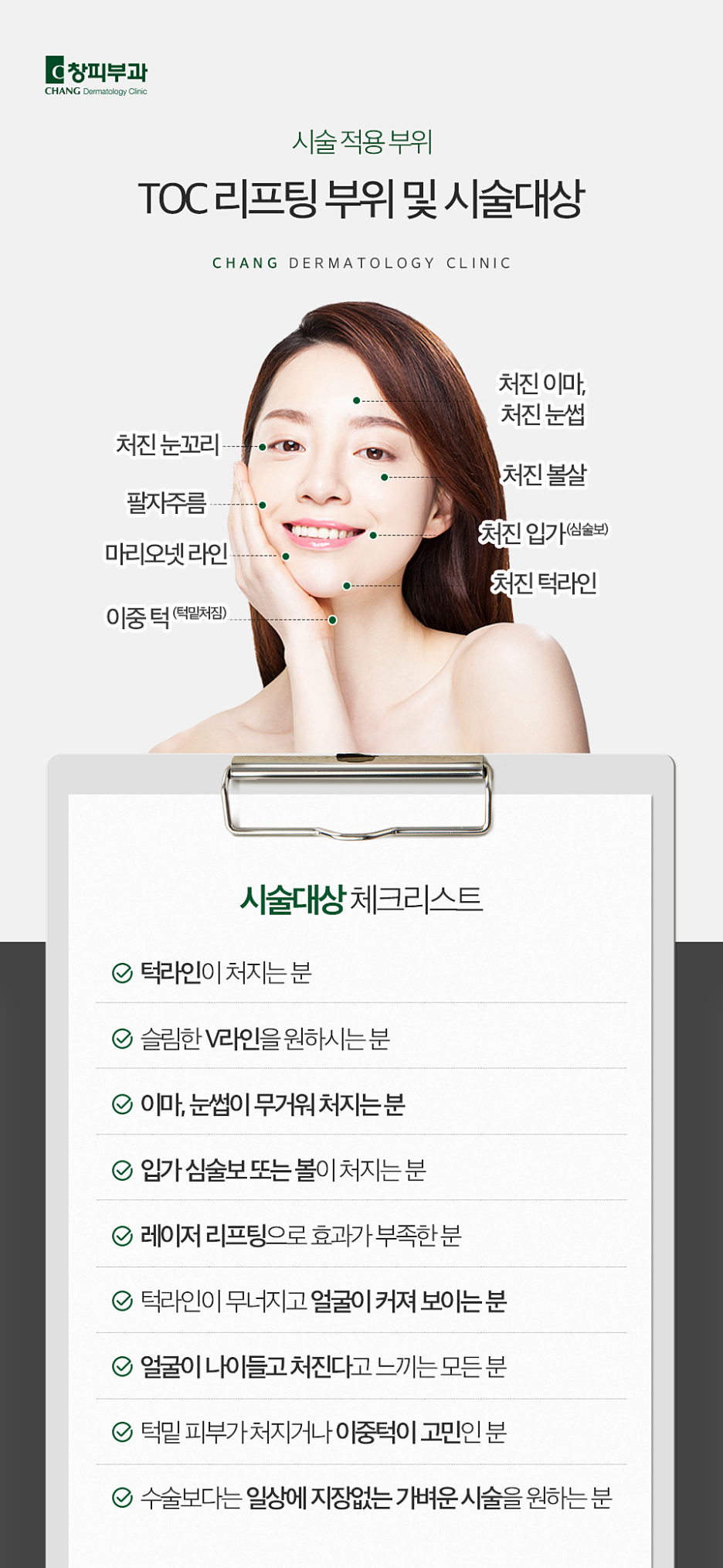
Thread lifting is recommended for people whose facial skin has generally sagged due to aging or who have developed more fine lines.
It can also be an appropriate solution if you want a slim, defined jawline, if your forehead or eyebrows feel heavy and have begun to droop, or if you are concerned about a double chin.
If you want to discover the beauty hidden beneath the signs of aging through a design tailored to you, consider TOC Thread Lifting.