

Density can help with a variety of skin concerns.
Hello. This is Chang Dermatology Clinic, your beauty partner dedicated to helping you maintain youthful, healthy skin.
More people are becoming interested in Density treatments because they can improve both facial contours and volume at the same time.
Density is gaining attention as a lifting treatment that allows for delicate procedures tailored to different skin types, including uneven facial contours and skin that has lost elasticity.
Because it can deliver uniform energy to various skin layers, it produces stable and powerful results.
So, what is the principle behind Density, and what specific effects can be achieved through it? Let’s take a look.
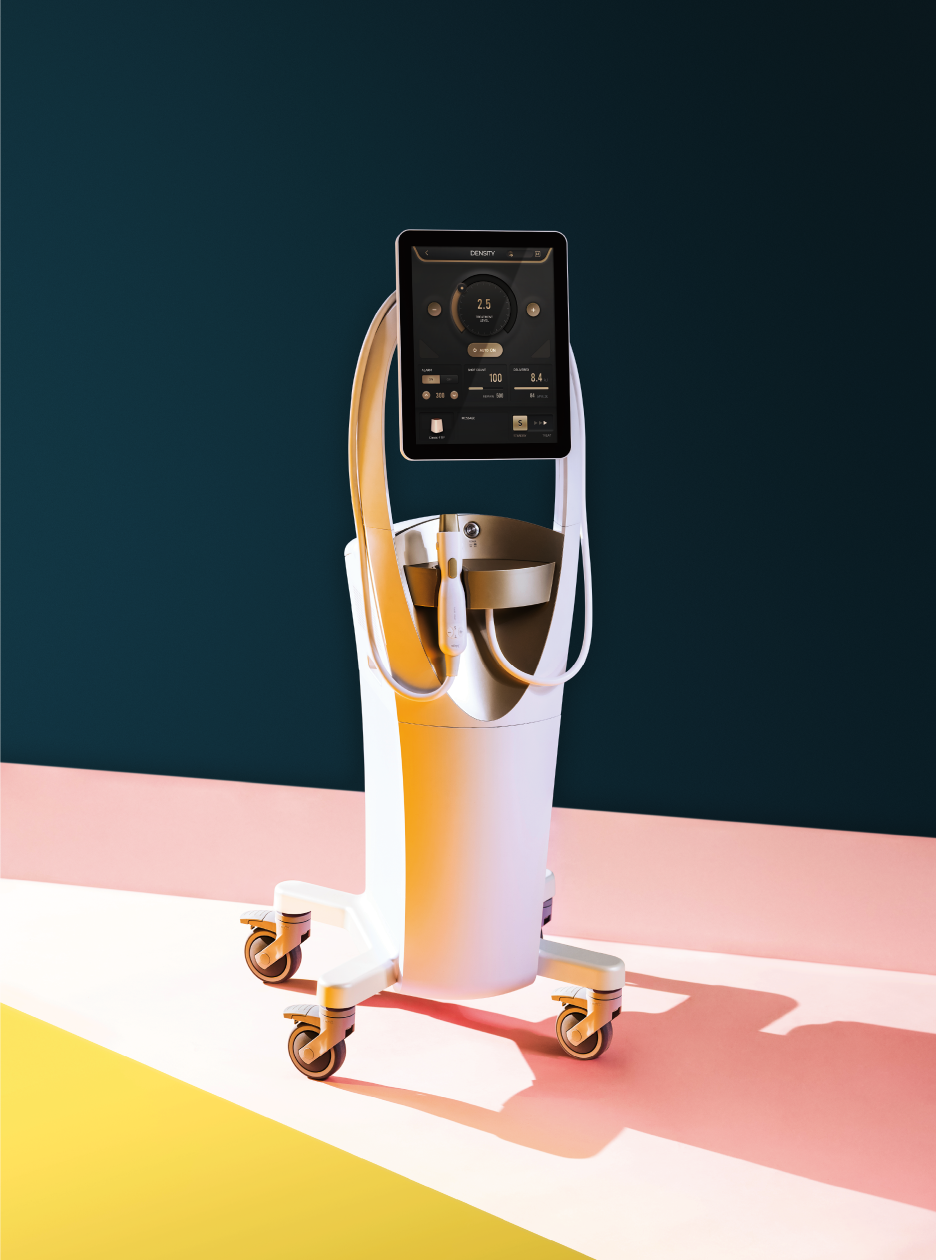
What Kind of Lifting Treatment Is Density?
Density is a treatment that delivers two types of ultrasound: monopolar ultrasound to the subcutaneous fat and fascia layers, and bipolar ultrasound to the epidermis and upper dermis.
In simple terms, monopolar energy is delivered to the deeper layers of the skin, while bipolar energy is delivered to the shallower layers.
Through this process, energy is supplied to various skin layers, from the skin surface through the dermis to the subcutaneous fat and fascia layers.

First, It Delivers Energy According to Each Person’s Skin Resistance Value.
An important aspect of lifting treatments, including the principle behind Density, is delivering energy that matches an individual’s “skin resistance value.”
Because skin resistance values differ from person to person, the initially targeted energy level and the actual energy level reached may naturally be different.
Density is characterized by its ability to efficiently adjust energy using a rapid impedance feedback system.
This makes it possible to identify each person’s skin resistance value and perform a uniform treatment according to the original treatment target.
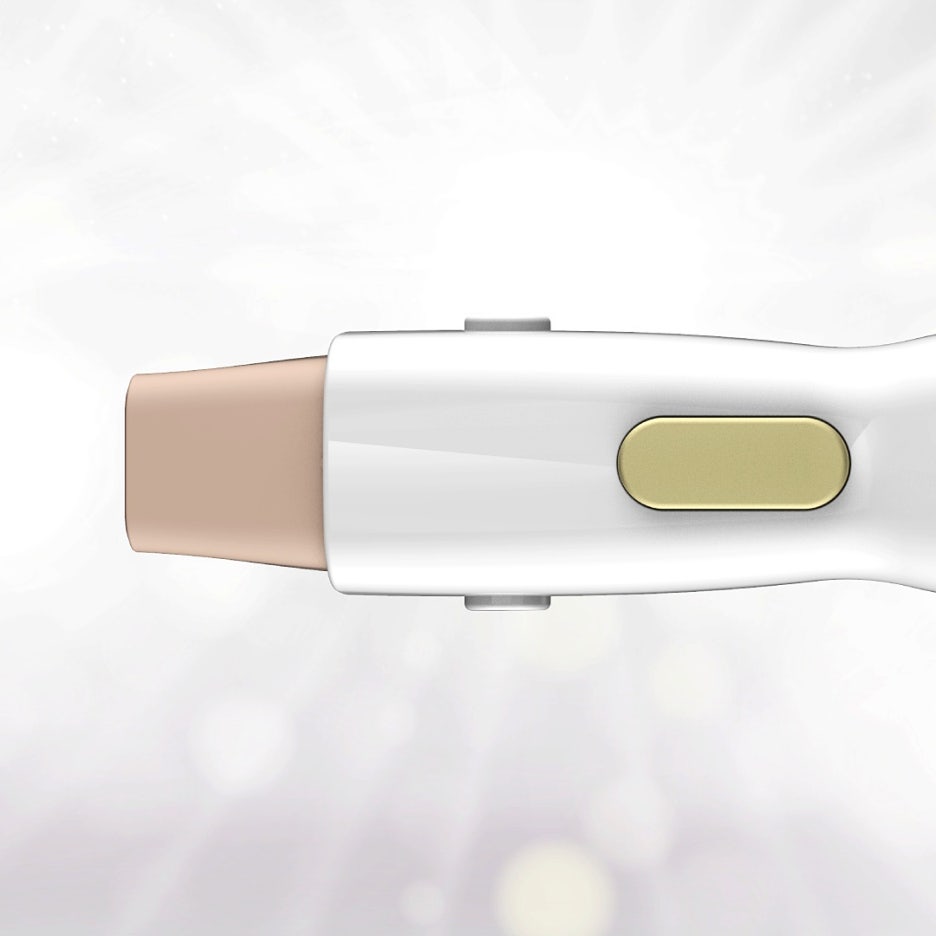
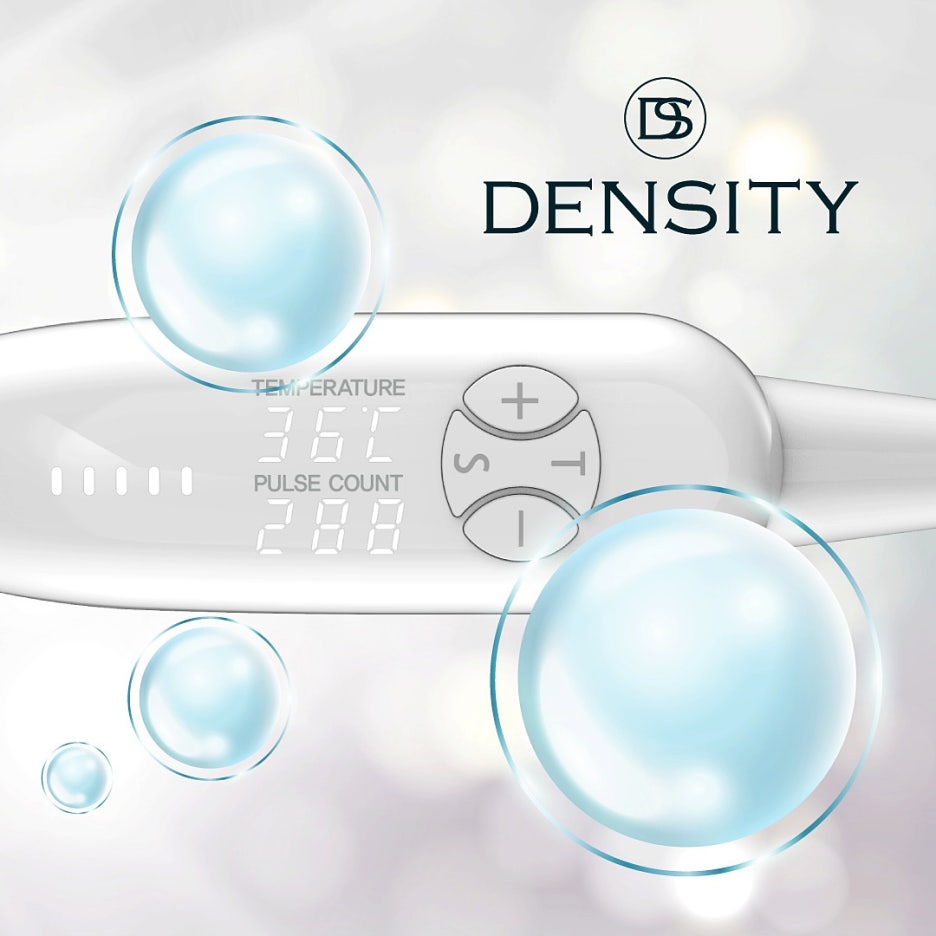
Second, It Is Equipped with a Cooling System That Reduces Thermal Damage.
The reason the principle behind Density enables delicate treatments tailored to different skin types can also be found in its cooling system.
During treatment, the skin is strongly cooled through an eco-friendly gas-spraying method, which helps reduce damage caused by heat.
Real-time temperature monitoring allows the cooling level and cooling time to be adjusted across a total of five stages, enabling a more stable treatment.

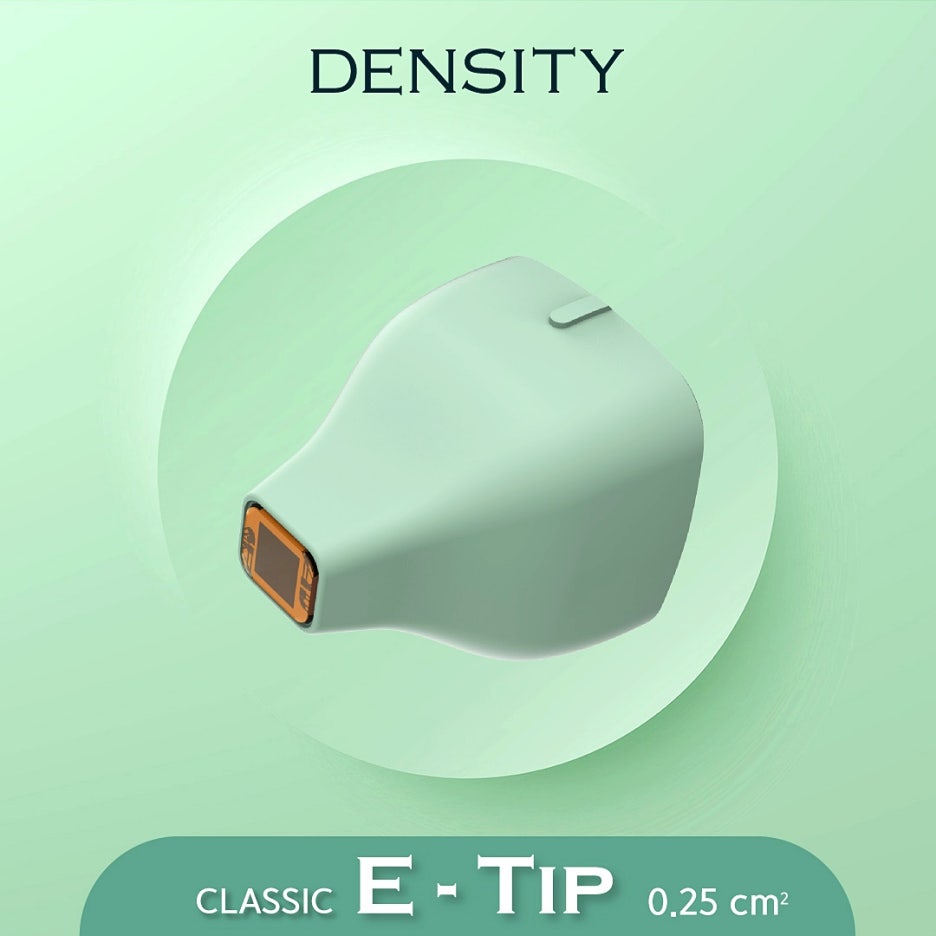
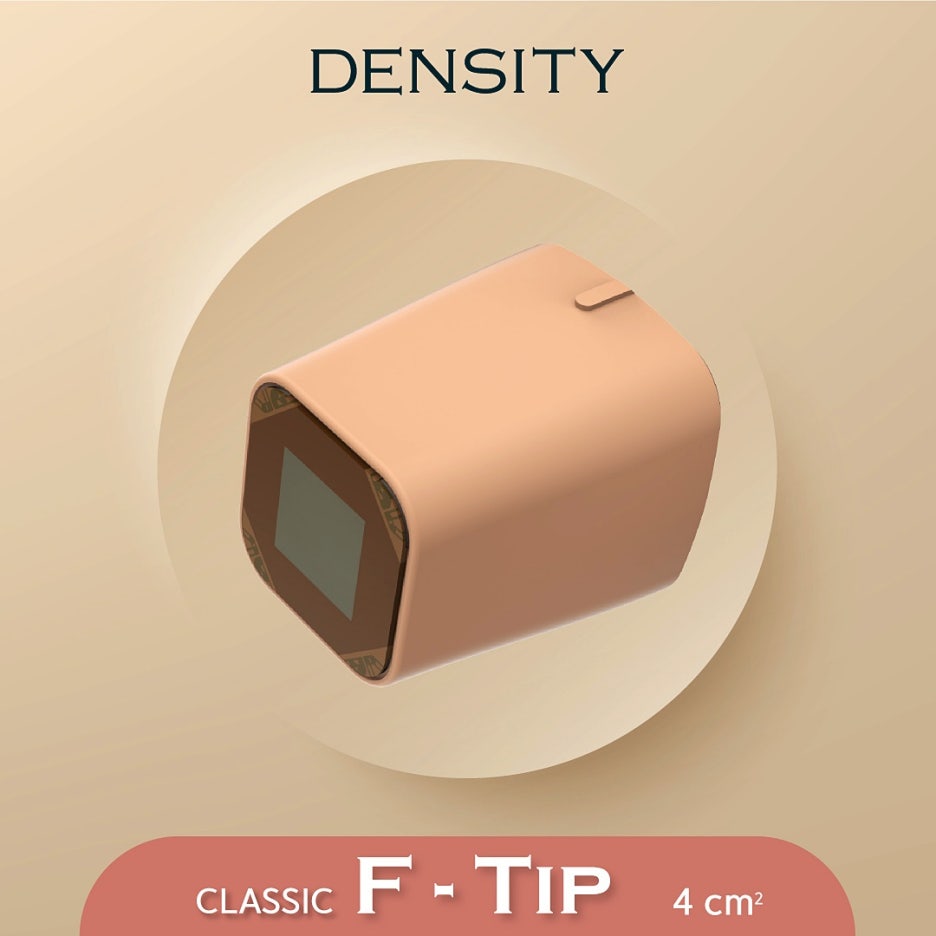
Third, Tips Are Available for Different Areas.
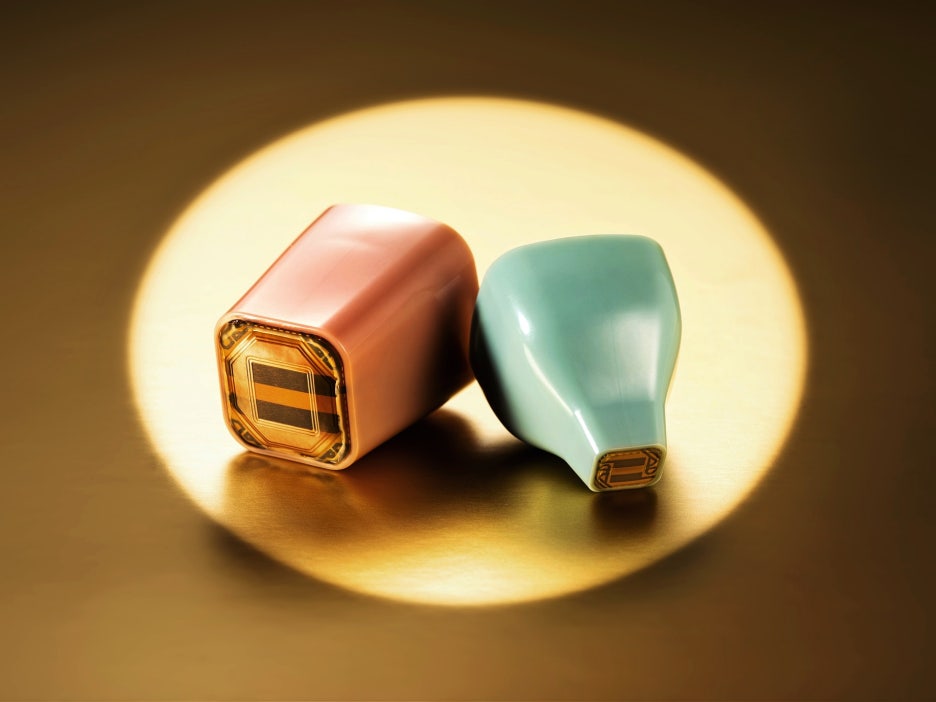
The final principle and feature of Density is that five different tips allow treatment on various areas of the face and body.
For example, the “HIGH-F” tip is used on general areas and helps tighten the face overall.
The “HIGH-E” tip is used on narrow, thin areas and helps improve wrinkles around the eyes, while the “HIGH-B” tip is effective for the body, which has wider and thicker areas.
The genuine tips used for Density have been approved by the Ministry of Food and Drug Safety, so be sure to check the genuine-product certification label and number before treatment.
Who Is It Recommended For?
Density can be broadly applied to various skin types and is first recommended for people whose skin lacks elasticity and has begun to sag.
It is also suitable for people who want to improve fine wrinkles, tighten loose skin texture, or tighten enlarged, stretched pores.
It is also recommended for those expecting additional effects after treatments such as Thermage, or those who urgently want to improve elasticity around the eyes.
However, before treatment, each person’s skin type, skin thickness, degree of elasticity, and other relevant factors must be assessed.
If you are interested in lifting treatments, we recommend understanding the operating principles and characteristics of each treatment and considering whether it is truly suited to you.