Hello. Opening the window to confidence through dermatology. This is Chang Dermatology, your beauty partner.
Many people are concerned about their facial contours becoming less defined as their skin loses elasticity with age.
If you are somewhat dissatisfied with conventional laser lifting treatments, thread lifting may be worth considering.
Thread lifting is a popular treatment because it is less burdensome than surgery and can immediately lift sagging areas.
However, caution is necessary because cheek indentation after thread lifting may occur if the procedure is not performed with sufficient precision.
Therefore, today we will take a look at the characteristics and effects of this treatment, as well as ways to prevent cheek indentation.

What kind of treatment is thread lifting?
As the name suggests, thread lifting is a treatment in which threads are inserted beneath the skin to physically lift sagging areas.
At our clinic, we perform TOC lifting, which combines various types of threads and designs the treatment according to each person’s facial shape.
TOC lifting incorporates the C-design technique, which features a design that rotates in a clockwise direction.
This allows the type, placement, and direction of the threads to be combined according to the individual’s facial shape, helping prevent cheek indentation after thread lifting and creating a more natural-looking lift.

Who may benefit from this treatment?
This treatment may be recommended for people concerned about a sagging jawline or who wish to improve jowls around the mouth or a double chin.
It may also be appropriate when reduced skin elasticity makes the face appear generally larger.
In addition, many people are concerned when their forehead and eyebrows feel heavy, sag, and create a gloomy impression.
In such cases, thread lifting can also help create a fresher and brighter appearance.
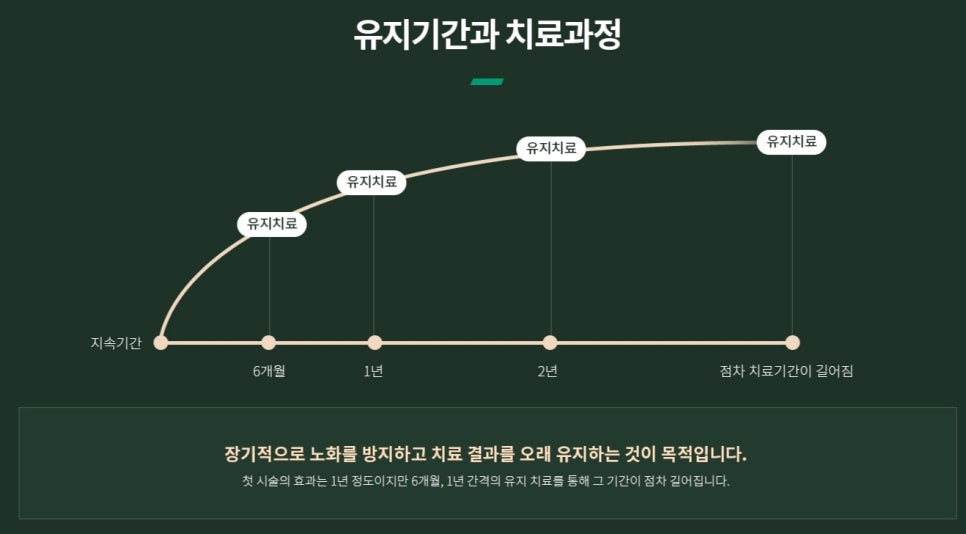
How long do the effects last?
When you receive this treatment for the first time, its effects may last for about one year.
Afterward, maintenance treatments at six-month or one-year intervals may gradually extend the duration of the results.
However, the specific duration may vary depending on an individual’s skin type, lifestyle habits, and other factors.
Therefore, before the procedure, it is essential to have a thorough consultation with a medical professional and establish a plan suited to you.

How can cheek indentation after thread lifting be prevented?
Cheek indentation after the procedure may occur when the threads are inserted too shallowly into the skin layer or when the insertion depth is inconsistent.
Therefore, these side effects may occur if the procedure is not performed with careful consideration of the individual’s features.
These symptoms usually disappear naturally over time, but they can occasionally persist for an extended period.

In such cases, appropriate measures may be considered to improve the indented area, or a lifting treatment may be used to enhance skin elasticity.
Therefore, to prevent cheek indentation after thread lifting in advance, a precise assessment of your individual skin condition and treatment design should be completed before the procedure.
Today, we looked at thread lifting, which can effectively improve sagging areas, and ways to prevent cheek indentation after thread lifting.
We hope this information is helpful to many people. If you have any further questions, please feel free to contact us at any time.