Hello. We are Chaeng Dermatology Clinic, your beauty partner dedicated to protecting youthful and healthy skin.
When you look in the mirror and feel that your facial line seems less defined than before, or that your skin feels saggy, you naturally start considering lifting treatments.
Samseong-dong Onda Lifting is a non-surgical lifting procedure that can be considered when these changes become noticeable, and it is carried out with the goal of helping improve firmness without placing a major burden on the skin.
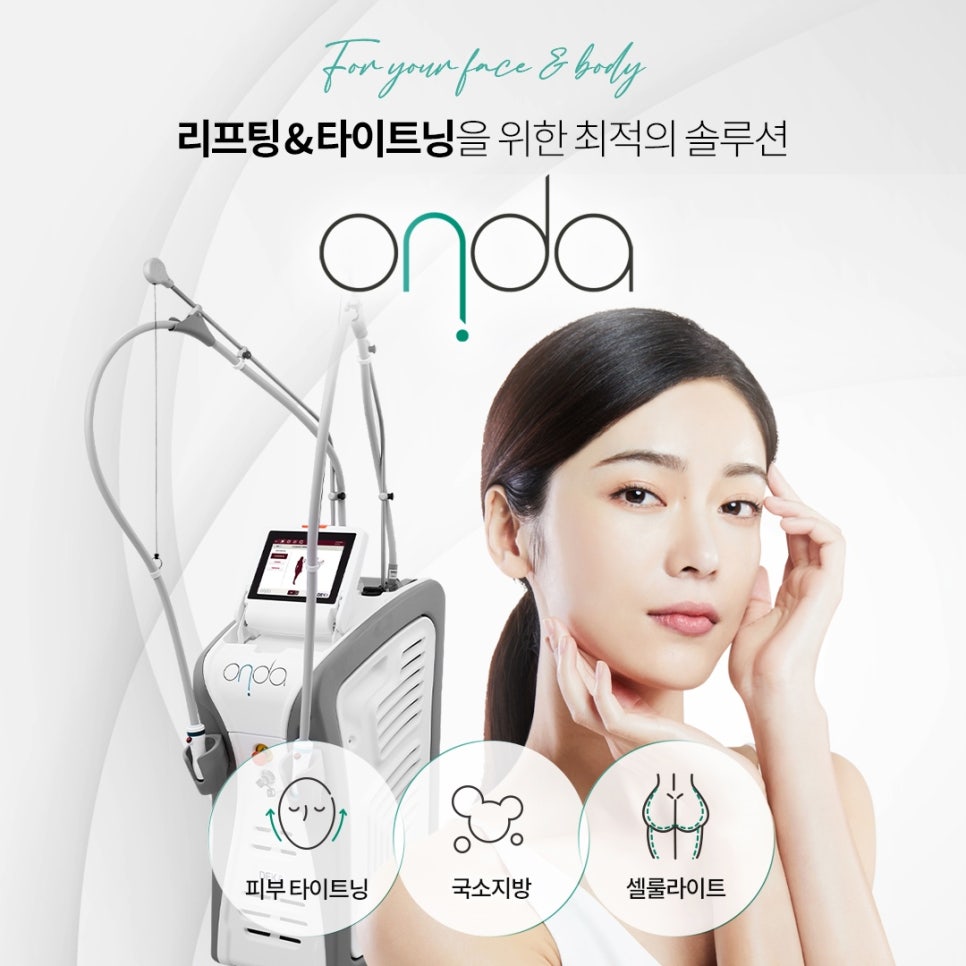
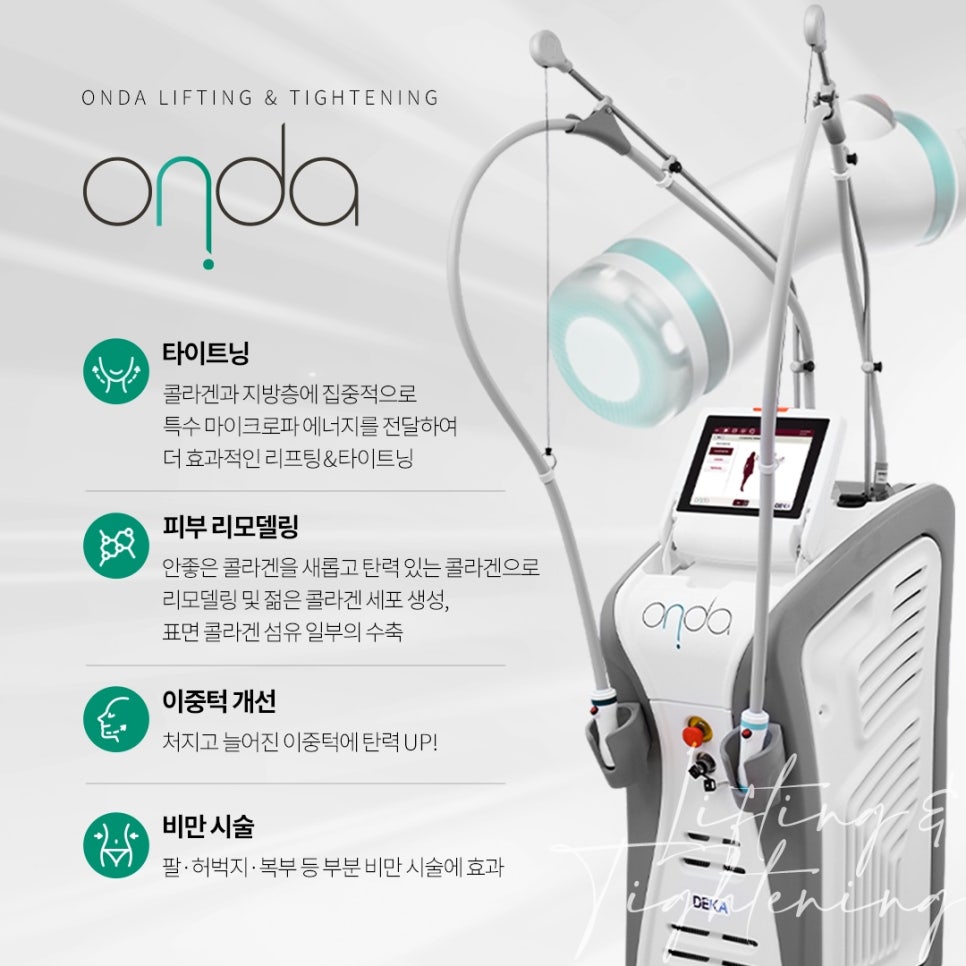
Onda Lifting is a method that delivers special microwave energy into the skin, allowing you to expect lifting and tightening effects.
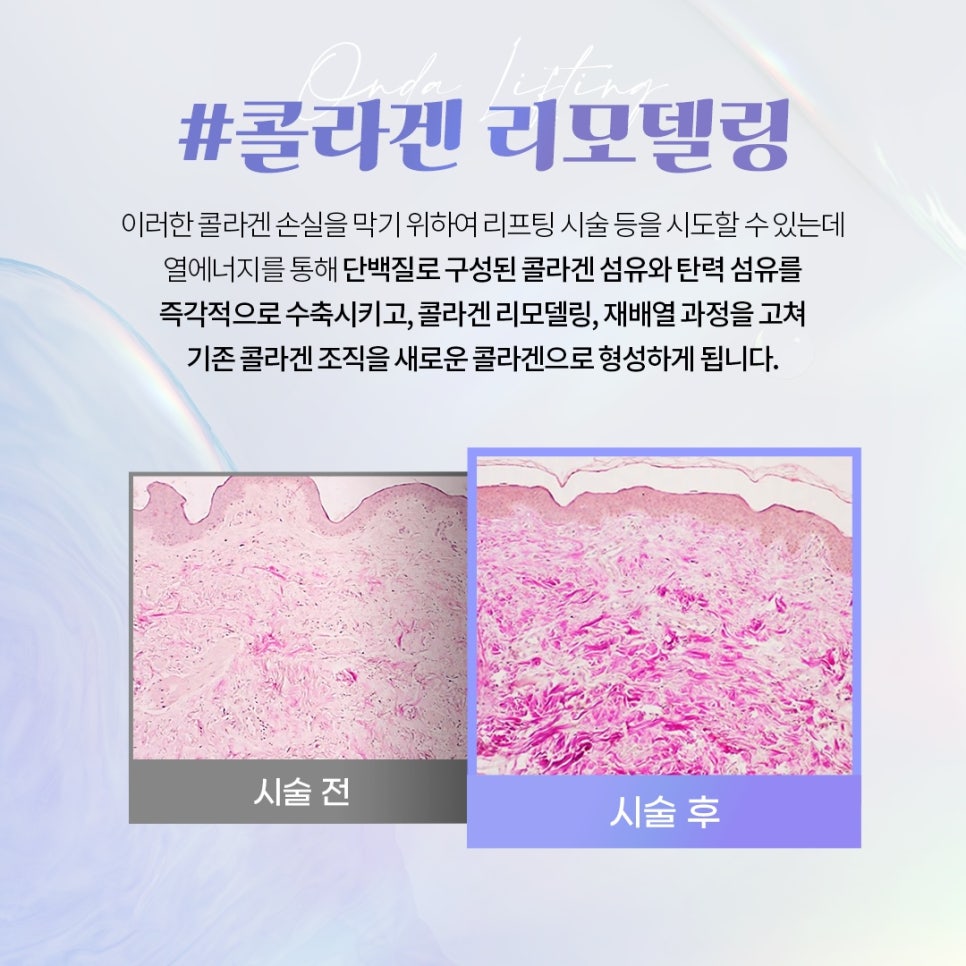
It delivers energy to the dermis and subcutaneous fat layer without damaging the skin surface, and may help improve skin elasticity by inducing collagen contraction and new collagen production in lax tissue.

Q1. How does Onda Lifting work?
Unlike conventional ultrasound or radiofrequency devices, it uses microwave technology to reduce energy loss at the skin surface and is designed to efficiently deliver heat to the needed area.
During this process, thermal stimulation is delivered to the dermis and subcutaneous fat layer, inducing contraction and remodeling of loose collagen to help improve skin firmness and contour definition. It can be considered not only for the face but also for body areas.
Another feature of Samseong-dong Onda Lifting is that it is not overly burdensome in terms of pain and has a relatively short recovery period, allowing a quick return to daily life after the procedure.
Q2. What results can be expected from Onda Lifting?
The representative benefits that can be expected through Samseong-dong Onda Lifting are as follows.
First, the energy acting on the deep layers of the skin may induce an immediate skin-tightening effect, and as time passes, collagen regeneration may lead to continued improvement in firmness.
In addition, this procedure can also be considered for contour refinement and even fat reduction, making it suitable for people whose facial lines feel saggy or who need refinement along the jawline or cheek area.
Especially since it is performed without damaging the skin surface, there is relatively little redness or irritation, and it has the advantage of placing less burden on daily life.
Q3. Who should consider Samseong-dong Onda Lifting?
Samseong-dong Onda Lifting can be considered an option for people with a variety of skin concerns.
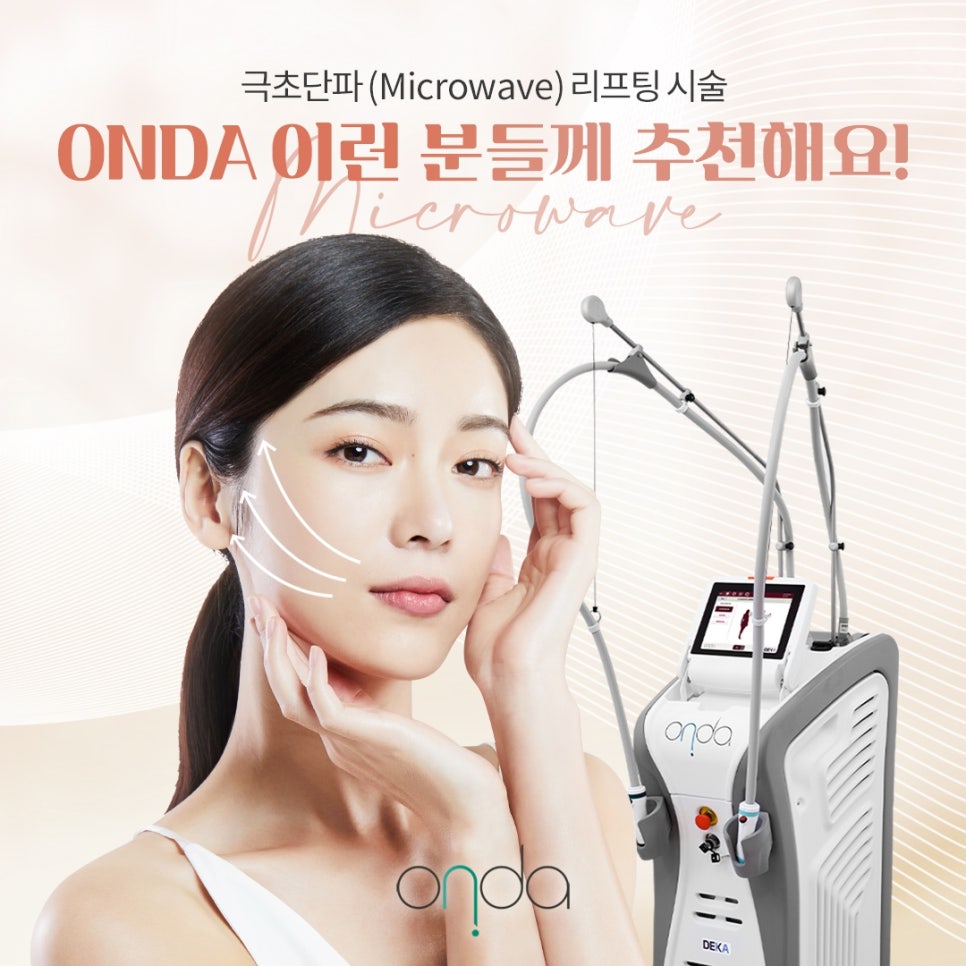
It can be recommended for those worried about wrinkles or sagging due to reduced skin elasticity, those who feel their facial contour has lost definition, and those who want more than simple skin improvement and are looking for firmness and line refinement.
In particular, because it is a procedure with relatively little concern about pain and a short recovery time, it is also suitable for people who want treatment while minimizing disruption to daily life.
It may also be worth considering Samseong-dong Onda Lifting for those who were not satisfied with existing radiofrequency or ultrasound lifting procedures, or who want effective tightening and lifting care without irritation to the skin surface.
Q4. How is Onda Lifting performed?
The Onda Lifting procedure is carried out through a relatively simple process.
Before the procedure, a specialist carefully evaluates the skin condition, the degree of loss of elasticity, and the areas of concern, then selects the energy intensity and handpiece depth that suit each person’s skin characteristics.
After that, microwave energy is delivered to the skin, and thermal stimulation is focused on the necessary deeper layers while protecting the skin surface.
In most cases, the procedure time is short, pain is minimal, and irritation is low, so it is generally possible to return to daily life immediately.
Some people feel that the skin tightens right after the procedure, and as time passes, collagen regeneration and tissue improvement become more active, allowing for more natural changes in the skin.
Q5. Why is the clinician’s experience important for this procedure?
Because Onda Lifting is a procedure that delivers energy into the skin, it is important to accurately assess each person’s skin thickness, elasticity, and fat distribution.
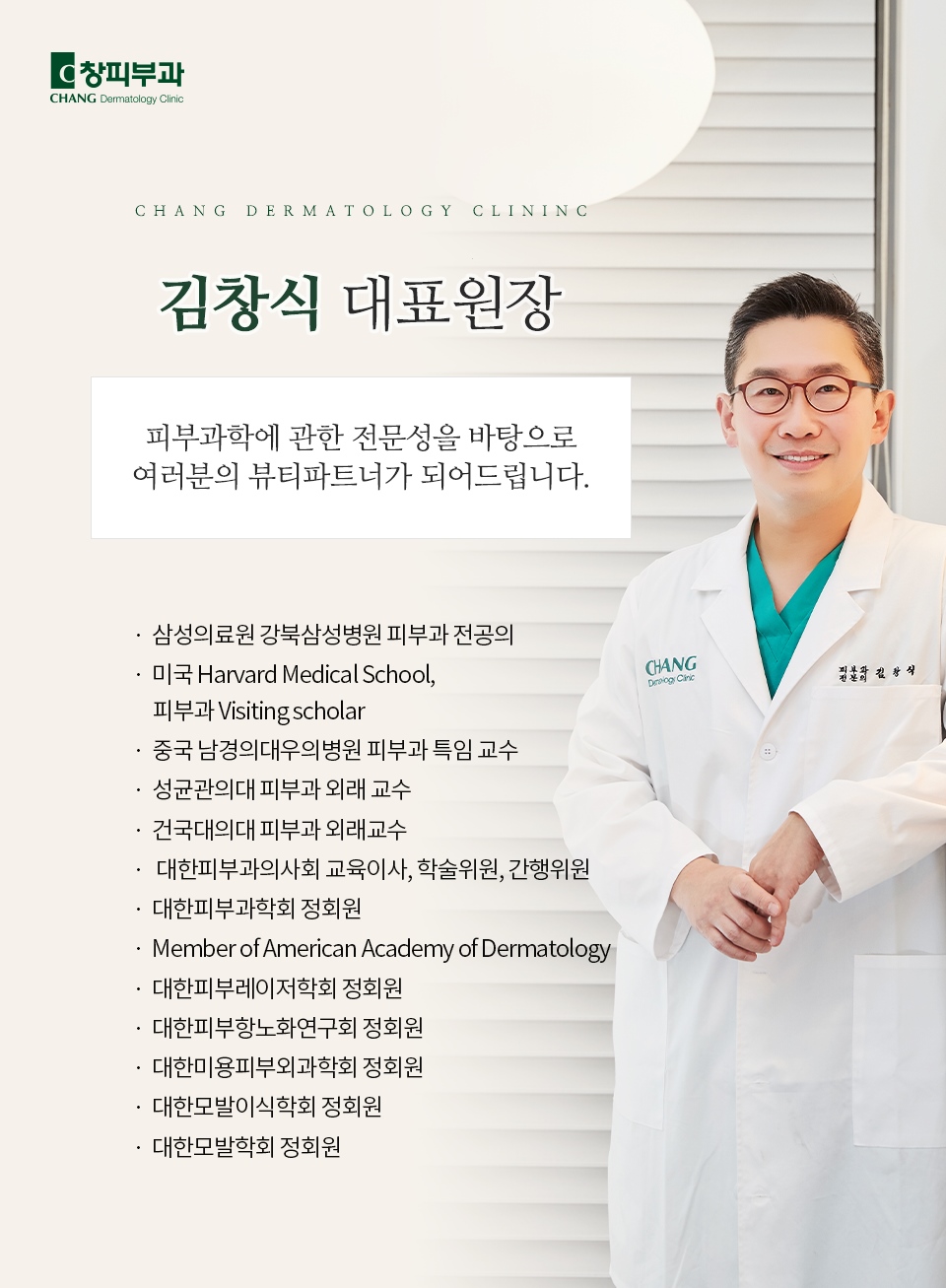
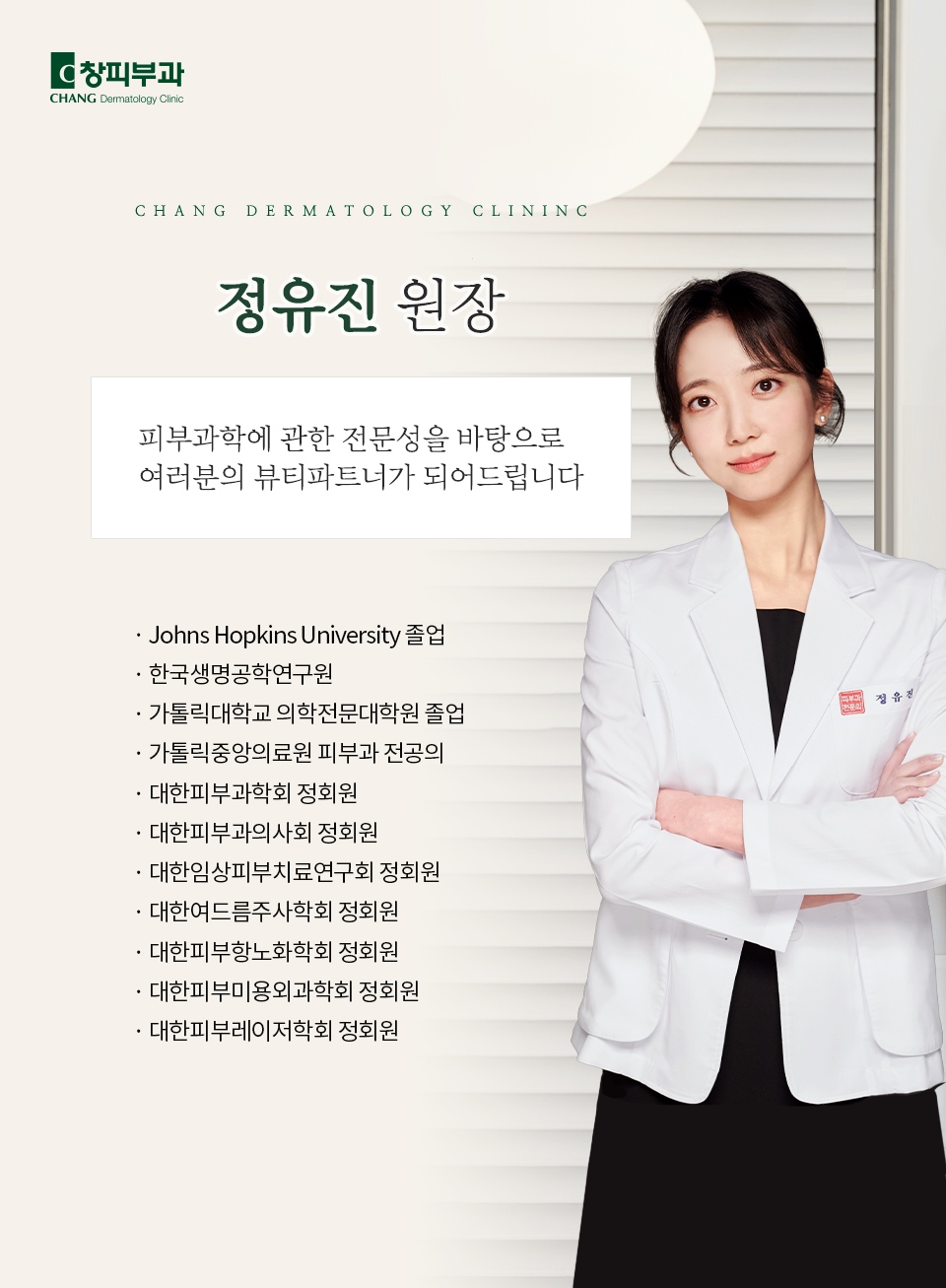
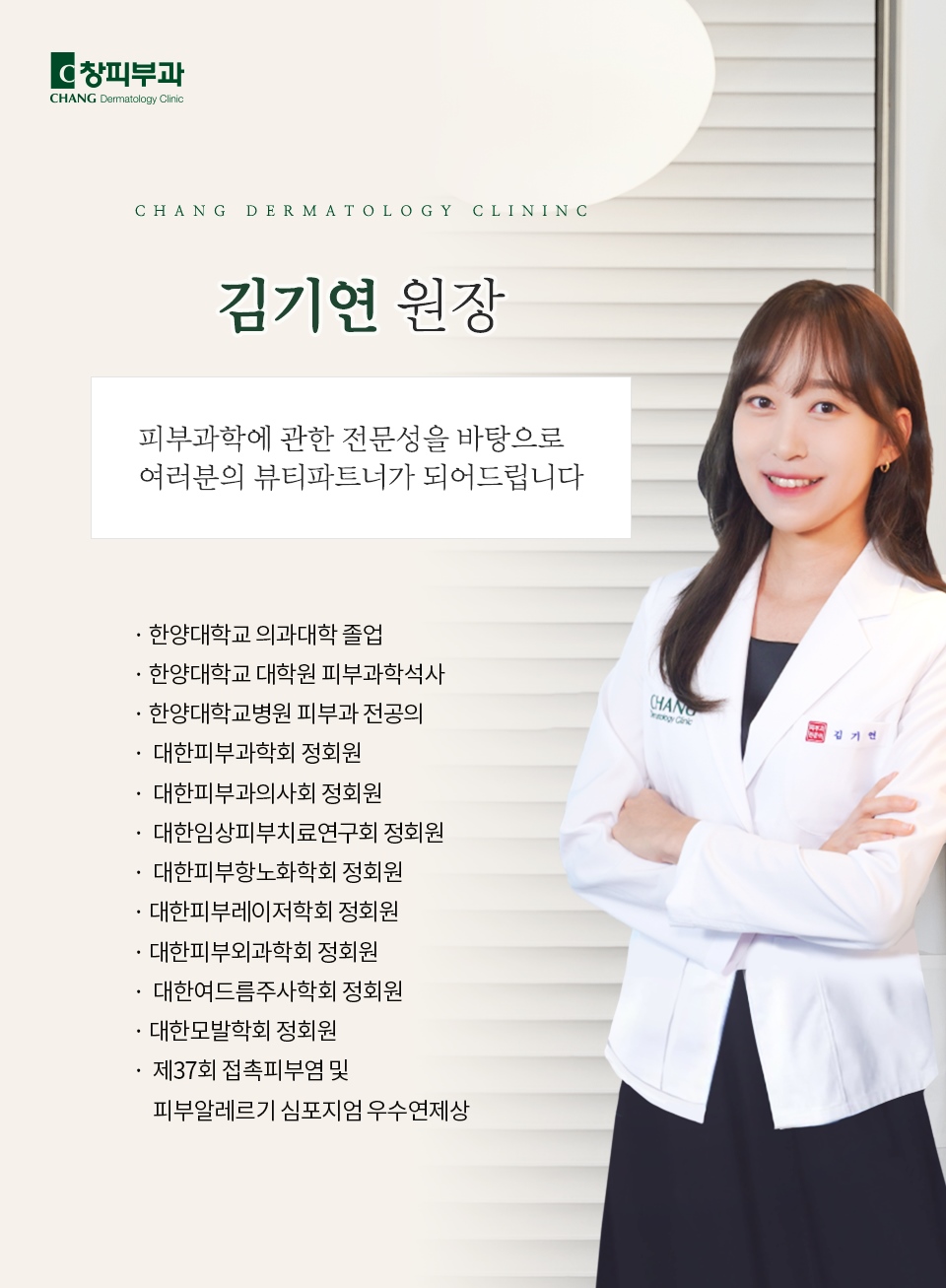
Our clinic operates a system with three board-certified dermatologists based on more than 20 years of experience, carefully examining the skin condition before the procedure and adjusting the treatment direction so that it does not become excessive.
Our goal is to avoid overly aggressive treatment while helping visitors feel changes they can personally be satisfied with.
Q6. How should treatment intervals and maintenance care be considered?
With Onda Lifting, some people may feel skin-tightening changes even after one session, but the treatment interval and number of sessions can vary depending on the individual’s skin condition and goals.
Because the maintenance period can also differ depending on the rate of skin aging and lifestyle habits, it may be helpful to adjust the care plan through regular skin evaluations.
Rather than repeated treatment without restraint, it is important to adjust the approach according to the skin’s current condition.
Q7. What care is needed after the procedure?
After the procedure, minimizing skin irritation is the priority, and it is best to avoid strong massage or irritating care for a few days.
It may also be helpful to temporarily avoid alcohol, smoking, or exposure to high-temperature environments such as saunas.
Afterward, paying attention to sun protection and sufficient moisturizing care can have a positive effect on skin recovery and maintaining overall condition.
Q8. For whom can Onda Lifting be meaningful?
If you feel that overall skin elasticity has declined, or if your facial line looks less defined and sagging is a concern, Onda Lifting can be considered as one care option.
It is more suitable for people who want to naturally refine their skin condition rather than expecting dramatic changes in a short period.
During the consultation process, it is important to fully discuss your current skin condition and expectations, then decide whether to proceed in a way that does not overburden the skin.