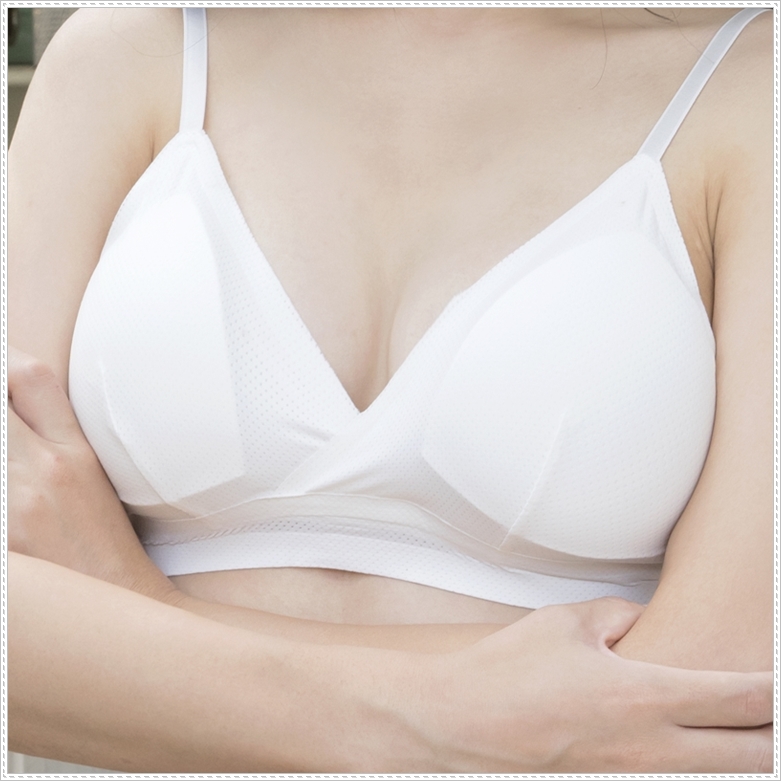
It often feels like women have a hard life in many ways. And one of the things that makes life difficult and annoying is their own breasts. Too small is a problem, too large is a problem—this mass can be quite troublesome. In fact, a woman’s breasts are a part of the body that also become a standard of beauty, so they can affect the enjoyment of style and fashion as well. People with smaller breasts may worry about their body shape, but people with very large breasts also have a lot to deal with. It can be uncomfortable to wear pretty clothes and difficult to bring out a flattering silhouette, and it can also create both physical and mental health issues. That is why many people become interested in breast reduction surgery.
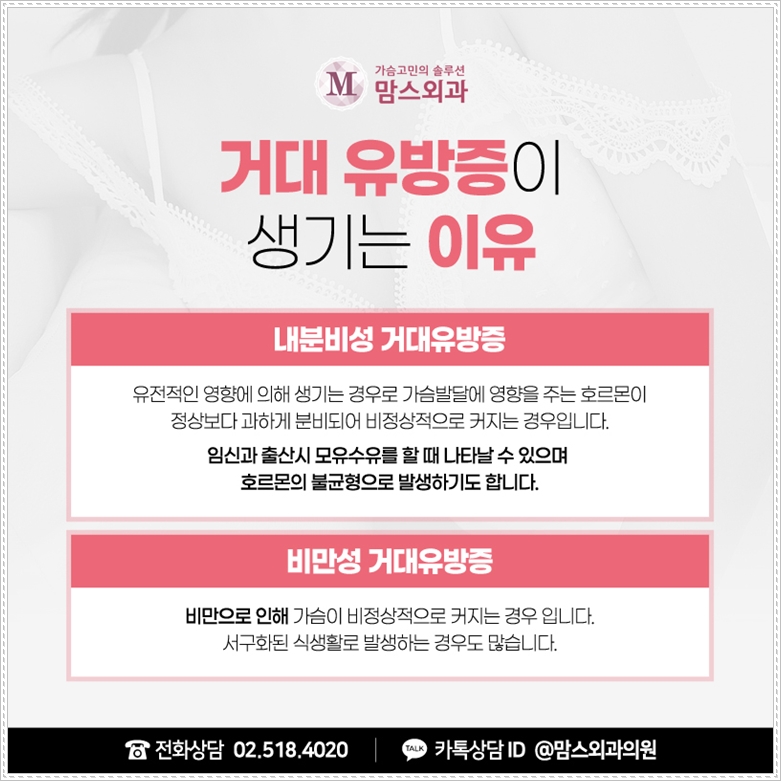
It is difficult to say with certainty exactly why breasts become unusually large, but it is generally believed to be due to genetic influences. It is a kind of constitutional issue in which one is born that way, and hormones that affect breast development are secreted in excess, leading to an especially large size. Of course, even if it was not like that from the start, it can also appear when the breasts develop excessively during pregnancy, childbirth, and breastfeeding, or when hormonal imbalances cause an abnormal size and shape. In the end, either cause is something that is difficult to prevent in advance. Breasts can also become larger due to obesity. In such cases, the size can change as a person loses weight.
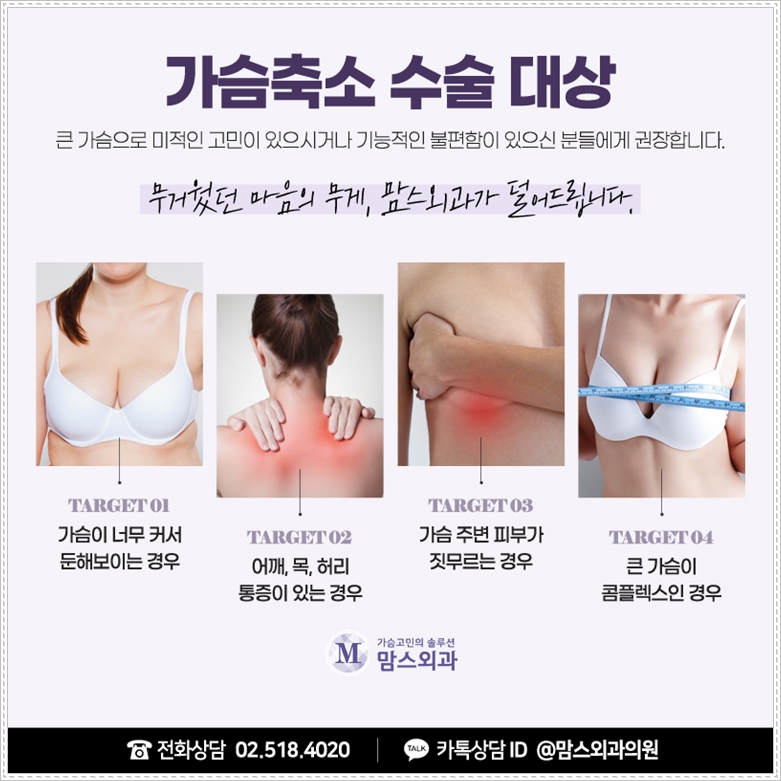
Whatever the reason, people with especially large breasts often live with various inconveniences and pain. First, as an obvious visual factor, the large breast size makes the upper body look bigger and the overall body type appear heavy. It is not easy to find and wear properly fitting clothes, and even when someone wants to wear pretty clothes, it can be difficult because the size does not fit properly due to breasts that are much larger than other people’s. They also tend to receive unpleasant and bad looks from others. There are many cases where such large breasts remain a complex. The functional inconveniences the person may experience include upper-body pain and skin health around the breasts. Because the breasts are large, they are heavier too, which puts more strain on various parts of the upper body such as the shoulders, neck, and lower back, causing pain and making conditions like disc problems more likely. When there is no space and ventilation is insufficient, the skin around the breasts can become irritated and painful.
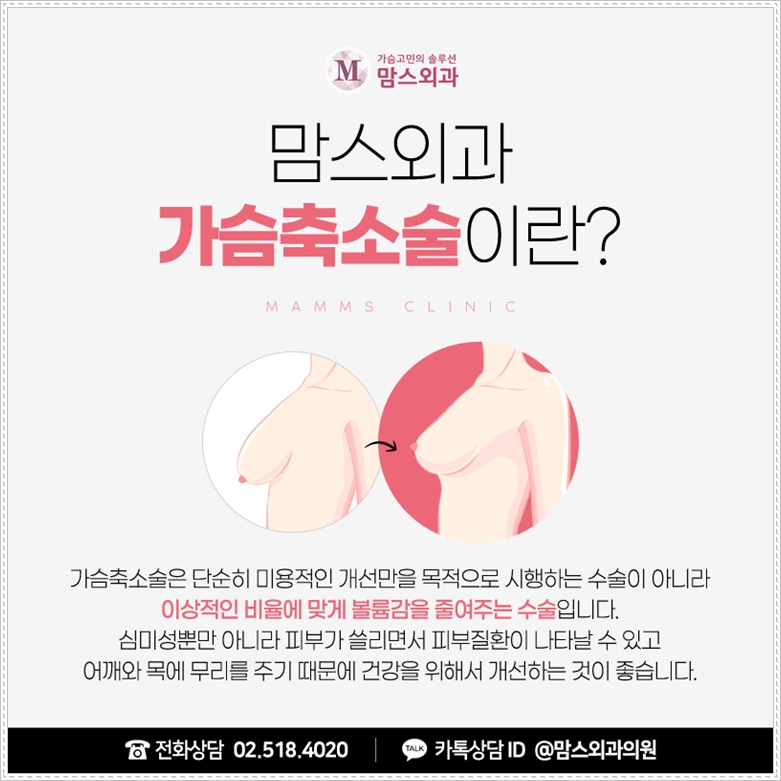
Because it causes so many different inconveniences, there are quite a few people who earnestly look up breast reduction surgery reviews and hope for it. It is said to directly reduce size, so people suffering from large breasts would naturally want it. But the fact that there are many things to think about and consider during the process is another difficult point. If you think about size reduction simply, it may seem like cutting away a lump of clay, but our bodies are not that simple, so a great deal of care and delicacy is required. In addition, breast reduction surgery is not something done merely to look prettier; it is a method for broadly improving the problems and discomfort caused by large breasts and for protecting health, so even greater caution is needed. The volume must be adjusted while always considering ideal proportions, naturalness, and stability.
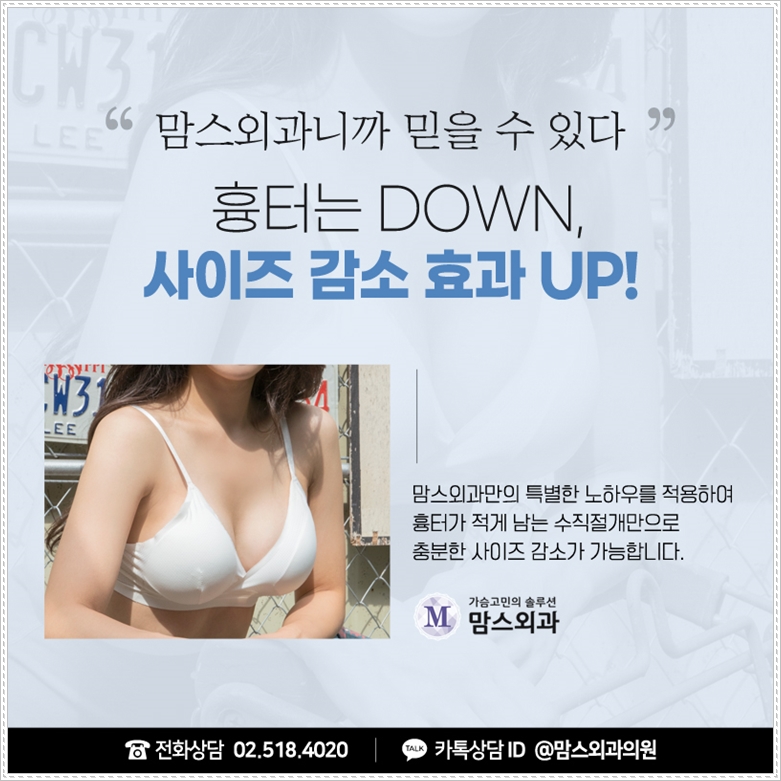
If you want to remain satisfied for a long time, there should ideally be little or nothing that keeps bothering you. This is especially true for methods that leave scars, where even greater caution is needed. That is why it is also important to make arrangements so that it is not easily visible that you had breast reduction surgery. So it is important to find a method that reduces the degree of scarring while also clearly achieving the result of reduced volume. This is where each place’s own expertise stands out. In places that focus only on breasts, they were using a vertical incision method that reduces scarring while also sufficiently reducing size.
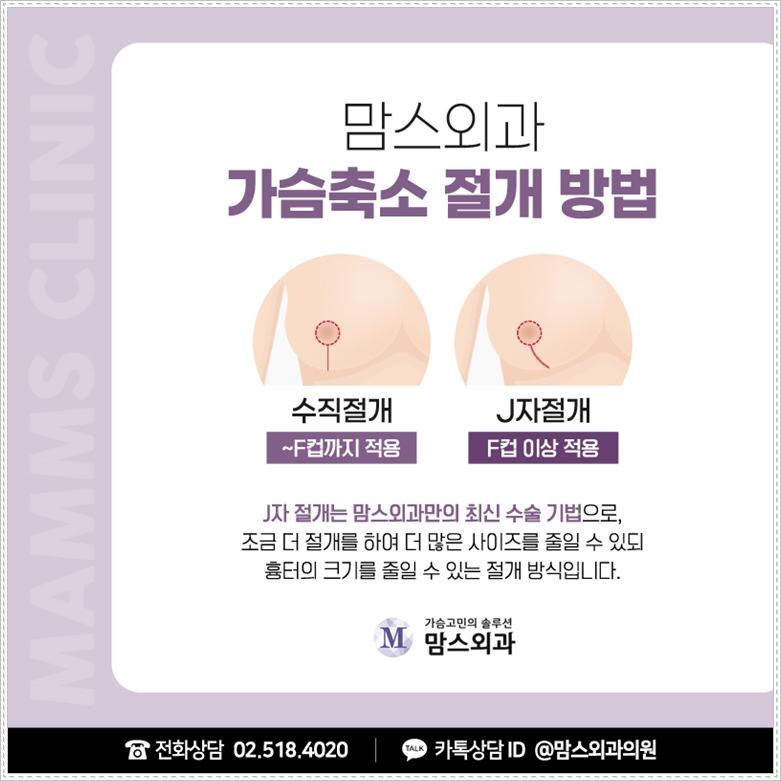
The vertical incision method, which makes only one straight line vertically and ends with a single scar line, can reduce a fairly sufficient amount, unlike the claim some people often make that it reduces size only a little compared with the anchor incision method. Of course, depending on the size and degree of sagging, there may be times when the vertical method feels a little lacking. For such cases, there is a technique called a J-shaped incision, which adds a slight incision to the side and proceeds from there. It is a carefully developed method meant to prevent breast reduction surgery from leaving scars that are too large.
Many people who want to reduce volume feel so strongly, at least for now, that they want their breasts to be smaller that they do not pay much attention to things like scarring or the slight inconvenience involved in recovering after the procedure, and they say they will not mind it later either. But the scars left by a method that involves cutting directly into the skin can be more noticeable than expected. After obtaining the result of a smaller size, if you look at those traces, you may still feel a little regret. Since this can be such a major turning point in life, it seems better to reduce even that feeling of regret. So you cannot help but think about the size and shape of the scar, the marks that will remain afterward, and the process of returning the body to daily life after choosing a place based on breast reduction surgery reviews. Women understand those feelings especially well.
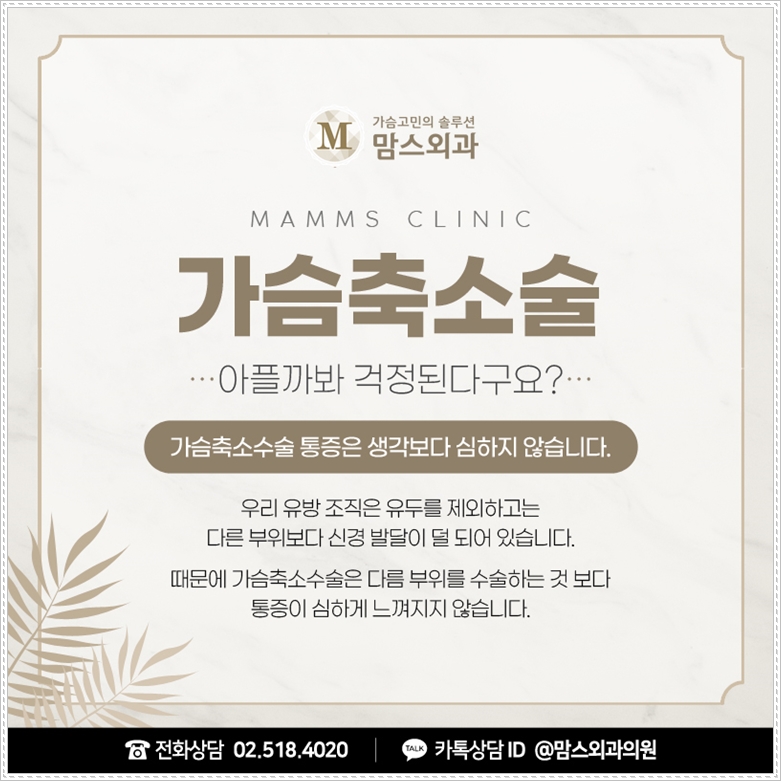
When talking about breast reduction surgery, there are often people who worry that it might hurt too much and that they may suffer more than they imagined. Since it involves cutting away part of one’s own body and reshaping it, that is understandable. Still, I want to say that it is not a solution accompanied by severe pain. Because the tissue that makes up the breasts is relatively insensitive to pain, even if it is cut away in the process, it does not feel severely painful. That is why it is often described as manageable with painkillers.
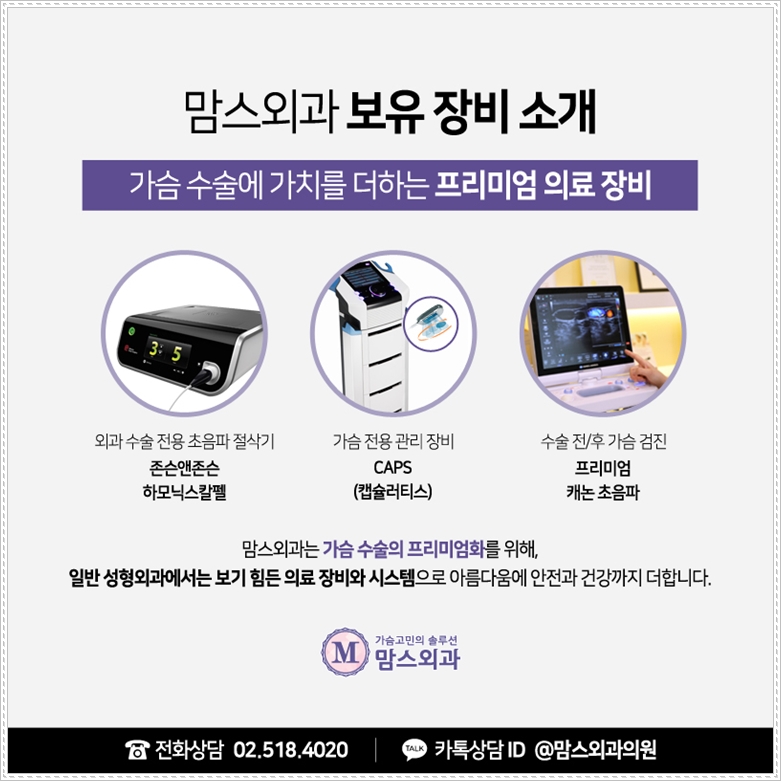
However, since it is still true that a large wound is created, there is no change in the fact that proper care is needed so that the body can recover and heal. Just because it hurts less than expected does not mean the injured tissue is fine. To help reduce pain and support smooth recovery, this place had reliable equipment. Examples include a Harmonic Scalpel, which can make delicate, small incisions while simultaneously stopping bleeding to reduce the burden on the body and avoid using a drain, and Capsularitis, which has functions well-suited for breast care.
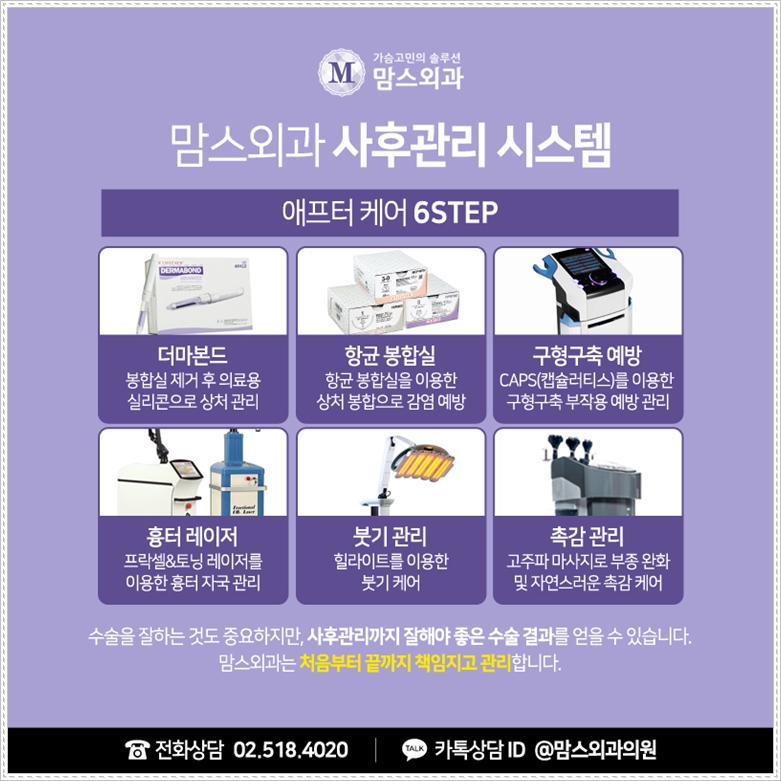
Careful attention is also needed during recovery. So it is a good idea to carefully check how well the aftercare system is in place before making a decision. If the wound is managed with medical silicone bond, it can help it heal well in daily life in a more comfortable state. Devices such as HILITE can also be used to support the reduction of swelling. As mentioned earlier, CAPS should be used to quickly loosen firm lumps and stabilize the condition. It will also be necessary to carefully manage the area with laser equipment so that scar marks do not remain dark. Care can also be provided using the appropriate equipment so that a natural shape and feel return. And it is important to check whether such care is carried out appropriately and without discomfort according to each individual’s condition and situation.

If you want to make a choice that you can look back on and say, “I’m glad I did that,” and smile about for a long time, think carefully about where to go. Where does satisfaction with the result really come from? The reason people look up breast reduction surgery reviews is that reducing breast size is the primary goal. Then it is worth thinking carefully about what is needed after the size is reduced and what may still be concerning. If it is only small and does not sufficiently provide a natural shape or physical and mental comfort, that too will remain one of the difficulties. I hope you find a method that can satisfy you from start to finish.