�

There were many ways to enhance beauty.
Opinions about it may vary from person to person, but one fact generally remains: we usually think of balance and naturalness as the first step of beauty. Something does not seem pretty just because one part stands out. This can apply to our appearance as well.
�
A woman’s breasts are one element that can make a woman look more attractive, so many people prefer some volume. However, if they become too large, they can throw off the body’s balance and cause functional discomfort, which is why some people try to reduce their size.
�
There are more people than you might expect who want this kind of approach, but they may spend time worrying about how to manage post-operative care after breast reduction surgery, how to take good care of themselves, and how to recover well.
�
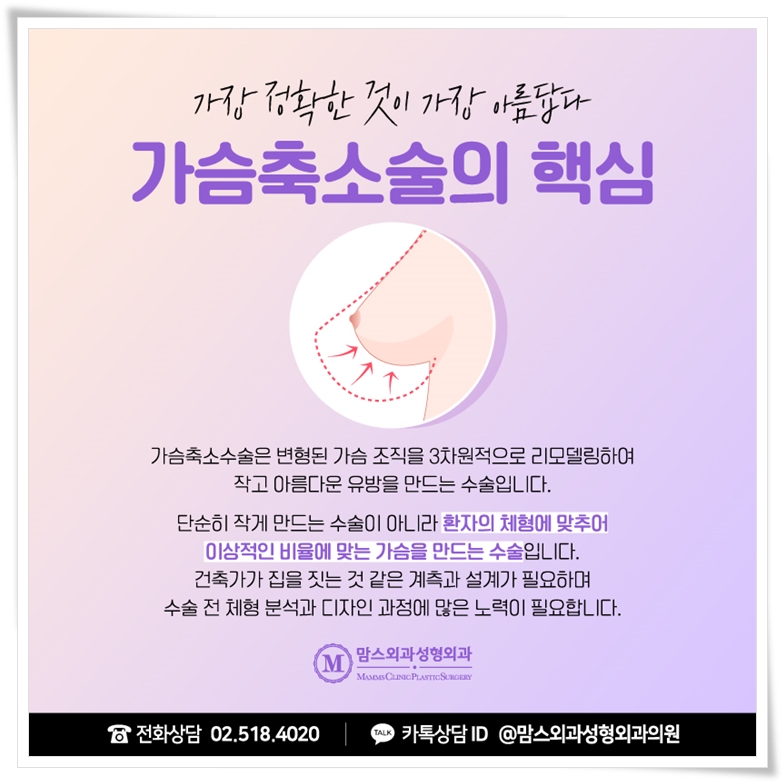
First, it seems worth thinking carefully again about this kind of approach. Many people who want to reduce breast size say, “Anyway, just make them smaller.”
�
Of course, after struggling so much because of a large size, they may hate their breasts and feel as if they are an enemy. Even if others say volume is better, for the person themselves it may just feel like unnecessary flesh, so the desire itself is not wrong.
�
The issue is insisting on being as small as possible and stubbornly demanding an A cup, which is often what we think of as a bra size, because that is unlikely to produce a sufficiently satisfying result in the long run.
�
It is not simply a matter of cutting things away here and there to make them smaller. Because the goal is to refine them into a size and shape that match each person’s body type and ideal proportions, the process requires much more caution and delicacy than one might initially think.
�
�
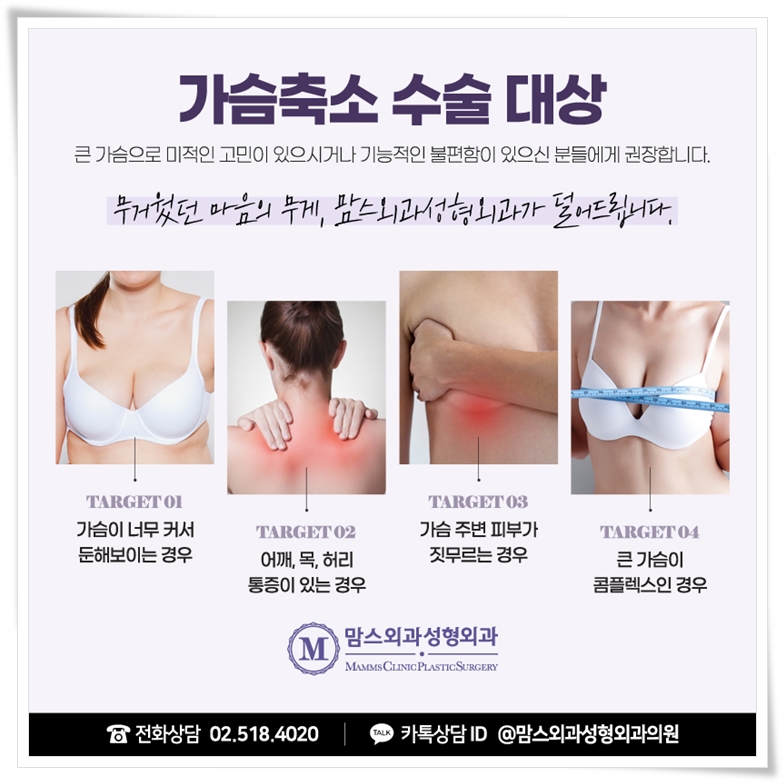
If the breasts are too large compared with the overall body frame, the balance can look off, the upper body may appear larger and bulkier, and because of the large size it can also be difficult to wear clothes that suit you well. In addition, if you often receive unpleasant looks from others, it can become a complex in many ways, and you may end up disliking your own body.
�
That is not the only problem. When the breasts are large, they are also heavier, placing a constant load on the upper body. If that eventually leads to persistent pain in the shoulders, neck, lower back, and elsewhere, it would truly be difficult. Since this is a decision made to improve upon those difficult experiences, concern about post-operative care after breast reduction surgery naturally becomes deeper.
�
�
Any approach involving the breasts is never easy and must be carried out carefully, considering not only the visible shape but also the health of the body.
�
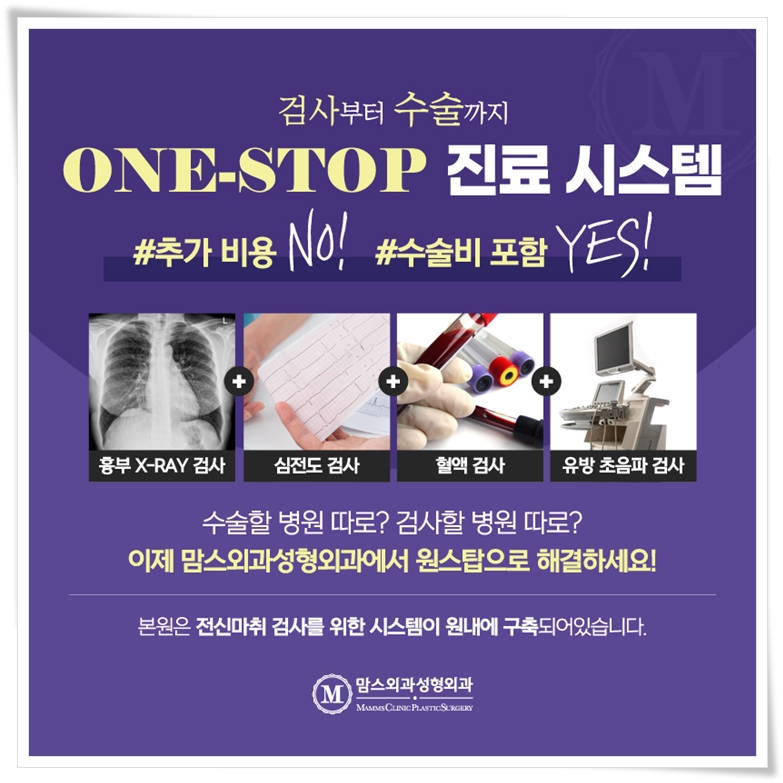
That is why caution should be taken from the very beginning. It is necessary to carefully check the current health condition of the body and the condition of the breasts so that the surgery can proceed without problems. To do that, several tests are performed, and that process can sometimes be inconvenient.
�
In some cases, necessary tests are done elsewhere and then brought back to the place where the reduction surgery will actually be performed.
�
If this can all be done in one place from start to finish, it would reduce inconvenience and allow for a more comfortable and efficient process. It would be good to choose an appropriate place with these factors in mind.
In any case, because part of the body is being removed, this process is certainly quite difficult.
�
Rather than saying it is severely harmful to the body or carries a major risk, it is more accurate to say that creating a healthy and attractive result that fits me perfectly is the difficult part.
�
Also, because this procedure basically requires an incision of a certain length, the possibility that a scar will remain afterward is something that must be considered carefully.
�
That is likely why there is so much interest in post-operative care after breast reduction surgery.
�
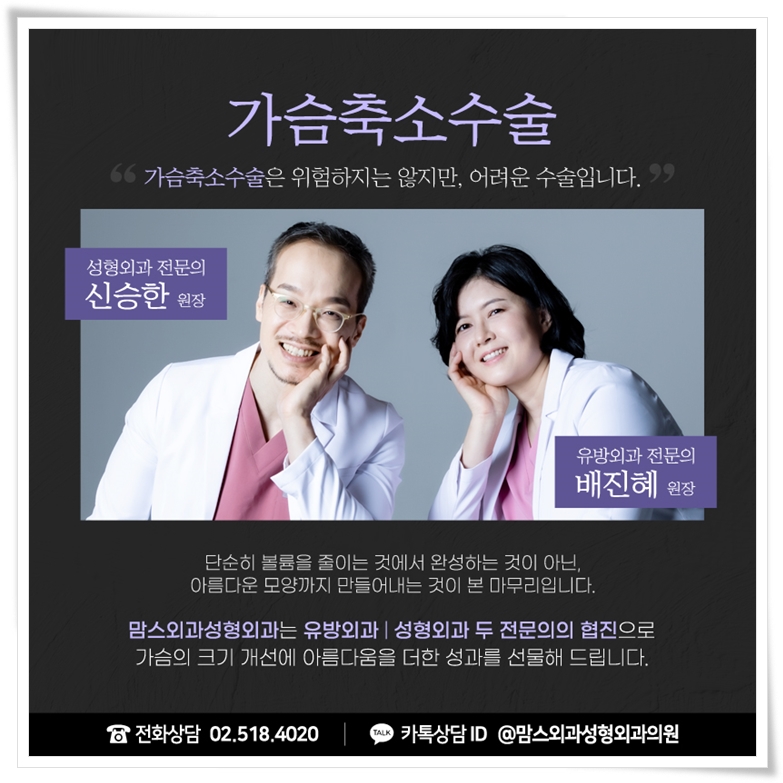
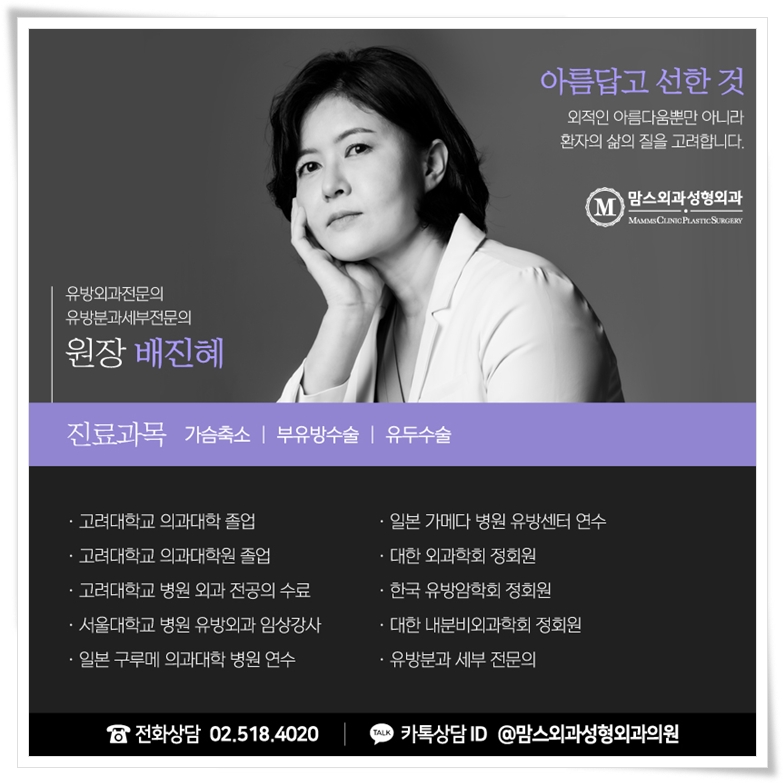
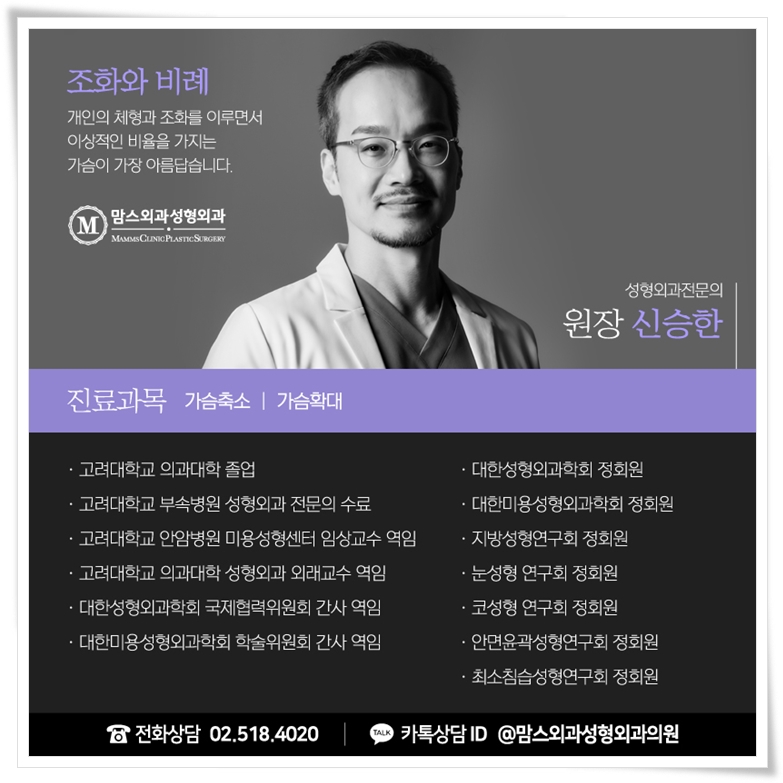
Of course, careful care afterward is important, but the reason people say it is just as important to do the procedure properly from the beginning is along similar lines. This is where the advantage of a system in which a breast surgery specialist who knows breasts well and a plastic surgeon who understands beauty and scars work together comes in.
�
It will not be possible to prevent scars entirely.
But they can be made less noticeable and smaller. Thinking that one can make a large incision first and then later manage the scar to make it fade does not really seem logically sound.
�
That is because once a scar has formed, it is difficult to erase.
�
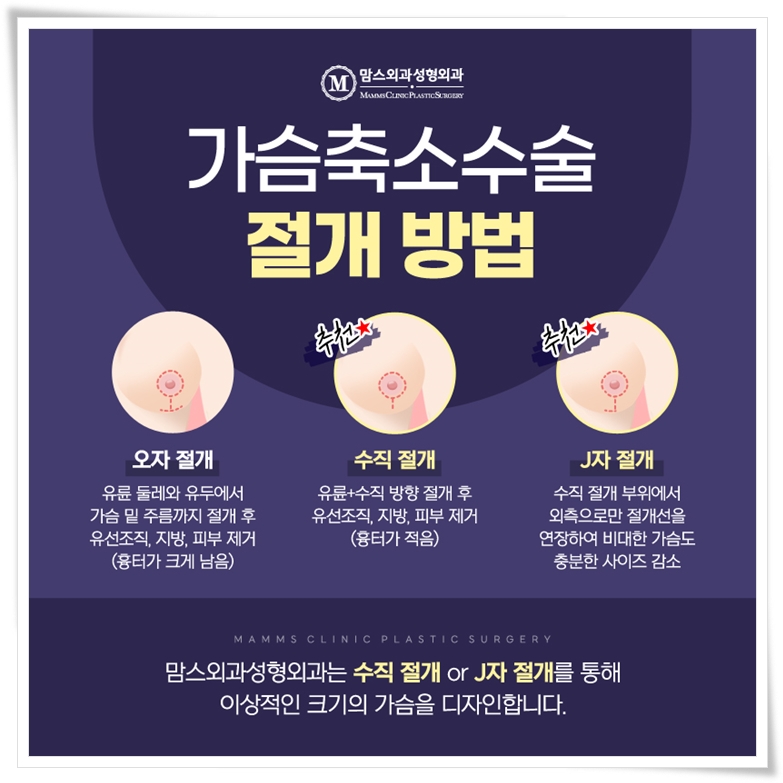
Therefore, the size of the incision should be reduced from the start. One may think that reducing the size a lot requires making a large incision, but that is not necessarily the case.
�
With more accurate knowledge and know-how, even a small skin incision can still achieve a sufficient reduction in size.
�
That is why the vertical method is becoming more of a trend. Of course, there are cases where the breasts are truly very large and sagging a lot, so a slightly larger incision is needed. In those cases, there was also the J-shaped incision technique, which adds a small incision to the side.
�
In the end, the effort should be made to keep the wound and the resulting scar as small as possible.
�
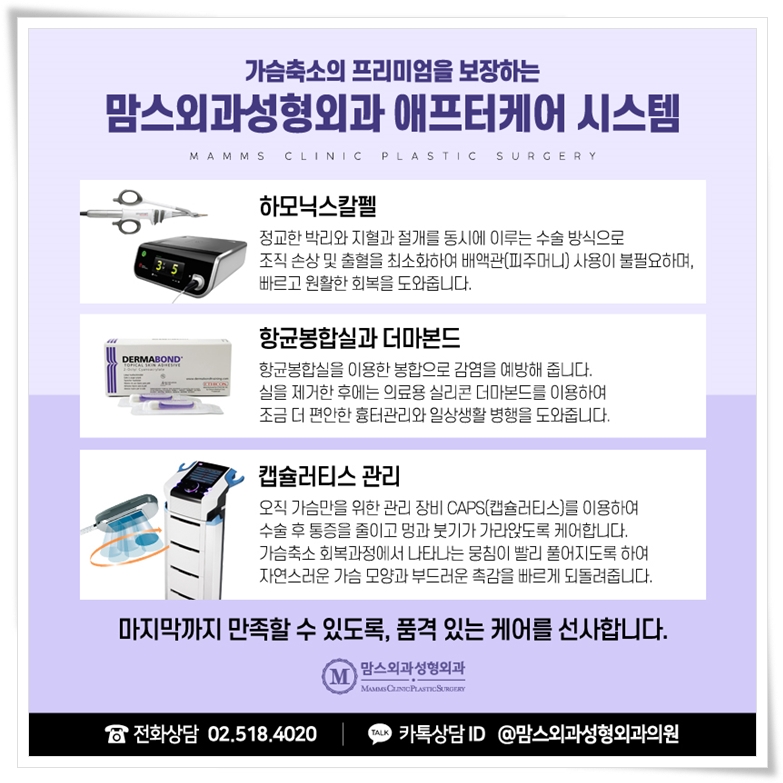
It is important for the incision area to be small, but it is also important to make it as thin and precise as possible and create only the necessary wound.
�
The equipment used for this is called a Harmonic Scalpel. Using this device makes it possible not only to make thin, precise incisions only as much as needed, but also to achieve hemostasis at the same time during the procedure.
�
Because there is less bleeding, tissue damage is also reduced, there is no particular reason to use a drain bag afterward, and recovery can happen more quickly.
�
In addition, using a medical silicone product called Dermabond can make post-operative care after breast reduction surgery in daily life more comfortable and help the wound heal well. It is also important to receive support all the way through so that recovery can proceed adequately with care using CAPS.
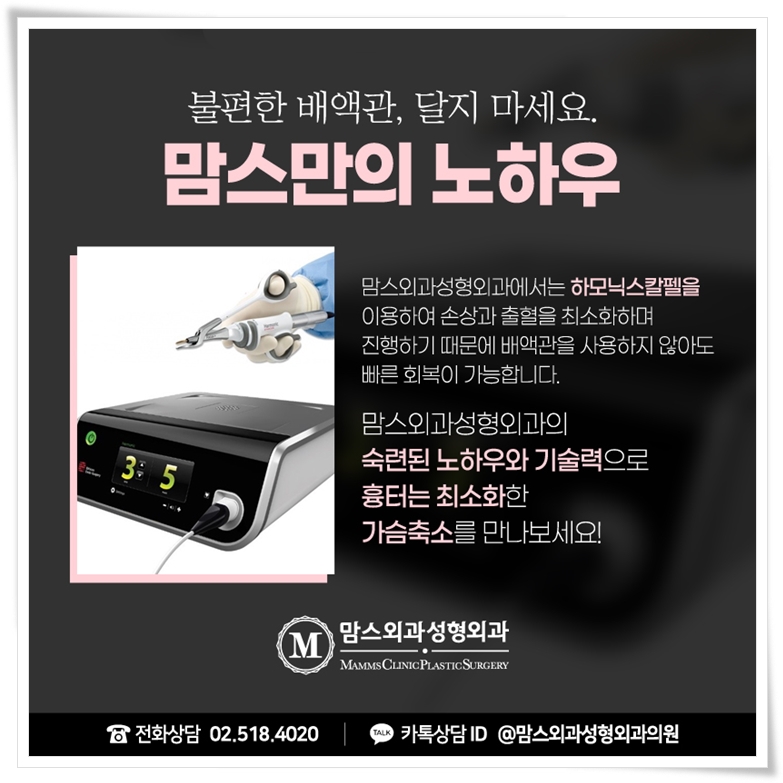
After undergoing this kind of procedure, some people may feel burdened by the fact that they need to wear a drain tube, that is, a blood-drain bag, during the early stage.
�
It may feel overwhelming to think about how to manage it, and it is true that it can get in the way of daily life. That is why the use of equipment such as a Harmonic Scalpel can be such a reassuring advantage.
�
Even if it is being done to achieve something one wanted, it is still better to make it as comfortable and as painless as possible rather than very painful and inconvenient.

�
If you are worried about post-operative care after breast reduction surgery, it would be good to look carefully and choose a place that seems able to continue monitoring and helping until you have recovered sufficiently and can have the body you truly want.
�
It is true that care using CAPS helps a lot with post-operative care after breast reduction surgery, but what matters even more is how well it is done and how long that support continues.
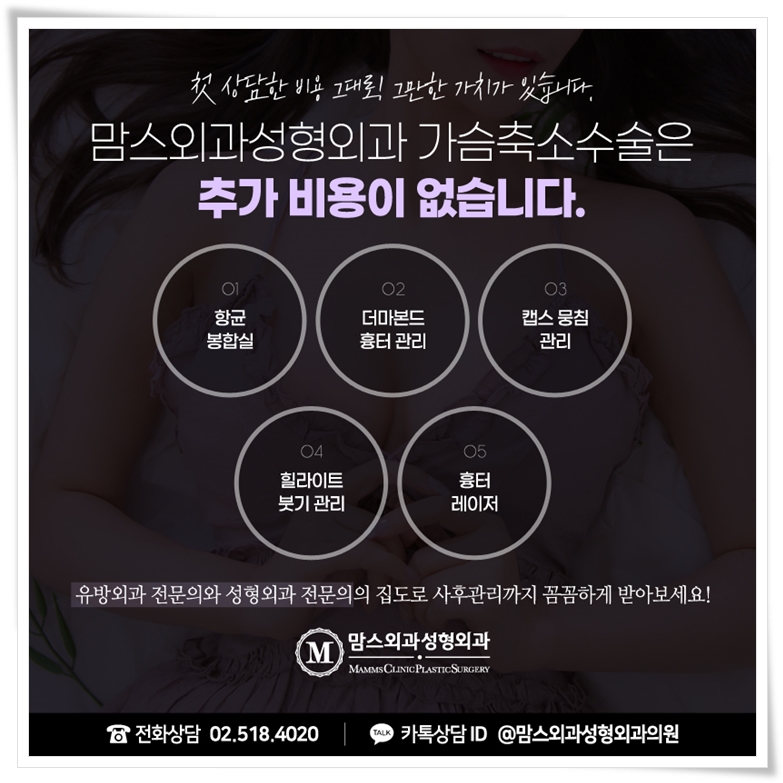
To make rational decisions for yourself and achieve an efficient approach, you need to know what aspects to think about and consider. The term aftercare may sound quite appealing, but when it comes to post-operative care after breast reduction surgery, you should not forget that the quality will vary.
�
�
�
�
�
�
�
�
�
�
�
�
�
�
�
�
�
�

�
�
�
�
�
�
�
�
�
�
�

�
�
�
�
�
�
�
�
�
�
�

�
�
�
�
�
�
�
�
�
�
�
�
�
�
�
�
�
�
�
�
�
�
�

�
�
�
�
�
�
�
�
�
�
�
�
�
�
�
�
�








 Previous image
Next image
Previous image
Next image
�
�
�
�
�
�
�
�
�
�
�
�
�
�
�
�
�
�
�