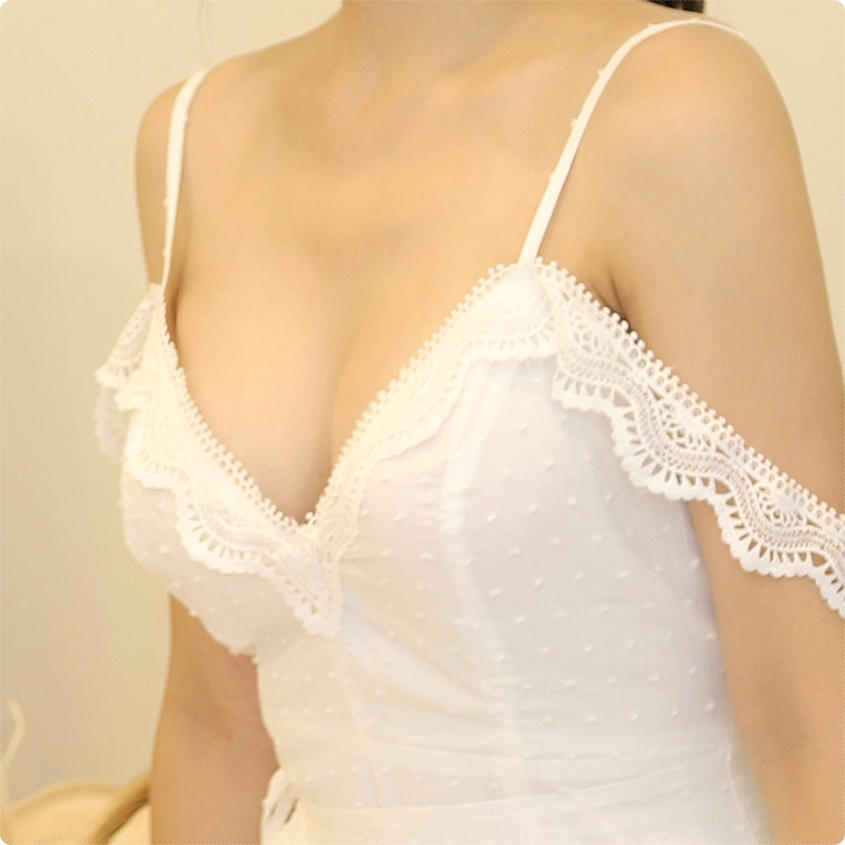
Breast reduction surgery scars breast reduction surgery scars breast reduction surgery scars breast reduction surgery scars breast reduction surgery scars breast reduction surgery scars breast reduction surgery scars
People with very large breasts often expressed how much they suffered because of them. For women, breast volume can be a way to express feminine appeal, but if it is not at an appropriate level, it can simply become another burden in life.
Because large breasts can cause various practical problems, such as body aches, poor posture, and negative effects on spinal health, it was sometimes regarded as a disease called macromastia.
People who had been having a hard time because of these issues eventually began looking for active ways to reduce the size. By making a small incision and carefully removing part of the overly developed tissue, the size can be reduced. But as you think about and learn about such methods, at some point you may come face to face with concerns about breast reduction surgery scars.
Concerns about marks after reduction surgery

In fact, when adjusting breast size, many people worried that marks left after the procedure would be noticeable. Even if they were very satisfied with the nicely reduced size, they still wondered whether the traces of the solution they chose for that smaller shape would one day become visible. This often becomes a major source of concern and anxiety for people considering the procedure because they want to improve the discomfort caused by large, heavy breasts by clearly reducing their size. Of course, professionals in this field were aware of this.
Especially in practice, they can encounter a wider variety of real stories, so they had to be even more careful. Among people with macromastia, many experienced discomfort and difficulty for a long time—from their teenage years through their 20s and 30s, and even into their 50s and beyond as middle-aged or older adults. The heavy weight always made the body feel burdened and difficult, eventually causing pain in the shoulders, neck, and lower back. In some cases, they also had to endure the way other people’s comments like “Isn’t it better to have a large chest?” left a thorn in their 마음.
Discomfort when choosing clothing, including underwear
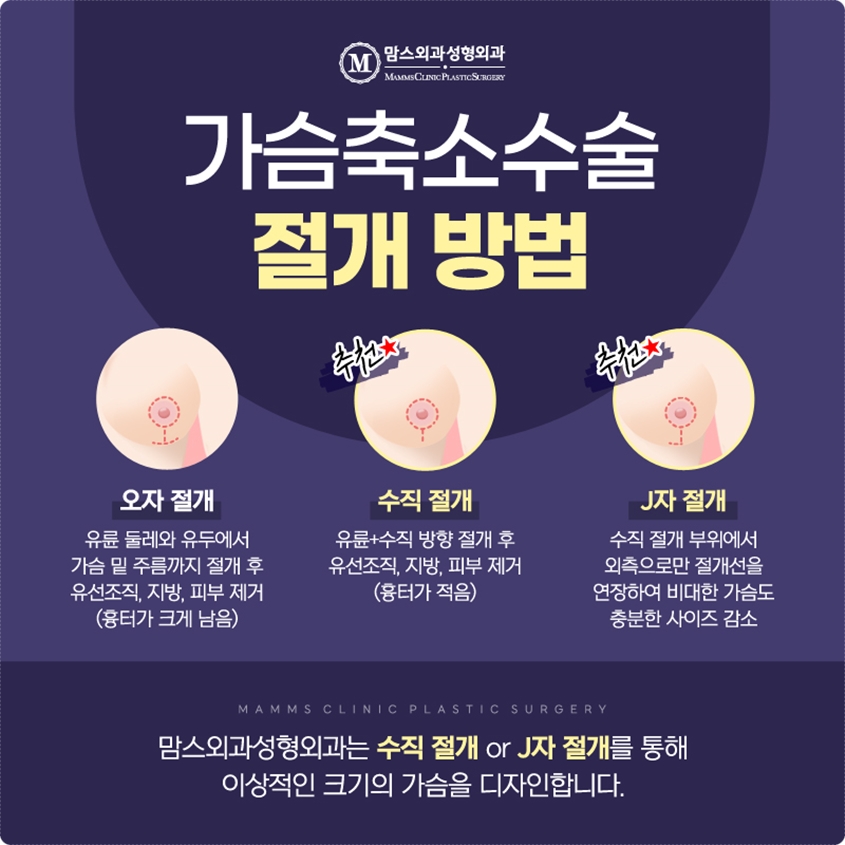
They could not freely choose and buy clothes, including underwear. And it was not even a pretty shape. Usually, macromastia also comes with issues such as breast sagging or asymmetry. That is why methods for reducing breast size are often described as more complicated and difficult than others. For those who kept hesitating because of concerns about breast reduction surgery scars, various efforts were made. The conclusion was that it would be better to begin by making the incision as small as possible from the start. Because of this, the traditional method known as the anchor incision gradually came under scrutiny.
Does the anchor incision allow greater size reduction because it creates a larger wound?
Originally, the anchor incision was widely used because of the vague idea that making a larger incision would allow greater size reduction, and because from the operator’s perspective it offered a wider field of view and seemed easier to understand. However, it later became clear that choosing a vertical incision would be more advantageous for minimizing visible scarring. People who wanted smaller breasts also initially said they should focus on reducing size first rather than worrying about noticeable scars, but over time they gradually shifted toward the view that both smaller size and less scarring would be ideal, and they became more cautious about the anchor incision method.
Can a vertical incision not reduce as much as an anchor incision?
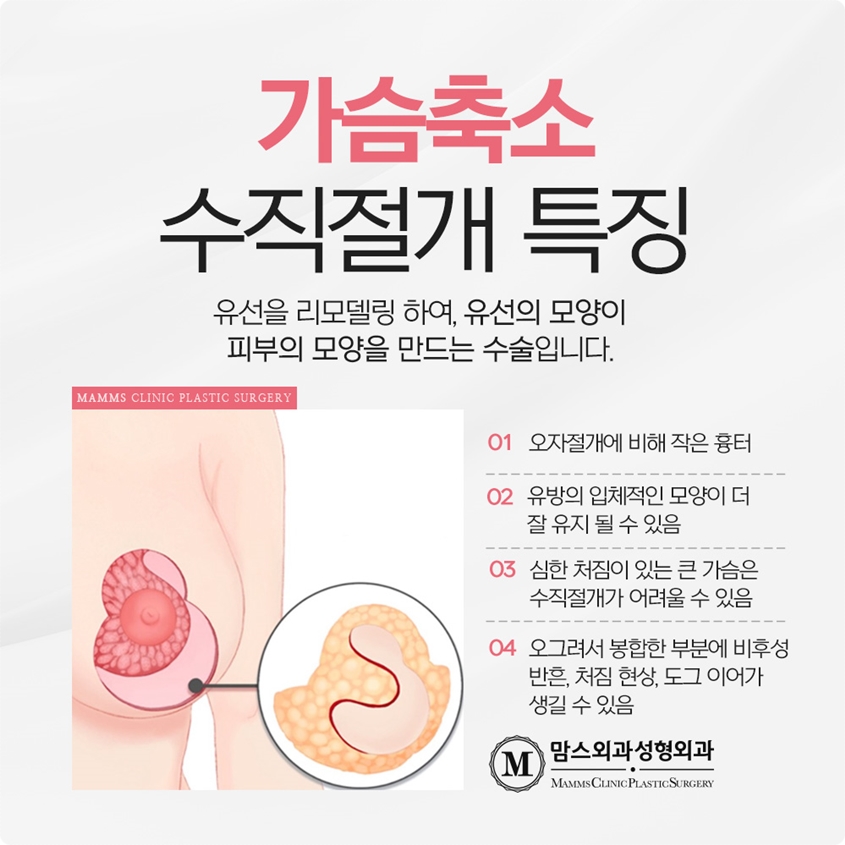
So, is it really true that a vertical incision cannot reduce as much as an anchor incision? Not necessarily.
In fact, deciding on this method depends on the characteristics of each person’s breasts and the kind of beauty they are pursuing. In the case of a vertical incision, the breast reduction surgery scar is shorter and the affected area is smaller, so if you are worried that the scar will be noticeable, it can be a very good option. If the reduction surgery is performed by someone with enough knowledge and experience regarding female breasts, they can produce satisfying results with little difference in the degree of size reduction compared with the anchor incision method. In addition, the vertical incision often results in a prettier shape and tends to last longer than the anchor incision. Of course, there were limitations. People with large breasts often also have significant sagging, and if the breasts are both large and severely sagging, it can be difficult to achieve results with a vertical method. Also, due to the nature of the incision shape, there were often cases where unattractive marks remained at the area that was gathered and closed.
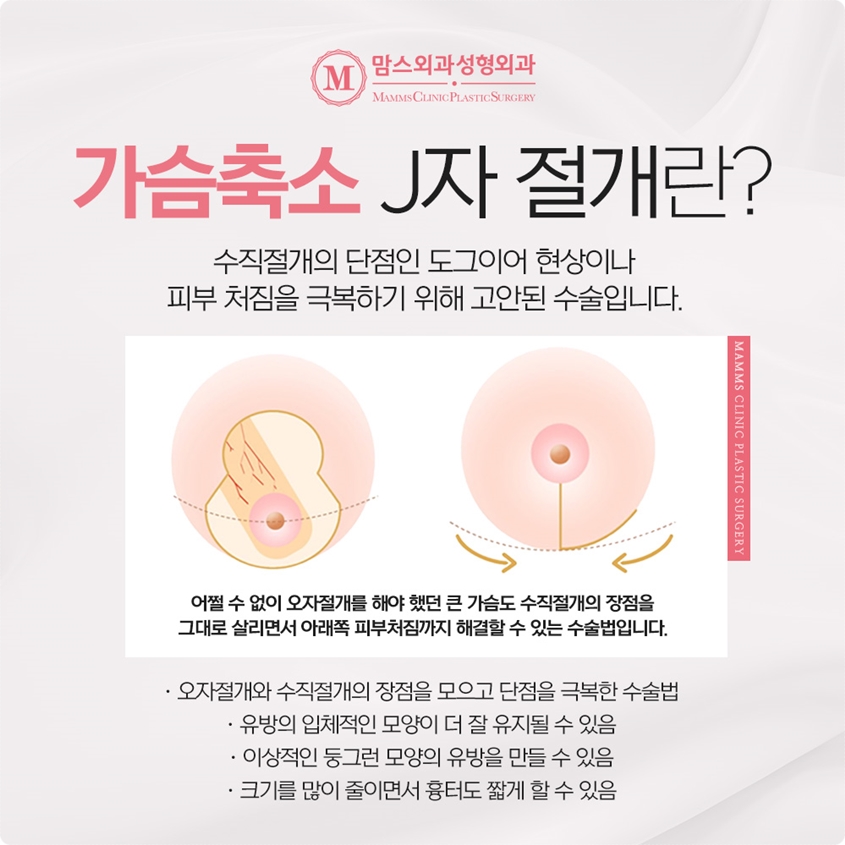
Those who constantly think about methods for reduction surgery like this could not give up when they think about people who have lived a heavy, difficult life because of their huge breasts and suffered far too much until now. They clearly acknowledged the limitations of the vertical incision method. Then they looked again for ways to overcome and supplement those limitations. That is how the J-shaped incision appeared. It is a technique where the scar extends just a little further to the side from a vertical incision, leaving a mark shaped like the letter J in English. With this, even very large sizes that could not be reduced enough with a vertical incision alone can be reduced sufficiently, and concerns about sagging that were difficult to improve can also be addressed. It can also prevent certain marks that may occur with a vertical incision. In this way, we were able to overcome and improve even the worries and hesitation caused by scars after breast reduction surgery.
If you want to reduce the marks left by wounds?

In the end, if you want to reduce the marks left by wounds, the conclusion was that you have no choice but to reduce the wound itself. Of course, efforts are also needed to carefully make incisions only where necessary and only as much as needed by using various tools and techniques, and to complete the procedure with care using good materials. Aftercare was also important. Using various methods, including lasers, the scar needs to be managed consistently over a long period so that traces are left as little as possible. If careful attention is paid from the incision stage itself, there is usually no need to use a drainage tube, commonly called a blood pouch or drain. Some people feel more burdened or uncomfortable because after the size reduction, they must live for a period of time with this blood pouch attached. In fact, this kind of size reduction procedure is not simply about cutting out tissue and throwing it away; it is carried out with the concept of leaving the necessary amount of tissue in place and remodeling it so it can become a smaller, more beautiful, and balanced shape.
So after the procedure, there is almost no empty space. In addition, if the procedure includes delicate incisions to reduce scarring and careful hemostasis at the same time, there is almost no concern about blood collecting. This means that recovery is possible without having to use an uncomfortable drainage tube.
Proper care after reduction surgery is important!
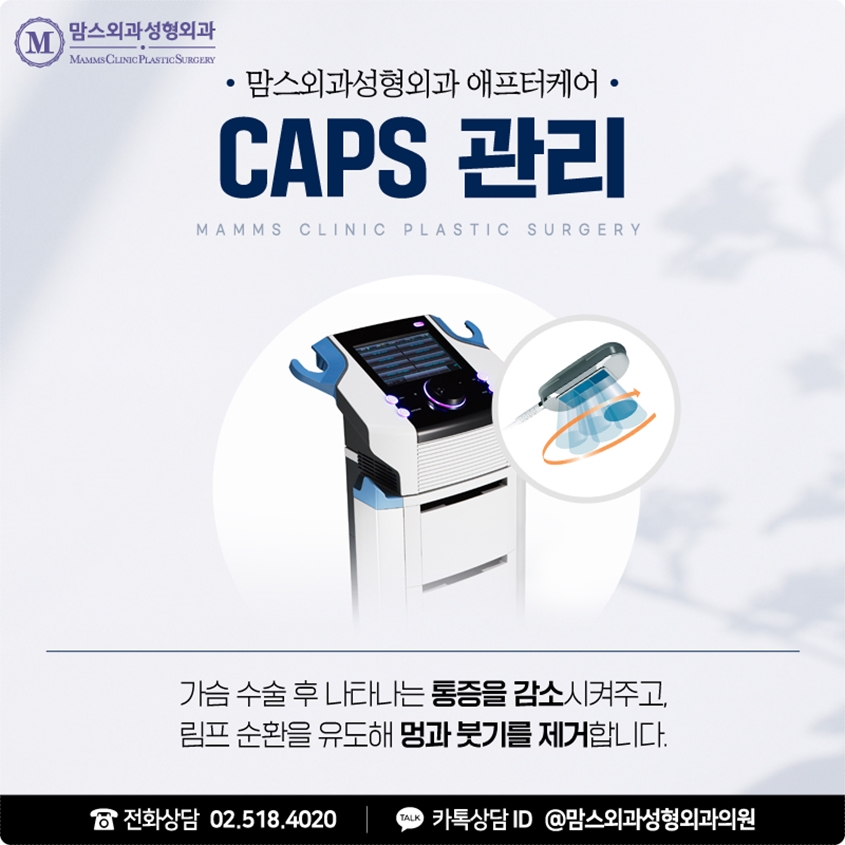
After breast reduction surgery, it is necessary to provide sufficient and proper care over a long period, not only to improve scars but also to create beautiful breasts that settle into a soft and natural shape.
To recover more quickly and smoothly and return to a comfortable daily life sooner, equipment created for managing female breasts called Capsularitis can also be used. Looking at how well, carefully, and systematically aftercare is carried out was also a very important part.
A choice for breast health
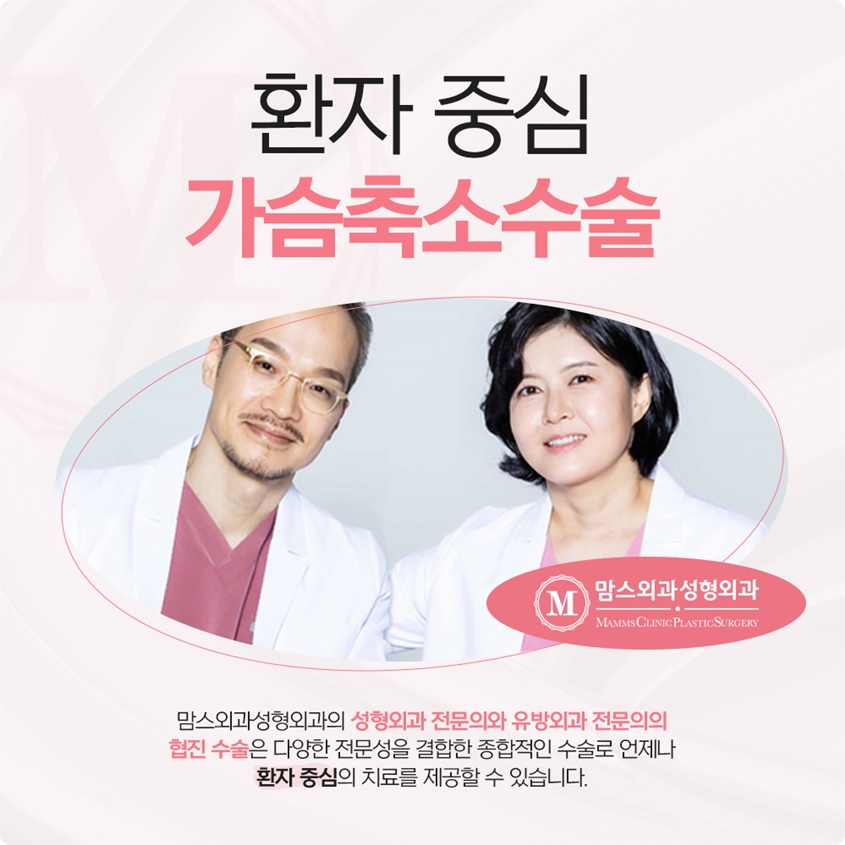
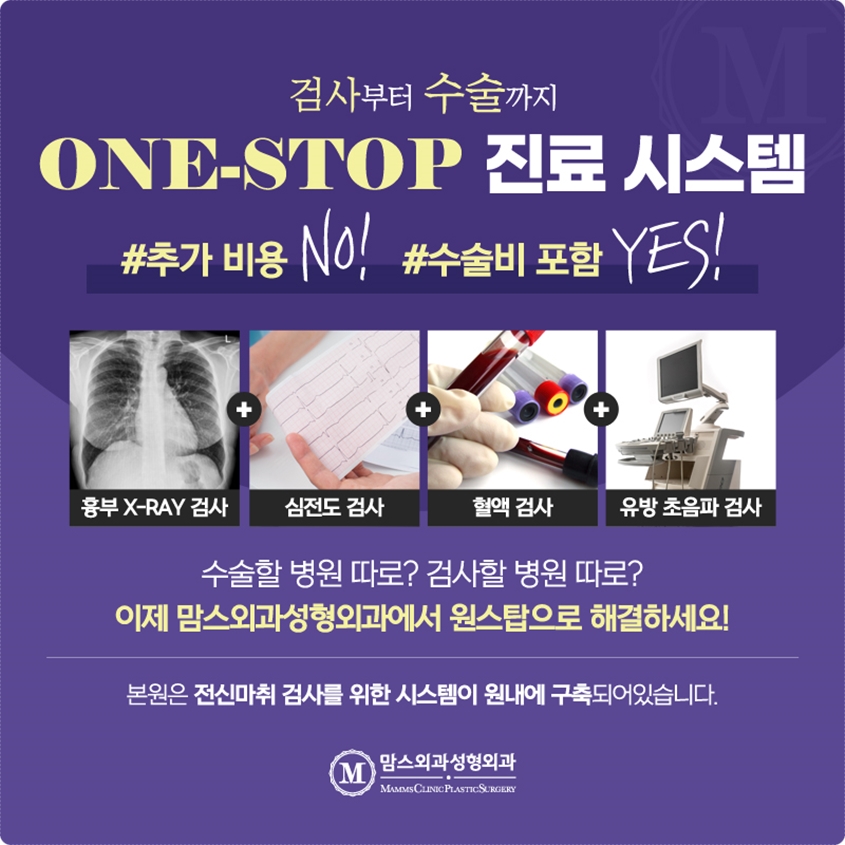
For people who are struggling because of large breasts, reducing the size clearly was a choice for health. It is just that they hesitate because they worry that the marks will remain visible afterward, or that recovery will take too much effort. Therefore, after considering many situations and conditions, it is best to receive a consultation somewhere that seems capable of helping ensure that your concerns about macromastia are sufficiently addressed and, in the end, that you can achieve a natural and aesthetically satisfying result.
What should be clearly remembered is that breast reduction is not only about an aesthetic purpose to resolve a physically disliked area, but also about improving discomfort caused by one’s body features and negative effects on health, while helping a person feel confident in their own body and live more comfortably.








 Previous image
Next image
Previous image
Next image








Previous image
Next image








Previous image
Next image








Previous image
Next image