
The prominent tissue around the armpit area is often likely to be accessory breast tissue. Since it can affect body shape and also cause discomfort, proper management is needed. Axillary accessory breast tissue is broadly divided into glandular type and fatty type, and the improvement method differs depending on the type.
At our clinic, we carefully review each person’s condition and apply the appropriate method to pursue a more natural and balanced result.
Customized improvement methods by type
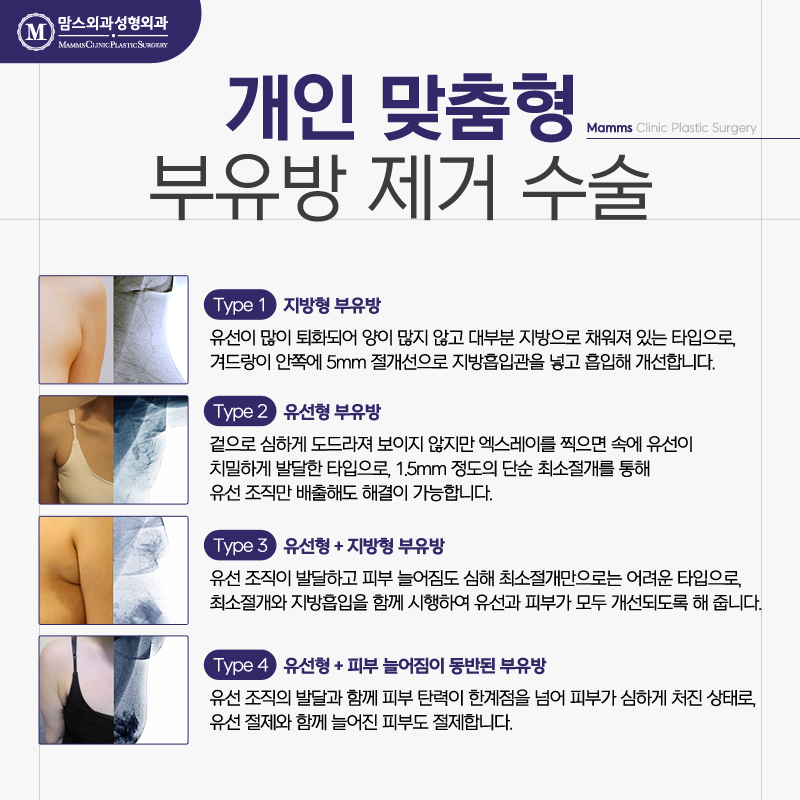
Accessory breast tissue is not simply sagging skin; the approach must differ depending on the characteristics of the tissue. The appropriate method should be selected based on whether glandular tissue is included inside the tissue or whether the fat layer is the main component.
If the two are mixed, even more careful adjustment is needed. Therefore, for improvement, the process of closely identifying the individual condition is important. In this way, a more natural and balanced result can be expected.
When glandular tissue is developed, unlike a simple fat layer, it is located deep within the skin, so the method used is to remove the glandular tissue through a small incision. The key is to clean up the tissue while minimizing the incision range, so a careful approach is necessary.
On the other hand, if the skin feels soft when pinched and presses down gently under pressure, it is likely fatty-type accessory breast tissue in which the fat layer is the main component. In this case, liposuction can be used to remove unnecessary fat and gently finish the connection with the surrounding tissue, creating a smooth line.
This is how we approach mixed types
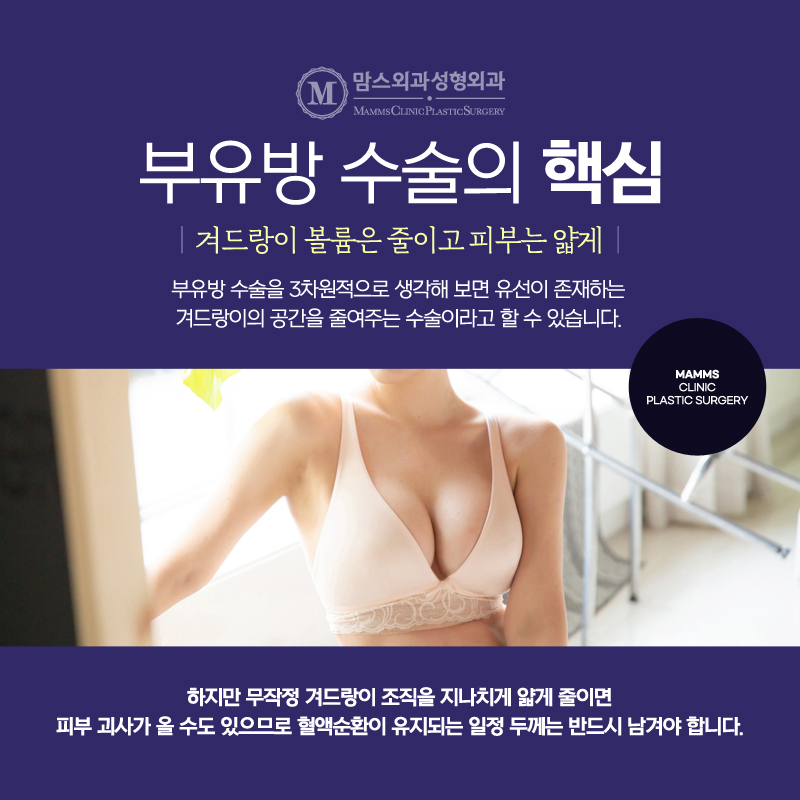
When glandular and fatty tissue are both developed, it may be difficult to apply only one method. This is because the glandular tissue must be cleaned up while liposuction is performed at the same time so that the skin can settle in a balanced and natural way. In particular, the process of adjusting the skin left after fat removal so that it can firmly adhere is important.
If there is a large amount of tissue and the skin is severely stretched, liposuction alone may not achieve the desired change. In such cases, skin excision should also be considered to induce a more elastic result. By reducing and organizing the sagging skin, the lines of the armpit and arm can become more balanced, and discomfort during movement can also be reduced.
Because the approach to accessory breast tissue differs depending on the type, it is important to analyze the individual condition and apply the appropriate method. Through this approach, a natural and neat line can be expected, and it can also help maintain satisfying results after improvement.
Axillary accessory breast tissue: accurate diagnosis comes first
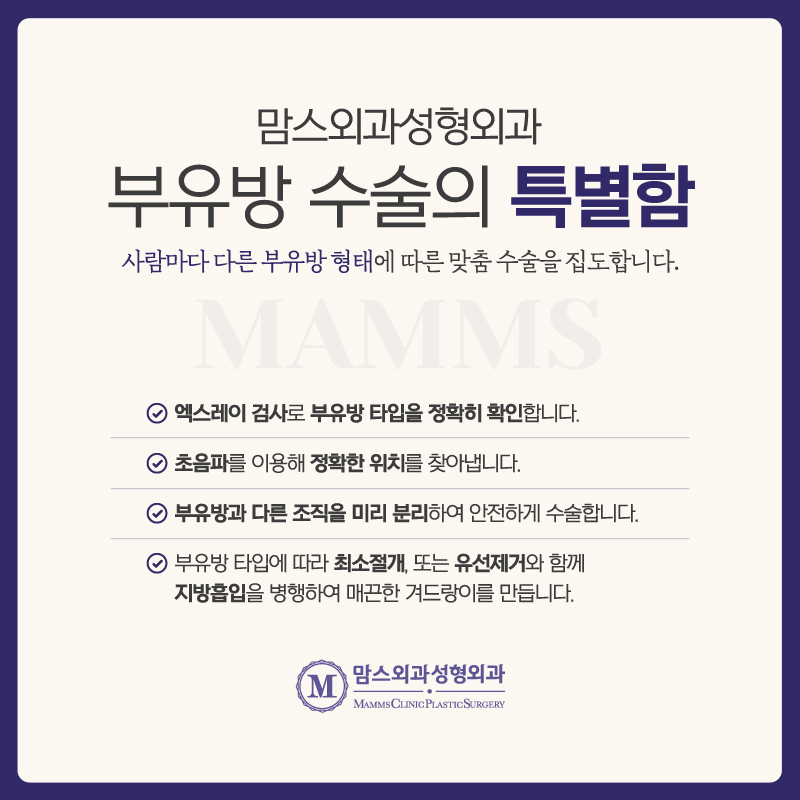
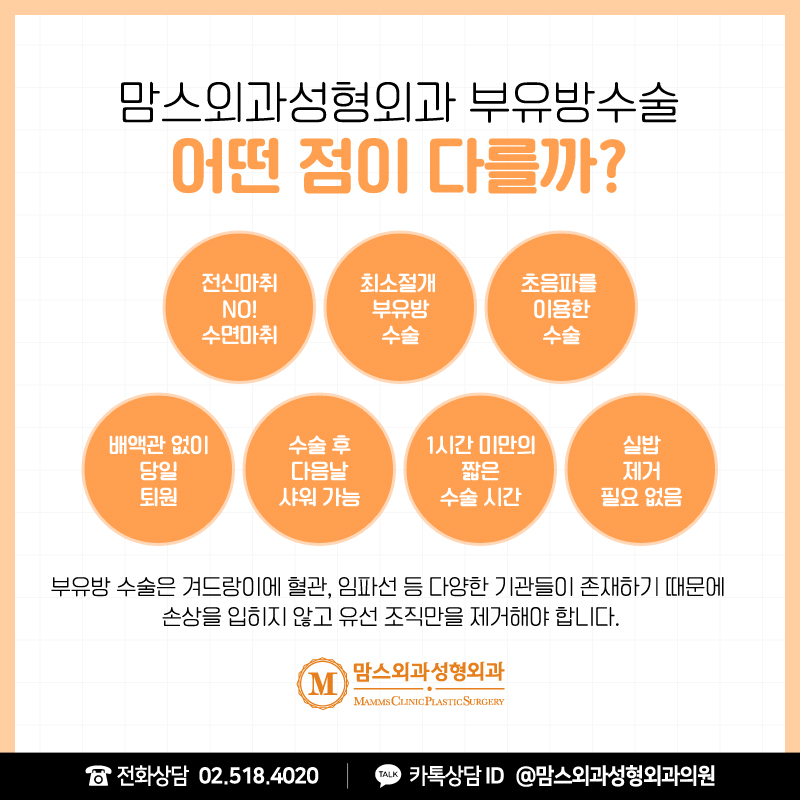
Unlike a simple fat layer, axillary accessory breast tissue is located in an area where major structures such as blood vessels and lymph nodes are distributed, so a cautious approach is needed. Therefore, a preoperative X-ray examination is required to carefully identify the type.
After checking the condition of the tissue, the appropriate method can be determined based on the clinical experience of a specialist in breast surgery.
A thorough solution with a breast surgery specialist
The armpit area is a place where anatomically important tissues are densely concentrated, so a careful approach is required. At our clinic, a breast surgery specialist personally performs the procedure to help ensure surgery is carried out in a more stable manner.
Through an accurate diagnosis, the type can be identified and a method suited to the individual’s condition can be applied, allowing for a natural and refined line.
Are you concerned about axillary accessory breast tissue? In the end, it is important to receive a diagnosis from a breast surgery specialist in order to apply a customized solution based on the type. At our clinic, we create more natural and balanced results through a personalized approach that considers each person’s body characteristics.























Previous image
Next image