When you are considering and researching breast reduction,
you may come across the term “intradermal suture.”
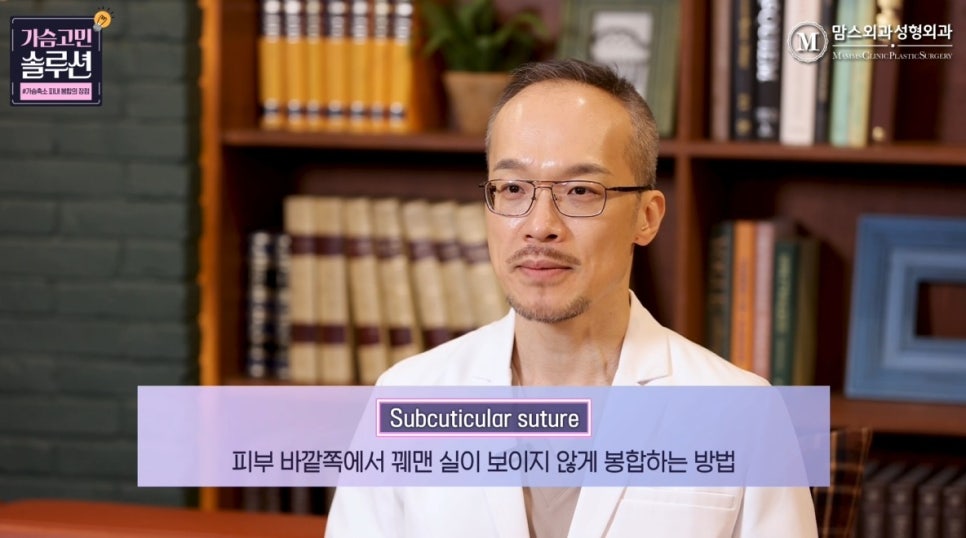
An intradermal suture, or subcuticular suture,
is a suturing method that conceals the thread sewn on the outer side of the skin.
In other words, because it is a method of closing the skin
without visible external stitches,
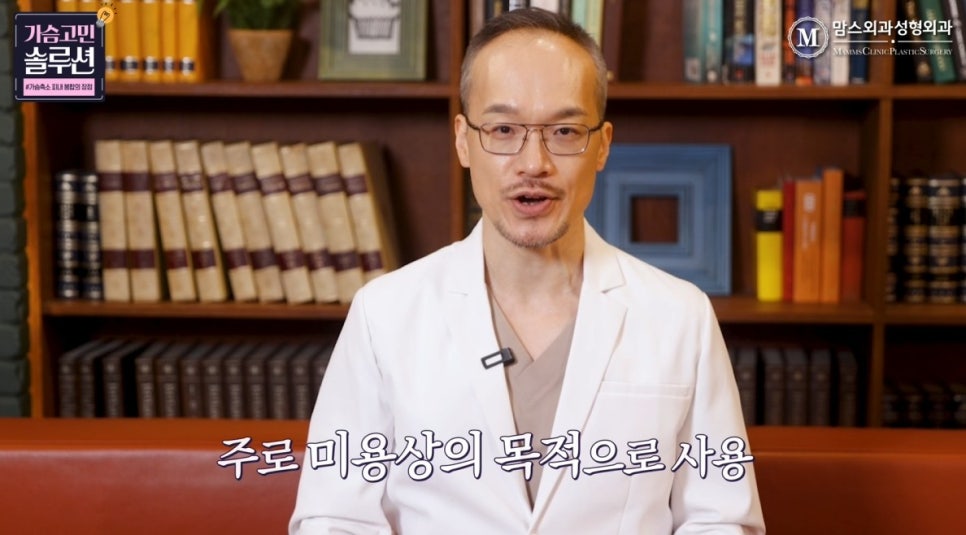
it is often used for cosmetic purposes.
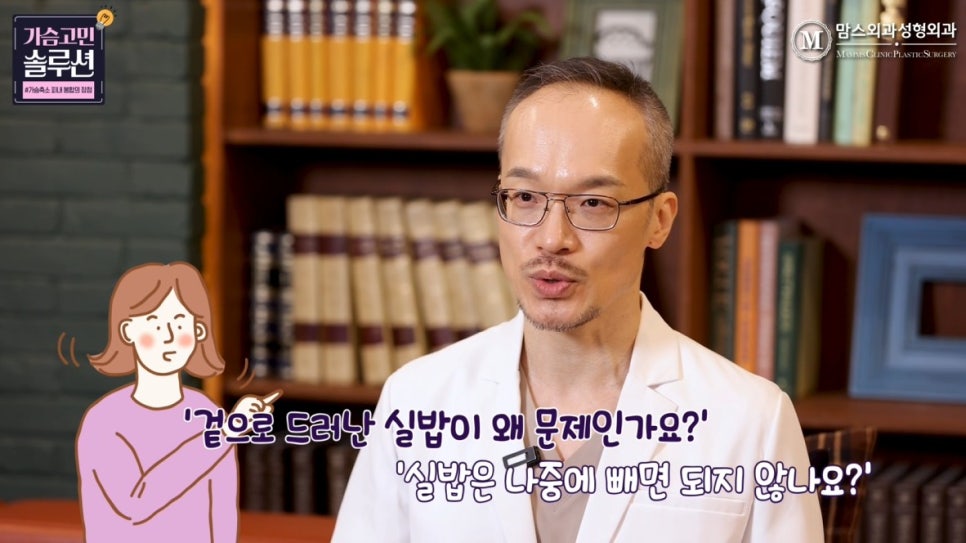
However, some people wonder whether
the visible stitches themselves are a problem.
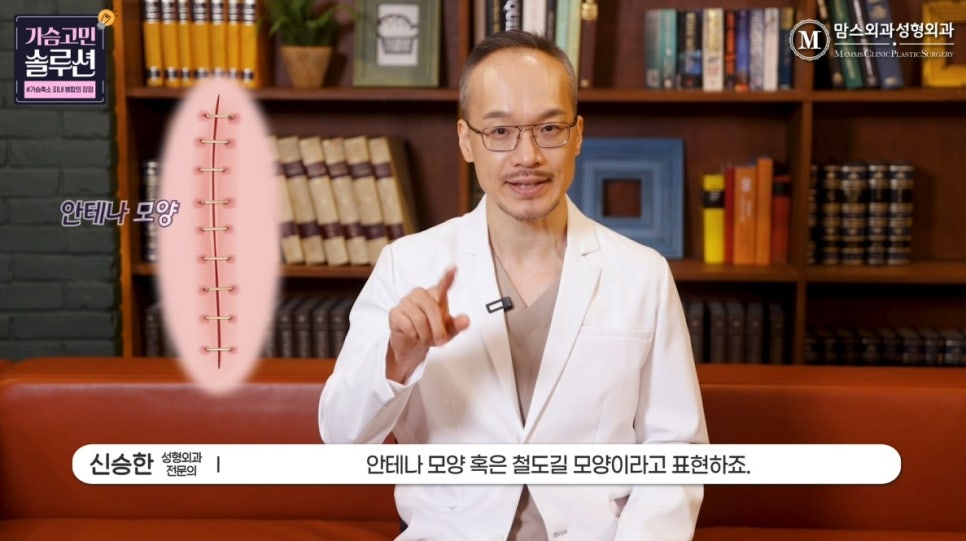
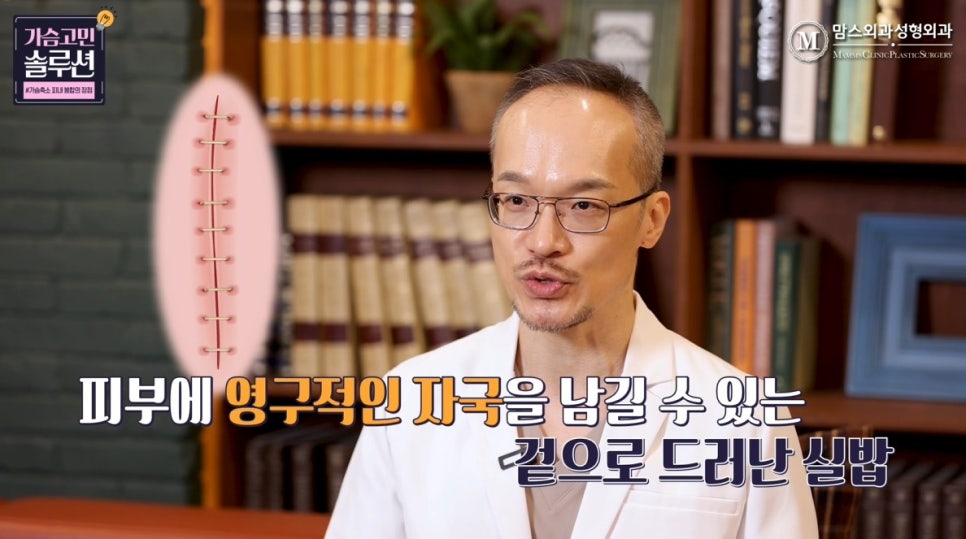
Scars that form after suturing are often described
as looking like antennae or railroad tracks.
Because these shapes remain on the skin as they are,
intradermal suturing is used to prevent this kind of outcome.
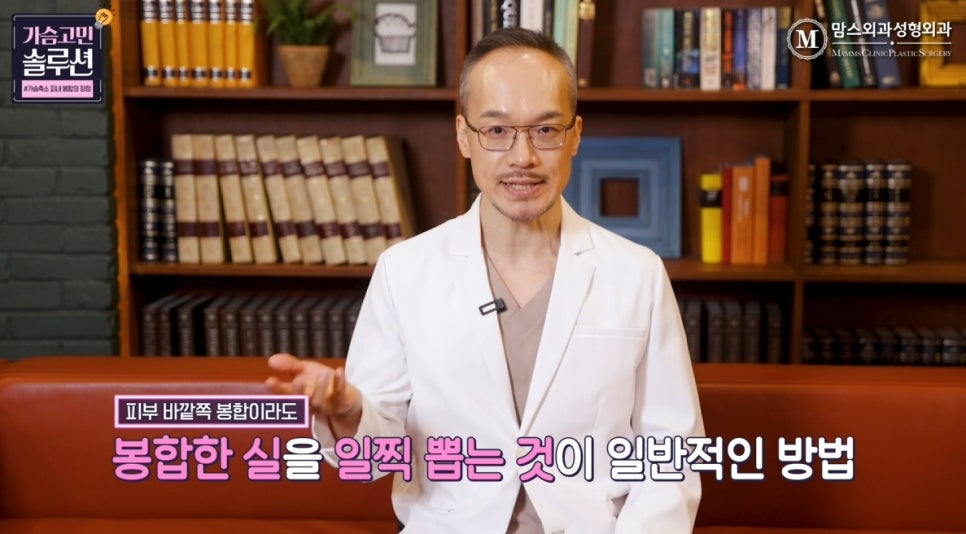
Of course, intradermal suturing is not the only way to
avoid leaving stitch marks.
Usually, even with standard suturing,
the thread is removed early.
However, if the thread is removed too early in such cases,
the wound may open up, so in that respect,
I personally think intradermal suturing is superior.
This method is widely used in the United States,
which is why it is also called the American suture.
Its purpose is not only to avoid leaving antenna-like scars,
but also to avoid having to keep tape on the wound for a long time.
Usually, after skin closure, stitches are removed after about 1–2 weeks,
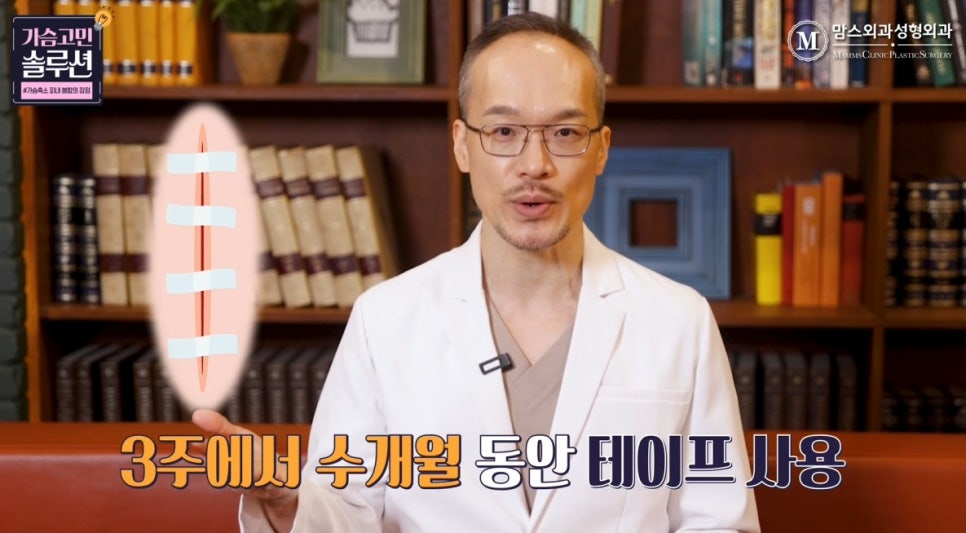
and tape is used for 3 weeks to several months to prevent the wound from opening
and the scar from becoming larger.
At this time, if the tape is applied perpendicular to the scar,
it reduces the tension placed on the scar.
Instead of using this kind of tape,
if intradermal suturing is done with thread that maintains tension for a long time,
it remains in place for several months and then naturally dissolves and is absorbed,
which can reduce the inconvenience caused by long-term tape use.
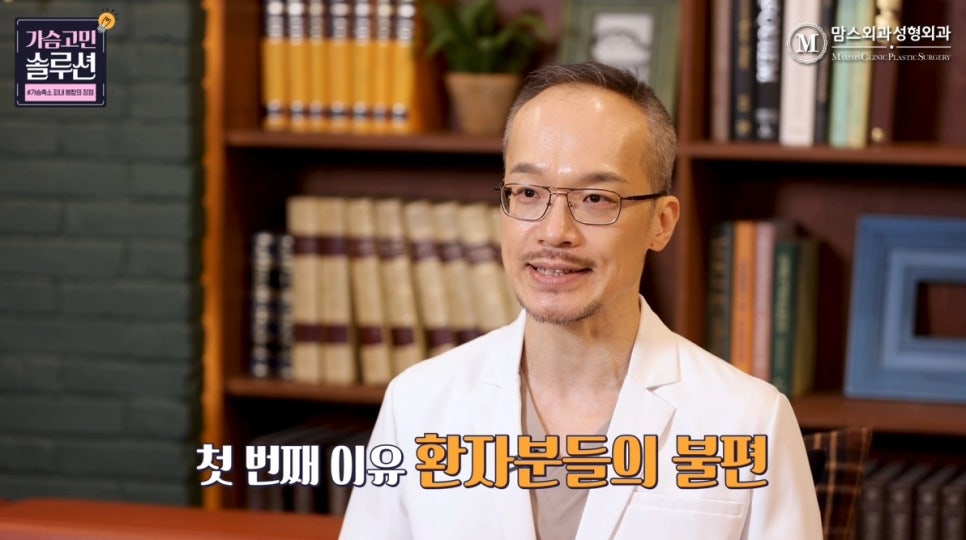
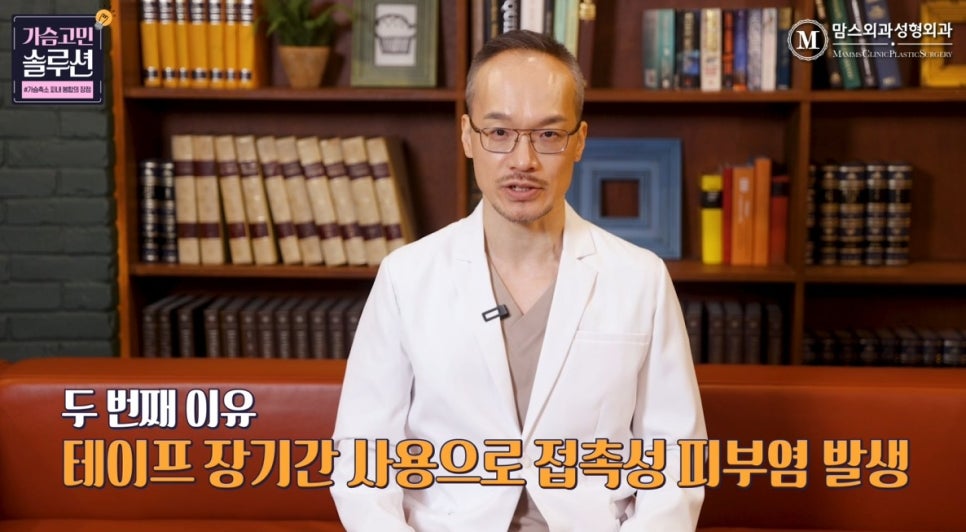
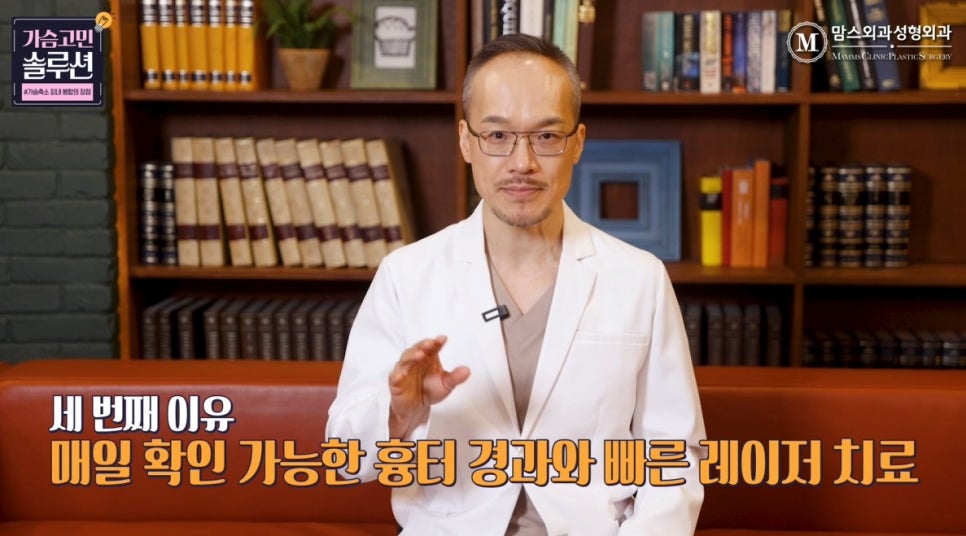
The reasons people usually dislike using tape for a long time
can be seen as threefold.
-
Patient inconvenience (the hassle of applying and removing tape)
-
Development of dermatitis due to prolonged use
-
Difficulty in checking progress and difficulty with laser treatment
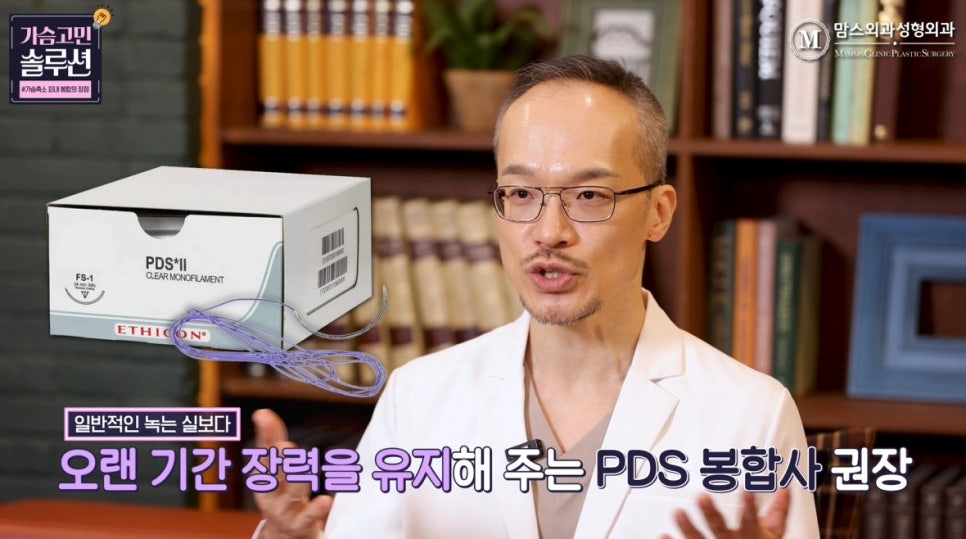
However, if tape is to be replaced with intradermal suturing,
the choice of suture material is important.
PDS suture is recommended over ordinary absorbable thread.
This thread is stiff in terms of physical properties, so it is somewhat difficult to use,
but it can be a very useful suture material for intradermal suturing.
Of course, it is not without drawbacks.
It may remain in the skin for a long time and, in some cases, the thread may protrude out of the skin,
and localized inflammation resembling acne may occur due to the suture material.
Therefore, with proper follow-up,
it is important to continuously monitor the condition of the scar.
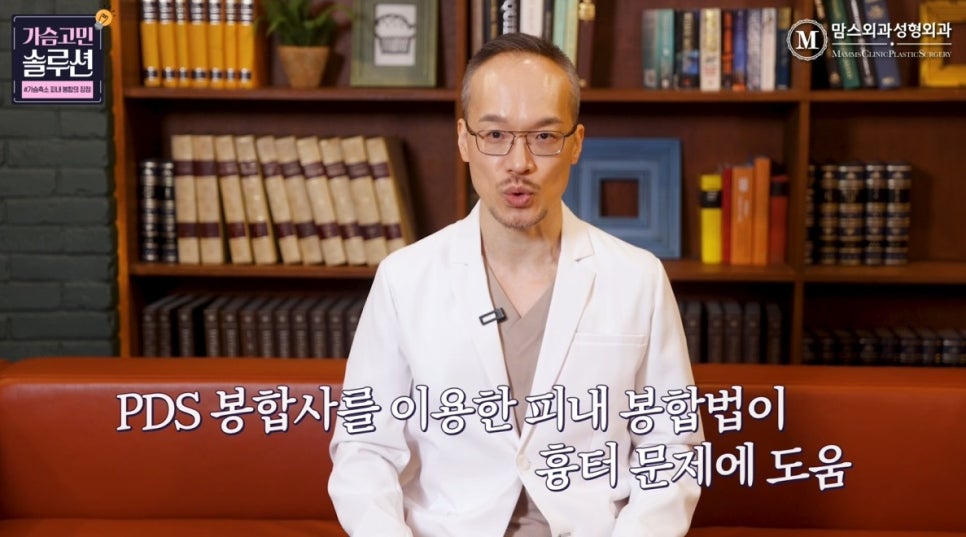
Although there are these drawbacks, using PSD sutures
can be very helpful for scars.
If you proceed while carefully checking these points,
you will be able to reduce worries about scarring.