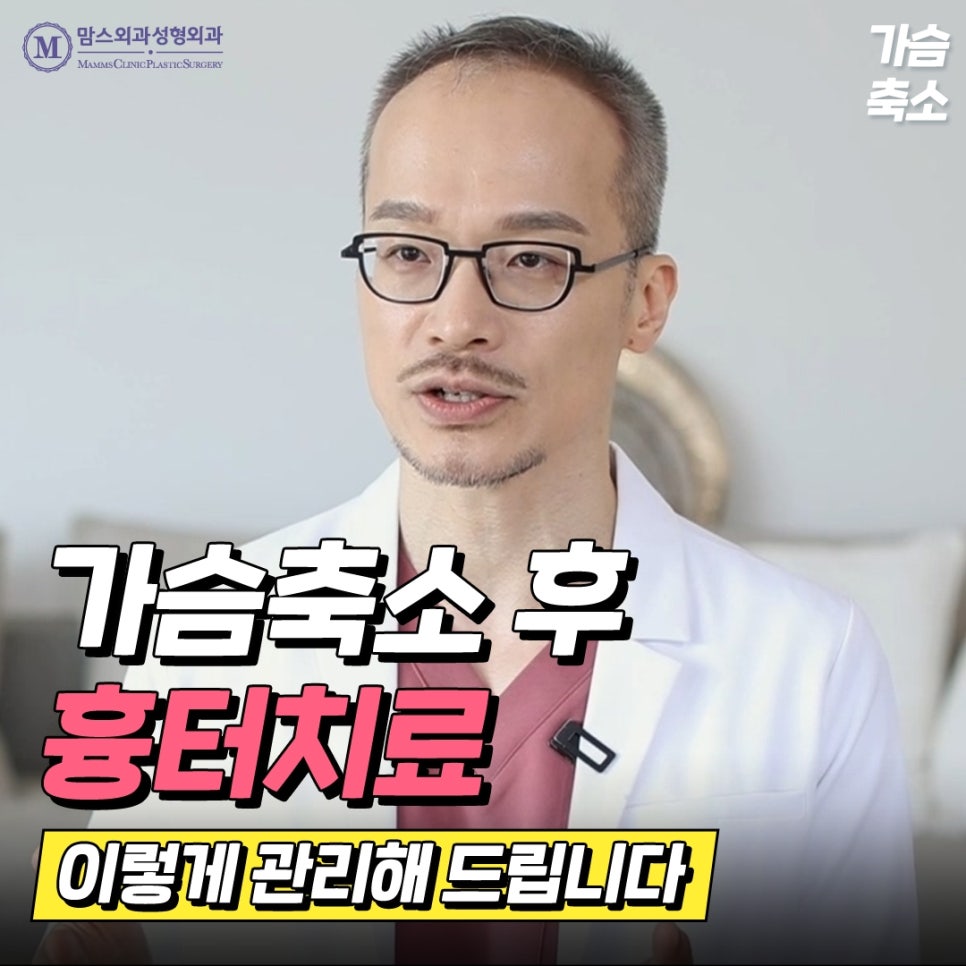
After breast reduction surgery,
the part that causes the most concern
is, above all else, the scar issue.
Reduction surgery
can give you smaller, more attractive breasts,
but at the same time it also
leaves unwanted scars.
Because of that, when choosing
breast reduction surgery,
the scar issue is probably the part
people worry about the most.
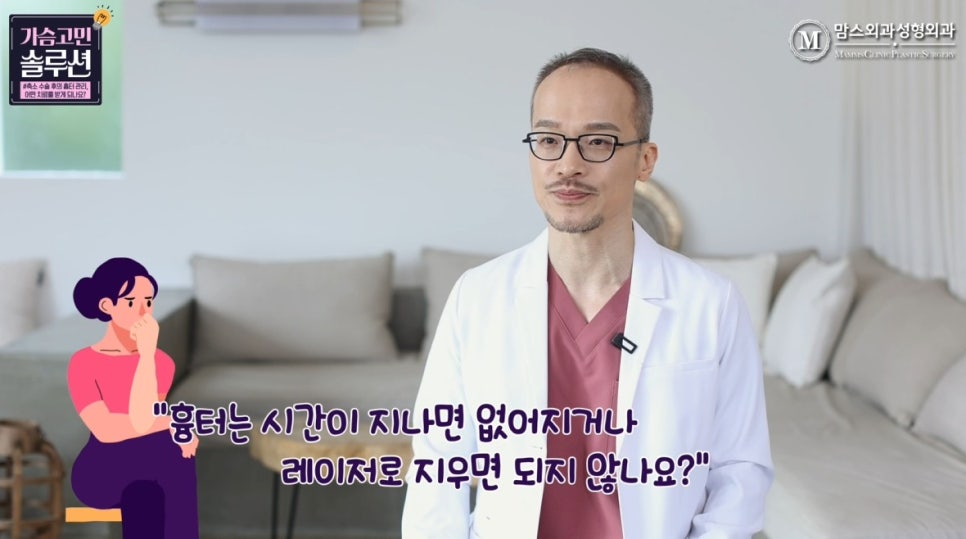
People often think that scars
will disappear over time
or that it is enough to erase them with a laser.
To put it simply,
there is no way to erase scars in the world.
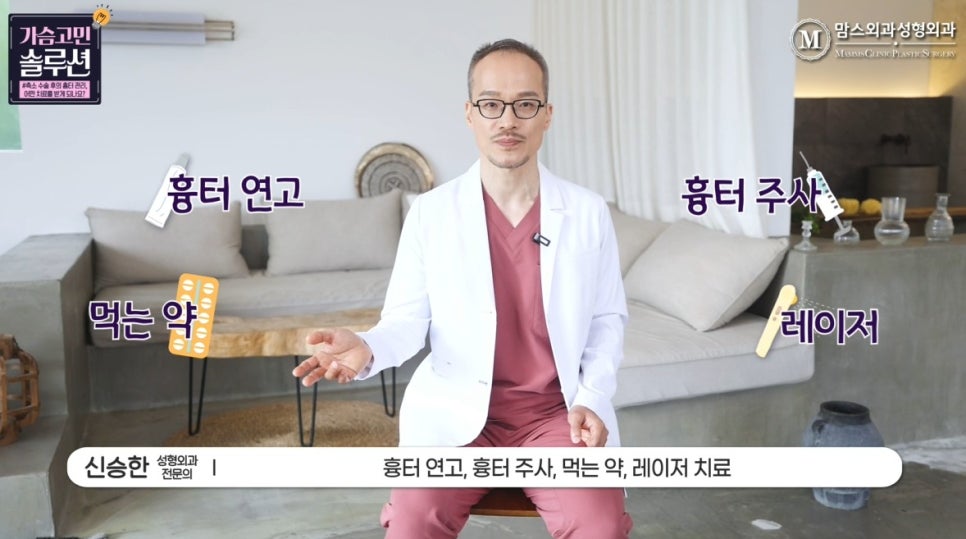
Scar ointments
Scar injections
Oral medication
Laser treatment
The fact that there are so many
different ways to treat scars
means that none of them is a perfect solution.

If there were a way
to completely remove scars,
then no one would have scars at all.
Since scars cannot be completely removed,
the key point of reduction surgery
is to begin with making the scar
as short and as inconspicuous as possible.
To reduce scarring, delicate suturing is important first.
But even with careful stitching,
scars will still remain,
so after surgery you also need
to make efforts to reduce them
in various ways.
Then let me explain
how scars should be managed
after reduction surgery.
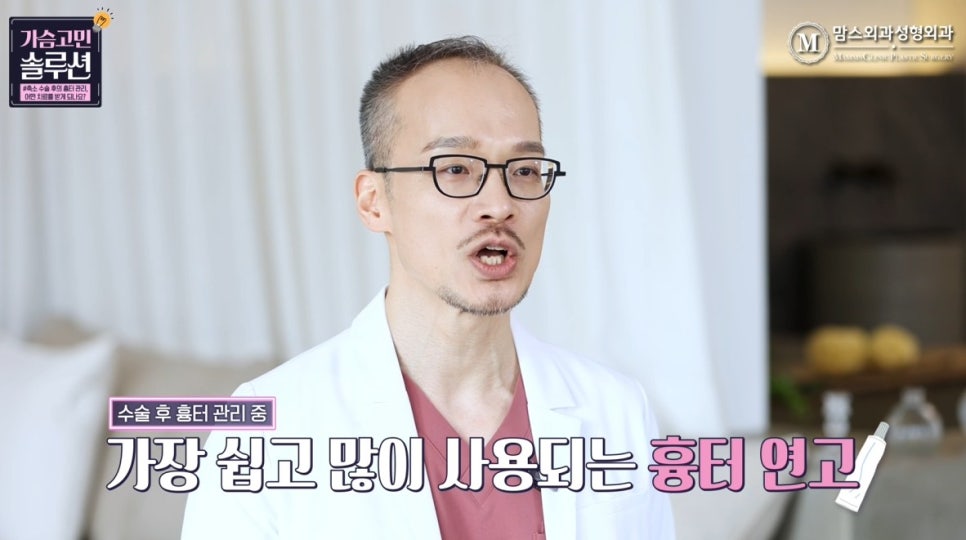
In postoperative scar care,
the easiest and most commonly used method
is scar ointment.
This may be because it is convenient,
but in actual use,
many people seem to confuse wound ointment
with scar ointment.
To understand this, first we need
to distinguish between wounds and scars.
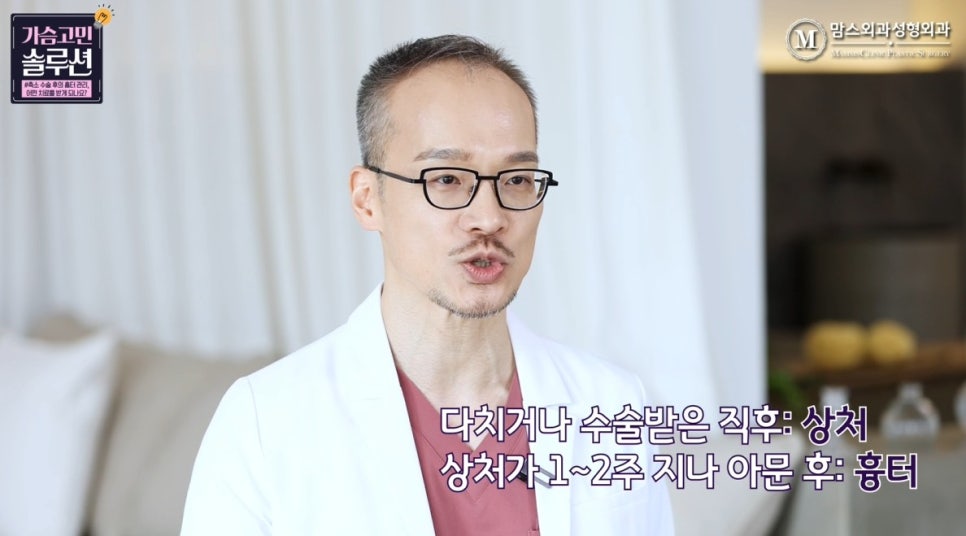
State immediately after an injury or surgery = wound
State after the wound has healed in 1 to 2 weeks = scar
That is how we can describe it.
The Fusidin or Madecassol that many people know
are wound ointments,
not scar ointments.
Applying ointment to an early wound to prevent infection
means that less scarring may remain,
but once the wound has healed,
it does not help reduce scars.
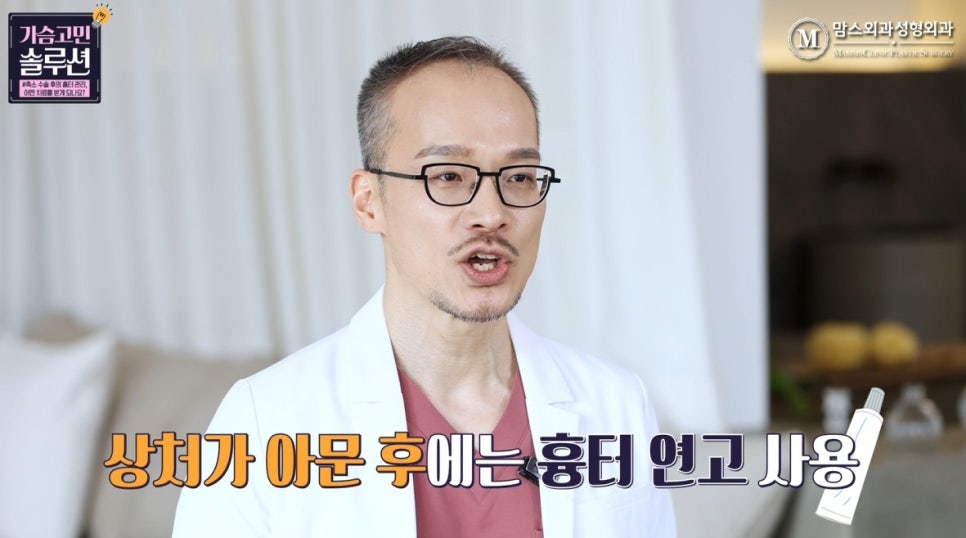
So after the wound has healed,
you should use scar ointment,
not wound ointment.
Scar ointments are broadly divided into
two types.
Absorption-type ointment: absorbs into the skin to help prevent excessive scar growth
Coating-type ointment: applies silicone gel to the scar to maintain moisture and improve the scar
In addition,
Silicone sheet: not an ointment, but a sheet that can be attached to and removed from the scar
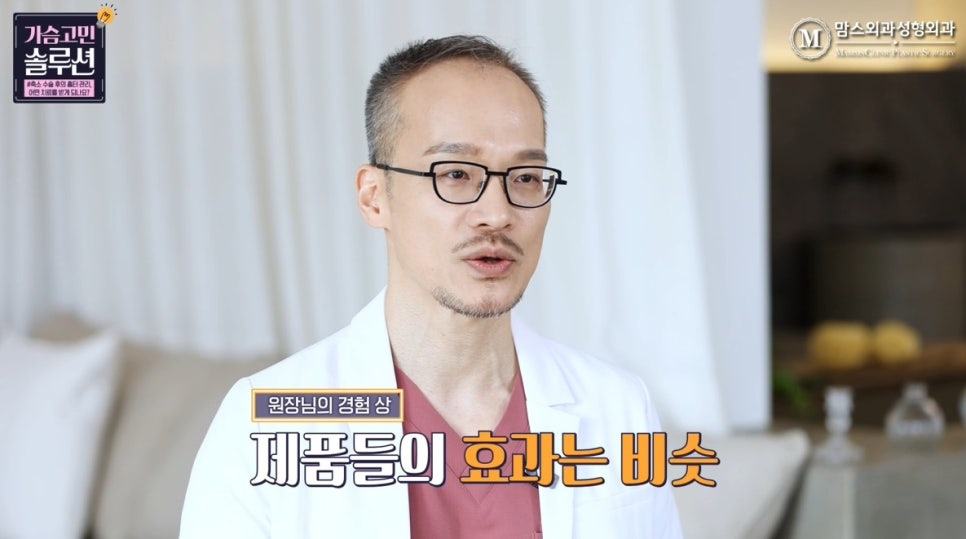
Each company says its own product is good,
and some papers say that using two types together
is more effective, but from experience
the effects of the products seem similar.
These scar ointments are generally recommended
to be used 2 to 3 times a day,
for anywhere from 6 months to 1 year.
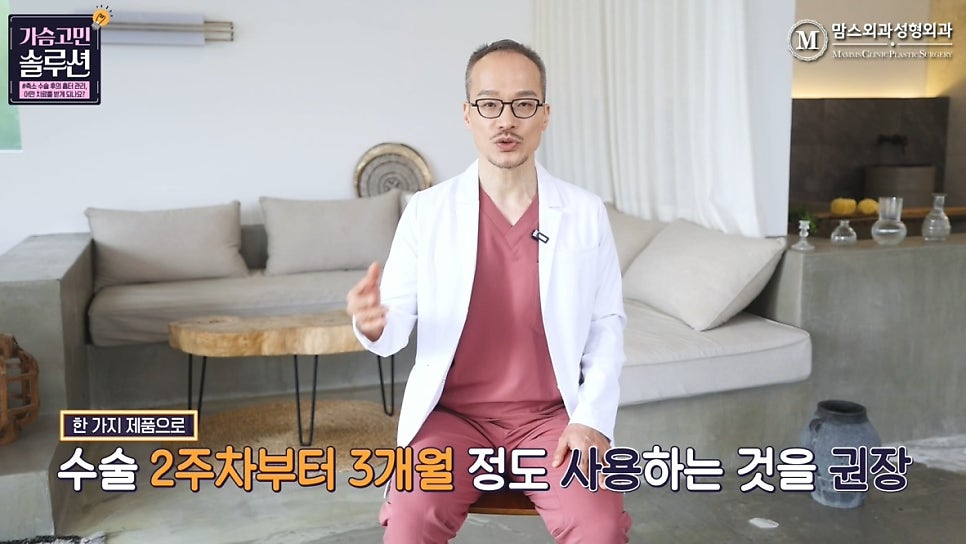
Personally, I think the objective evidence
is rather weak,
so I recommend using just one product
starting from 2 weeks after surgery
for about 3 months.
After surgery, you can manage the scar yourself at home
by applying scar ointment,
but you will also visit the hospital at regular intervals
for laser treatment.
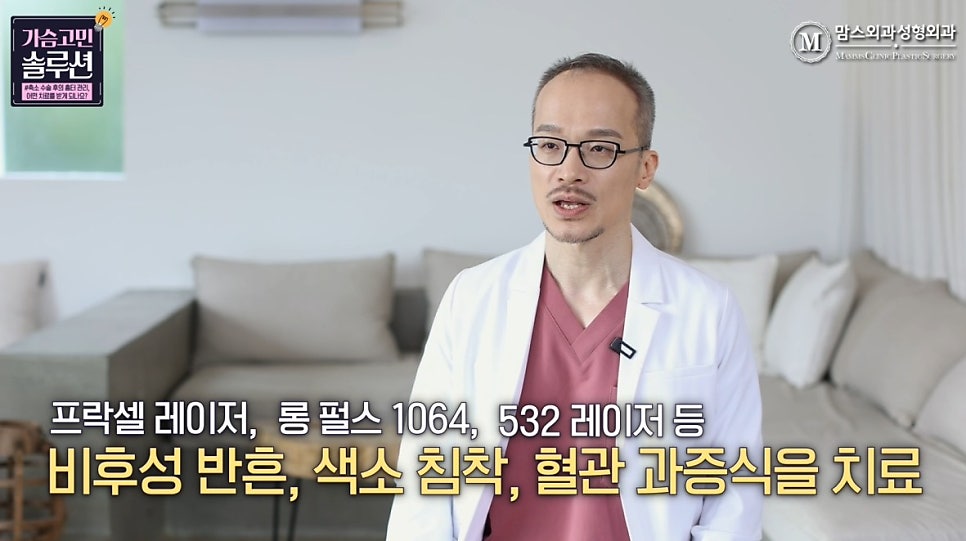
As many people imagine, laser treatment
is not simply about shaving off the scar.
Depending on the scar's maturation process and condition,
we use various devices such as
Fraxel laser,
long-pulse 1064,
532 laser, and others
to treat hypertrophic scars,
pigmentation, and excessive blood vessel growth
as appropriate to the situation.
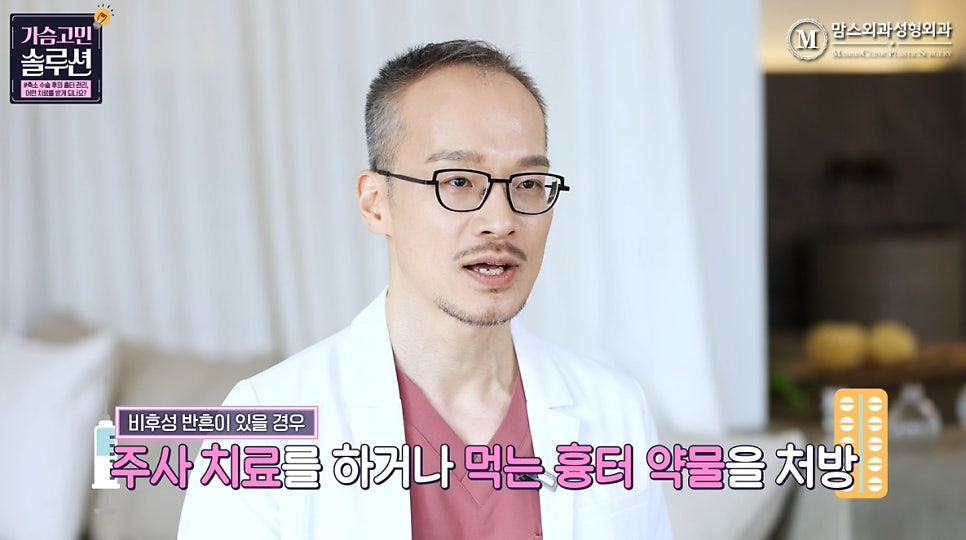
Even after going through postoperative laser treatment,
hypertrophic scars can still remain.
In such cases, injection treatment
or oral scar medication may be prescribed.
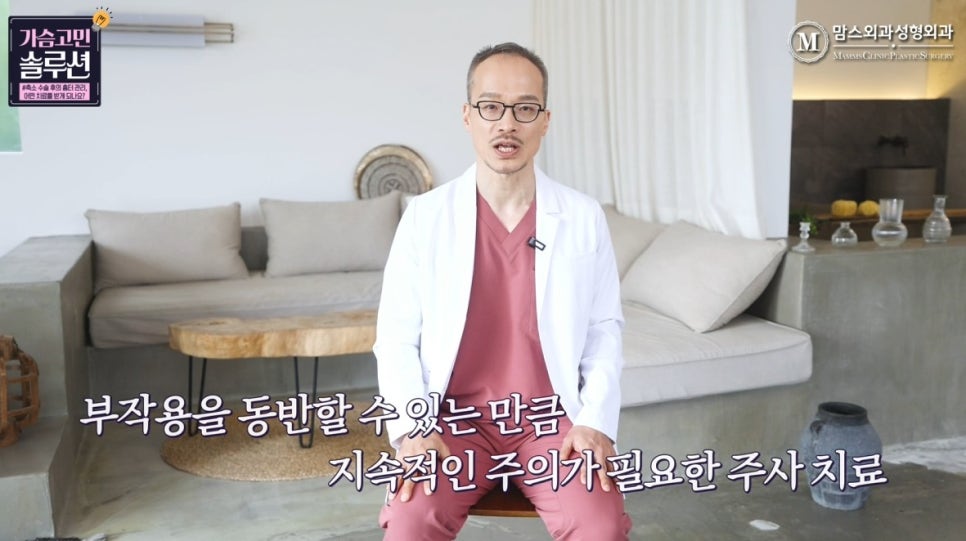
There are two main drugs used for injections.
Triamcinolone: suppresses excessive fibroblast proliferation and causes tissue atrophy
5-FU: directly destroys scar cells
Because side effects can occur,
careful ongoing monitoring is necessary.
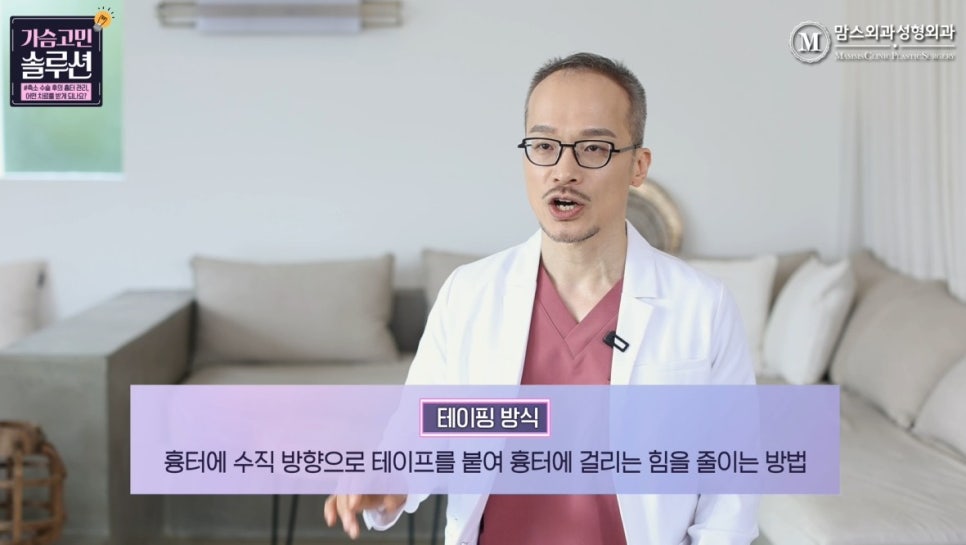
In addition, there is also a method
of continuously taping the wound area.
This involves cutting tape and applying it
across the vertical direction of the scar
to reduce the force placed on the scar.
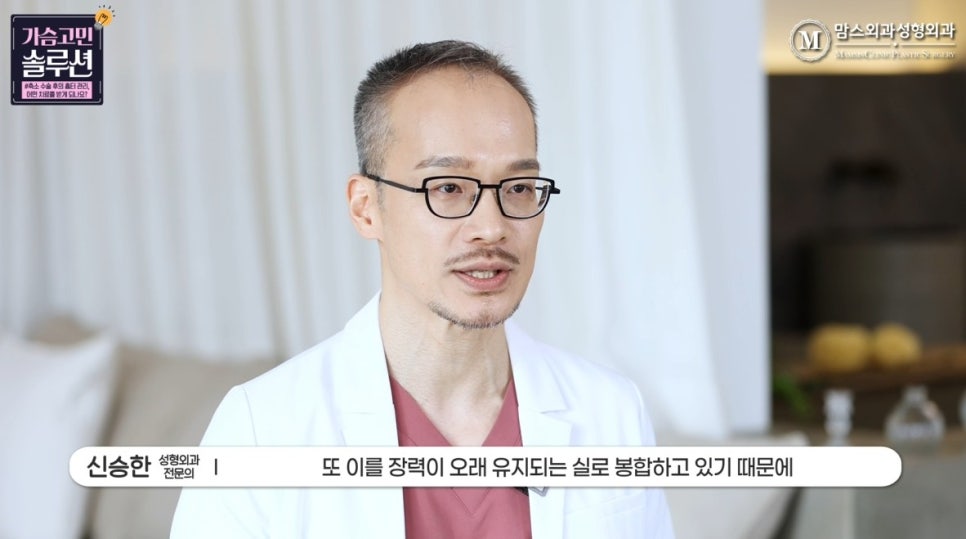
Personally, rather than skin suturing,
I perform dermal suturing,
and because I use sutures that maintain tension for a long time,
I think taping is an unnecessary measure.
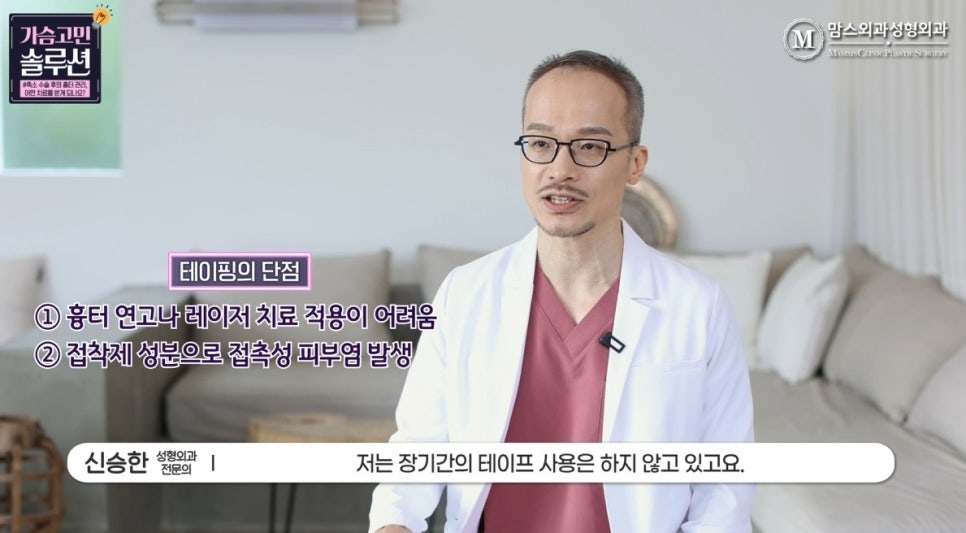
Of course, there may be others
who have different opinions,
but while tape is being worn,
it is difficult to actively use methods such as
scar ointments or laser treatment,
and the adhesive in the tape can also
cause contact dermatitis,
so I do not recommend long-term tape use.
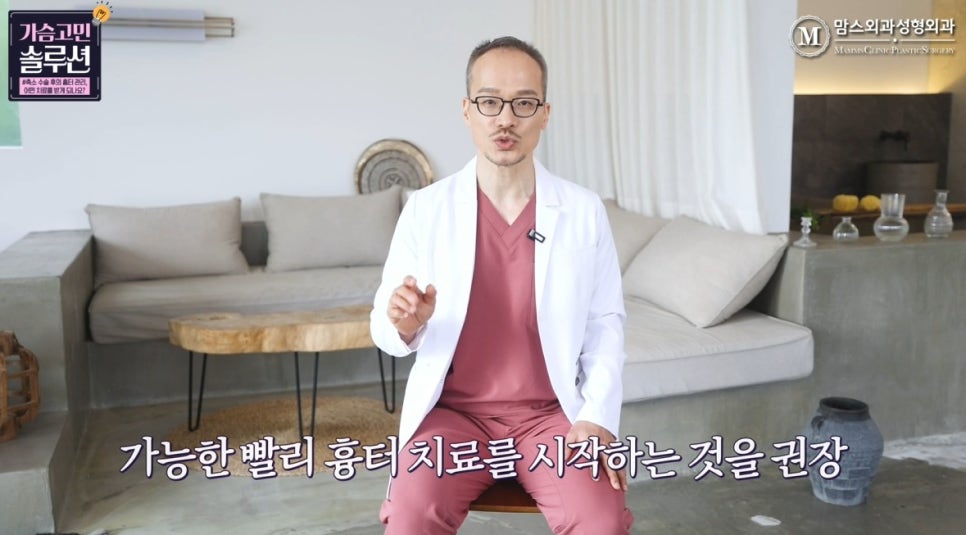
It is good to remember
that scar treatment should be started
as early as possible.
I hope this has helped answer your questions
about scar management after breast reduction surgery.
Scarring after surgery is an unavoidable issue,
but it is not something that must simply be given up on.
If you actively manage and treat scars after surgery,
I believe there is definitely room
for some degree of improvement.