"If accessory breast surgery is performed, can the glandular tissue be removed 100%?"
To answer the question,
almost all of it can be removed,
but complete 100% removal is difficult.
I’ll explain why step by step.
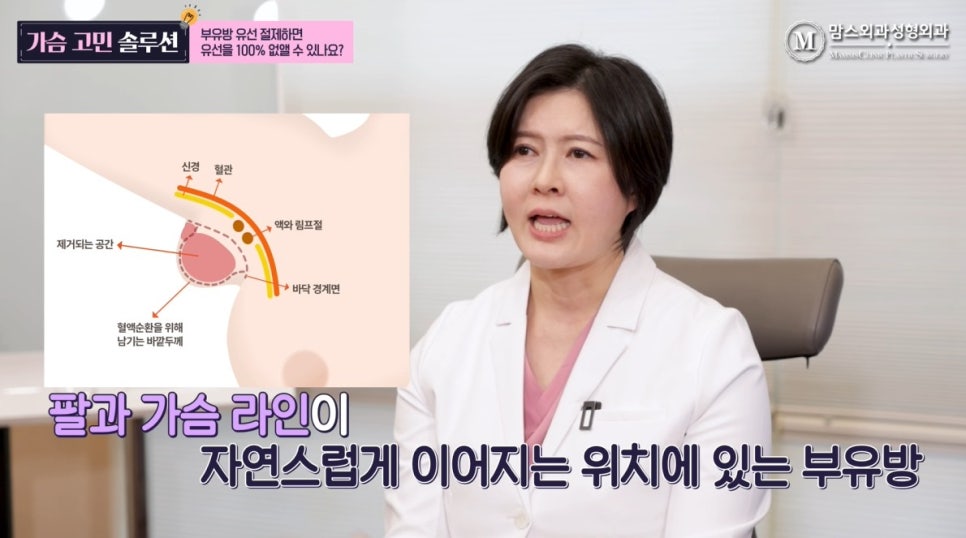
The accessory breast is located in the area
where the arm and chest line
flow together naturally.
Because of that, a certain thickness
of skin needs to remain.
If the skin is left too thin,
that can damage the skin.
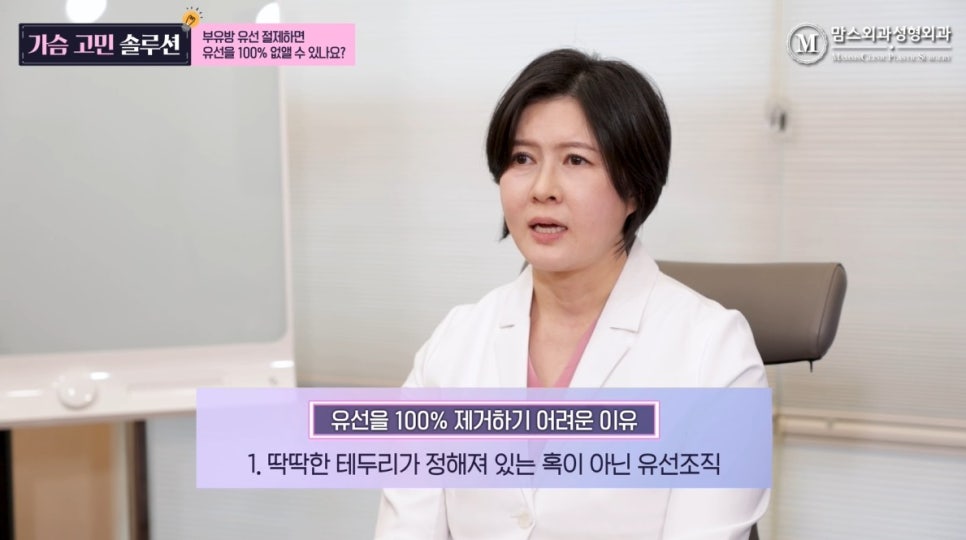
Why is it difficult to remove 100% of the gland?
Glandular tissue is not something
with a clearly defined hard border,
like a lump.
The area between the inner axillary folds
is where the root of the gland begins.
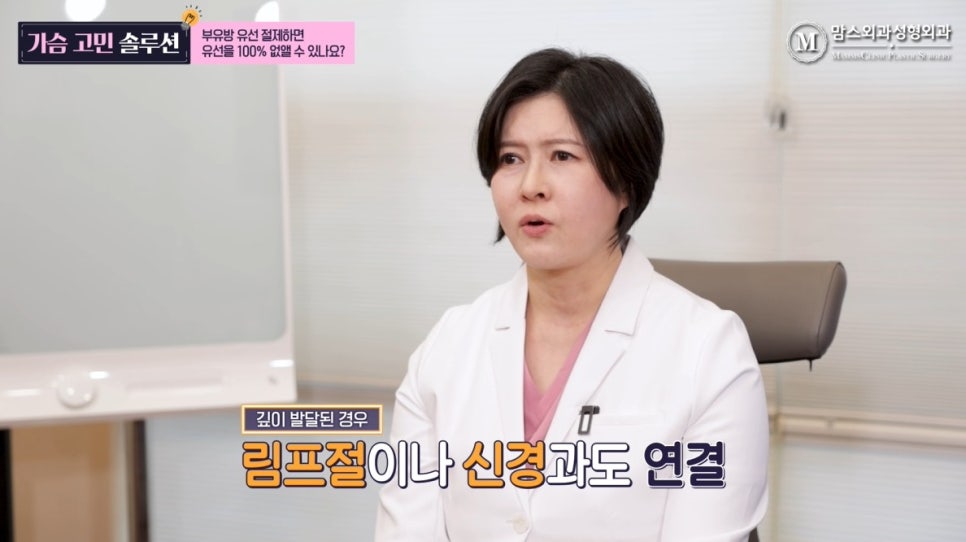
If this develops deeper and deeper,
it may also be connected to
lymph nodes or nerves.
If all of the glandular tissue
attached to the skin is removed,
skin necrosis
sinking
indentation
and other side effects can occur.
So during surgery, within a safe range,
we leave the skin as thin as possible
and remove as much of the gland as possible.
Of course, even then, some tissue attached to the skin
may remain a little.
It is adjusted so that
it does not cause functional or cosmetic problems.
Can accessory breast surgery recur?
If almost all of it has been removed,
the likelihood of recurrence is low.
However, some fat cells may remain.
Depending on hormonal changes or weight gain,
it may appear a little more prominent.
So even after surgery,
weight management and awareness of
hormonal changes are necessary.
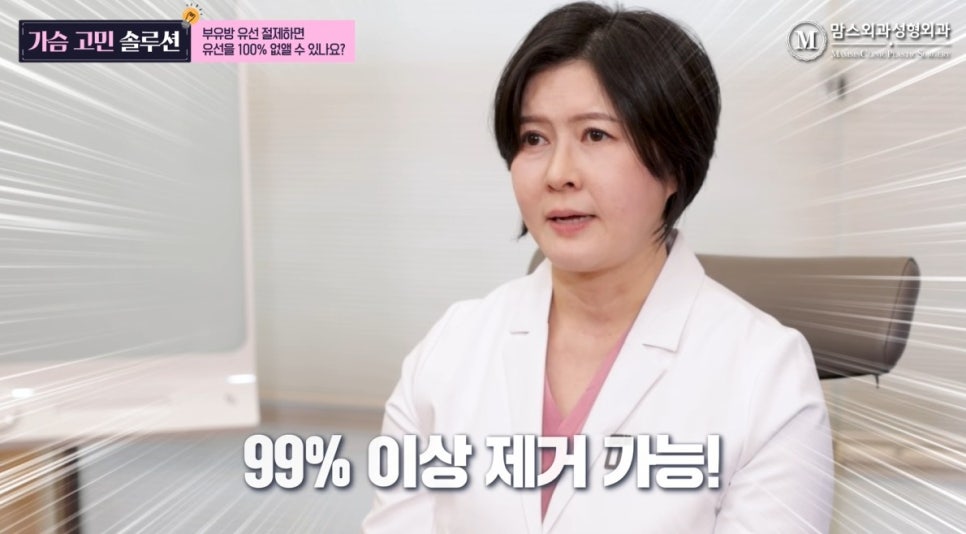
Options depending on the extent of gland removal
If the surgery is planned to remove the area,
including the starting point of the gland root,
through skin excision,
more than 99% removal is possible!
"But the scar may remain more noticeably as a result."
Accessory breast surgery needs to be
carefully diagnosed and designed
in a personalized way
for the results to be highly complete.
And
safe
natural
with a low chance of recurrence
surgery is truly important.
Please keep that in mind.