Hello!
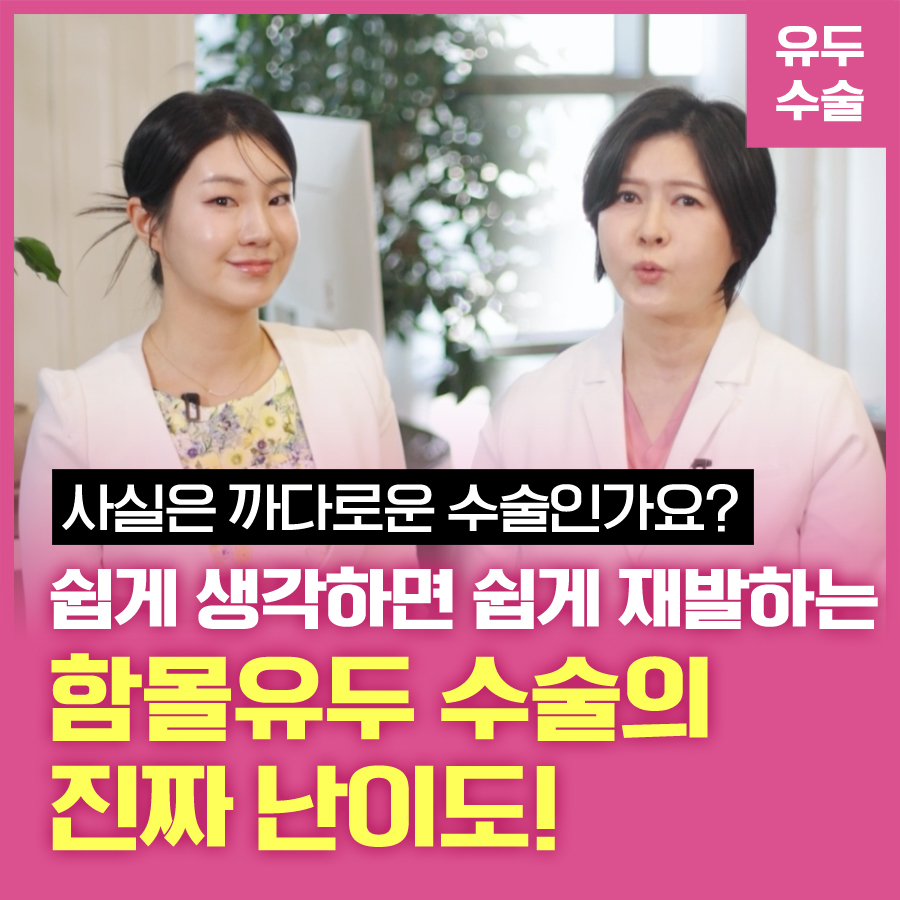
Today, we’ll take some time to look into
“the real difficulty of inverted nipple surgery.”
“Is inverted nipple surgery, which seems like a simple procedure,
actually a complicated one?”
In reality, inverted nipple surgery
requires a great deal of delicacy and caution.
In many cases, the nipple itself has not grown well from the start,
and there are often cases where there is not enough skin, either.
In particular, the fibrous tissue beneath the nipple
is tightly pulling it inward,
so the usable tissue is limited,
while there is often a lot that needs to be released.

Especially, many people with severe inversion
come in to have surgery.
So this is another part that makes it difficult.
Because the surgery is done under local anesthesia
and finishes within 30 minutes to 1 hour,
it may feel like a simple procedure.
However, the important thing is
how it is released.
It needs to be performed in a structure that maintains an appropriate nipple size and shape without recurrence,
and in unmarried patients, it should also be designed with breastfeeding function in mind.
So the milder the case,
the better the result you can expect.
Why more severe inversion makes surgery more complicated
If the inversion is severe,
the surgical method naturally becomes more complex.
Only when this is sufficiently released
can the nipple come out properly.
If it is released too much, the milk ducts can be damaged;
if the approach is too conservative, the inversion can recur,
so finding the middle ground is important in surgery.
What are the more specific reasons?
It is because the goal is not simply to make the appearance look better,
but to consider function as well.
In particular, if you are thinking about breastfeeding after childbirth,
preserving the milk ducts is an essential factor.
However, to sufficiently correct the nipple while preserving the milk ducts,
the skin condition and tissue conditions
need to be at a certain level.
In addition, if the fibrous tissue is not properly released,
there are cases where it sinks back in over time.
If we compare it with other surgical methods,
double eyelid surgery is a representative example.
Among the two common methods, the incision method and the non-incision method,
the non-incision method is said to be more likely to come undone.
The non-incision method for inverted nipple surgery
also has the advantage of being finished simply without an incision,
but because the tissue is not deeply addressed,
the inversion may recur over time.
On the other hand, the incision method has a lower chance of recurrence.
However, if the surgeon lacks experience,
the nipple shape may not come out naturally,
or if the approach is too cautious,
the effect may be weak.

Which surgical method is better?
The answer is
"It depends on the patient’s condition!"
For mild cases, the non-incision method can be sufficient,
and for severe cases, the incision method that releases the fibrous tissue while preserving the milk ducts is recommended.
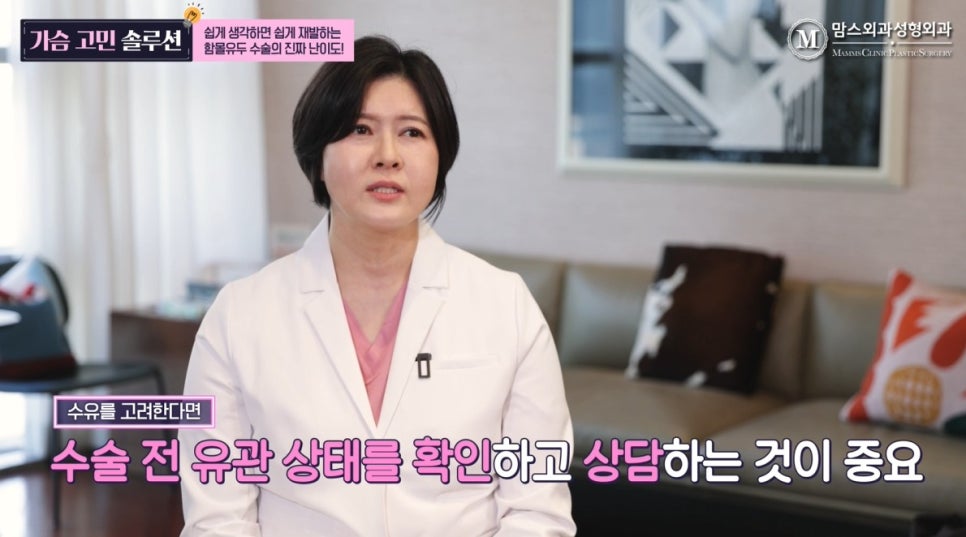
Especially if you are considering breastfeeding,
it is important to check the condition of the milk ducts before surgery
and have a consultation.
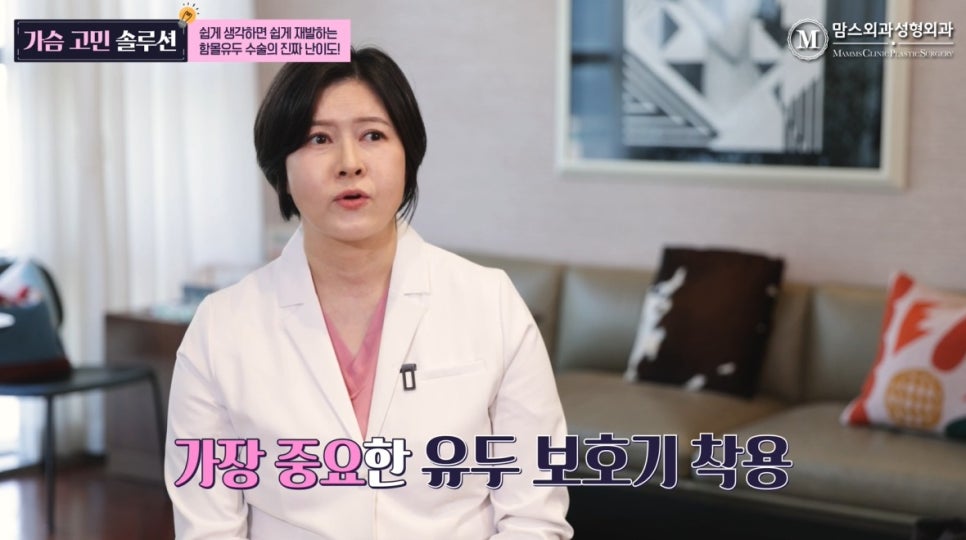
What care is needed after inverted nipple surgery?
The important thing is to wear a nipple protector.
A specially made protector will be provided,
and it should be worn properly for at least 6 weeks.
Even if the shape is set well at first,
time is needed before it fully settles in.
Aftercare is just as important as the surgery itself,
so if you take good care of it, the results will be much more stable and satisfying.
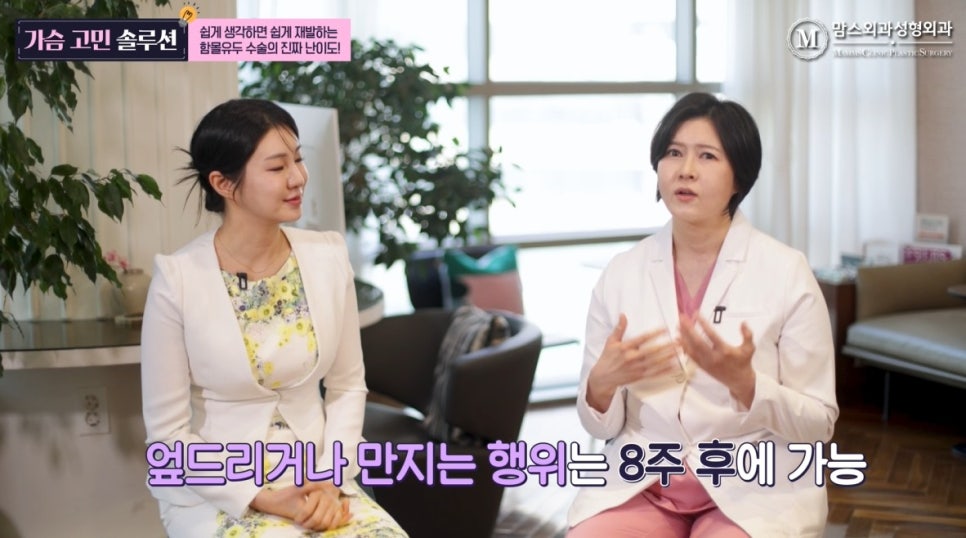
Also, you should avoid lying face down or putting pressure on the area for a while.
It is best to avoid lying face down or touching it for about 8 weeks.
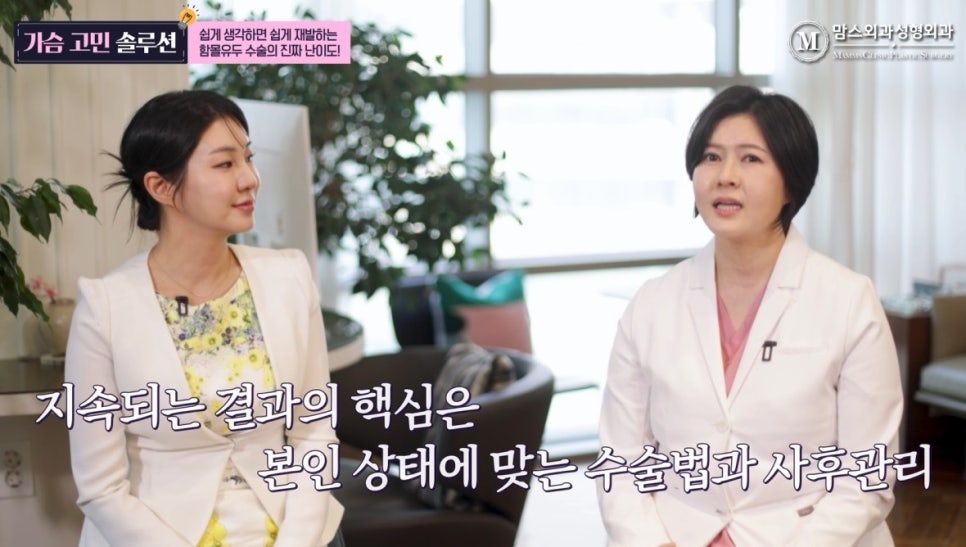
Surgical skill is important, of course,
but understanding your own condition,
choosing the right surgery for it,
and responsibly managing the recovery process!
These are the key factors that ultimately lead to long-lasting results.
So I want to emphasize this.
It is best to have a thorough consultation and set the direction with an experienced medical team first.
If you have questions after hearing today’s discussion,
please feel free to ask anytime.