When considering surgeries that require skin excision, such as breast reduction, breast lift, or abdominoplasty,
the biggest concern is often the “scar.”
“Will the scar really disappear cleanly if I buy expensive scar cream or tape and apply it diligently?”
For those who have wondered about this,
we have organized the true essentials of scar care and
scar-management insights from the perspective of a board-certified plastic surgeon!
The “quality” of a scar matters more than its “length”
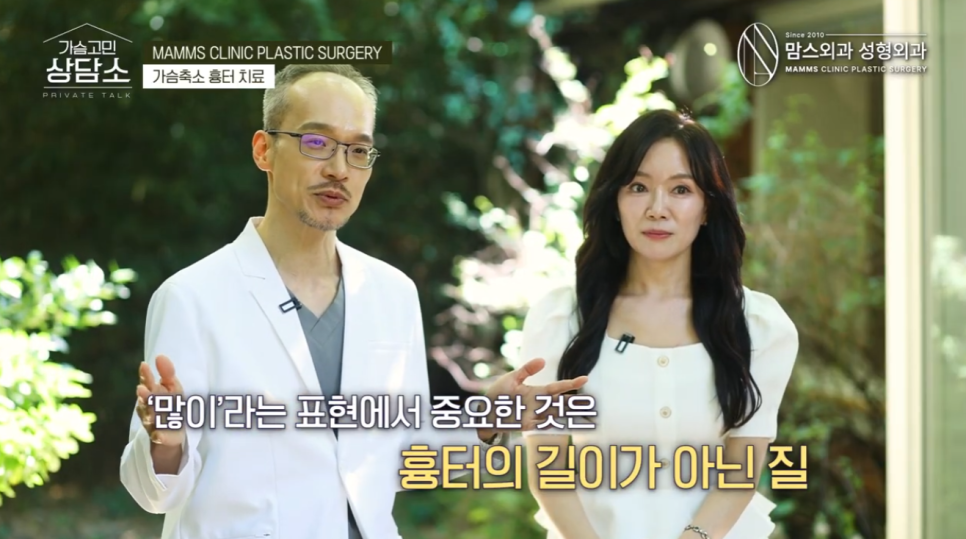
Because these procedures involve removing and suturing the skin,
a scar will remain.
However, a scar is not necessarily noticeable
just because it is long.
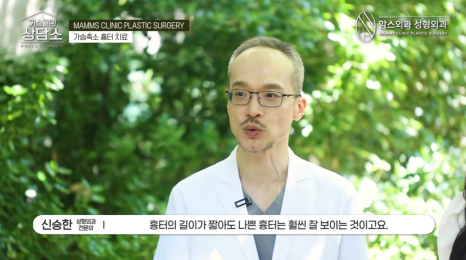
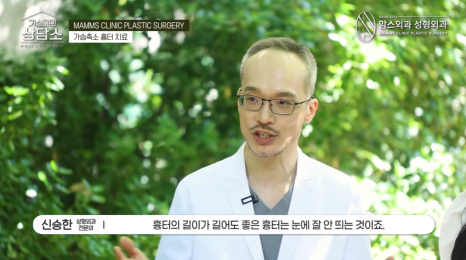
A short scar with inadequate care or suturing
➡️ Easily noticeable
A long scar that has been sutured delicately and cared for properly
➡️ Less noticeable
The key is not the length of the scar,
but how precisely it is sutured and systematically managed
to develop into a “good scar.”
Why you should not blindly trust over-the-counter scar creams
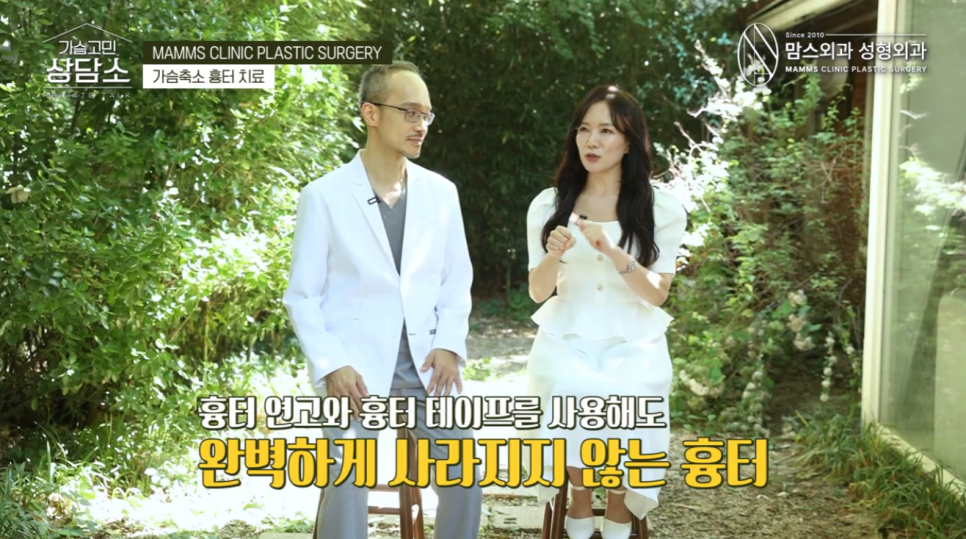
Have you ever paid a high price at a pharmacy after surgery
for scar cream or silicone sheets?
Many scar-care products distributed on the market
are over-the-counter medicines that can be purchased without a prescription.
This means that they are safe, with a low risk of side effects,
but it also means that their role is primarily supportive,
centered on moisturizing rather than providing a dramatic treatment effect
that changes the skin.
There are limitations to completely removing a scar with cream alone.
The key surgical technique for minimizing scars: “internal suturing”
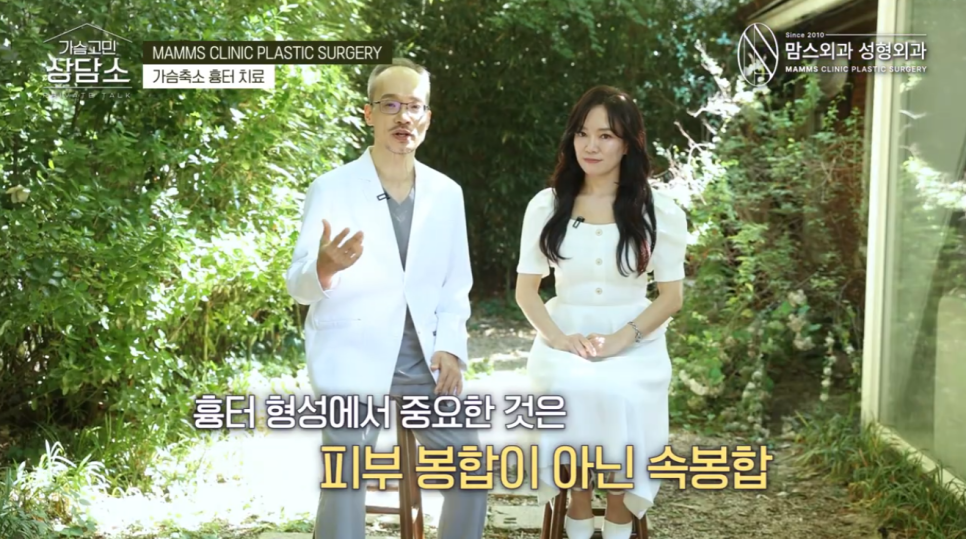
The greatest cause of keloids and hypertrophic scars,
which become widened or raised,
is the force that pulls on the skin (tension).
If the skin is forcibly pulled together and sutured only at the surface,
the skin receives the full tension,
making it easier for the scar to become unsightly.
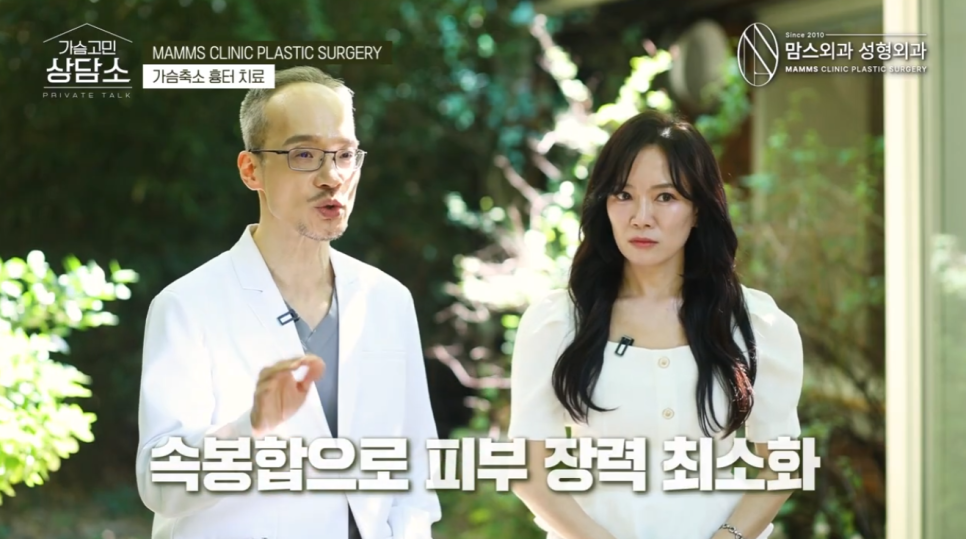
✔ The importance of internal suturing
This involves first firmly bringing together and suturing the mammary gland tissue and
subcutaneous tissue beneath the skin, rather than suturing only the outer surface.
✔ Distributing tension
When the tissue is secured from within first,
the tension placed on the epidermis is minimized,
allowing the scar to settle thinly and neatly.
Because internal suturing of the mammary gland tissue requires extensive experience and expertise,
how thoroughly the internal suturing is performed during surgery can determine the outcome of the scar.
Scar care requires “early treatment” and “dedication”
Even after a wound has healed,
a scar changes in appearance as it undergoes a long maturation process.
In particular, surgical scars that inevitably run against the direction of the skin’s natural lines
are more effectively managed with early professional treatment than with self-care alone.
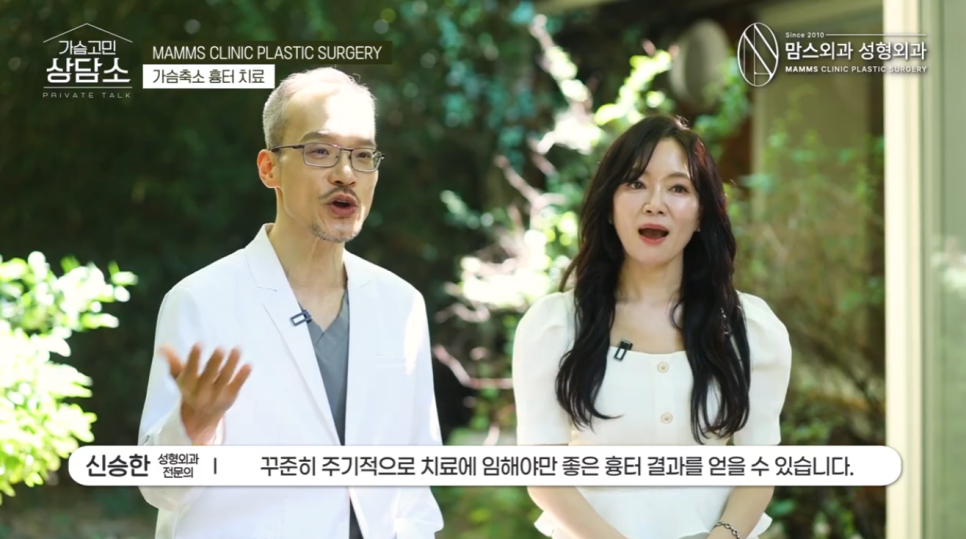
✔ Personalized aftercare
Laser treatment or injection treatment
should be combined as appropriate according to the stage of scar formation.
✔ Consistent care
Because this does not end within a short period,
long-term, dedicated care together with qualified medical professionals
is needed to achieve a faint and natural-looking result.
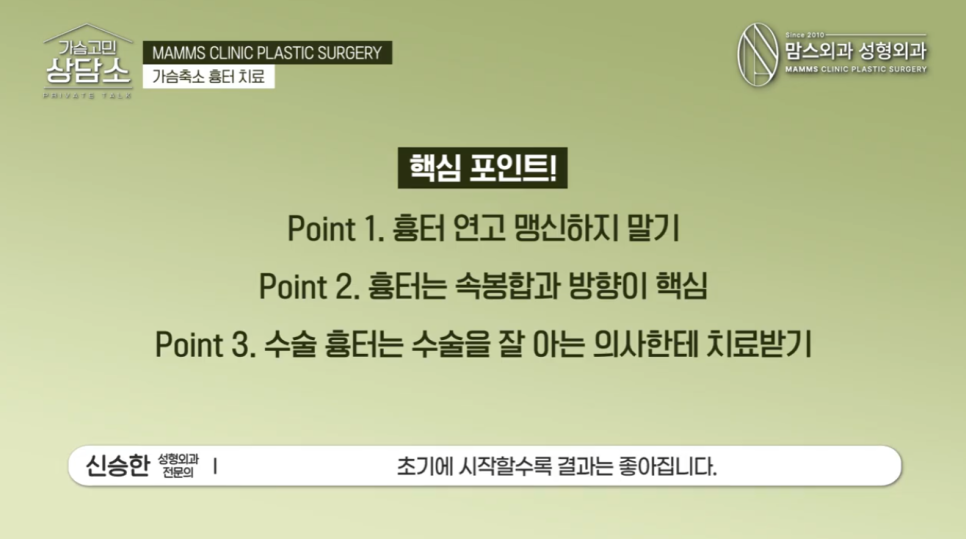
Scars following breast reduction surgery
are an unavoidable part of the surgical process,
but with an appropriate surgical method and systematic aftercare,
they can be sufficiently developed into faint, good-quality scars.
If you are considering surgery, choosing an experienced specialist
who properly understands and manages “internal suturing” and skin tension
is a wise first step.
If you have already had surgery, rather than trying to resolve the issue with cream alone in the short term,
we recommend consistently caring for the scar through a long-term laser and injection treatment program
together with qualified medical professionals.
Because the scar is the result of successfully completing a difficult surgical process,
we hope that by continuing careful and thorough care,
you can fully enjoy a confident, carefree daily life without worrying about scars.