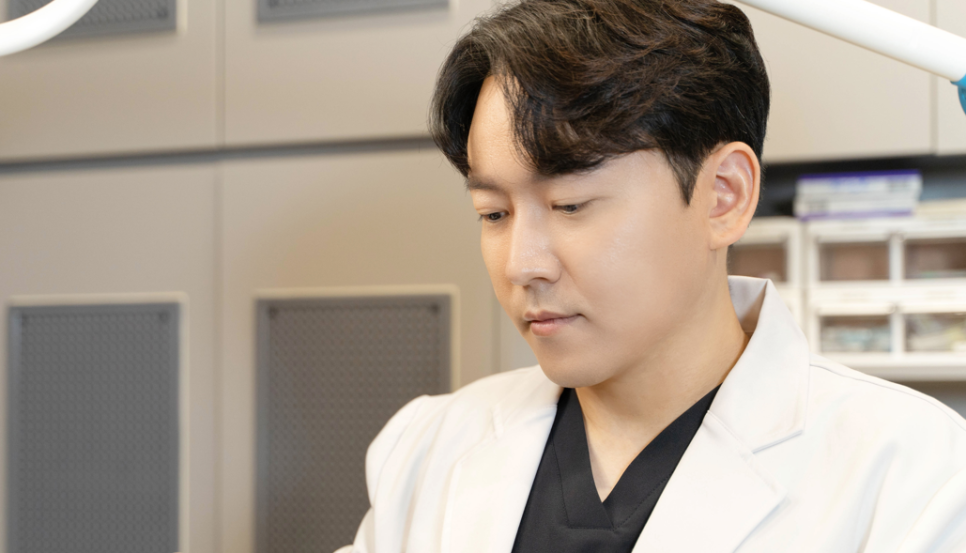
Hello.
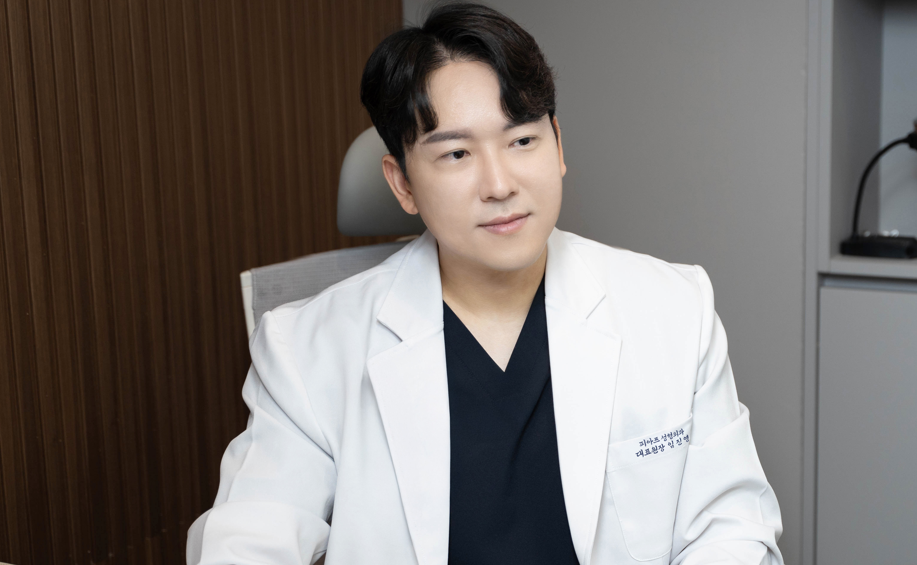
I’m Lim Jin-young, the chief doctor at
Piape Clinic.
"I’m worried about pain, and I’m also anxious about recovery.
Please recommend a hospital for
under-eye fat repositioning that I can trust."
These days, online,
I see posts about these concerns
a lot.
It’s understandable.
A surgery that involves working on fat
in such a sensitive area as the eyes...
Just hearing about it can make you feel
uncomfortable.
On top of that, how long recovery will take,
when daily life will be possible again,
and most of all, whether under-eye fat repositioning pain
will last a long time.
For people encountering it for the first time,
everything from start to finish can feel unfamiliar
and frightening.
So today, I’d like to take those vague
questions and explain them one by one
in an easy-to-understand way.
So you can prepare for surgery with a slightly
lighter 마음.^^

How much pain
is there really?
Under-eye fat repositioning pain
can of course be a concern.
But.
More people than you might think
say this after surgery:
"This is manageable."
"I was just a little uncomfortable for the first two days,
and now I only have some bruising."
It may sound like simple reassurance,
but in fact, these comments
have quite a bit of basis.
Under-eye fat repositioning is actually
considered a surgery with relatively little pain.
Why is that?
First, the approach
is different.
In most cases, it is performed by accessing
the area through the inside of the eye,
via the conjunctiva.
What is the conjunctiva?
Simply put, it’s the thin pink mucous membrane
you can see when you pull the eye downward.
The surgery makes a small incision in that
conjunctiva to reposition the fat inside.
In other words, because the skin itself is not
directly handled, there is less concern about scars,
and the incision area is much smaller.
A smaller incision means less tissue damage
and less nerve stimulation.
Pain is ultimately what you feel when nerves are
stimulated or an inflammatory response occurs, right?
But this surgery minimizes tissue dissection,
and there is less bleeding and inflammation,
so there is less pain.
In addition, local anesthesia or
sedation is used during surgery, so you
hardly feel anything at that moment.
What patients actually feel as "pain"
after surgery is when the anesthesia wears off.
Even then, it is not a sharp, stabbing pain.
It is more like a heavy soreness
or a slight pulling sensation.
For example, it feels similar to the slight sensitivity
you might notice when gently pressing
a bruised area with your fingertip.
That discomfort is usually worst for about
2 to 3 days, and then it decreases rapidly.
Of course, people with higher pain sensitivity
or who are already run down may
feel it a little longer.
But cases where it feels "too hard to endure"
or "I can’t stand it even after taking medicine"
are truly rare.
However.
What actually tires patients out more often is
psychological anxiety rather than the pain itself.
Swelling and bruising naturally go down
as time passes...
But worries in your mind can actually
get bigger as time goes by.
"It feels like the swelling
isn’t going down at all."
"Could I need a revision surgery?"
"Why do the left and right sides
seem slightly different?"
If these concerns keep running through your head,
even when recovery is actually going well,
you can keep feeling anxious.
And it can affect daily life.
That’s why I don’t simply explain
under-eye fat repositioning pain.
I think it’s also important to explain the changes
you will experience during recovery,
and the importance of post-operative care.
So if you are considering surgery,
don’t just look for a hospital that is good at the procedure.
It’s better to choose a place like this.
A place that carefully takes care of you
through the recovery process
If you are reading this now,
you are probably thinking about things
like these.
"Will the surgery go well?"
"Could I end up regretting it?"
That’s probably why you searched for
"recommended hospital for under-eye fat repositioning"
and found this article.
If so,
please remember one thing.
Finding a hospital that performs the surgery well
is important, yes.
But it is even more important to know whether
they can be responsible for what comes after,
to the very end.
Under-eye fat repositioning is not just a technical
procedure that simply moves tissue.
What really matters is after the surgery.
How long the swelling will last,
how the bruising can be reduced quickly,
and how any left-right asymmetry,
if it occurs, can be corrected.
All of this depends on the recovery care
that begins right after surgery.
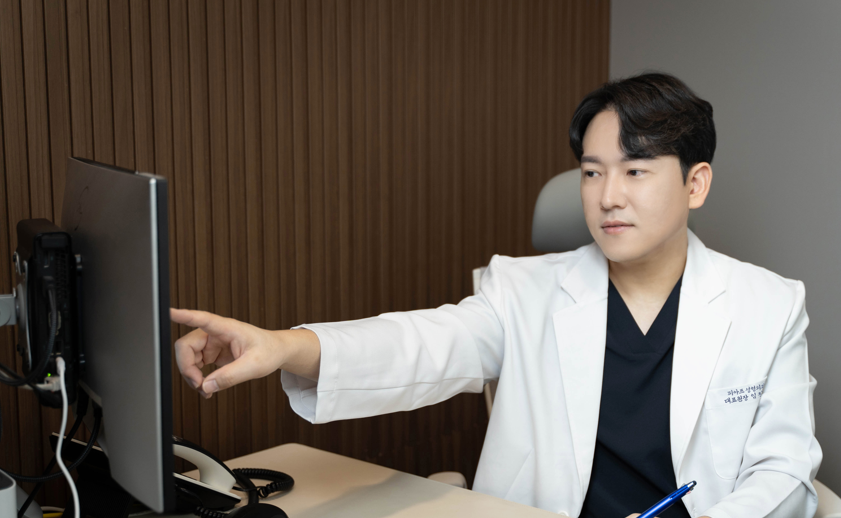
Let me give you an example.
After surgery, symptoms such as sensory changes
or conjunctival swelling can sometimes appear.
But these reactions are often temporary,
and if you receive proper treatment early,
they can usually be managed sufficiently.
In the end, what matters is whether the hospital
can respond immediately when a problem occurs.
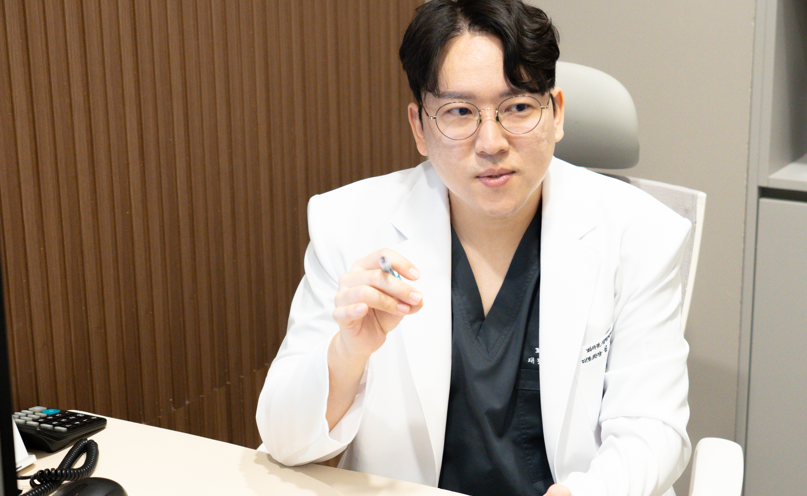
So rather than deciding based only on
an under-eye fat repositioning hospital recommendation
like "someone said this place is good,"
please visit the hospital in person
and get a consultation.
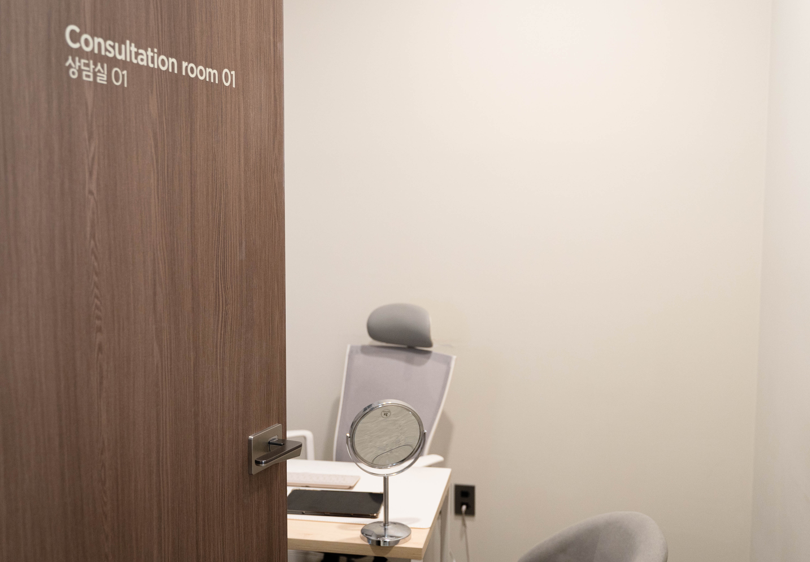
At that time, be sure to check how they guide
you through the recovery process as well.
For example, some hospitals check your progress
regularly from the day after surgery up to one month,
and provide customized care such as
bruise injections or regenerative laser treatment
when needed.
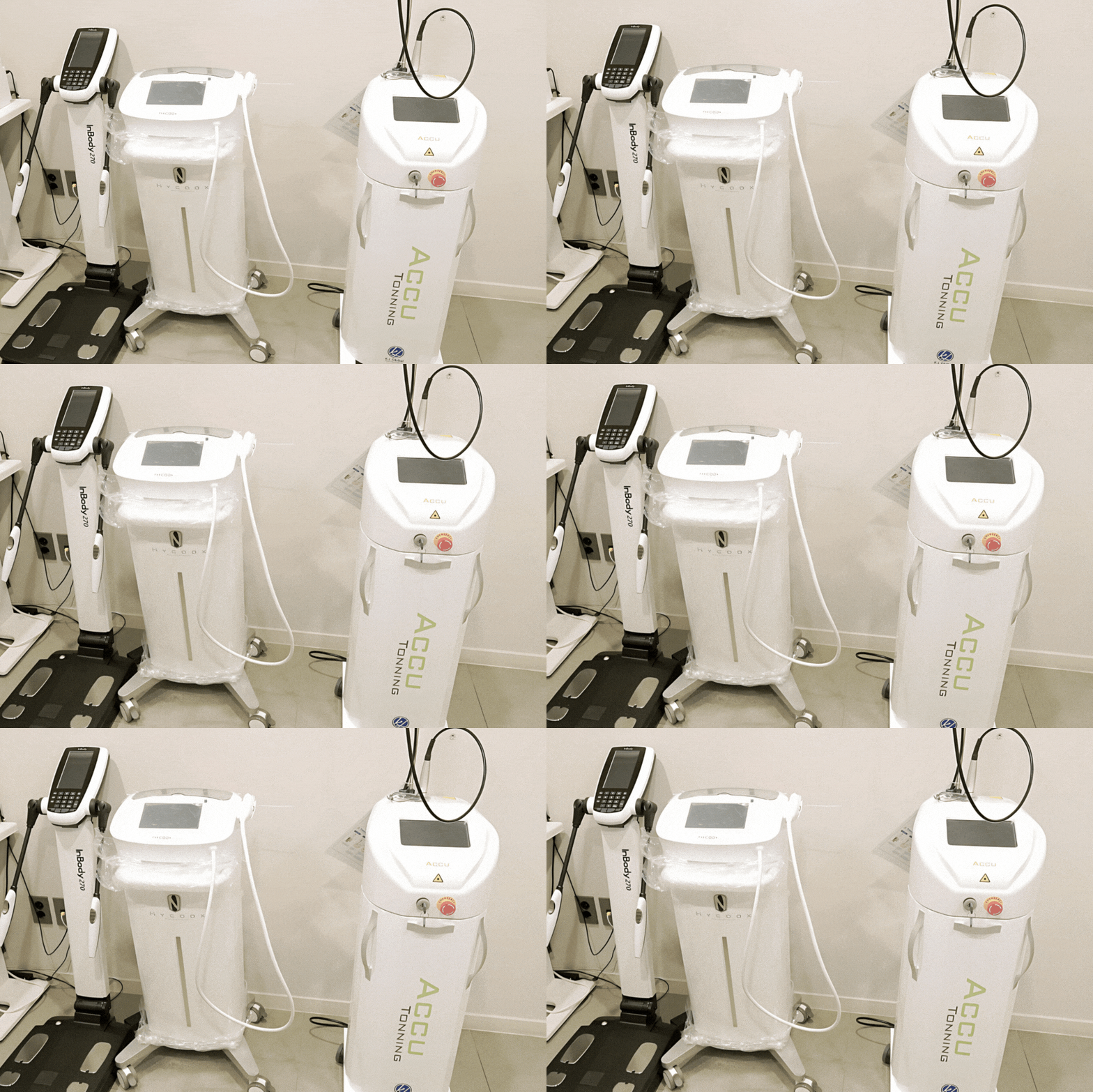
If swelling or a pulling sensation is severe,
they may also adjust massage or medication prescriptions.
Recovery speed and skin reactions differ
from person to person.
That is why, rather than a uniform approach,
you need individualized one-on-one care
in order to be satisfied.
So if you are currently considering this surgery?
Don’t judge based only on fragmentary information
like "I heard under-eye fat repositioning pain
is not that bad."
Please remember to look for a
recommended hospital for under-eye fat repositioning
that carefully takes care of your recovery as well.

Today, I talked about how much
under-eye fat repositioning pain there is,
and about post-operative care, which is
more important than simply finding a recommended hospital.
I hope you take enough time to think it over
and make a wise decision.
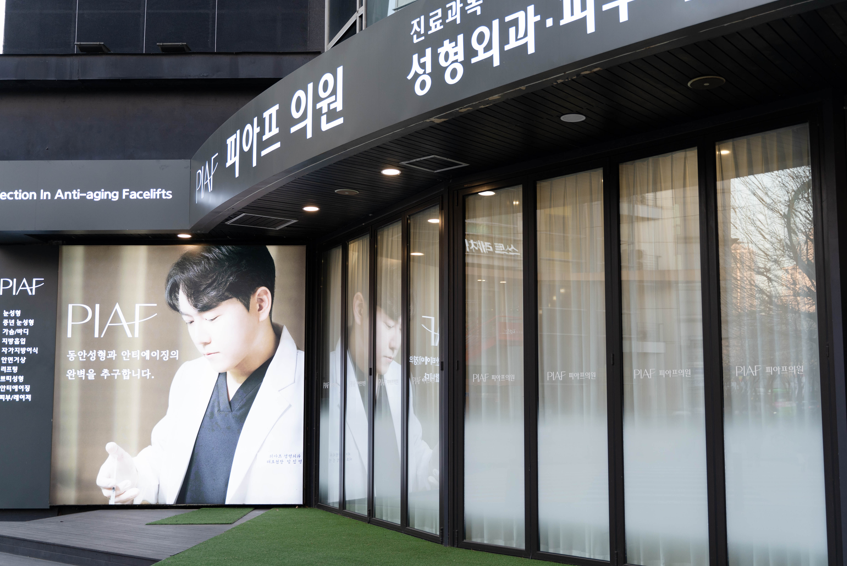
This was Lim Jin-young,
Chief Doctor of Piape Clinic.
Thank you.

A column worth reading together

| Piape Clinic |
|---|
| Main number: 02-420-8883 |