
Nice to meet you.
I’m Jin-Young Lim, CEO of Piap Clinic.
There are times when you felt fine
just yesterday,
but when you look today,
the nasolabial folds seem especially
deep.
If your skin elasticity has also dropped
and your facial contour feels like it is
sagging?
You naturally start thinking,
“Maybe I should get a lifting treatment too.”
But when you actually start looking into it,
terms like Songpa Thermage and Ulthera
already feel complicated,
and many people are left unsure
about which one to choose.

So today, I prepared this post
to help ease those concerns.
If you focus for just 3 minutes and
read this article,
you will understand the differences
between these two procedures,
as well as what the key factor is
that determines lifting results.

Thermage vs. Ulthera?
They are different in this way.
Songpa Thermage vs. Ulthera? Read This First to Make a Smart Decision
Both are well-known lifting devices,
but the depth of the skin layer they target
and the way they lift are different.
This matters because lifting is not simply
about pulling the skin surface tighter,
but about stimulating a specific layer
within the skin to lift the structure itself.
First, Thermage uses radiofrequency to
stimulate the dermis, which is closer to
the skin surface, causing collagen fibers
to contract.
This adds firmness and density to the skin.
Ulthera, on the other hand, delivers
ultrasound deeply into the face,
all the way to the SMAS layer,
which surrounds the muscles.
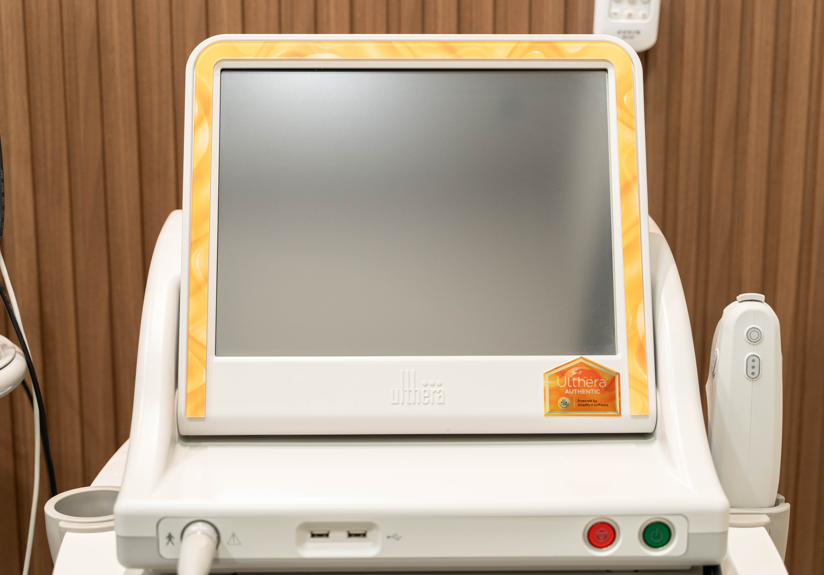
As a result, it tightens the SMAS layer
and lifts the overall facial structure upward.
It can also be compared this way.
Thermage is more like replacing the wallpaper
on a wall and reinforcing the insulation
inside it,
whereas Ulthera is like rebuilding
the pillars of an old building.
So rather than saying one is better,
it is more important to first identify
which layer your concern starts from
and reinforce the necessary area.

The key factor that determines lifting results
Songpa Thermage vs. Ulthera? Read This First to Make a Smart Decision
“Isn’t a higher shot count better?”
Most people think this way,
but what determines lifting results is
the exact placement rather than the number
of shots.
That is because even with the same 300 shots,
the result differs depending on where
and how deeply they are delivered.
For example, let’s say there is a woman
in her 40s whose left cheek has sagged
significantly while the right side is
relatively fine.
What happens if 150 shots are divided
evenly and delivered to both cheeks?
The less sagged right side may be pulled
too much, creating facial asymmetry,
and
the more sagged left side may still show
only minimal improvement, resulting in
low satisfaction.
That is why these days, what matters most
is not simply having more shots,
but more personalized targeting.
I believe this is
what lies at the heart of lifting.
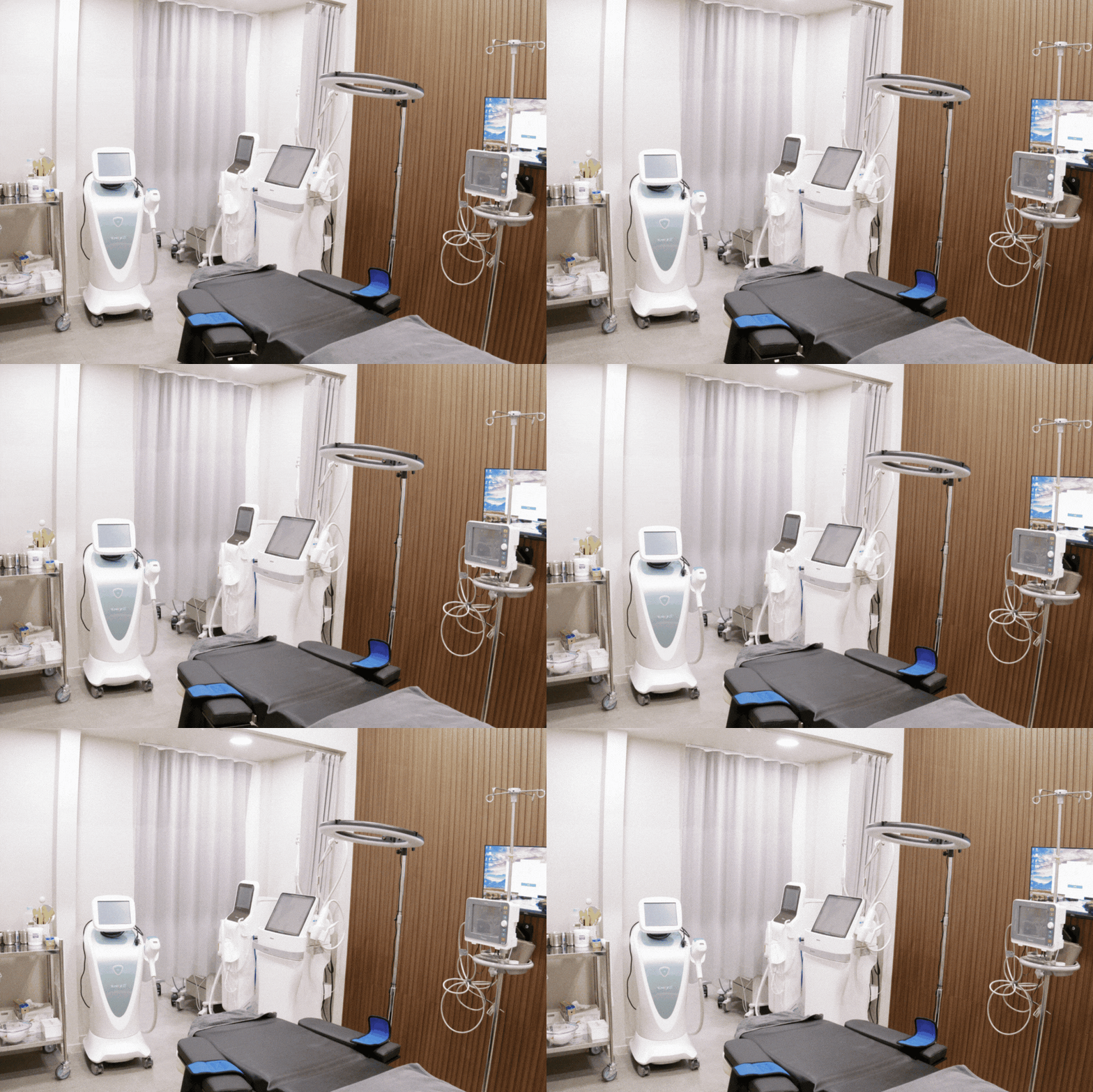
After precisely analyzing the facial structure,
elasticity, and the degree of sagging,
personalized targeting can achieve better
results than simply increasing the shot count.
In addition, the technique of delivering
the treatment to the exact place at the exact
depth is what determines patient satisfaction.
Why personalized
treatment matters
“My friend got Songpa Thermage
and looked so much better.
I saw on YouTube that celebrities got Ulthera?”
If your friend had a certain procedure
and it worked well, will you get the same
result if you have that exact same procedure?
Probably not.
Every person’s face is different, so there is
no certainty; therefore, these kinds of reviews
are not very meaningful.
That is why personalized treatment is
so important in lifting.
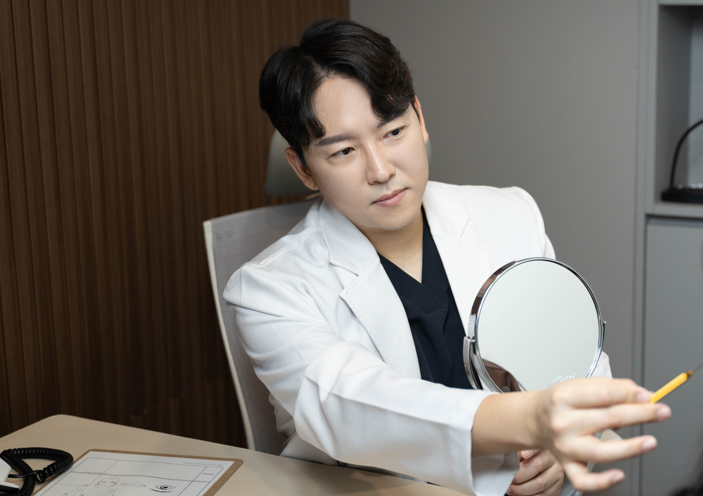
This is because everyone has a different face shape,
fat distribution, skin thickness, degree of elasticity,
and direction of sagging.
Some people think the cheeks are sagging because
the area under the cheekbones looks hollow,
but
in reality, the cause may be volume loss,
and
for others, what feels like a sagging jawline may
actually be due to fat accumulation under the chin.
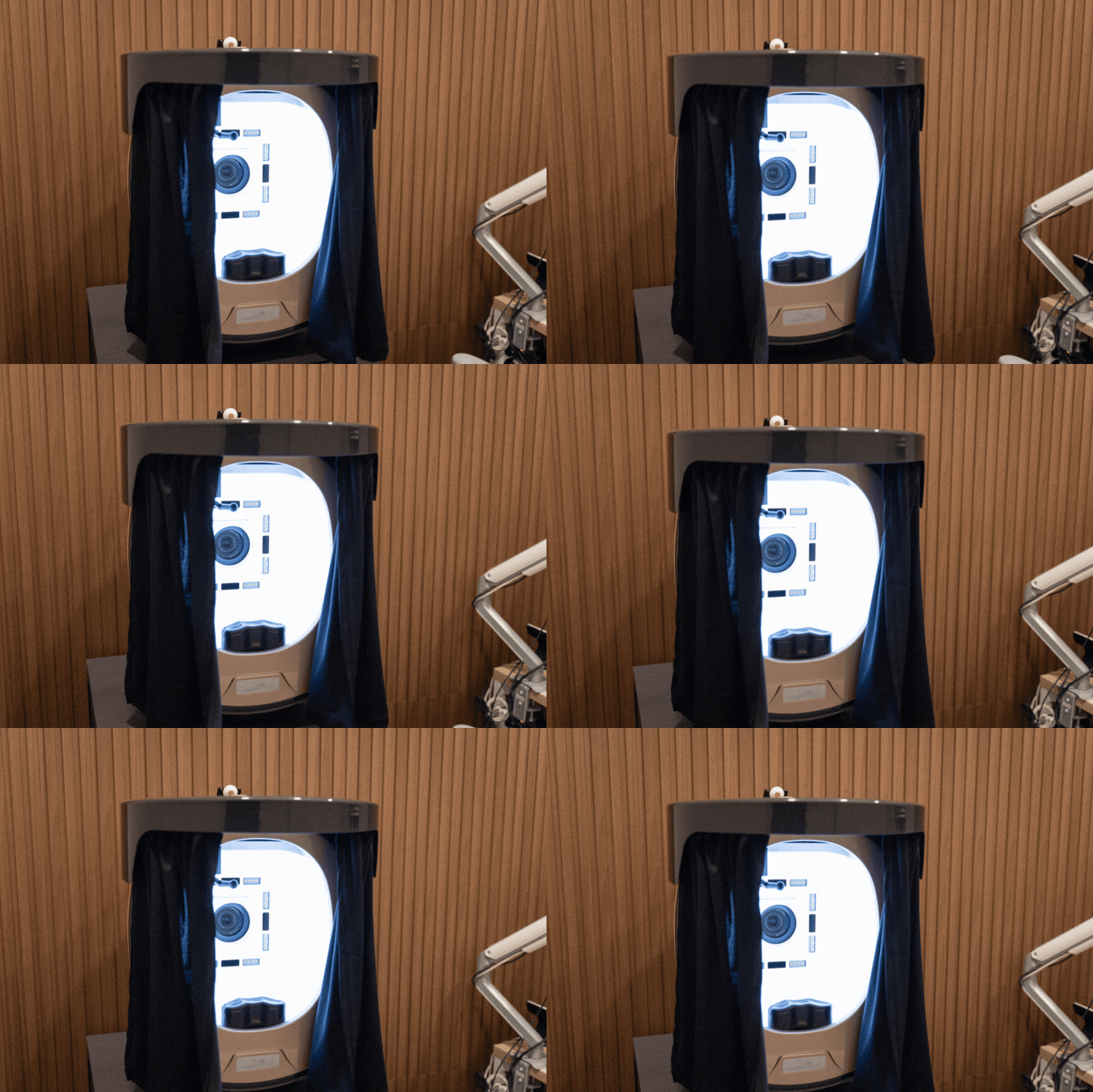
As a result, an exact cause analysis through
precise facial assessment is needed,
and to do that, tools such as 3D facial analysis
equipment are widely used these days.
In the end,
it is important to precisely determine
where the sagging area is,
how deep it is,
and how much elasticity remains.
Without this information,
if you choose based only on guesses like
“Thermage is good” or “Ulthera might be better,”
the effect will be limited and satisfaction
will be low, leaving you no choice but
to regret it.
So lifting must start with properly understanding
your own face,
and only with precise analysis and planning
can the procedure results change.

Closing remarks
So far, we have looked at the differences
between Thermage and Ulthera,
and what really matters in lifting.
To summarize the key points:
Rather than the specific machine itself,
what matters much more is which skin type
it is used on and for what purpose,
and treatment tailored to the individual face
increases satisfaction.
So rather than immediately worrying about
whether to choose Songpa Thermage or Ulthera,
I recommend finding a clinic that can properly
understand and analyze your face first,
and then receiving a detailed consultation.

Thank you for reading this long post.
This has been Jin-Young Lim,
CEO of Piap Clinic.
Recommended column to read together

| Piap Clinic |
|---|
| Main number: 02-420-8883 |