"I had under-eye fat removal surgery..
but my dark circles got worse.."
"Instead, the tear trough area looks even more hollow..
I might need surgery again.."
Hello.
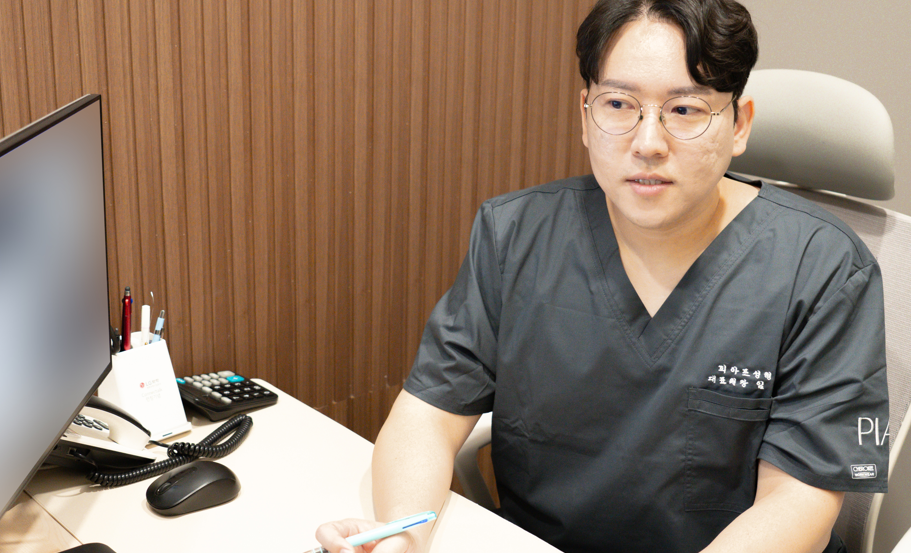
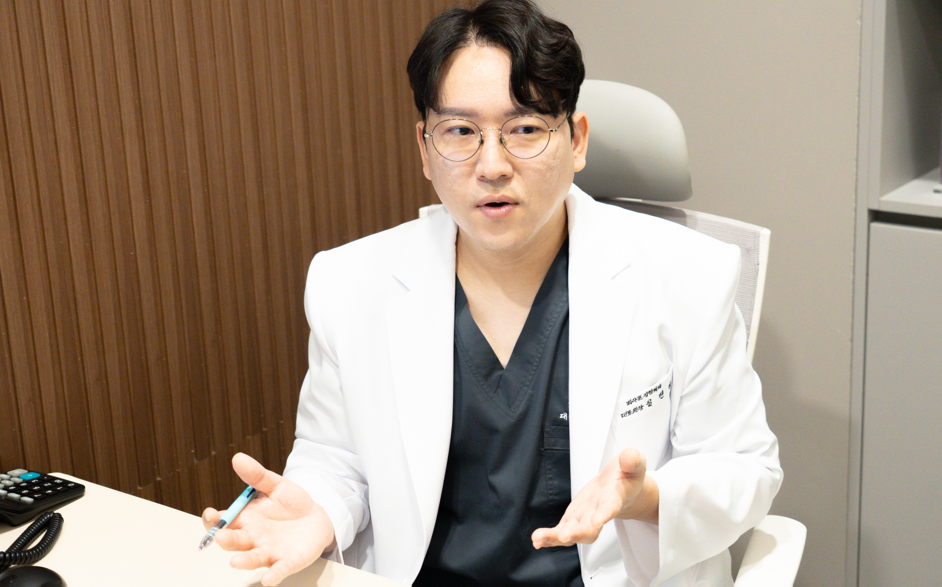
I’m Lim Jin-young,
Director of PIAF Clinic in Jamsil.
You were probably concerned about
the puffy bulge under your eyes.
That’s likely why you’re looking into
Jamsil under-eye fat removal.
But here’s the thing.
If you undergo the procedure without knowing
‘this,’ you may end up needing revision surgery.
‘This’ refers to the importance of not just simple removal,
but customized repositioning.

You may not fully feel this yet.
You might be thinking,
"What are you talking about?"
That’s okay.
In the main text,
I’ll explain it step by step in a way
that anyone can understand.
So if you don’t want to go to a clinic,
fail to see the results you expected,
and end up considering revision surgery,
please stay with me for just 3 minutes.
A Clear Limitation of Under-Eye Fat Removal
A bulging under-eye area is not
just a simple cosmetic issue.
This happens through a complex change
as the orbital septum, a thin membrane,
weakens with aging.
The orbital septum acts like an elastic layer
that supports the fat around the eyes
so it doesn’t protrude outward.
When you’re young and firm,
it holds everything in place like a sturdy screen.
But as you age, this septum gradually loosens
and is pushed forward.
Saying this is simply because
“there’s too much fat under the eyes”
is similar to blaming only the air
when a balloon bursts.
The real problem is that the material
surrounding the balloon has weakened.
The same goes for the under-eye area.
If you remove only the bulging part
while the septum remains weakened,
the area may look flat for a moment,
but another problem will soon appear.
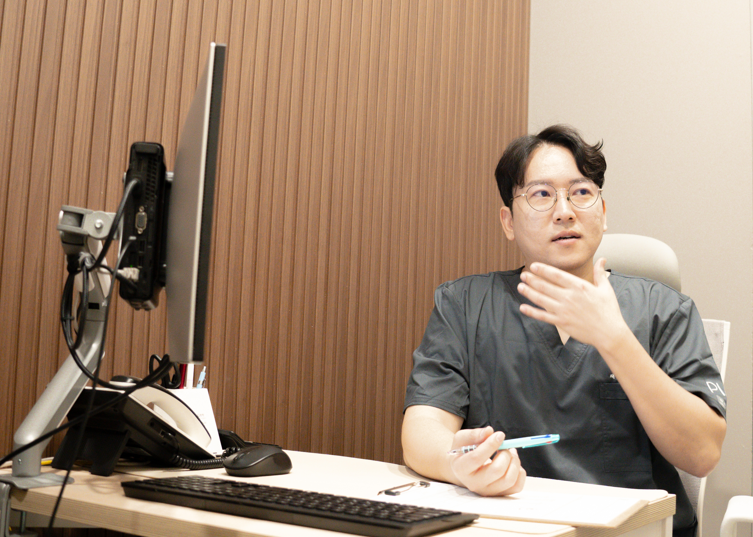
A typical example is the tear trough becoming more prominent.
The tear trough is the shadow
that runs from beneath the eye toward the side of the nose.
After removing only the fat,
this area can appear relatively more sunken.
Moreover, because this area tends to become hollow over time,
it can make the under-eyes look gaunt and tired.
"I removed it because my under-eyes looked puffy,
but now they look more sunken and hollow."
That’s what some people may end up saying.
There is one more point to note.
The under-eye area is not simply
a two-dimensional matter of being
“bulging or hollow,”
but a three-dimensional structure
that affects overall depth and expression.
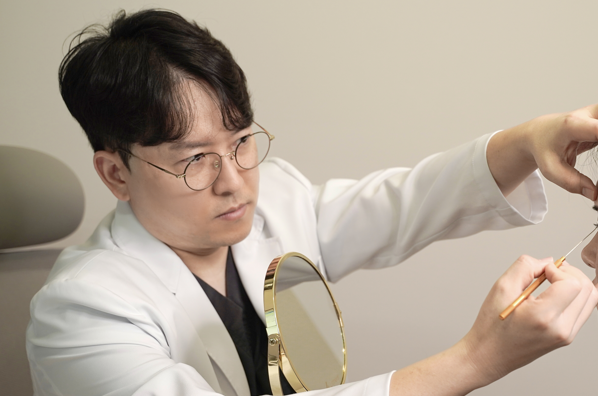
If the thickness of the upper cheek, the height difference
between the eyes and the cheekbones,
and even the proportions of the jawline are not considered,
a Jamsil under-eye fat removal surgery that simply cuts away tissue
can actually disrupt the overall balance of the face.
That is why the real solution is not simple removal,
but an approach tailored to the cause.
The Importance of Customized Under-Eye Fat Repositioning
Then what is the most ideal way
to address puffiness under the eyes?
The answer is repositioning,
rather than Jamsil under-eye fat removal.
The tired or aged look we feel
when looking at the under-eyes is not just because
there is too much fat,
but because its position is abnormal.
That is why under-eye fat repositioning is a process
of reshaping and repositioning the area like a sculpture
to restore facial harmony.
To explain how it works in detail,
some of the protruding fat is reduced as needed,
and the rest is moved to the hollow tear trough
or to areas lacking volume.
Then the hollow area is filled in,
creating a natural transition,
while the protruding area is also appropriately reduced,
softening the overall contour.
It’s similar to flattening an uneven road.
If you move soil from a higher area
to cover a lower area,
the whole road becomes smoother.
The same applies to the under-eye area:
connecting the fuller parts and the lacking parts
is the key to creating harmonious overall depth.
The reason this repositioning matters
goes beyond simple aesthetic improvement;
it changes a person’s impression.
When the shadows under the eyes are reduced,
the tired look disappears,
and as the area between the eyes and cheekbones connects naturally,
the entire face appears brighter.
And most importantly,
it can reduce the chance of revision surgery.
If Jamsil under-eye fat removal is done poorly,
side effects such as the area bulging again or becoming hollow
can lead to revision surgery,
but repositioning helps lower those risks from the start.
However, such surgery must be performed
after a precise analysis of many factors,
including facial structure, skin thickness,
eye position, and the distance between the cheekbones and nose.
That is why I always say this:
"Please consult at least three clinics."
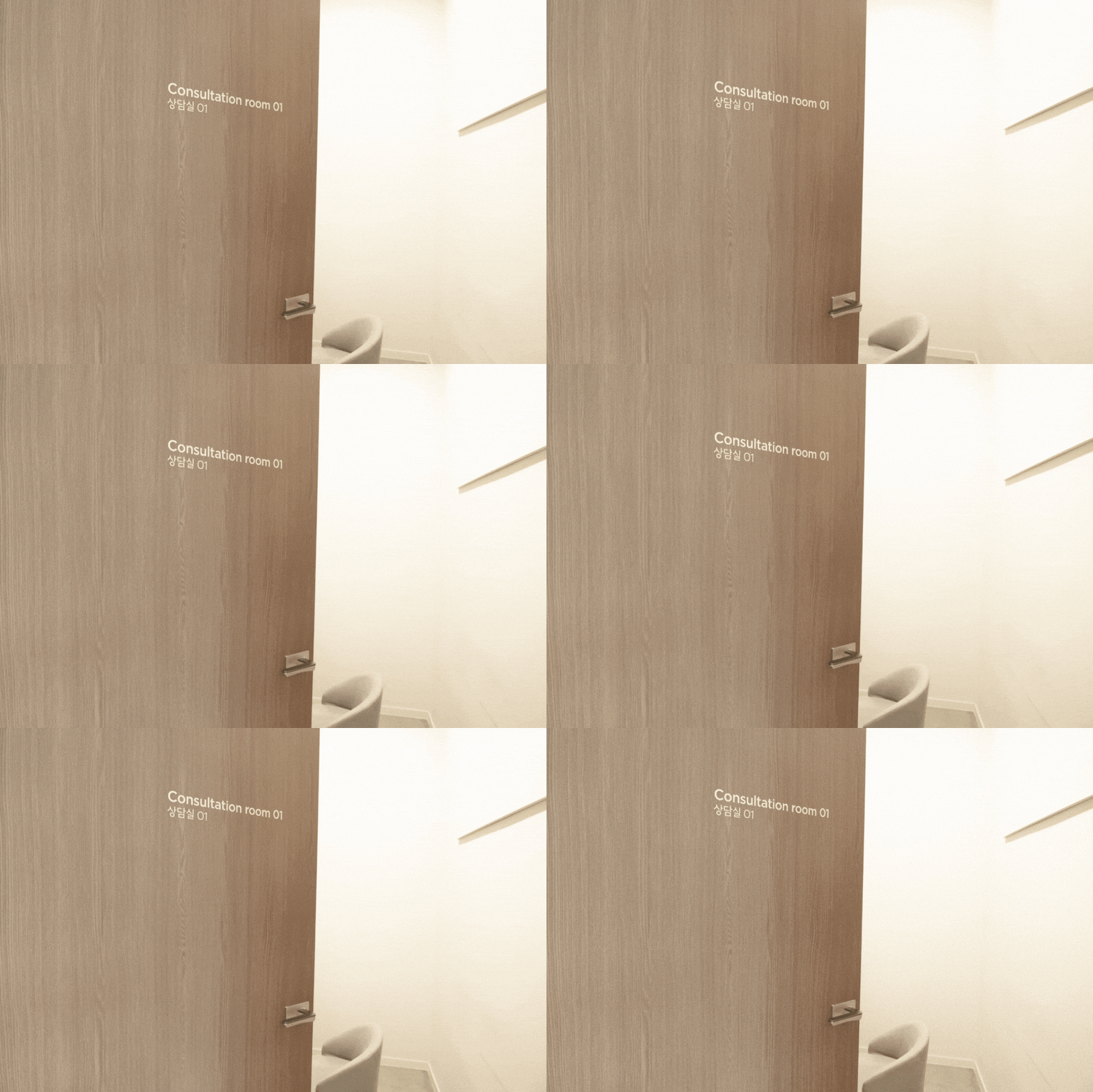
Even if the symptoms are the same,
each clinic has a different perspective,
and they differ in how far they diagnose
and how far they plan the treatment.
In the end, the way to find the solution
that suits me best
is not simply finding a clinic that performs surgery well,
but finding a clinic that truly understands me.
Closing Remarks
So far, I’ve talked about the limitations
of Jamsil under-eye fat removal
and the need for repositioning.
The protruding area is only the visible part of the problem;
inside, there are complex factors intertwined,
such as a weakened orbital septum, a hollow tear trough,
and the overall balance of the face.
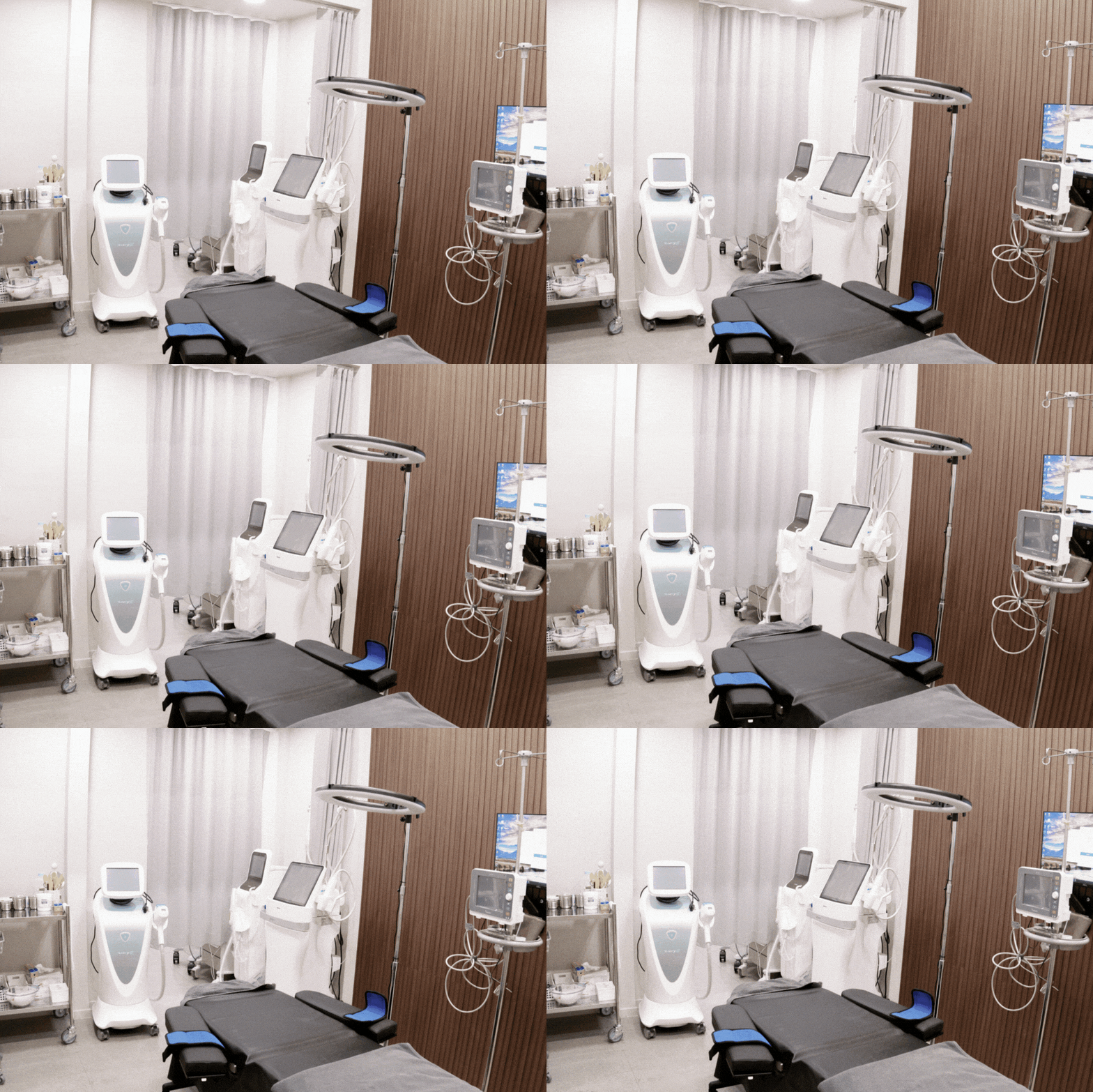
So if you ignore all of this
and simply focus on “removal,”
your expression may actually look more tired,
and over time you may find yourself
considering surgery again.
A customized repositioning design
can address these issues.
So first, please check which approach
is right for your face,
and what kind of treatment plan is needed.
This has been Lim Jin-young,
Director of PIAF Clinic.
Thank you.
Recommended Related Column

| PIAF Clinic |
|---|
| Main number: 02-420-8883 |