"These days, I seem to have more wrinkles than usual,
and my skin feels saggy too..."
"If I get a lifting treatment,
won’t I look younger for a few years?"
Hello.
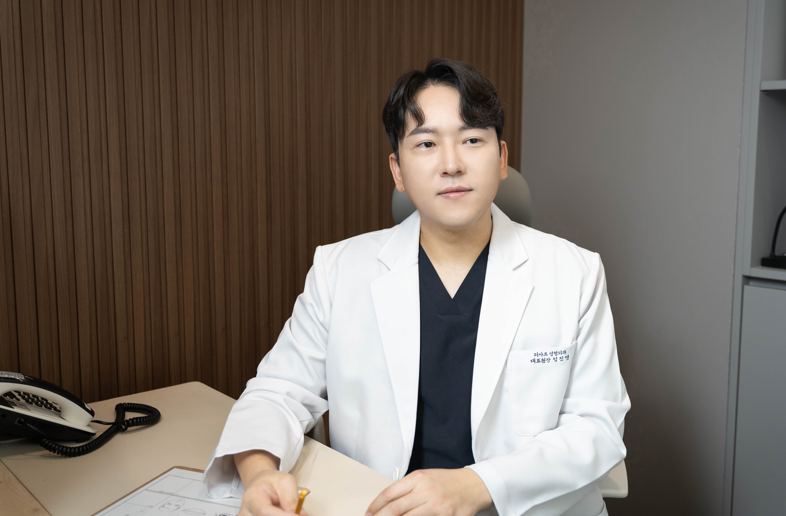
I’m Lim Jin-young, chief director of Piaf Clinic.
Those of you who searched for Cheonho-dong lifting
are probably dealing with concerns like these.
Ulthera? Thermage? Shurink?
I’ve heard the names a lot,
but I don’t know what’s actually different
or which one is right for me.
In today’s post,
I’ll explain the principles and differences
of the major lifting devices.
And one more thing.
I’ll also tell you that with lifting alone,
you may have a hard time seeing the results
you’re expecting.
If you invest just 3 minutes to read to the end,
you’ll be able to judge for yourself what kind of Cheonho-dong lifting you need,
and what kind of clinic you should choose
to get proper results.
Ulthera vs. Shurink vs. Thermage,
what’s the difference?
The representative lifting devices are
Ulthera, Thermage, and Shurink.
All three help improve wrinkles
and sagging.
Let me explain the differences
one by one.
Let’s start with Ulthera.
Our skin is made up of five layers.
In order: epidermis, dermis, fat layer,
fascia layer, and bone.
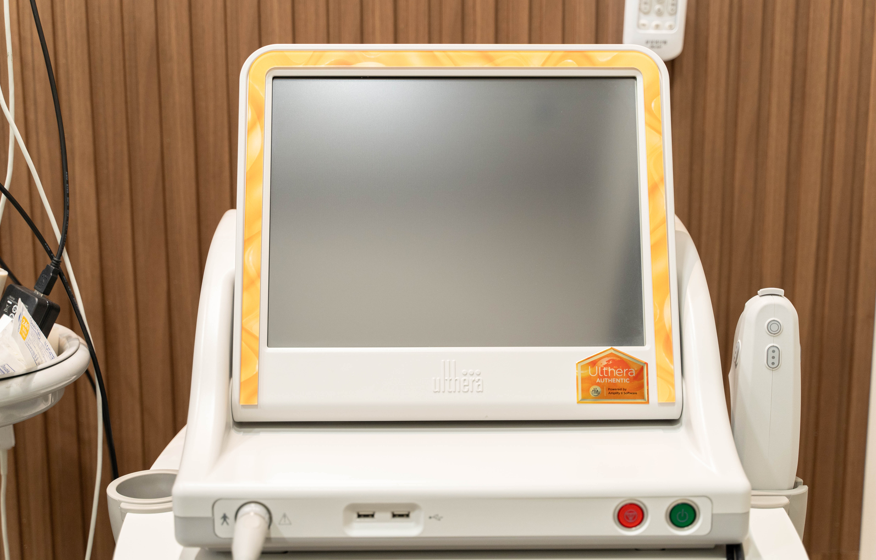
Ulthera is a procedure that delivers
ultrasound energy (HIFU)
to the fascia layer.
What happens if tiny damage is created
deep below the face, about 4.5 mm down?
The cells respond by saying,
"We need to make collagen!"
Collagen is a component related to elasticity.
As we age or get exposed to a lot of ultraviolet light,
the body’s ability to produce collagen declines.
When stimulated with Ulthera,
collagen is gradually produced,
which helps improve wrinkles and sagging.
What about Shurink?
Shurink works on
the same principle as Ulthera.
It stimulates cells with ultrasound energy
to induce collagen production.
However, the energy strength is weaker,
and the accuracy is somewhat lower.
Simply put,
Ulthera uses a strong laser to
give powerful, precise stimulation deep inside,
while Shurink uses a weaker laser,
so the stimulation is insufficient
and the precision is also somewhat lower.
That said, Shurink does have the advantages
of being cheaper than Ulthera
and causing less pain.
Thermage is different again.
Thermage does not use ultrasound;
it uses radiofrequency (RF).
If Ulthera and Shurink are focused on
one area,
Thermage spreads more broadly.
If Ulthera and Shurink are like using a magnifying glass
to concentrate sunlight at one point,
Thermage is more like sunlight spreading out
and gently warming the entire skin.
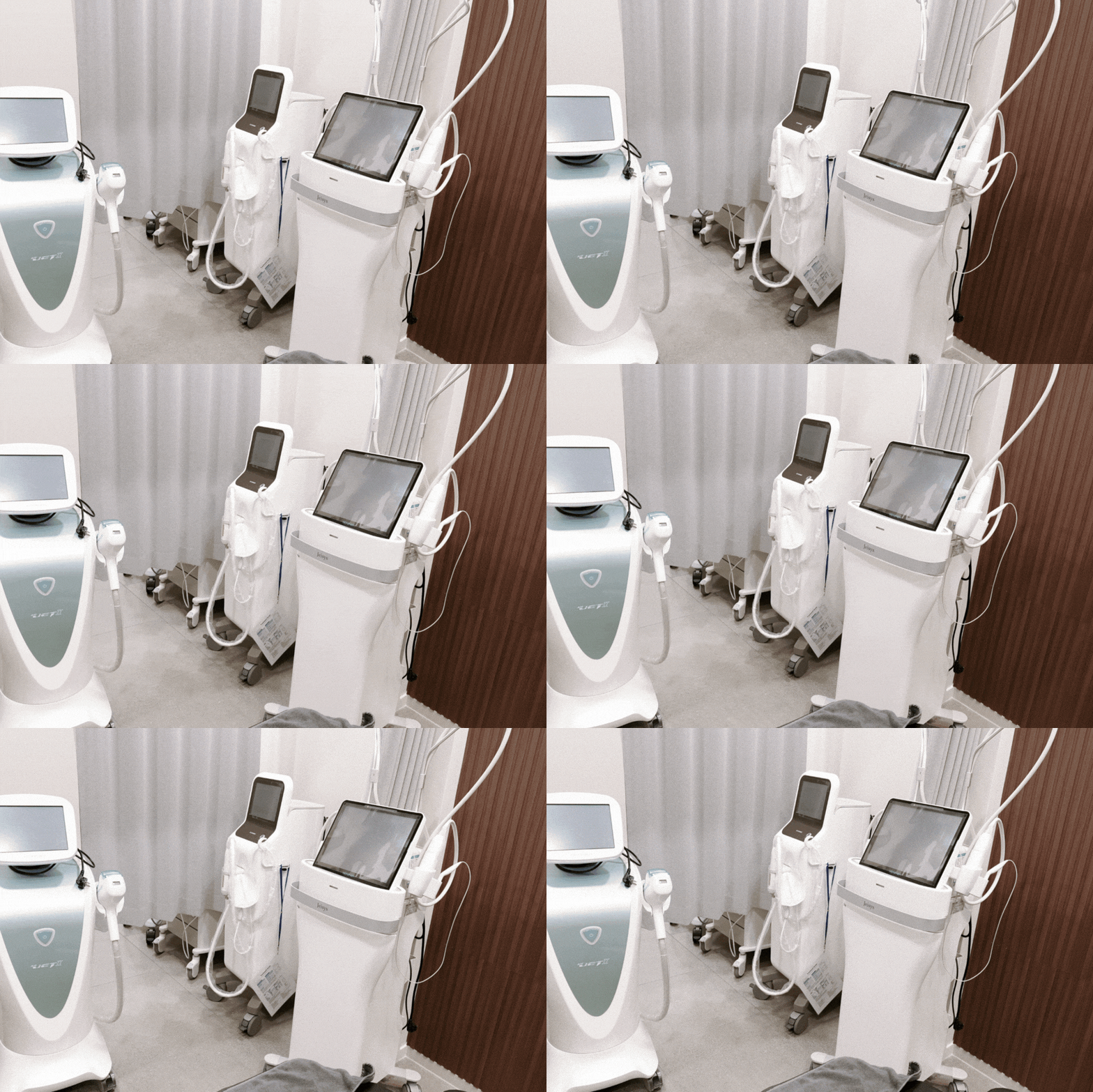
In fact, Thermage reaches
a depth of about 3 to 4 mm,
to the dermis and shallow fat layer rather than deeper areas.
But the effect is the same.
That’s because it creates tiny damage in cells with heat
and induces collagen production.
As a result, it can help improve
wrinkles and elasticity.
How do you choose
what’s right for you?
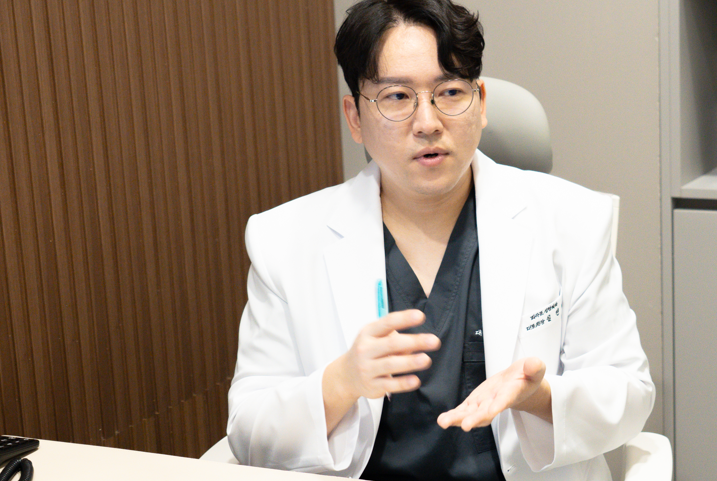
"Doctor, what do I need?"
That’s the question people looking into Cheonho-dong lifting
ask most often.
If I were to offer a guideline, it would be this.
Of course, it varies from person to person,
so please use this only as a reference.
If you’re in your 30s to 50s and have severe wrinkles and sagging,
Ulthera is a good choice.
That’s because you need to properly repair the pillars
that support elasticity first.
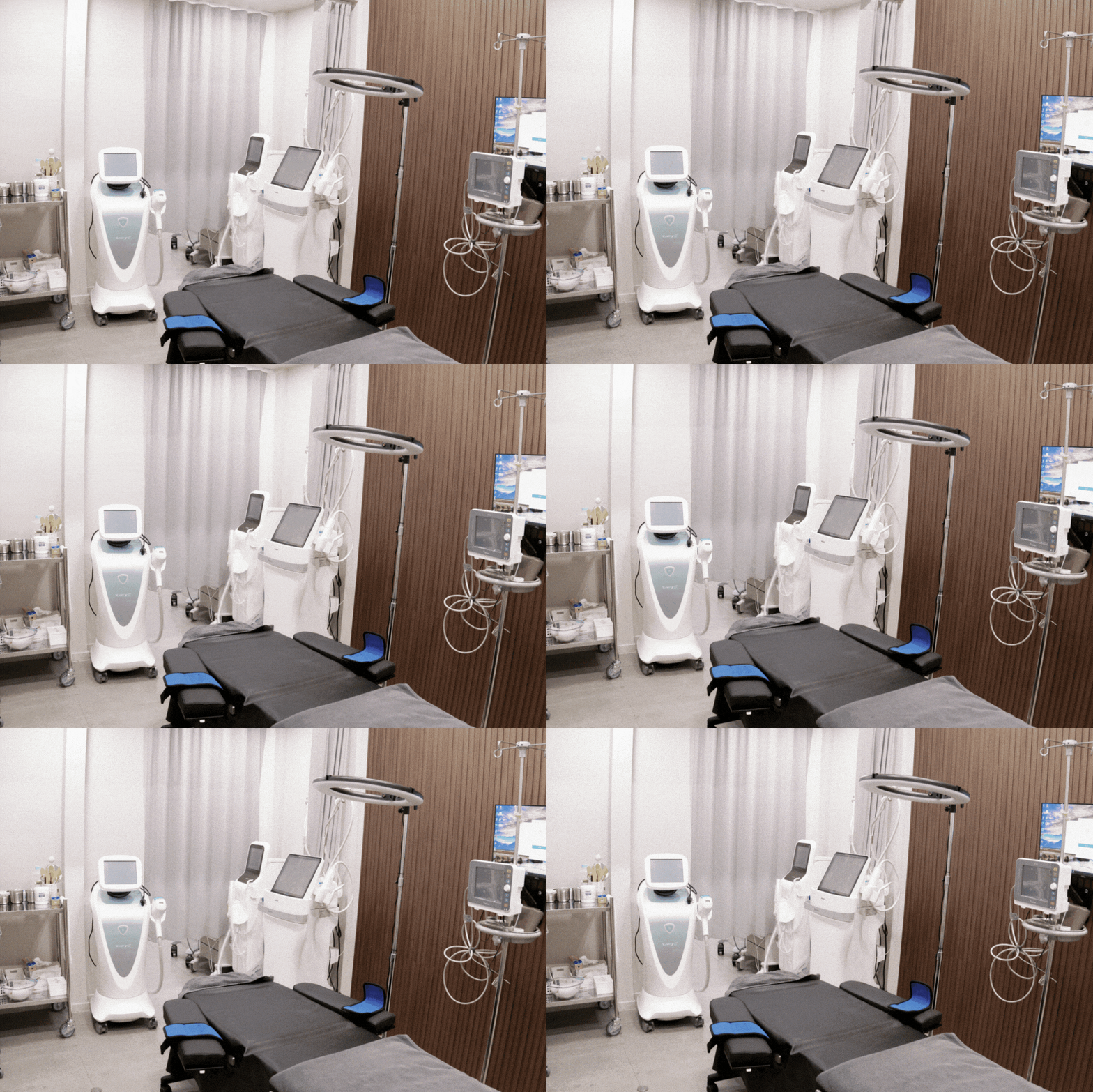
You need to start by treating the fascia layer,
which supports the entire skin,
for elasticity to improve properly.
If you’re in your 20s to 30s and only have mild wrinkles and sagging,
Shurink is a good choice.
It causes less pain than Ulthera
and is also more affordable,
so it’s less of a burden for people in their 20s.
It’s mainly helpful for managing shallow wrinkles.
If you’re over 40 and have many fine wrinkles,
Thermage is a good choice.
Thermage can be very helpful for skin texture,
elasticity, and improving fine wrinkles.
If sagging is not severe,
Thermage may be enough.
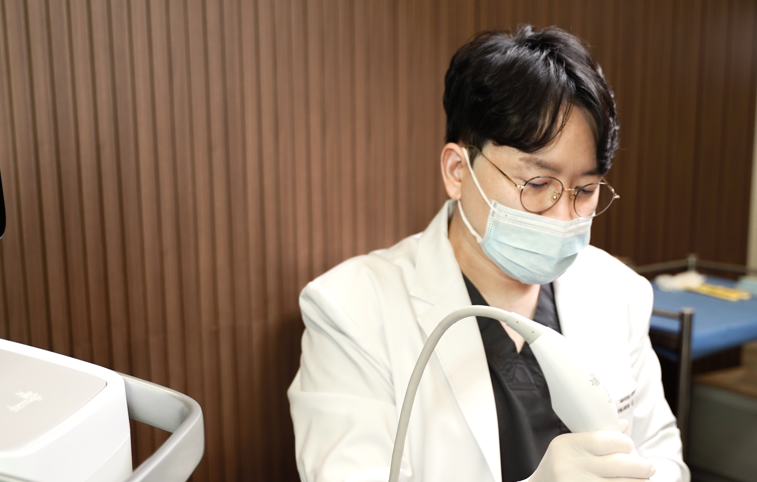
But that’s not all.
There is important information
you must know before getting lifting.
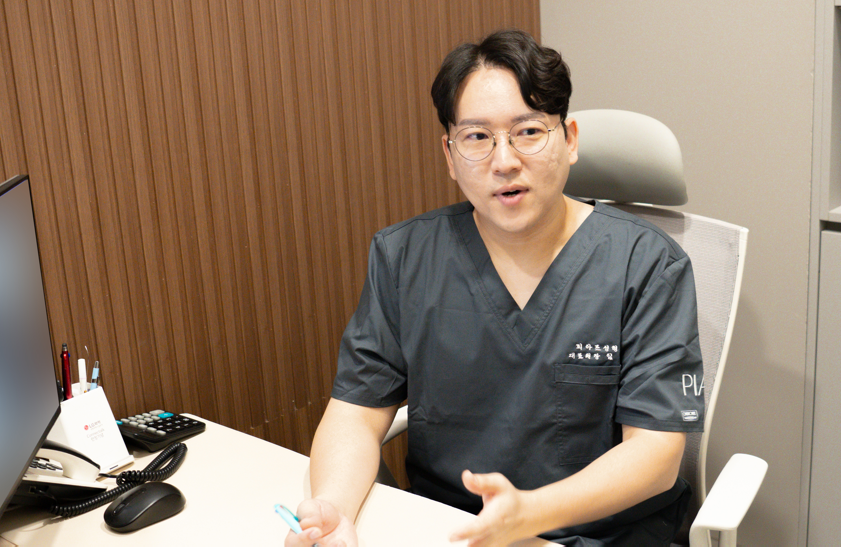
In fact, lifting alone is not enough
"If I just get lifting,
won’t I look younger for a few years?"
"Won’t I feel more confident in photos?"
If you looked into Cheonho-dong lifting
with those thoughts,
you should rethink it.
Lifting is, at the end of the day,
just a tool to improve wrinkles
and elasticity.
It does not restore the skin’s health itself.
Let me give you an example.
What if your skin elasticity improves,
but your skin tone is dull and your pores are large?
That probably wouldn’t be
the healthy skin you were expecting.
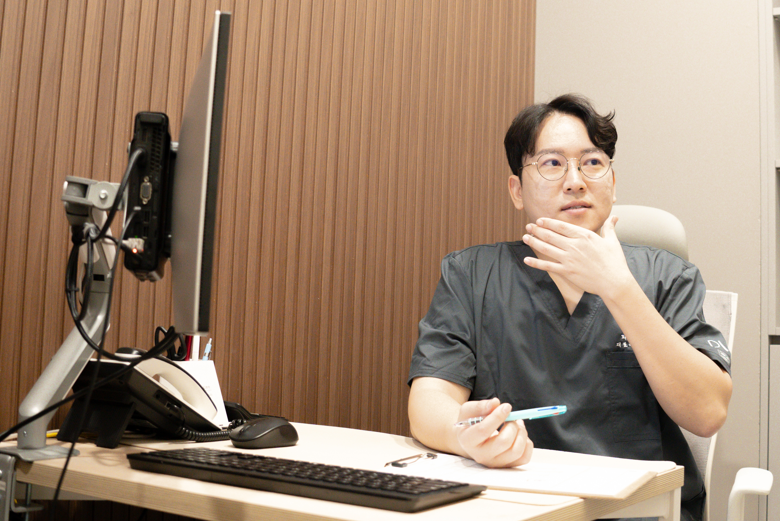
You need to receive care such as skin boosters
and skin aesthetics as well
to truly have healthy skin.
And there’s one more important thing.
That is direction.
The key to lifting is "direction."
The thermal energy that creates tiny damage in cells
must reach the needed location accurately.
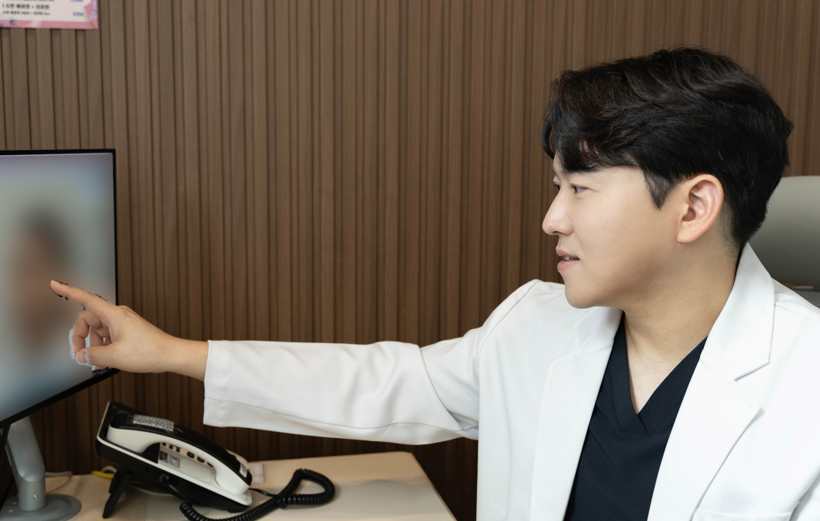
For example, if a woman in her 40s has more sagging
on the left cheek than the right?
You need to apply more energy
to the left cheek while keeping it balanced
with the right cheek.
You have to apply the necessary amount of energy
to the correct direction.
What happens if you miss these details?
You may experience side effects
such as sunken cheeks
or facial asymmetry.
You might think,
"Can’t they just place it on the face
and fire it?"
but it’s not that simple.
To set the correct direction accurately,
you need to understand the facial anatomical structure well,
and the practitioner needs ample experience.
They should check the skin thickness,
fat distribution,
and differences in sagging between the left and right sides
before performing the procedure.
If you know these points and choose an appropriate
dermatology clinic and device,
you can reasonably expect satisfying changes.
So far, for those looking into Cheonho-dong lifting,
I’ve explained the differences between devices
and the criteria for choosing one.
To summarize:
- Choose a device that matches
your skin condition and age.
- Since lifting alone has limits,
also take care of your skin health.
- Get the procedure at a place
with accurate diagnosis and extensive experience.
And when choosing a dermatology clinic,
it’s a good idea to visit at least three places
and check whether they carefully diagnose your facial condition
and suggest the treatments you need.
That way, you can avoid becoming the main character
in unfortunate experiences like,
"It didn’t work," or "I just wasted my money."
This has been Lim Jin-young,
chief director of Piaf Clinic.
Thank you.
More columns worth reading together

| Contact information |
|---|
| Main number: 02-420-8883 |
