“Thermage and Ultherapy
both are well-known,
but which one is better?”
Hello.
I’m Lim Jin-young,
chief director of PIAF Clinic.
You may have decided to get a lifting procedure,
but still felt unsure
about which device to choose.
People around you may say Thermage is good,
Ultherapy is effective,
and because the opinions differ,
you may have only become more confused.
So in this post,
I’ll clearly explain
the differences between Songpa Thermage and Ultherapy,
and organize
what criteria you should use
to choose between the two.
I hope this helps you
make the right choice for yourself.
Please focus for just 3 minutes
from here.
The energy delivery method
is already different
Songpa Thermage and Songpa Ultherapy
use different methods
for delivering energy from the start.
Thermage uses radiofrequency (RF) energy
to spread heat broadly
from the skin surface to the dermis.
Like an oven
that distributes heat evenly,
it disperses heat uniformly
over the skin
to stimulate collagen regeneration.
That’s why it is favorable
for improving overall facial firmness.
Its advantage is that it can cover a wide range,
from improving skin texture on the surface
to tightening the dermal layer.
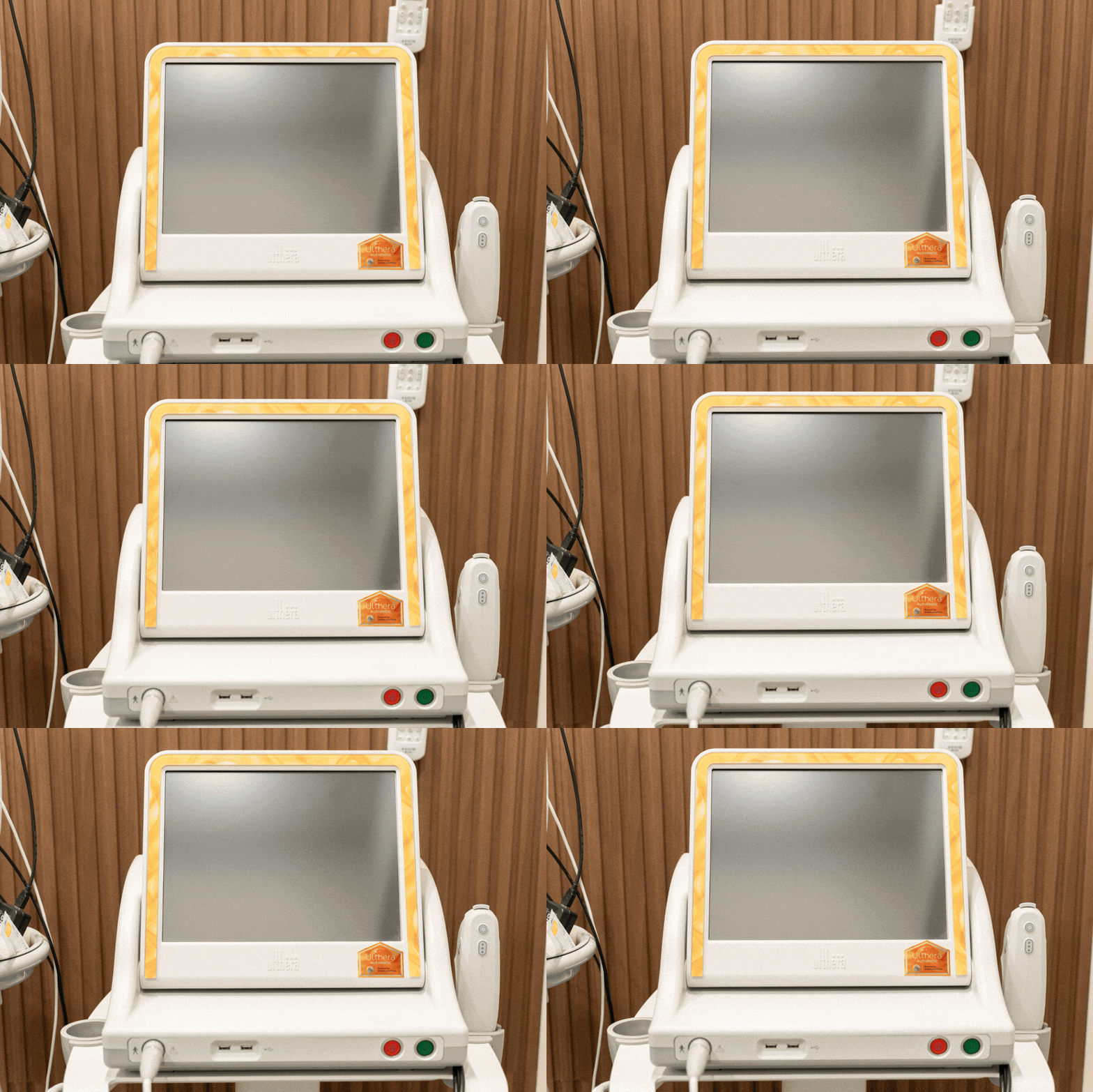
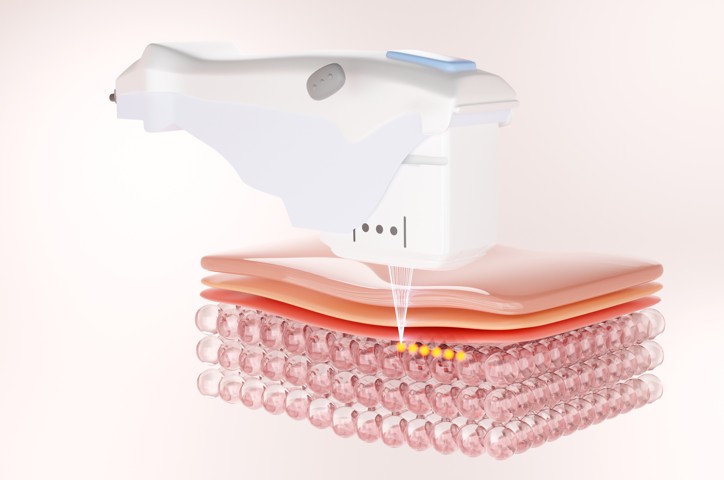
Ultherapy, on the other hand,
uses ultrasound energy.
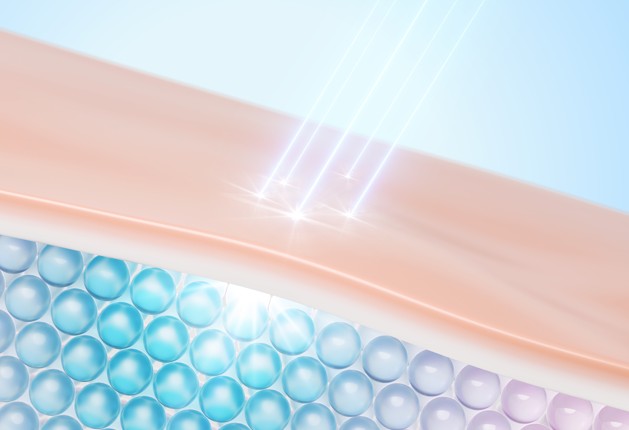
It focuses energy in a point-by-point manner
on the deep layers of the skin,
specifically the SMAS layer.
It’s like a laser pointer,
aiming precisely at a specific spot.
The SMAS layer is
the layer that supports the facial fascia,
and stimulating it
produces a more distinct lifting effect.
Because of this difference,
Thermage is strong for uniform tightening
over the whole face,
while Ultherapy is better suited
for lifting the deeper layers.
Simply put,
if your goal is overall skin improvement,
Thermage may be the better choice.
If your goal is clearer contour improvement
in a specific area,
Ultherapy may be more appropriate.
How are downtime and pain
different?
How quickly you can return
to daily life after the procedure,
and how much pain you feel,
are also factors that affect your choice.
Songpa Thermage delivers heat
in a relatively broad spread,
so although you may feel warmth during the procedure,
it is usually manageable.
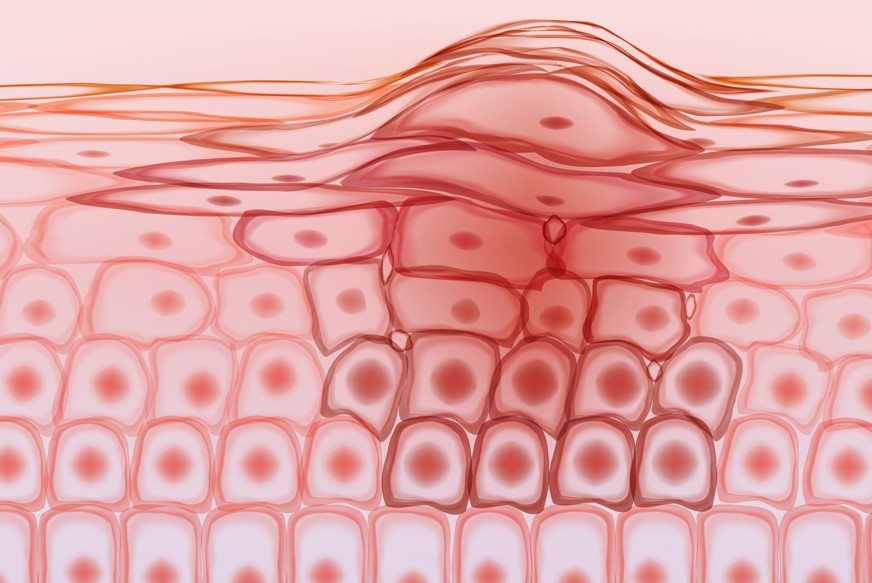
Some redness or swelling may occur
right after the procedure,
but it generally subsides within a day or two
and does not significantly interfere with daily life.
Makeup is often possible
starting the next day,
so it is a relatively 부담 없이 option
even during a busy schedule.
On the other hand, with Songpa Ultherapy,
because the energy is concentrated
deep into the skin,
many people feel a stinging
or tingling sensation during the procedure.
Pain sensitivity varies
from person to person,
but in general it tends to be
a bit stronger than Thermage.
In particular, areas close to bone
or areas with less fat
may feel more painful.
However, Ultherapy also has a short recovery period after the procedure,
so it usually does not cause significant swelling or bruising
and recovery is quick.
Pain appears only temporarily
during the procedure,
and after the procedure,
you can return to daily life
without any special discomfort.
In the end, you should consider
the range of discomfort you can tolerate,
depending on your pain sensitivity
and how much time you have available.
There is no one-size-fits-all method
The appropriate device varies
depending on how much sagging you have
and which areas you want to improve most.
If your whole face feels less firm,
and you also want to improve skin texture,
Songpa Thermage may be more suitable.
Because it delivers energy evenly
over a wide area,
it can provide an overall tightening effect.
Also, if you are getting a lifting procedure
for the first time,
starting with Thermage,
which tends to involve less pain and quicker recovery,
can be a good choice.
On the other hand, if your jawline has become less defined
or your cheeks are noticeably sagging,
and you need more specific contour improvement,
Songpa Ultherapy is worth considering.
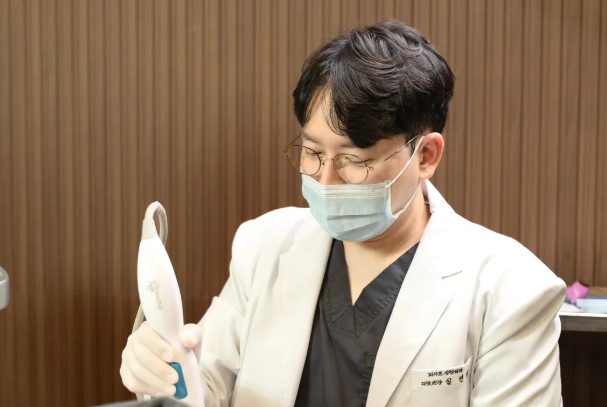
Because it stimulates deep layers
to create a lifting effect,
it is advantageous for refining a clear line.
If you have already experienced Thermage,
and want a stronger lifting effect,
taking a step up to Ultherapy
can also be an option.
Age, skin thickness,
and the amount of subcutaneous fat
also affect the choice.
If the skin is thin
or there is little fat,
the focused energy of Ultherapy
may feel too intense.
If the skin is thick
and the sagging is severe,
deep-layer stimulation may be more effective.
If you are younger
and the sagging is not severe,
Thermage alone may be enough
to provide preventive maintenance benefits.
On the other hand, if you are in your 40s or older,
or if sagging has already progressed significantly,
the stronger lifting effect of Ultherapy
may be needed more.
So far, I’ve explained the main differences
between Songpa Thermage and Songpa Ultherapy,
as well as the selection criteria.
Here is a quick summary
of the key points.
First, the energy delivery methods are different.
Thermage spreads broadly,
while Ultherapy is deeper and more focused.
Second, the downtime and pain level are different too.
Thermage is relatively less burdensome,
while Ultherapy is more stimulating.
Third, the appropriate device varies
depending on your skin concerns and condition.
For overall firmness, Thermage.
For contour lifting, Ultherapy.
You cannot say definitively that one is always better than the other.
You need to consider each person’s skin condition,
the areas they want to improve,
their sensitivity to pain,
and their recovery time,
before you can make the choice
that is right for you.
In some cases, combining the two devices
may be more effective,
and in others, a completely different lifting method
may be more suitable.
For example, you might first improve overall firmness with Thermage,
and then supplement specific areas with Ultherapy later,
as a step-by-step approach.
The important thing is not to be swayed by trends
or other people’s opinions,
but to make the decision after accurately understanding your skin.
Rather than blindly following a device just because it is famous
or because someone says it is good,
please first figure out
what condition your skin is in now,
and what improvement is most urgently needed.
Thank you for reading this long post
to the end.
This has been Lim Jin-young,
chief director of PIAF Clinic.
Other columns you may find useful
<Directions>
| Contact information |
|---|
| Main number: 02-420-8883 |
