To increase hair transplant graft survival rate

If your hair is so thin that your scalp is visible,
or if you are starting to look older than your actual age,
or if you are worried because a lot of your natural hair
is falling out around the crown or hairline,
it is important to visit a relevant medical institution,
look for a good solution, and respond accordingly.
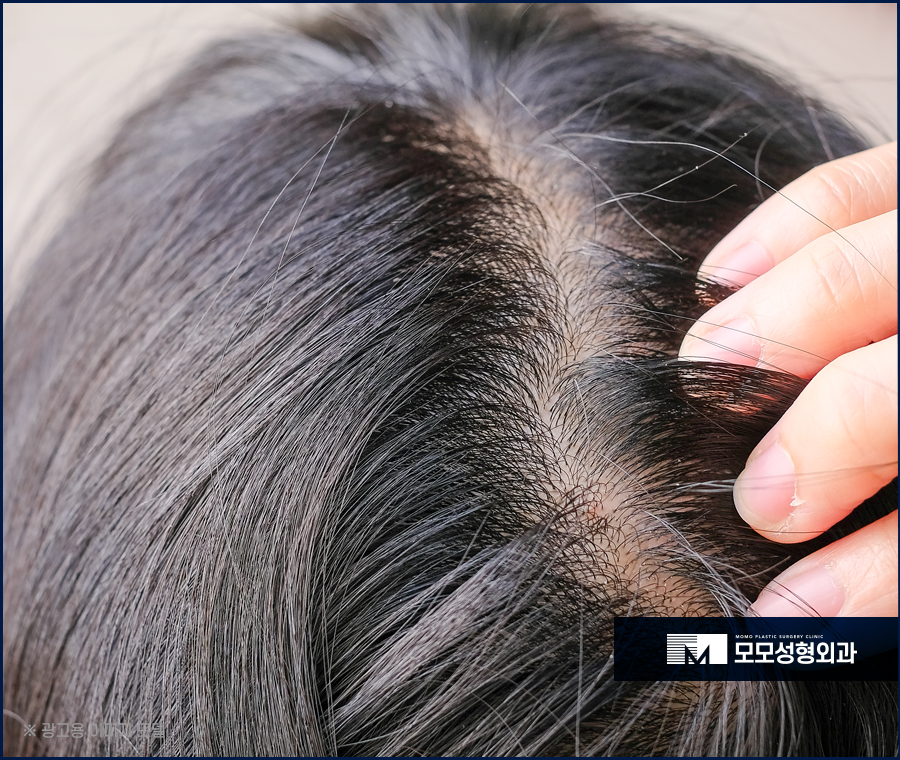
Many people buy hair-growth products or functional shampoos
and use them, but in many cases they are judged to be
insufficient in terms of treatment effect. If hair loss has
already progressed to some extent, dietary therapy alone
may be too late to improve the condition, so reinforcement
through a procedure may be one option. Recently, cases have
been increasing not only among middle-aged and older men,
but also among younger men and women, and many people are
worried about it. As they search for medical institutions
to seek improvement, some patients pay close attention to
factors such as hair transplant graft survival rate and compare them.
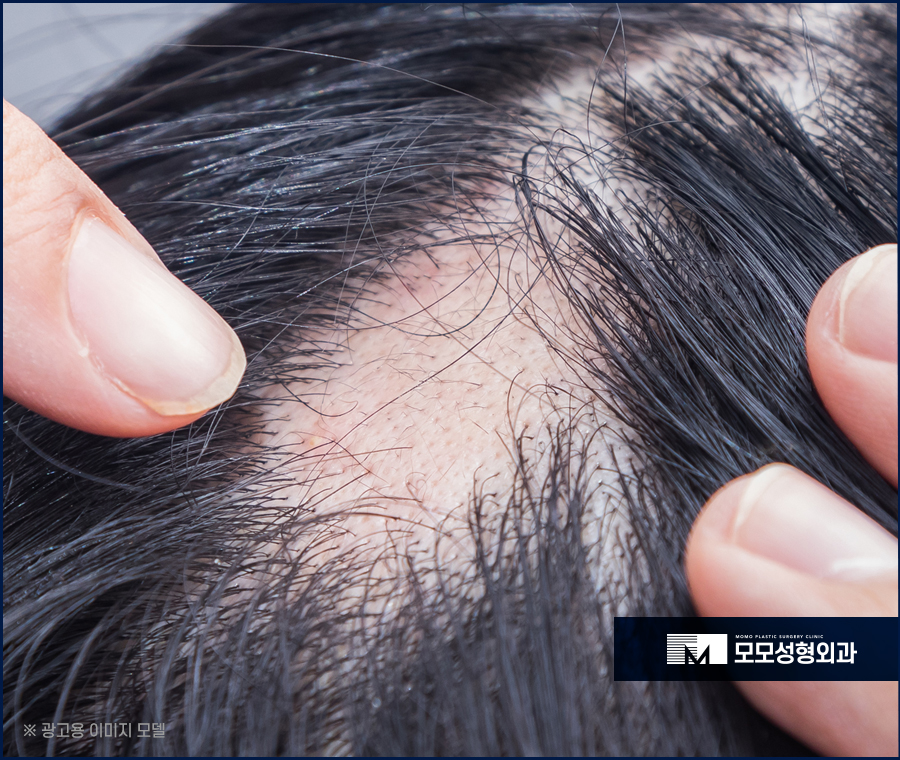
Hair loss can appear in various forms such as circular,
M-shaped, or U-shaped patterns, and there are many causes,
so identifying what type it is in each patient and what the
cause is can also be an important part of treatment. Some
cases are caused by excessive stress, but hair loss can also
occur due to conditions such as seborrheic dermatitis of the
scalp, or due to genetic reasons related to family history.
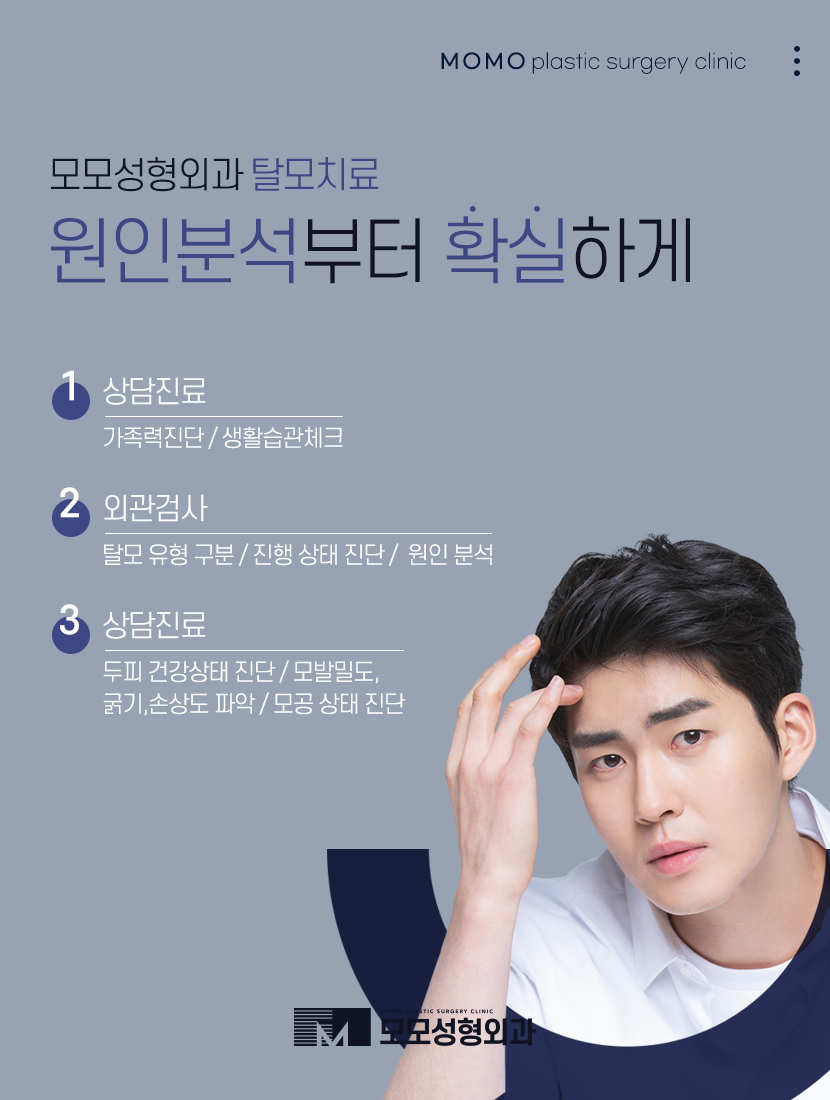
Depending on the affected area, the appropriate surgical
method or design may also differ, so if you are wondering
whether there is a good place that can achieve treatment and
raise the hair transplant graft survival rate, it is necessary
to visit a medical institution and receive detailed consultation
and examination.
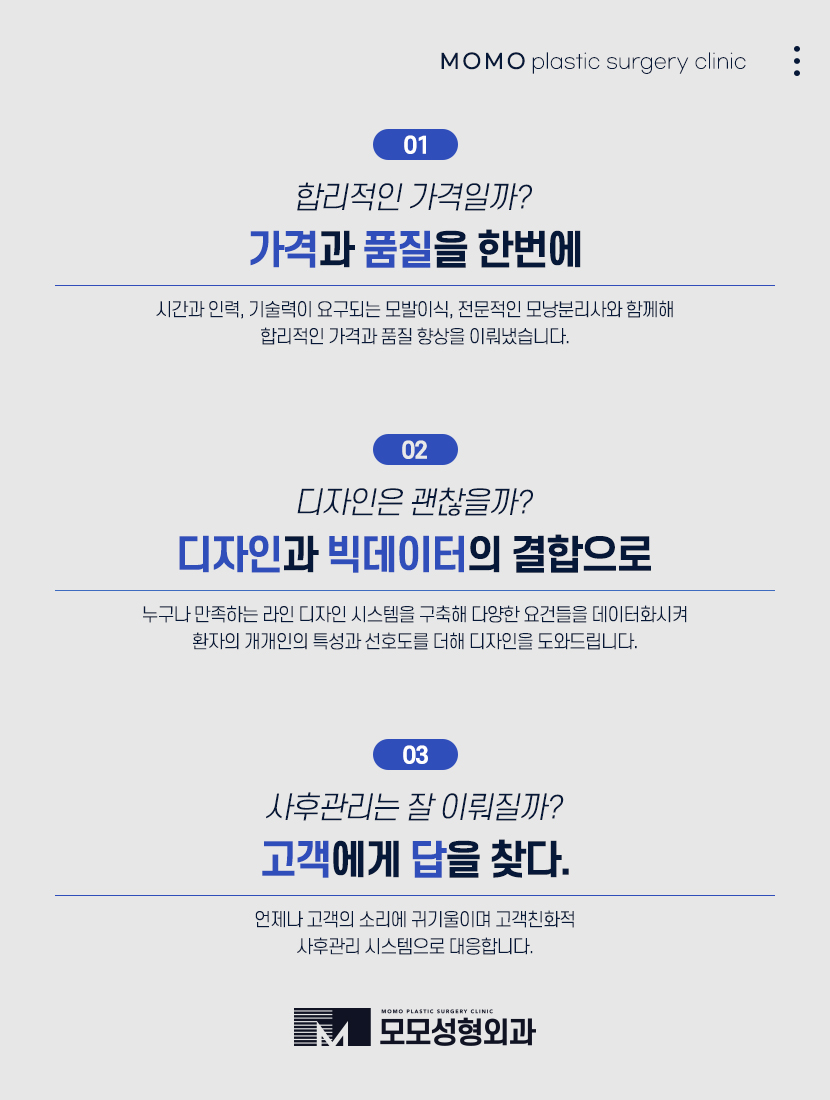
The cost of the procedure to transplant natural hair can vary
depending on the surgical method, the area to be transplanted,
the size of that area, and the number of follicular units needed.
However, choosing a clinic based primarily on low cost may not
be a good idea. If the graft survival rate is low after the
procedure, the natural hair that was transplanted with time,
money, and effort may fall out again, and a repeat procedure
will be needed quickly. So if you want to maintain a natural
style for a long time, you should carefully check and choose
after reviewing various factors in detail so that a high level
of results can be achieved.

If the surgery is broadly divided, it can be categorized by
whether the scalp is cut or not. The first method can be said
to involve removing a portion of the occipital scalp using a
tool and then excising it. The latter is a method that consists
of separating the desired follicles and transplanting them.
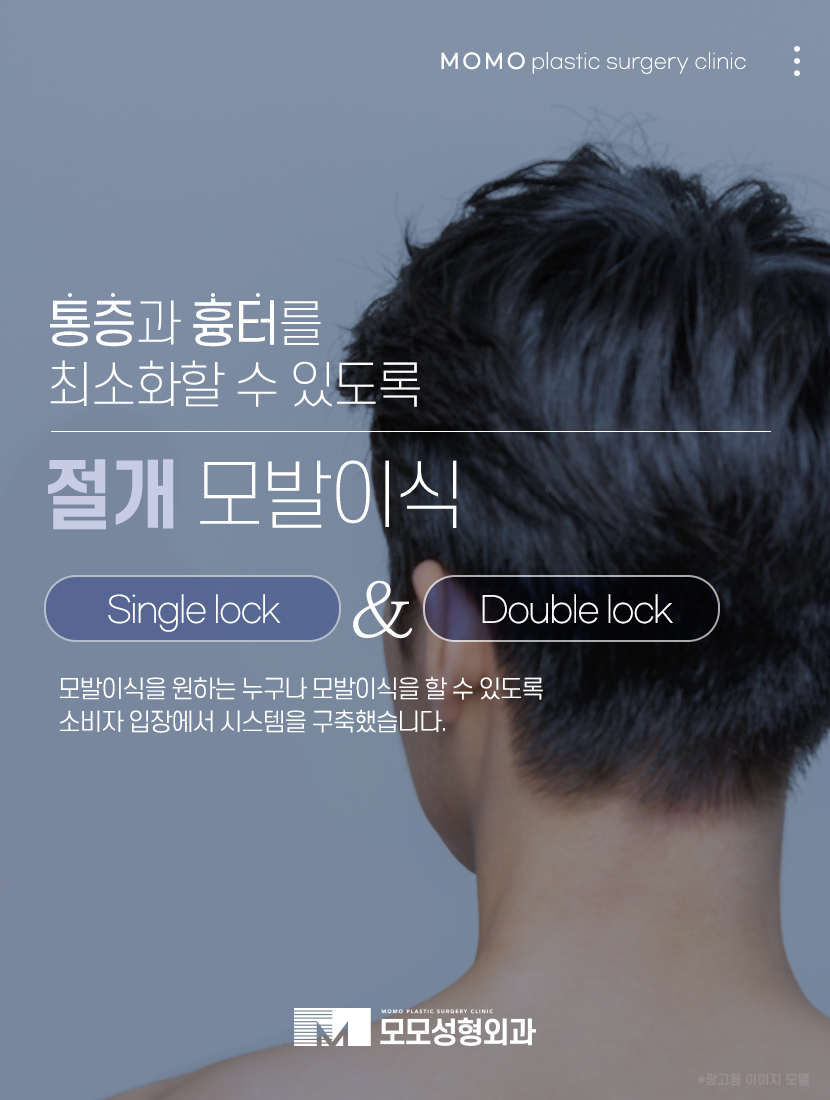
With the incision method, the scalp skin is separated at once
to obtain hair, so the procedure itself can be performed quickly.
However, because tissue is cut and removed during the operation,
bleeding and pain are unavoidable, and it may take a long time
for the area to recover. There can also be issues with aftereffects,
such as a pulling or aching sensation in the treated area.
In addition, there may be cases where shaving is necessary, so
the transplant may be more noticeable afterward, and it may take
additional time to return to daily life.
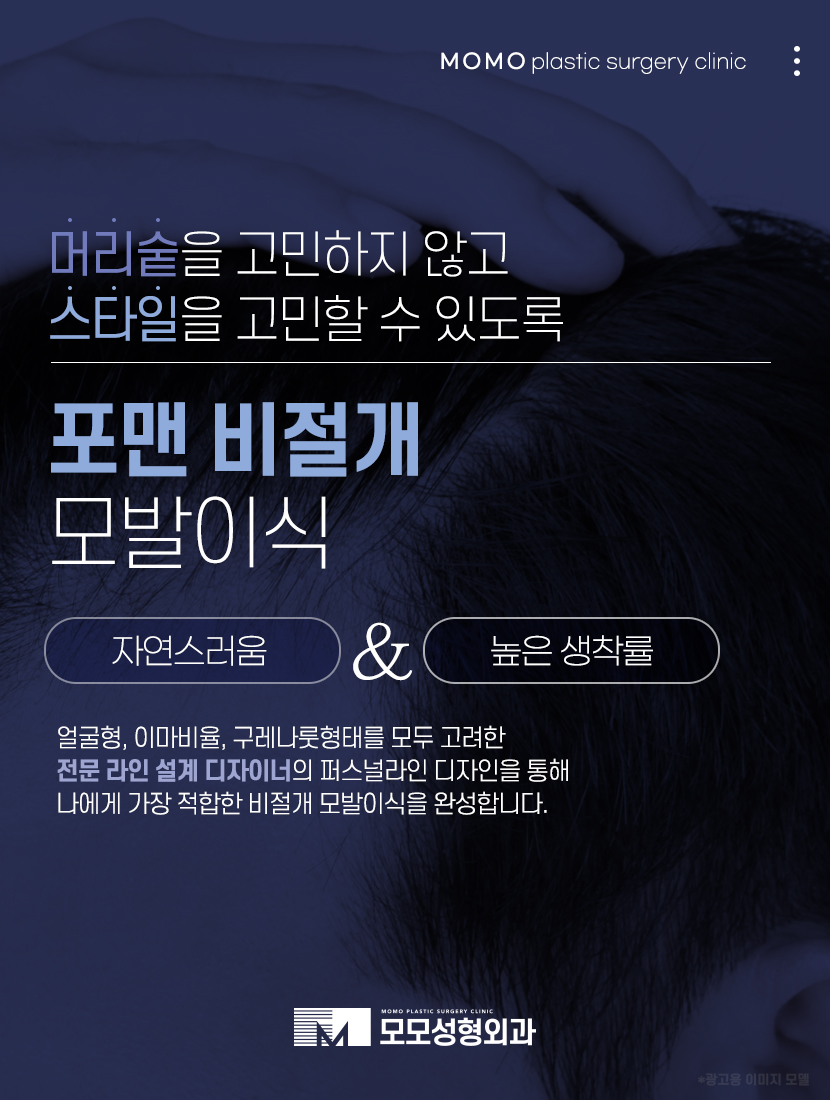
There is also the non-incision method, which is a technique that
compensates for the disadvantages of the existing method. Because
follicles are individually extracted one by one with a very small
punch, there is no need to go through a skin-cutting step, so damage
can also be significantly reduced. There will still be scars, but
they are not very noticeable, and over time only traces remain, so
recovery time can be faster. However, the drawback is that the
procedure takes longer.
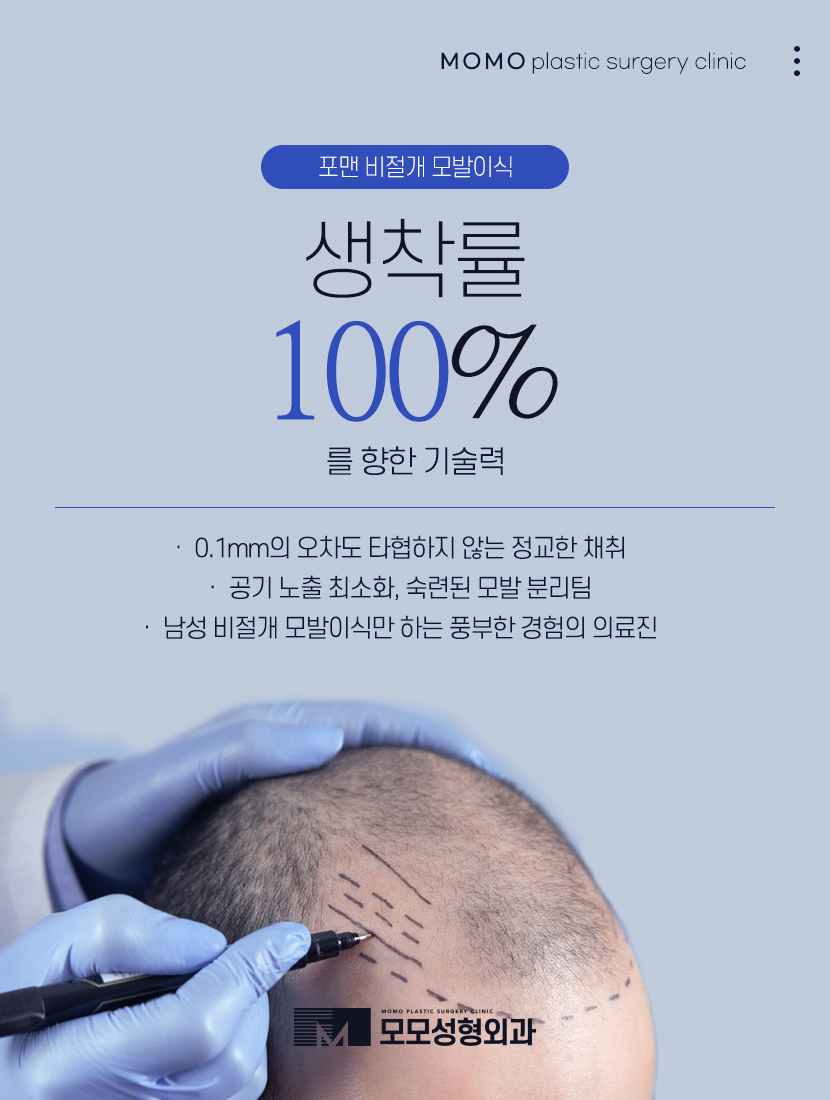
If scalp damage or changes in style are a burden, this method can
greatly reduce your concerns. It is also important to check whether
there is a medical team with plenty of experience and reliable skill.
These factors play a major role in determining hair transplant graft
survival rate, so comparing several places in advance and then
visiting can lead to greater satisfaction.
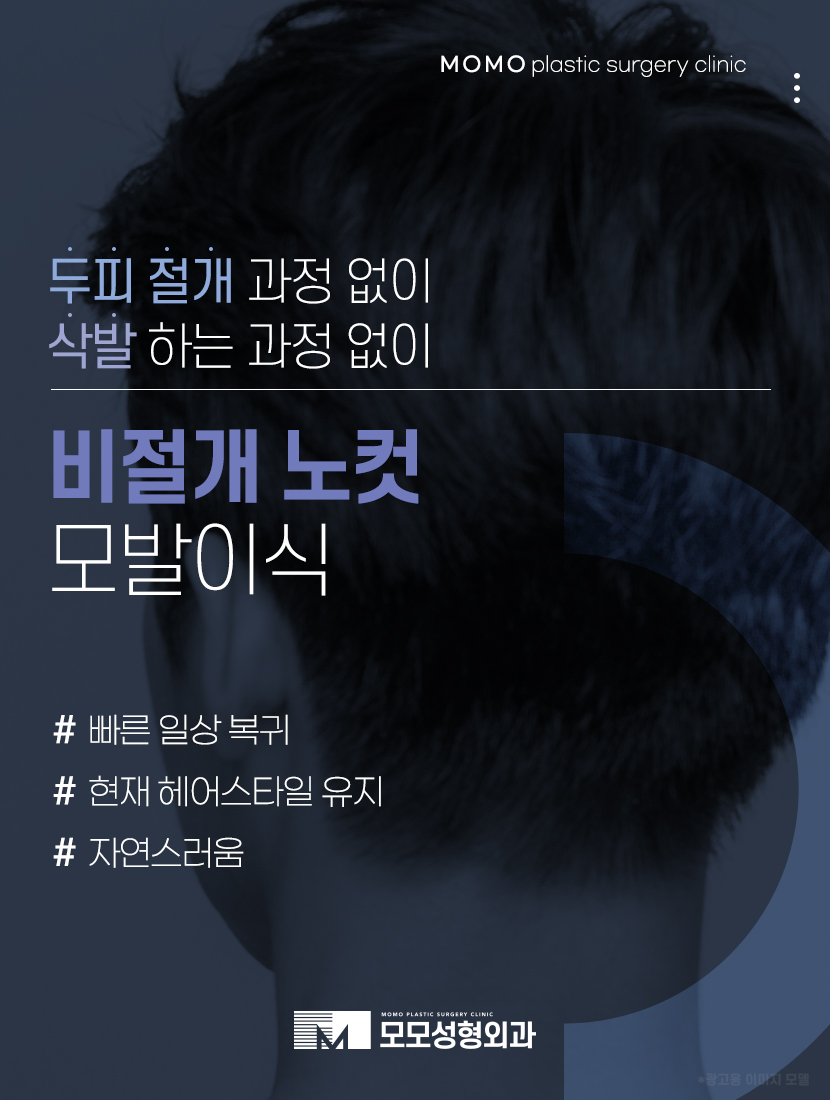
To improve hair transplant graft survival rate, it can be helpful to
have an experienced hair-separation team perform the follicle
extraction so that the time exposed to air is minimized and damage
does not occur. Precise extraction to reduce errors should be carried
out to prevent any possible injury, and it is also good to check
whether the procedure is being handled by a surgeon with extensive
experience.

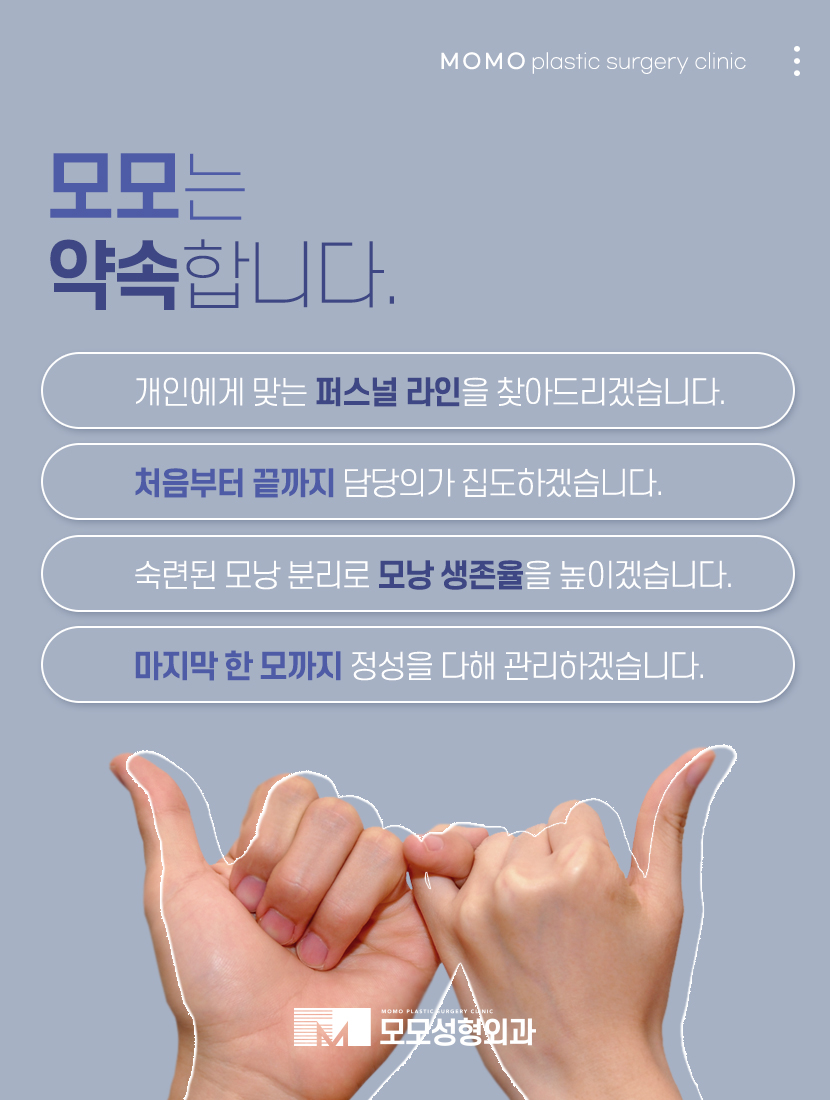
Also, it is not over just because the follicles have been transplanted.
Providing customized aftercare so that hair can grow back naturally
is another point that can help increase hair transplant graft survival
rate. To create a clean environment for the scalp, surface waste,
demodex mites, and dead skin cells are removed through scaling, which
can also help prevent inflammation in the skin.
In addition, it is beneficial to carefully check once more whether
there are any other issues and whether the treated area has been
tooled properly. It is also worth checking in advance whether each
patient can receive sufficient customized management throughout the
recovery period through a dedicated care team and achieve a good
prognosis.

Surgery is not simply a matter of transplanting the problem area.
It is important to derive an appropriate method according to the
type and characteristics, and to establish and carry out a plan
while also considering precise and reliable technique and design.
In addition, by inspecting the follicles and systematically managing
the procedure and transplant method so that a high graft survival
rate can be achieved, the prognosis will be more satisfactory if it
is performed at a place with a properly established system for
natural recovery.
From start to finish, there is nothing that is not important. Only
when the necessary conditions are met as much as possible does the
likelihood of achieving the appearance you wanted and hoped for increase,
so please do not overlook this.