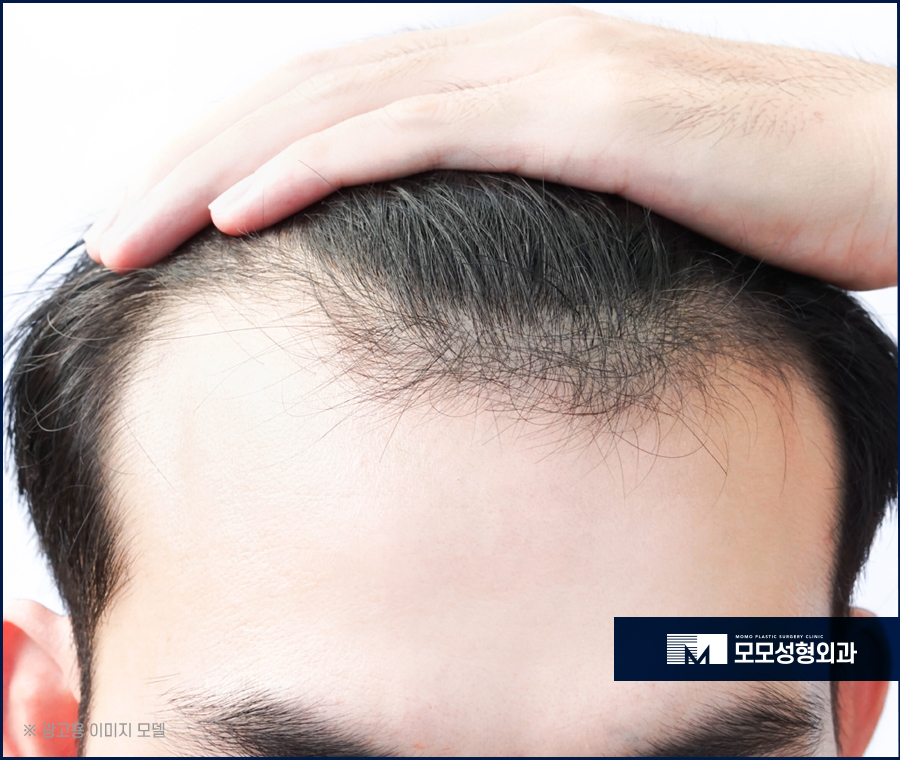
In the past, patients experiencing hair loss symptoms were mostly middle-aged or older men, but these days the group has become more diverse, including younger people and even some women.
It is not only a condition caused by aging; some people lose hair due to severe stress, others because of hormonal imbalance, and women may also experience it after childbirth. As more people become concerned about losing their natural hair, many worry that it can negatively affect their appearance or image, or even develop into a complex, so they often think carefully about how to recover.
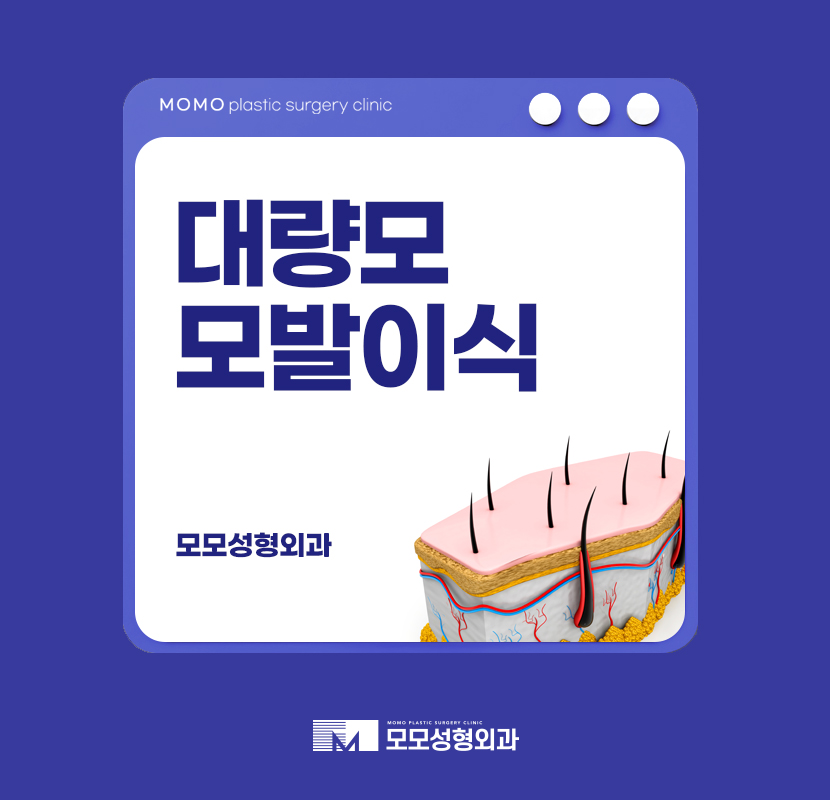
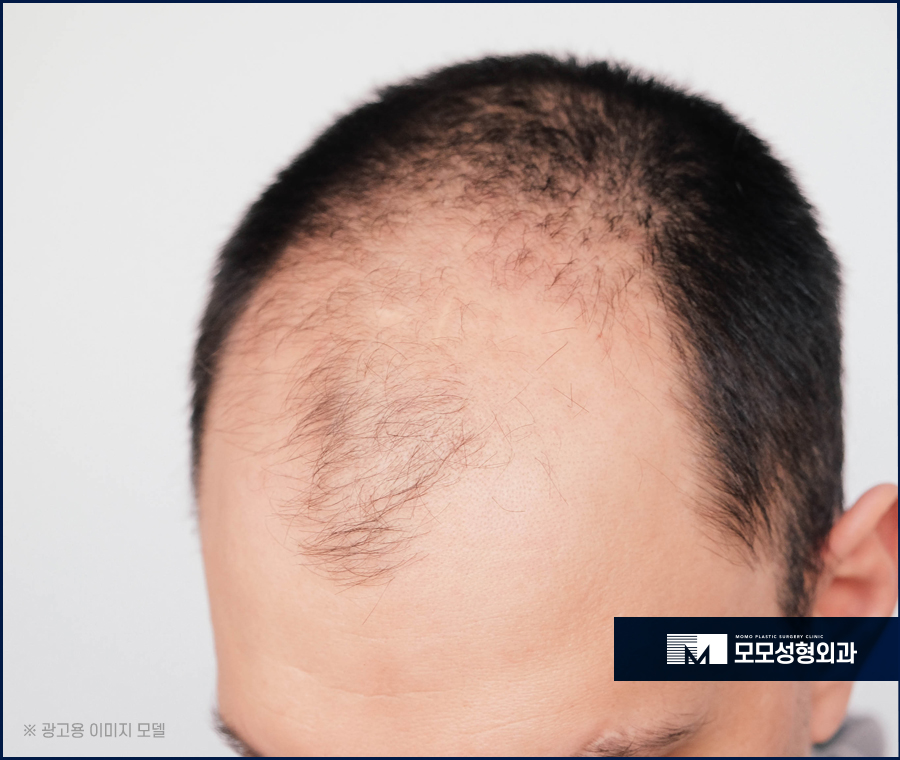
When the spread of the condition progresses faster than expected, or when it has been neglected due to personal circumstances and worsened so that a significant amount of natural hair has been lost, one of the methods people look into is large-scale hair transplant. Here, we will explain how this procedure is performed and how it helps achieve fuller hair.
Many people try to restore a receding hairline or reduced hair density by using hair-growth products, functional shampoos, eating foods said to be helpful, or taking prescribed medication. However, these actions do not fundamentally improve hair loss, and some people eventually consider wearing a wig. Even then, it can look unnatural, and wearing one also comes with various conditions, so it is not recommended.
After trying treatment in many ways without improvement, many people look into other methods and eventually learn about large-scale hair transplant and visit a medical institution. The procedure can be divided into two methods: incision and non-incision. Let’s look at what makes them different and what their characteristics are.
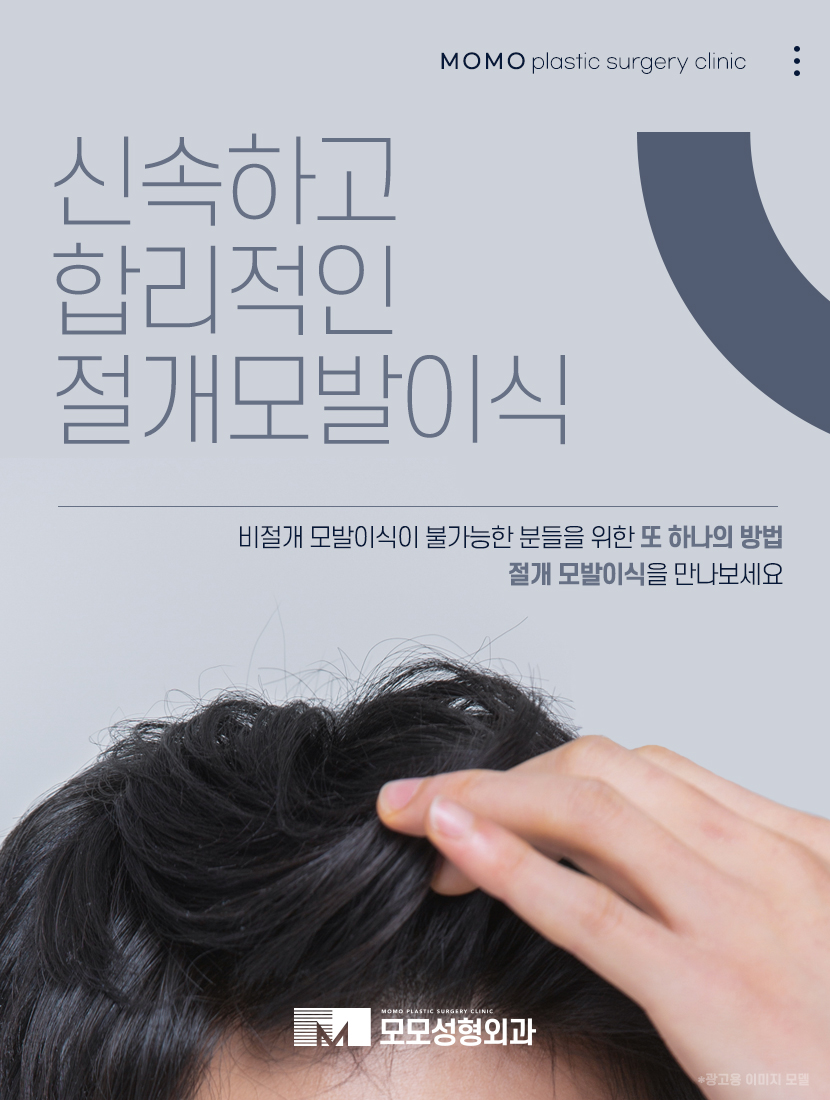
An incision method means cutting the scalp as much as needed from the permanent donor area at the back of the head and transplanting healthy follicles to the necessary area. Whether to proceed is determined through a thorough medical evaluation by the medical team.
This method is applied in cases where a stable procedure is needed, when the hair density in the back of the head is lower than expected, or when hair loss is judged to be progressing faster than expected.
Since this method involves cutting the scalp, pain or scarring may occur.
Because many patients worry about this, a double-lock suturing method may be used as a way to minimize these issues. By reconnecting even the subcutaneous tissue, it helps prevent the scar from widening and reduces pain caused by pulling. Suturing is done right at the front of the cut area so that hair can grow even where there is a wound, helping to conceal any trace.
There are several advantages to using the incision method for a large-scale hair transplant. The procedure time is shorter, and the cost can be lower compared with the non-incision method. It also allows the hairstyle to be maintained without shaving, and as mentioned above, it minimizes damage and can achieve a stable graft survival rate. Even though pain or scars may occur, many people still choose this method.
Still, when people are concerned, they often choose the non-incision method. Along with a natural appearance that does not stand out and a high graft survival rate, it analyzes the face shape, forehead ratio, and sideburn shape with the help of a specialized line-design professional, completing an appropriate procedure that achieves fuller density through optimal personalized line design.
For a large-scale hair transplant, this method obtains follicles without directly cutting the scalp, and the cutting is performed in a way that allows for a natural look.
First, the lower area of the back of the head is shaved with a two-block cut to obtain natural hair. There is also a line-cut method, which proceeds after shaving in a line shape at about 1 cm intervals. Another method involves taping each row at 1 to 2 mm intervals, making micro-cuts with scissors, and then transplanting the follicles. As with other treatments, large-scale hair transplant does not end when the procedure is finished. Since time is needed for the transplanted area to grow normally, it is important to receive customized aftercare so that a clean environment can be maintained and proper care provided until then.

First, waste materials, Demodex mites, and dead skin cells on the scalp are removed through scaling to create a better environment and help relieve inflammation. In addition, it is a good idea to thoroughly check whether there are any other abnormalities in the area and to receive one-on-one customized care from a dedicated personal care team so they can pay close attention to helping achieve fullness.

Please note that large-scale hair transplant refers to cases in which 5,000 to 6,000 grafts or more are transplanted. Because the results can vary greatly depending on the skill of the medical team, it is a good idea to check whether they have the skill and know-how gained through diverse experience. This can be a way to expect a better prognosis.
If hair loss has progressed significantly and you are worried because you do not have enough hair, please remember once again that it is necessary to visit a medical institution as soon as possible and find a solution together with the doctor through consultation and diagnosis.