
As social awareness of the importance of personal appearance and grooming continues to rise,
people of all ages and genders are paying a great deal of attention
in order to create an image that is likable to others.
They invest a lot of interest in improving what they feel are their own flaws
and in increasing the overall completeness of their appearance.
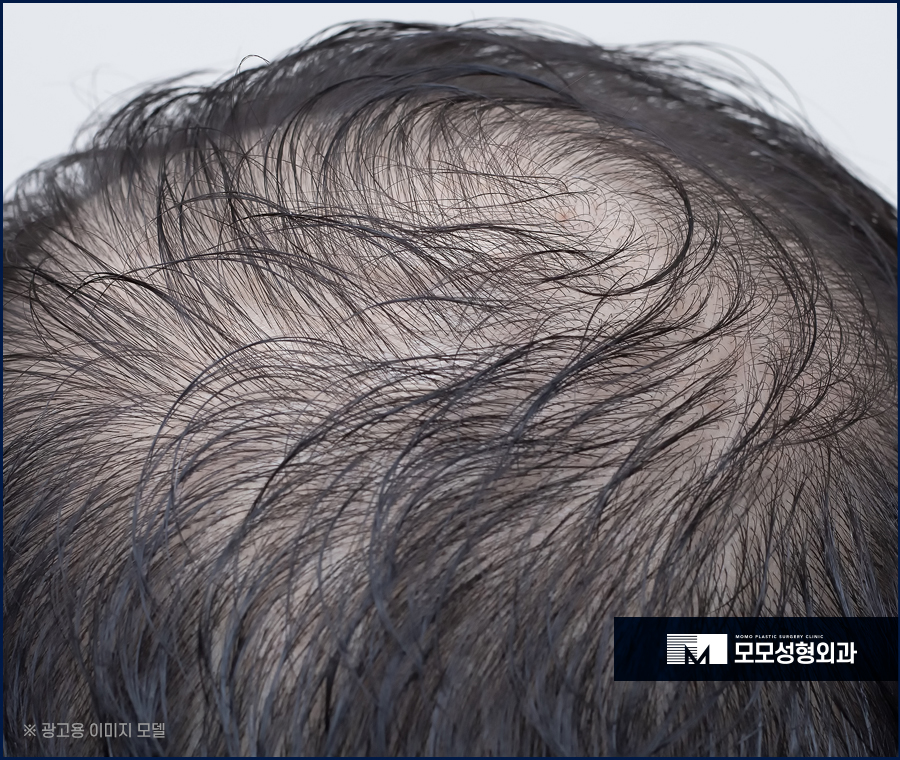
Among these, the areas that attract attention because of their importance
are not only facial features or body shape, but also hairstyle, which can be said
to play a key role. Depending on the style you choose,
a person's image and atmosphere can change greatly, and hair volume
also has a significant effect on that. If the amount of hair becomes insufficient,
it becomes difficult to achieve a variety of looks that suit your taste and appearance,
and if the shortage is severe, it can even have a negative effect on your image.
For that reason, it is a sensitive issue.
Recently, there have been more situations in which people experience stress
from not only social life or work-related issues, but also various other circumstances.
As the number of such people gradually increases, more and more people are also
experiencing hair loss symptoms and shedding their natural hair for emotional reasons.
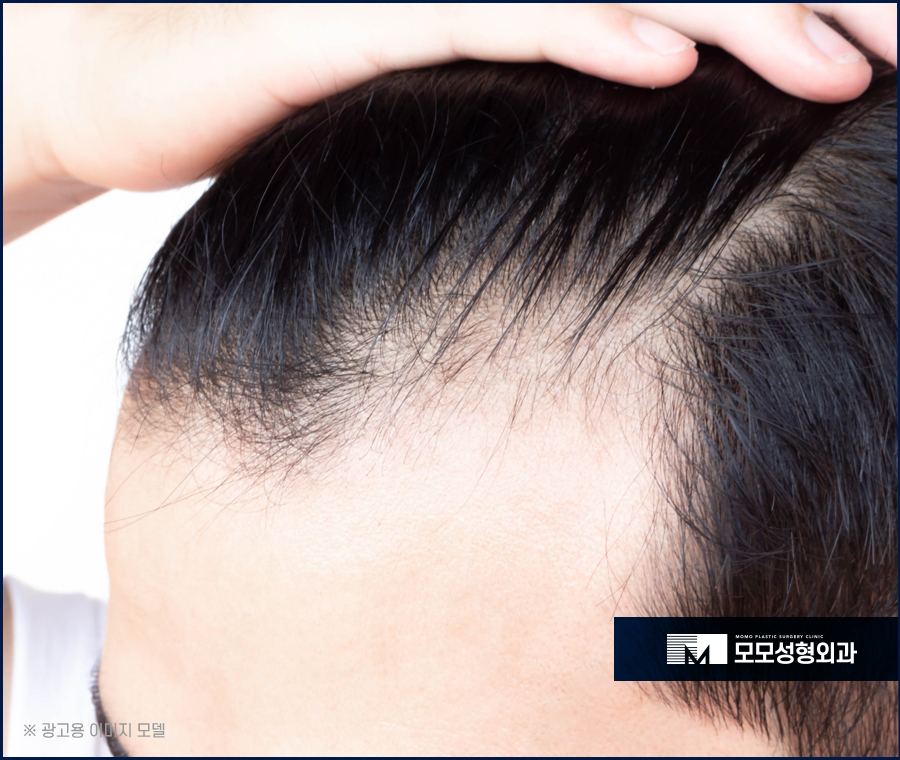
Because this also has a major aesthetic impact, if thinning hair becomes visibly noticeable,
people may feel emotionally anxious as they face a condition they never expected
and do not know how to address.

A shortage of natural hair is directly connected to one's confidence.
To regain a sense of self that has become discouraged, some people try products said
to be helpful for promoting hair growth or undergo various procedures,
but if the condition continues to worsen and there is no visible improvement,
many people choose hair transplantation to achieve a result they will not regret.
As the number of people experiencing hair loss is large, many also take interest in transplantation and undergo the procedure themselves,
but the number of people who need to undergo the procedure again because something went wrong is also increasing.

After receiving the first procedure, some people expected their previous hair condition,
but when the hair starts falling out again, they look for a medical facility to undergo hair transplant revision surgery
so that they can prevent this situation and avoid regret later.
As with all treatment methods, a second procedure after an issue has arisen is more difficult and more complicated than the initial surgery.

The same is true for hair transplant revision surgery, which inevitably becomes a much more advanced procedure
than the first one. To understand why the difficulty level is higher, during treatment,
natural hair is collected from the occipital area, a region called the permanent zone,
and then transplanted to the desired area and implanted again.
The part of the scalp that serves as the root, called the follicle, is obtained,
and once it is extracted, hair does not grow back in that area.
In other words, it is not a method of increasing hair overall, but rather a way of redistributing
what already exists from areas with sufficient hair to areas with a shortage.

Hair transplant revision surgery has the problem that, because the follicles were already harvested in the previous procedure,
follicles cannot be obtained again from the same area.
For patients who had a large-volume procedure, harvesting is inevitably much more difficult than for those who did not.
Since the first method ended in failure and this is a second attempt, carefully checking whether the examination and diagnosis are thorough
and whether the precautions are clearly reviewed is one way to increase the success rate for a successful second result.
It is also necessary to remember which areas need special attention; it should not be done recklessly simply because it is urgent.
In the first stage, it may be appropriate to maintain the existing design as much as possible and continue by filling in the internal density in areas where grafts did not take well.
Some patients may want retouching of areas they were dissatisfied with, but if the line is changed or altered too drastically,
newly implanted areas may have a lower graft survival rate, so it is better to avoid factors that could cause problems.

Because of the limitations of follicles during hair transplant revision surgery, it is necessary to protect the design that was created previously as much as possible.
Follicles that exist in the scalp are not produced without limit; they exist in a finite amount,
so those who underwent the procedure earlier are likely to have used a large number of grafts from the permanent zone.
Therefore, if the remaining natural hair is not preserved, the back of the head may also appear sparse as if hair loss had occurred there,
and there can be cases where improvement becomes impossible even if you want it.
For that reason, it is advisable to establish a treatment plan with a direction that preserves the occipital area as much as possible.

Next, it is necessary to check whether the procedure can be performed using an implanter pen.
If the procedure is carried out with a device, the likelihood of achieving a good result may increase.
The reason is that, during hair transplant revision surgery, the common method is to additionally implant grafts between previously transplanted natural hairs.
To first explain the difference between an implanter pen and a slit method used with instruments: the former uses a needle to make holes in a certain part of the scalp and create space between them so that the hair can enter,
whereas the latter cuts into the scalp from beginning to end, which means there is a possibility of damaging the hair that was already there.

If additional treatment is performed, using an implanter pen may be a somewhat more stable method.
And if aftercare is neglected, the result may once again go in an undesired direction,
so to avoid regret, please remember to listen carefully to the medical staff's instructions and follow the precautions they explain.

It is better not to drink alcohol or smoke for 1 to 2 weeks before the start of treatment,
and for vitamins, antithrombotic agents, or anticoagulant medications, it is best to discuss with the doctor in charge
and decide when to stop them.
If you carefully follow these points in the medical staff's guidance, you will be able to expect the desired result.