To improve your appearance,
it is good to consider and think through
various factors. Among many elements,
a hairstyle can have a significant
impact on changes in appearance. Depending on
how you style your hair, there can be a
large difference in the impression or
mood you give off.
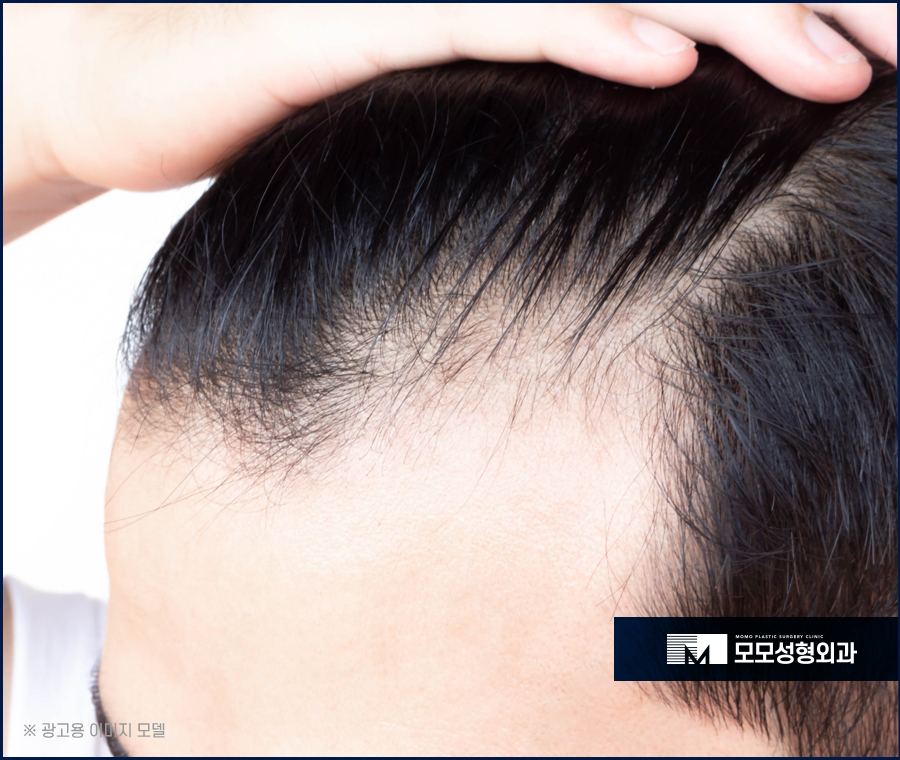
So if, when you look in the mirror, your hair is
thin or there is a lot of visible forehead,
and hair loss has progressed significantly,
it is natural to worry a lot about improvement.
There are various methods for recovery
seen on broadcasts, the internet, social media,
and elsewhere, so you may refer to those
and try functional products, hair loss medication,
or changes in diet. But if the problem is not
fundamentally resolved and your concerns are
serious, it may be a good idea to get help
through hairline correction surgery.
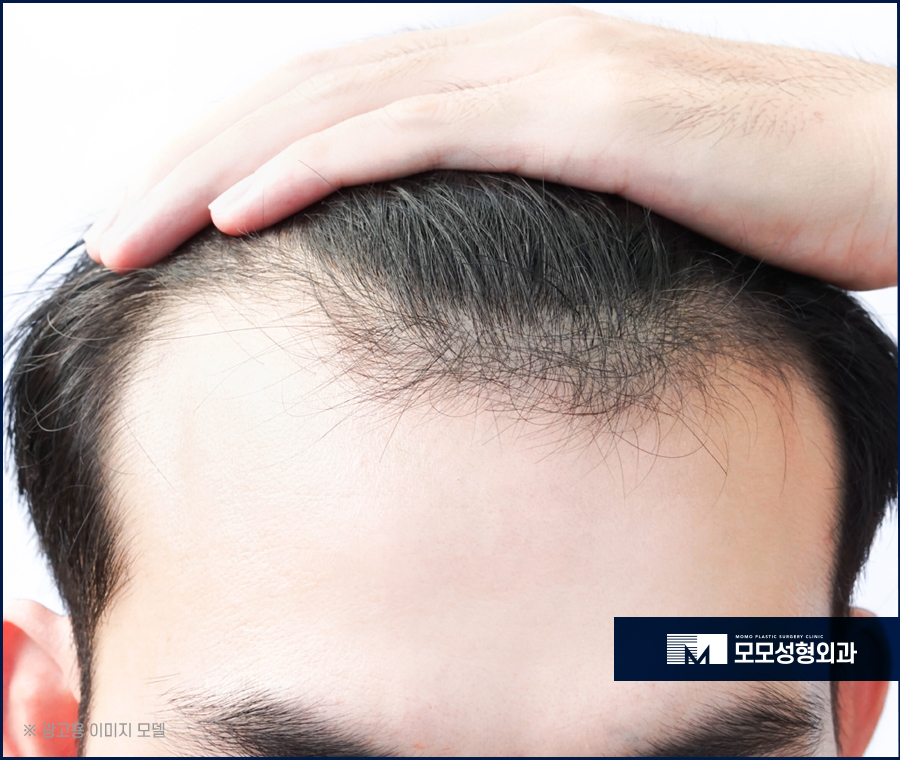
This hairline correction surgery can help make
a broad-looking facial area appear smaller
and more refined, as it was before. Perhaps
because it can have such a big effect on
improving appearance, it is a procedure that
more and more people are preferring.
If you hope to undergo it, it is important to
approach it carefully. If it is performed in the
wrong way, it may look unnatural to the naked eye,
which can result in unsatisfactory outcomes.
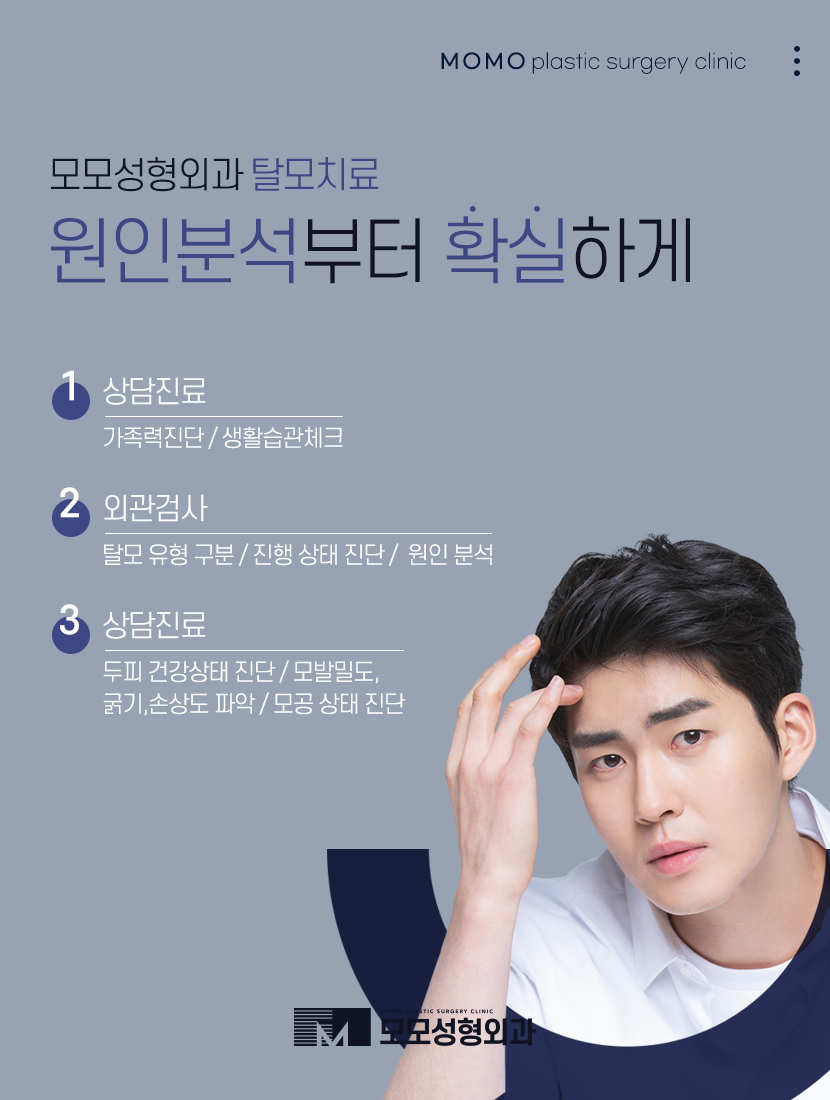
Because each person’s scalp and follicle characteristics
are not the same, it is best to visit a medical
facility that accurately checks these features and
performs the procedure with a design suited to your
appearance.
In addition, instead of simply planting hair without
a plan, it is recommended that you look into a
facility that identifies the limited number of
natural hairs available, predicts the appearance
after completion, and performs a delicate procedure
that creates a hairstyle suited to the overall
appearance while also reducing visible traces.
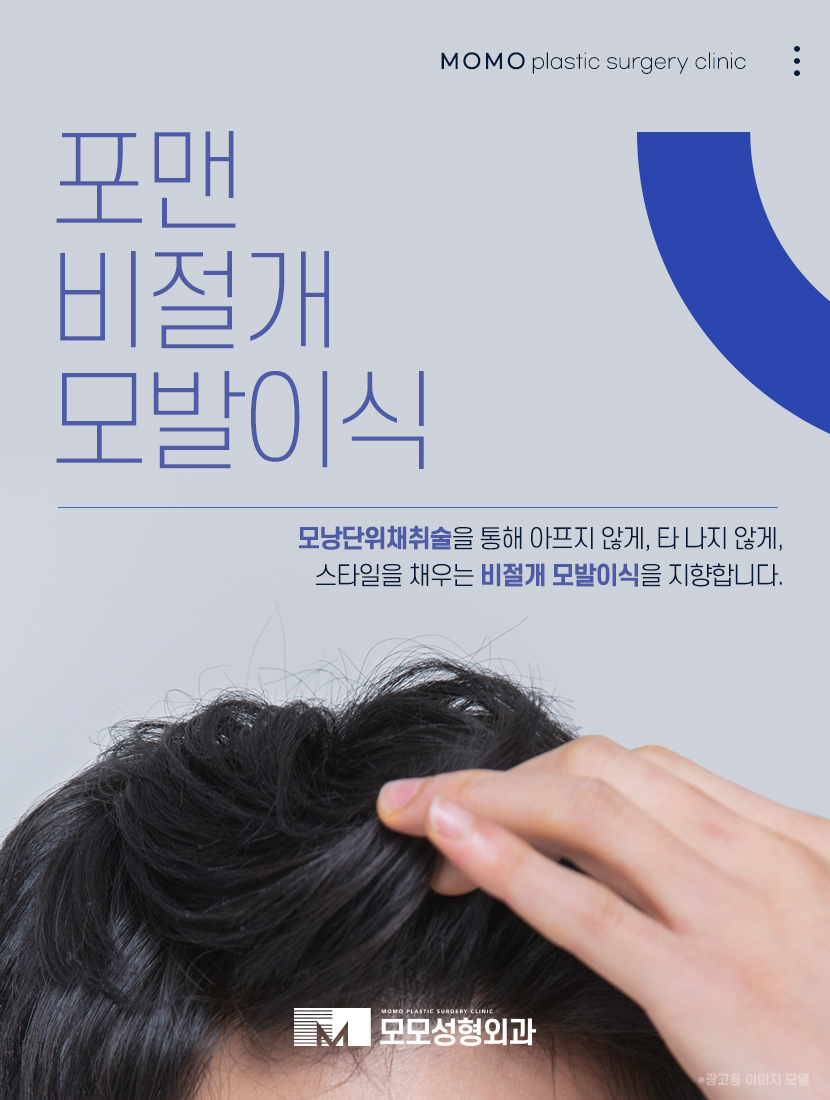
When looking into hairline correction surgery,
many people prefer the non-incision method.
This method requires a great deal of experience,
know-how, and skill. It is performed by using a
punch tool matched to each person’s follicle size
to extract tissue one by one and transplant it.
Using equipment with an inner diameter of 0.8 to
1.2 mm, it can leave very small scars after
transplantation that are barely visible to the eye,
so recovery time is relatively quick. Since the scars
are covered by surrounding hair, it can be a method
that does not leave you worrying about whether it
will show.
However, because it is such a delicate and highly
difficult procedure, the time required and the
results can vary greatly depending on the skill and
experience of the medical team. If you are worried
about problems, it is also important to visit a
specialized facility that performs this procedure.
During the procedure, some patients look for hair
cutting methods that cover the extraction area with
natural hair without cutting the scalp or hair.
There are broadly four types of these. First is the
two-block cut, which is obtained after shaving the
lower occipital area. Next is the method of shaving
along lines at intervals of about 1 cm and then
extracting the grafts. Another is the method of
taping each line at 1 to 2 mm intervals, then using
scissors for a micro-cut and obtaining the follicles.
Lastly, there is the no-cut method, which allows the
grafts to be obtained without cutting the natural
hair at all. The surgeon and patient discuss the
design together and decide before proceeding.
When undergoing hairline correction surgery, it is
important to transplant a large number of grafts,
but the factor that determines success can be said to
be the survival rate. Therefore, it is worth checking
in advance whether precise extraction that minimizes
error is performed, whether exposure to air during
follicle extraction is minimized to reduce
contamination, whether an experienced hair separation
team is responsibly in charge of the procedure, and
whether a doctor with extensive experience in
non-excision transplantation is on site. These are
important conditions for determining a high survival
rate and may also lead to greater satisfaction.
The ideal forehead shape for each person can be
different. If you are considering hairline correction
surgery, it is important to receive treatment at a
place where your facial shape is accurately examined
and the procedure is carried out based on an
appropriate design. In addition, it is good to
regularly check whether the transplanted hair can grow
stably through post-procedure care.

It will be very helpful in achieving full hair growth
to reduce issues such as inflammation through scaling
that removes waste matter, Demodex mites, and dead
skin cells present on the scalp, and to receive follow-up
care through a dedicated 1:1 personal care team that
carefully checks the hair to see whether there are
any other problems.
As time passes, you may not feel satisfied when you
look at the results. After a year has passed, you may
worry about whether you need to spend money and time
again for another procedure. That is why you should
also check whether the relevant facility operates a
responsibility guarantee system. If, even after one
year has passed since the procedure, you feel that the
density of the hair is insufficient or that it looks
unnatural, it should be guaranteed through
retouching with responsibility so that you can have
confidence in the treatment. Please also check this
point.

You may have symptoms such as hair loss, or you may
simply be dissatisfied with your own style. If your
concern is serious, please visit a place that is good
at hairline correction surgery, receive a detailed
diagnosis and consultation, and get appropriate
treatment. This can be a way to expect a good outcome
without unnecessary stress.