Hair loss, that is, the phenomenon of hair falling out,
is something many people worry about.
It has a major impact on appearance, and hairstyle
can even change the overall impression and look
of a person, which is why everyone makes efforts to
style their hair nicely.
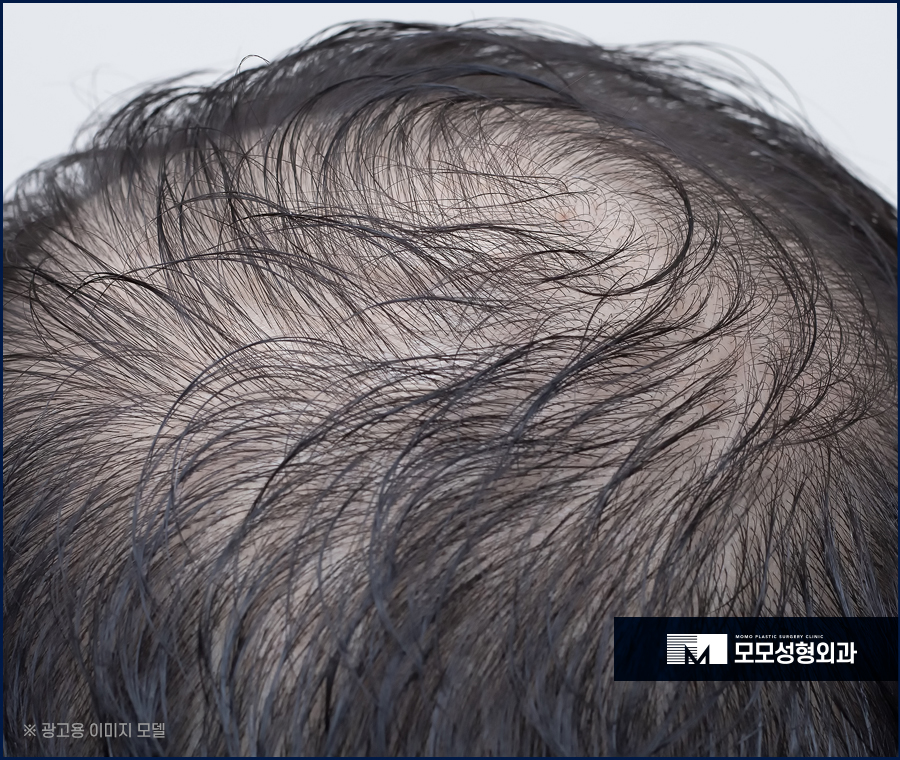
In the past, a large amount of hair loss that left
an exposed scalp was strongly recognized as a
chronic issue that often appeared in older men,
but recently it has also become common among young
men and women, and is said to occur quite often even
in younger people. Although genetic factors are often
cited as a major cause of hair loss, 대표적으로 stress
can also be considered a major factor, along with
excessive dieting and irregular lifestyle habits.
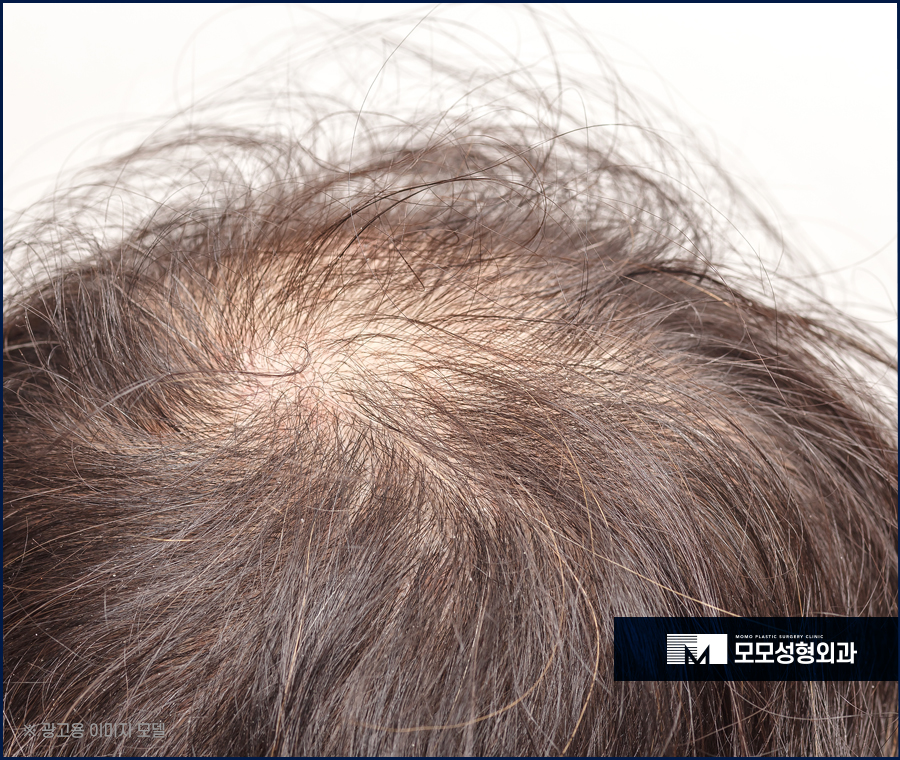
In addition, there are many different reasons why
hair loss begins, so it is also difficult to pinpoint
the root cause exactly. And if the symptoms are already
in progress, they tend to advance rapidly and
uncontrollably, which is why people start looking for
ways to help with hair growth and make efforts to
protect every single strand that is falling out.
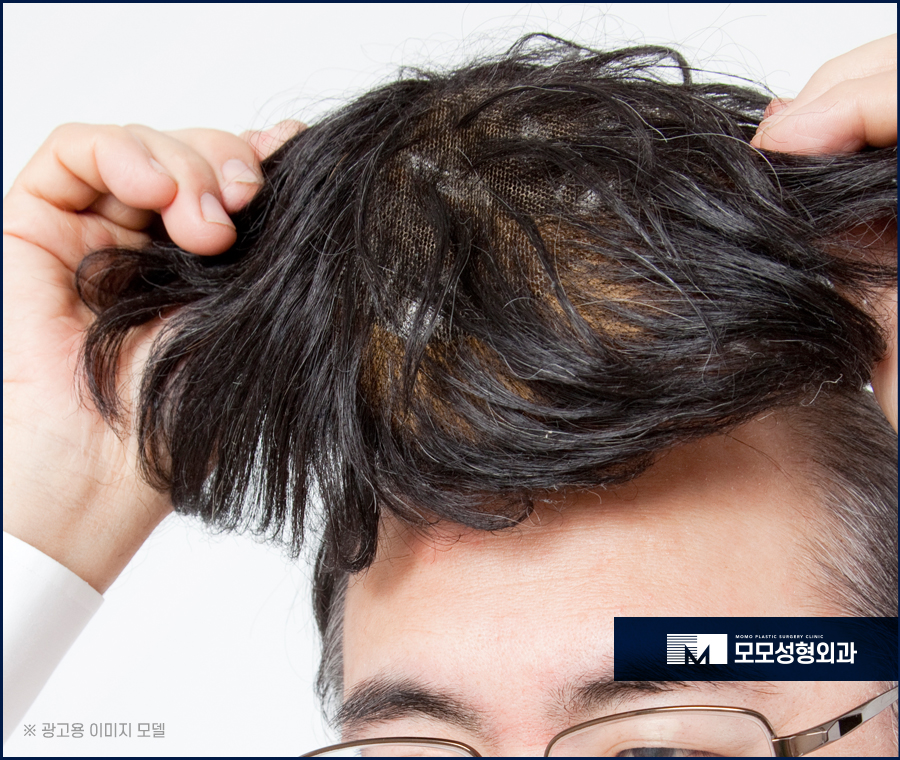
Because it is a symptom that occurs regardless of
gender or age, many preventive products are being
produced and introduced. People use shampoos that are
easily available online or in stores, sprinkle hair
concealer powder on sparse areas of the scalp, or wear
wigs, but these methods are mostly temporary and often
make it difficult to achieve lasting satisfaction,
which is why they are often seen as hard to maintain
for a long time.
Once hair begins to fall out, it cannot be reversed,
and there is no complete cure. Hair loss itself does
not cause pain or inflammation, so it does not create
much inconvenience in daily life, but because the
visible part matters a great deal, many people are
considering procedures through incisional and
non-incisional hair transplantation to fill in the
hair, and the number of people who prefer them has
also increased.
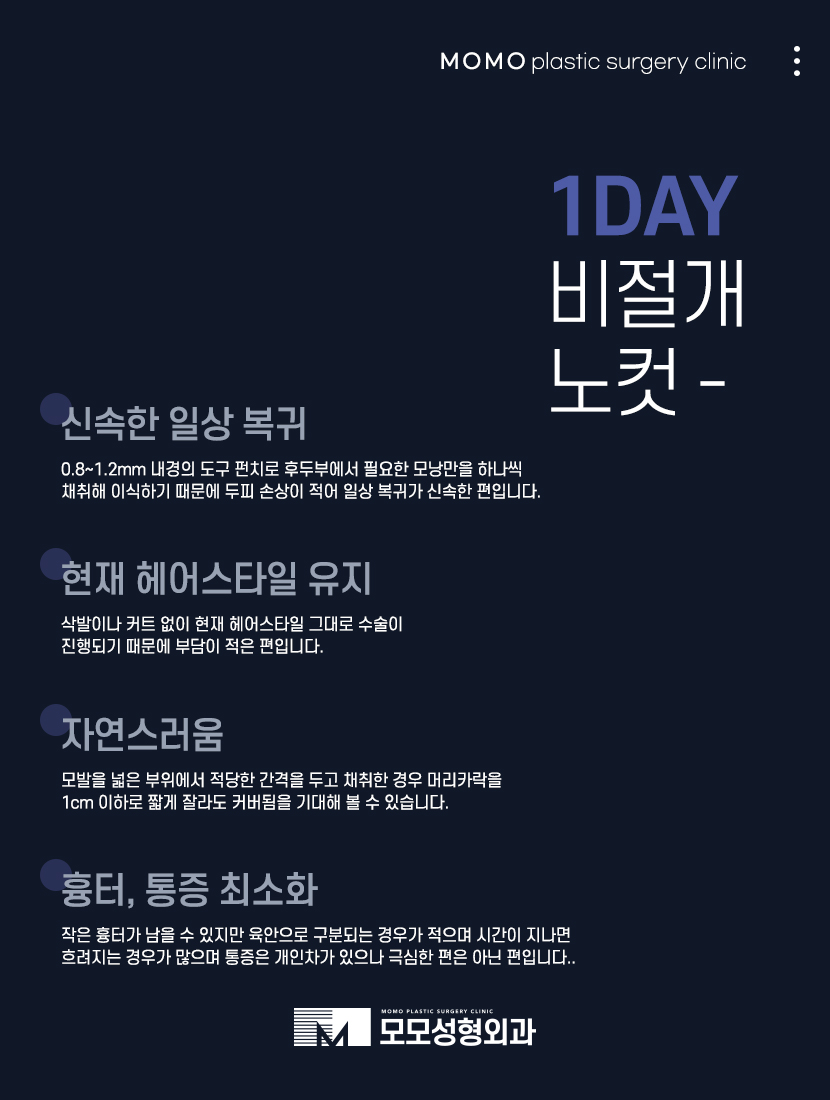
This can be seen as a method of using follicles from
a person’s own body and moving them into empty areas.
Because autologous hair is used, it is considered
effective, and it is also regarded as a representative
treatment method.
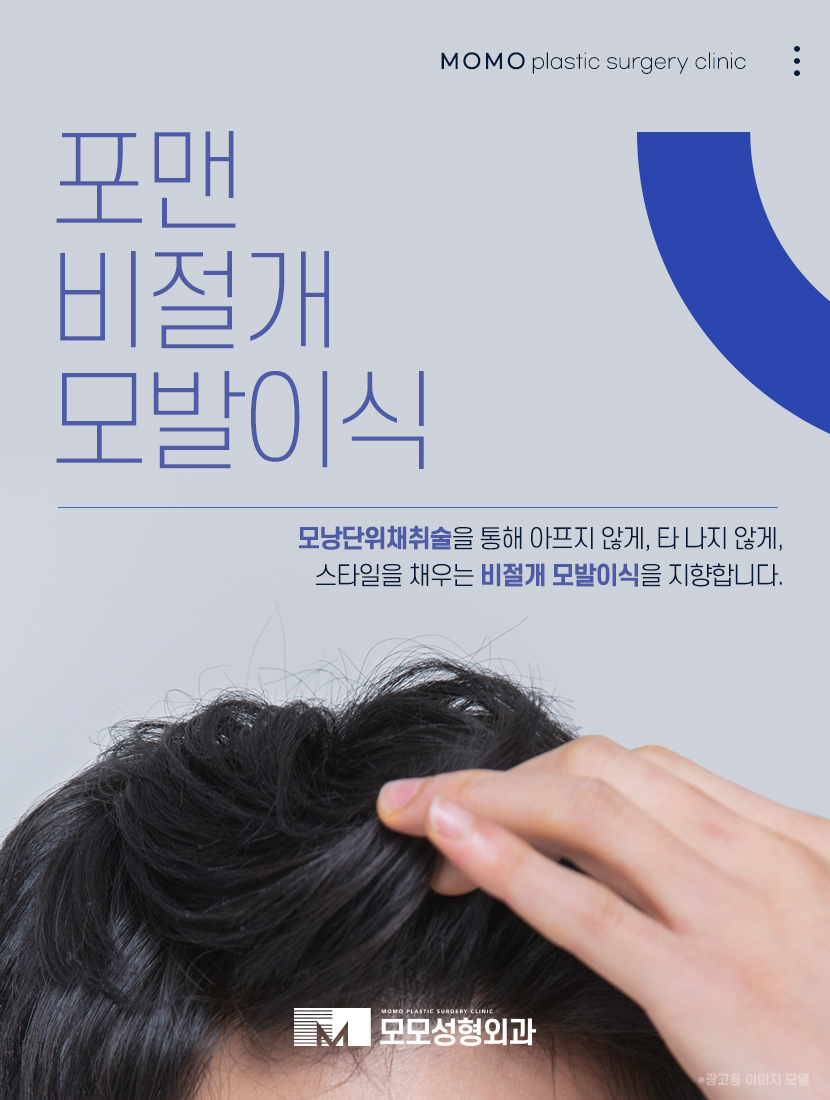
This method is not performed in a uniform way; rather,
depending on the condition of the scalp and follicles,
and current circumstances, it is divided into two
methods: non-incisional and incisional. In the past,
only a method involving excision was usually possible,
but as medical technology has advanced, many clinics
now perform procedures by transplanting one hair at a
time.
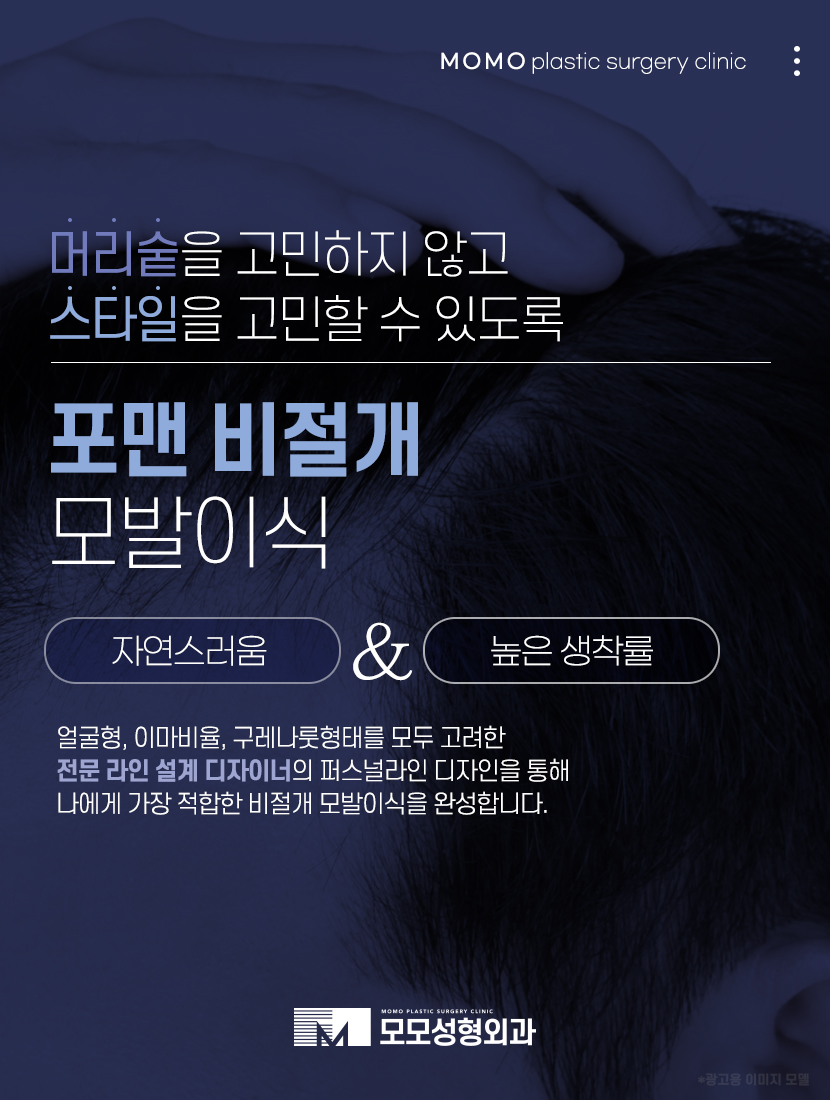
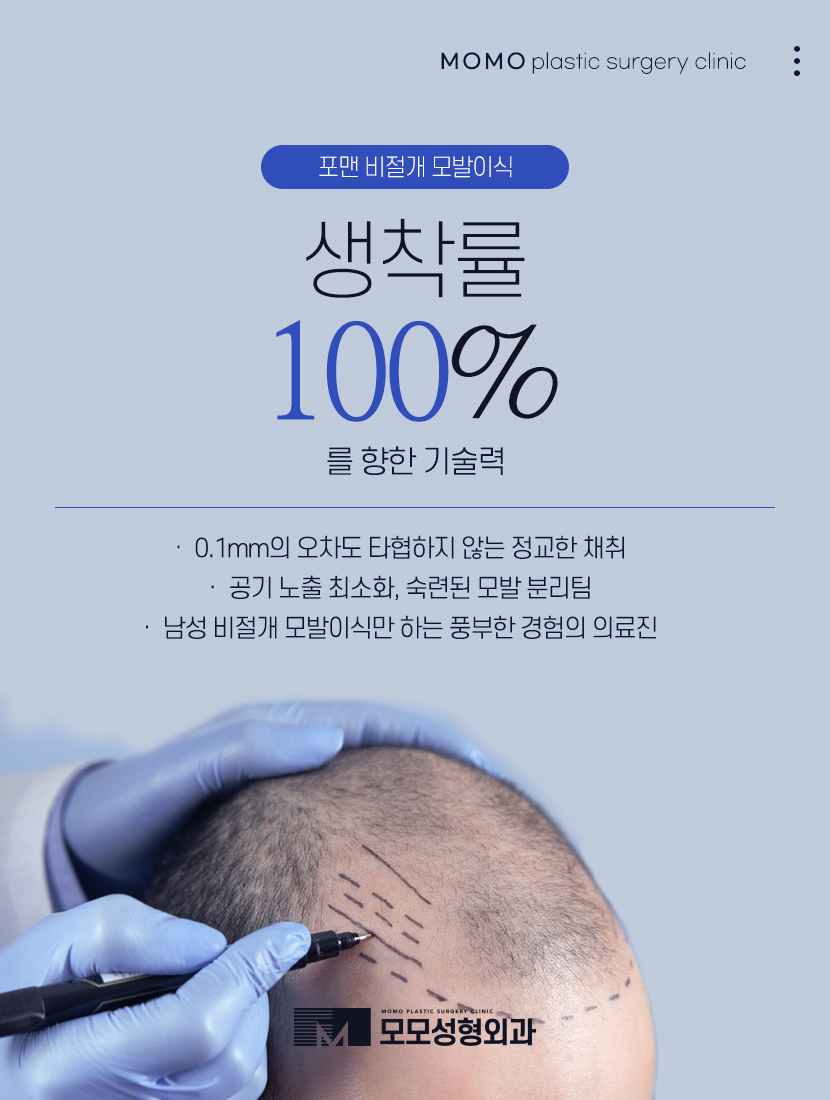
The main difference lies in the process of collecting
follicles from the back of the head and transplanting
them into areas with sparse coverage. The distinction
is made based on how the follicles are harvested. In
short, they are divided depending on whether the scalp
is excised or not, and each has its own advantages and
disadvantages.
If the scalp is excised, there is a possibility that a
scar may remain during the subsequent suturing process.
The scar may be very small and invisible to others, but
it can still be a concern for the patient. For this
reason, many people avoid this method. In addition,
the recovery period also differs considerably.
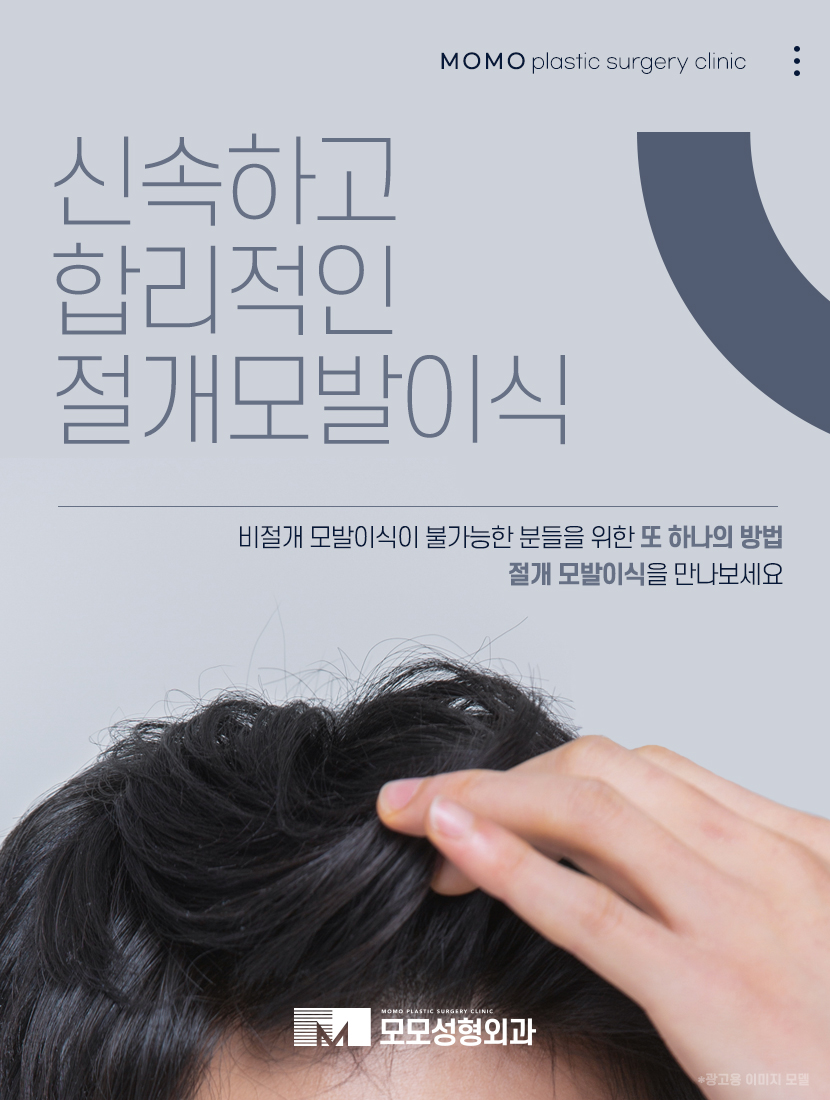
Because suturing is required and bleeding also occurs
to some extent, a certain recovery period is needed.
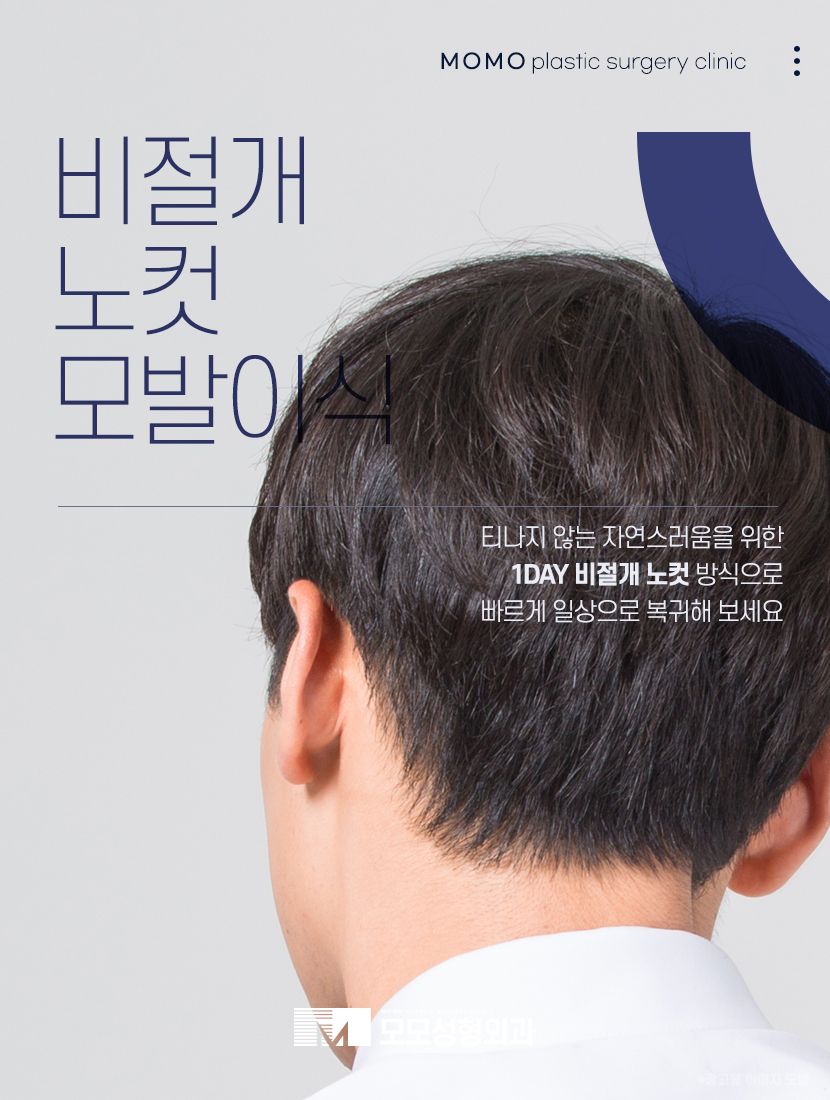
However, if the scalp is not excised, the follicles are
selected and extracted without irritating the scalp,
so it is said that daily life is possible even the day
after surgery, and no particularly long period of free
time is required.
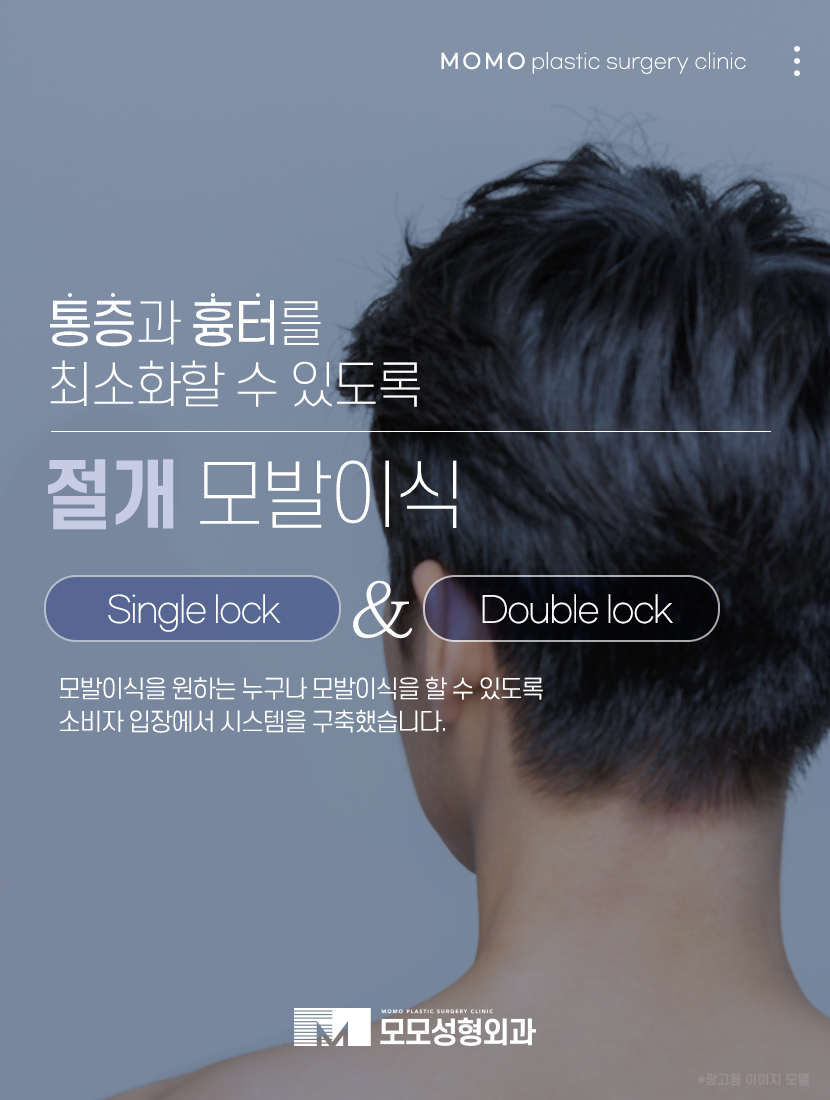
In addition, the size of the wound and the visible
trace can be said to be very small, and after about one
year, they are said to be barely visible even to the
naked eye. For this reason, the non-incisional method
among incisional and non-incisional hair transplantation
is relatively more preferred, and in a society like
today’s where many people need to return quickly to
daily life, it may be even more suitable.
However, because follicles are individually selected
and harvested, a high level of concentration from the
responsible doctor is required, and the procedure also
takes a long time, so enough time should be set aside
for this.
The two methods also differ in price. Recently, the
price range of the technique that extracts and
transplants one hair at a time has gone down as demand
has increased, but when compared with the two methods,
it can still be relatively expensive.
Rather than focusing on whether something is good
because it is cheap or because it is expensive, it is
better to focus on the point that the procedure should
be carried out according to one’s own needs. To achieve
satisfactory results, it is important to find the
method that suits you while also considering all
aspects of aftercare. Even after surgery, the hair may
fail to settle and fall out, so once treatment is
finished, you should not overlook it and must continue
efforts to ensure good graft survival and smooth hair
growth.
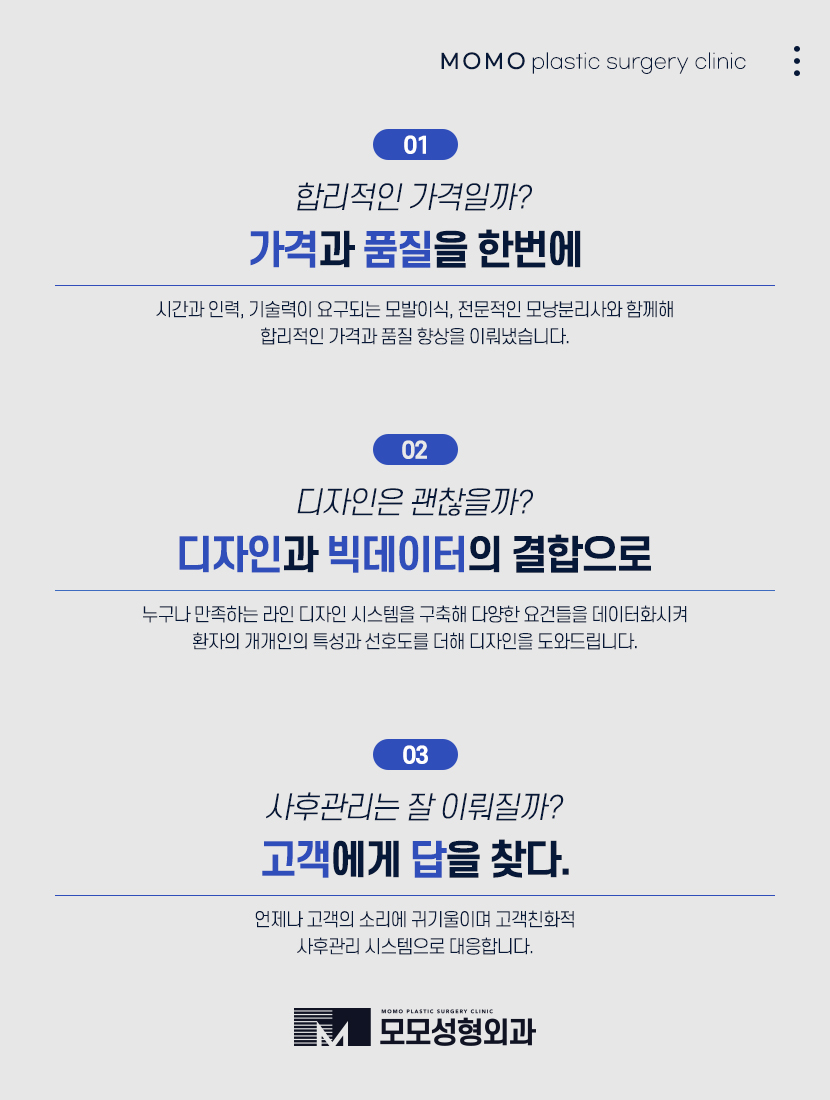
While self-care is important, receiving help from a
related clinic can make care much easier, so please
keep in mind that it is also necessary to check what
aftercare services are provided and whether the clinic
offers responsible medical care.

When looking into incisional and non-incisional hair
transplantation methods, you should know that it is not
always better to transplant as much hair as possible.
Because the procedure should be tailored to your own
head shape, hair condition, facial contours, and other
factors, you need to discuss the direction in depth
through analysis and consultation with the doctor.
For a favorable prognosis, it is better to respond
quickly rather than leaving the problem untreated and
postponing it for later. Starting as early as possible
can help you avoid many burdens, and the results are
more likely to look natural as well.

Therefore, when warning signs appear or are detected in
the early stages, taking active action will not only
slow the pace but also prevent more serious situations
from occurring. Hair transplantation is important for
aesthetic reasons, but slowing the rate of hair loss is
arguably even more important. Care requires a great
deal of time and effort, so it should be examined
carefully. If the exposed scalp is already a concern,
you should decide on one of the incisional or
non-incisional hair transplantation procedures that
suits you, and create a full, well-balanced hairstyle
by considering everything from the design that matches
your image to the procedure and aftercare.

If you move forward after carefully comparing all the
conditions, you will be able to achieve a highly
satisfying result. In addition, if the individual puts
more effort into care, it can greatly help improve the
graft survival rate later on and significantly slow the
rate of shedding.
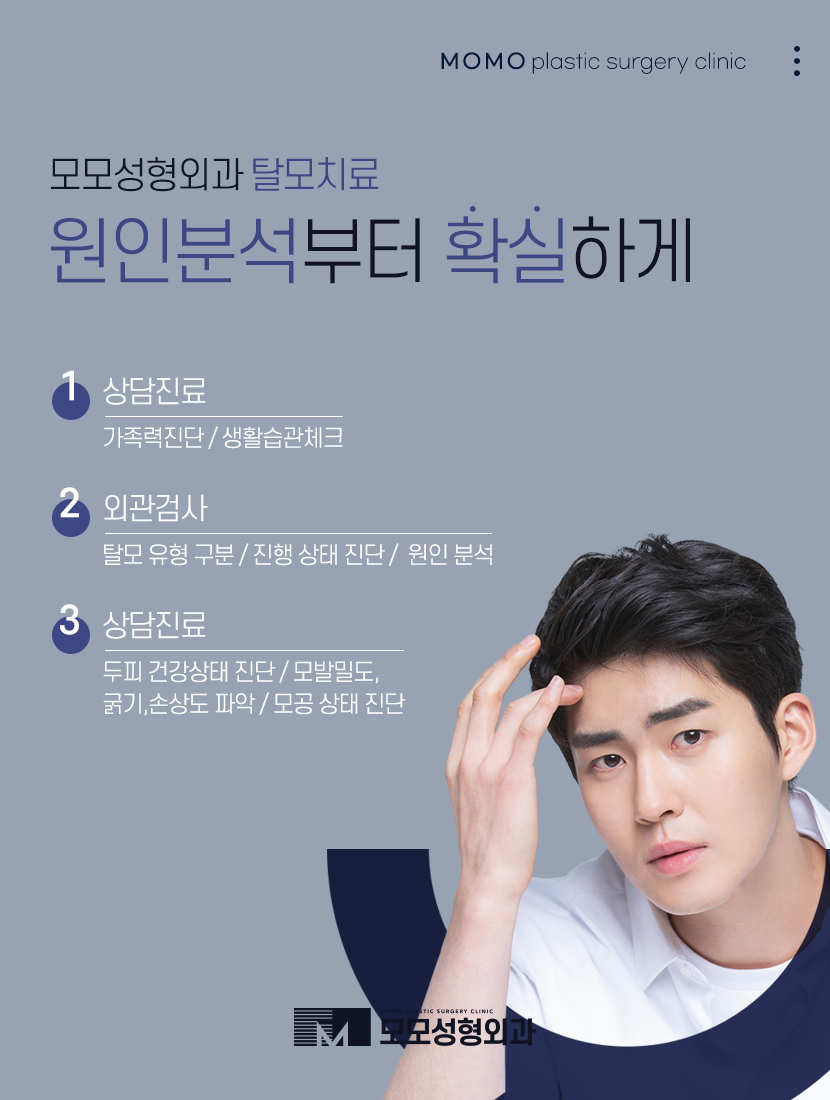
Because hair loss occurs for a variety of reasons and
the treatment method differs depending on the stage,
we recommend finding a clinic with extensive clinical
experience, visiting for consultation, and systematically
establishing a surgical plan that suits you through
sufficient discussion with the medical staff.