
As more and more people are experiencing hair loss symptoms and it has become more common to see around us, many people are looking into procedures to transplant hair, and there are also quite a few patients searching for hair transplant revision surgery. Since the number of natural hairs available in the occipital area is not unlimited, if the number of grafts that can be obtained has decreased due to a previous failure, it may even be difficult to undergo the procedure again. So if you are gathering the courage to look for a medical institution, it is a good idea to compare various conditions.
�a0
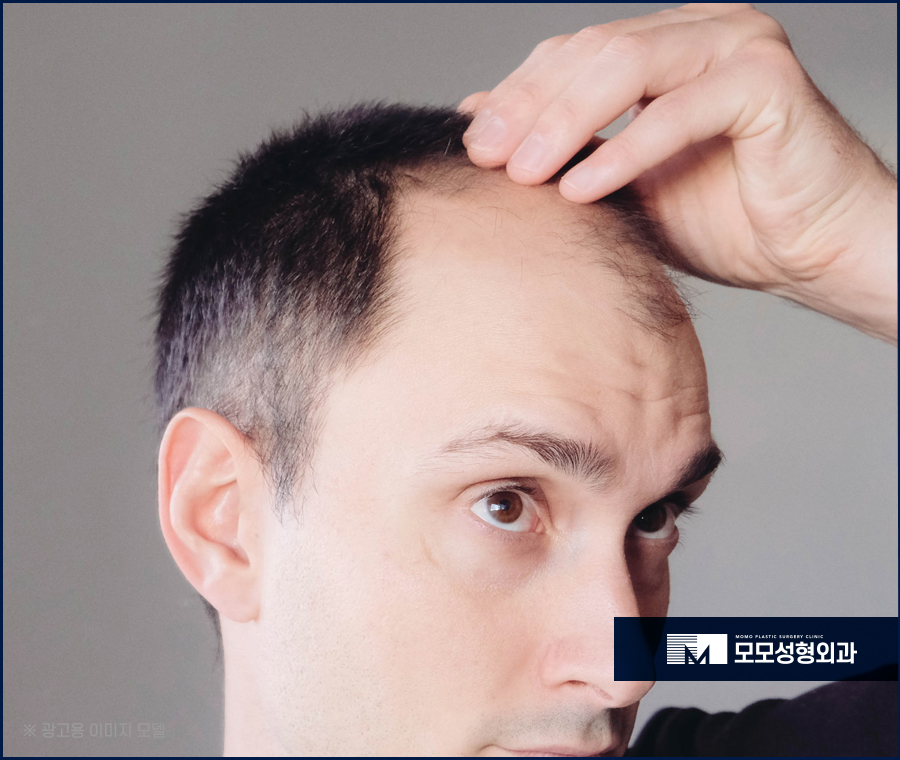
So, for those who are worried because they do not know what these conditions are or what standards to consider, we would like to take some time to explain them.
�a0
If the procedure to transplant hair was performed by lowering the density between grafts from the beginning, the result may ultimately be unsatisfying. In addition, even in cases where the hairline was brought down too far, the overall design or the extent of the transplant may not match the desired result. There are also cases where, even if graft survival is good, problems arise such as the treated area being easily visible from the outside.
�a0
Also, you may feel that the forehead looks narrower than expected and does not appear full, so you may have to keep wearing your hair down to cover it as before. When treating it, planting the grafts more densely between the spaces can determine the density, but if it was already done with too few grafts, adding more natural hair through hair transplant revision surgery is also a good option.
�a0
If the symptoms are continuing to progress, you may need to keep taking hair loss medication steadily even after treatment is finished. If you decide on your own that you can stop taking it just because you had hair transplanted and then stop, the areas outside the grafted parts may become thinner and fall out, creating an unnatural state. Therefore, it is advisable to follow the instructions given by the medical staff.
�a0

If these symptoms appear, hair transplant revision surgery may be necessary for the areas where vellus-like thinning has occurred. In addition, if inflammation on the scalp is left untreated after the procedure or if poor daily habits continue, the graft survival rate may decrease and density may also drop. In such cases, it is important not only to add more hair to fill in the empty areas, but also to improve those habits at the same time.
�a0
Each patient may want a different look, and if design is done carelessly without considering this, it may be difficult to achieve a good prognosis. Because of this, there are cases where, after some time has passed and they check their own appearance, people choose to undergo hair transplant revision surgery because they are unhappy with the design. In such cases, by checking each person’s facial shape and transplanting a small number of hairs at the appropriate height, it is possible to change the contour or overall impression.
�a0
If, during the first procedure, the treatment was performed using an incision method and left a noticeable scar on the occipital area, satisfaction may drop significantly. The back of the head, called the donor area, may be very thin or sparse, making it difficult to sufficiently conceal a case where a wide scar has formed.
�a0

When the procedure is performed with a non-excision method and the treatment involves partial cutting, the spaces between the harvested areas may become wider, and if the hair is kept short, only that area may appear white. If the width is wide enough to be clearly visible to the naked eye, you can receive treatment to reduce the trace through hair transplant revision surgery, or the improvement can be made more naturally by obtaining grafts from areas other than the initially harvested region.
�a0
There are various other reasons for undergoing the procedure, but it is also important to check whether the clinic can provide a natural-looking result by closely analyzing the cause of the first treatment’s failure and performing the appropriate procedure accordingly.
�a0
In the case of the incision method, the double-lock suture technique is used to minimize damage to the follicles and suture down to the subcutaneous tissue to prevent the scar from becoming larger, help prevent pain, and allow the mark to be concealed by the hair growing in that area. In addition, when using the non-excision method, a punch tool with a thin inner diameter of 0.8 to 1.2 mm is used for precise harvesting to reduce errors, lessen bleeding and pain, and by carrying out a personal line design that considers facial shape and style, a good prognosis can be achieved.
�a0

Because the procedure you spent time and money on failed, you may feel reluctant or worried about trying again. But since you are taking the step with courage, before visiting a medical institution, it is important to carefully compare whether the facility has medical staff with solid skill and know-how through extensive clinical experience, whether they manage aftercare all the way through, and whether they operate a guarantee program that provides retouching later if needed. After checking these points carefully, choosing where to visit and receiving hair transplant revision surgery will be a way to expect the result you want.
�a0



�a0