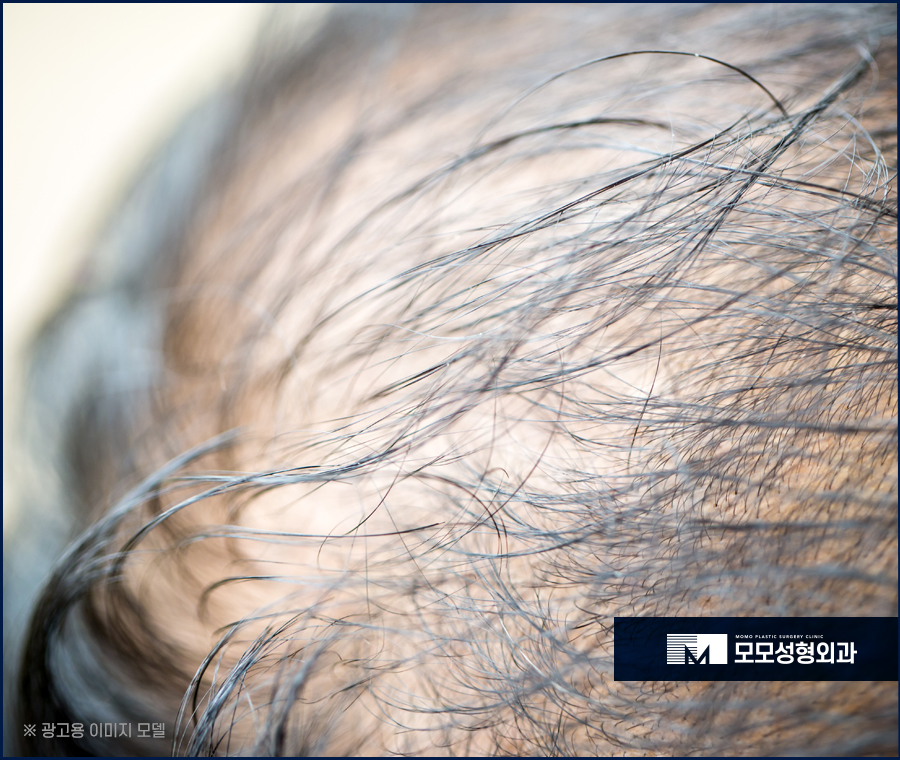
As stress in modern society has increased rapidly,
the number of people who are under a great deal of
stress in daily life due to hair loss has also grown
exponentially, so it would not be an exaggeration to
say that many more people are experiencing this.
To ease these concerns, many methods have been
studied, and various approaches aimed at improvement
have been introduced in many forms.
Some people seek help from relevant institutions and
take various folk remedies while looking for different
methods that suit them, and as a result, many
different approaches have been proposed.
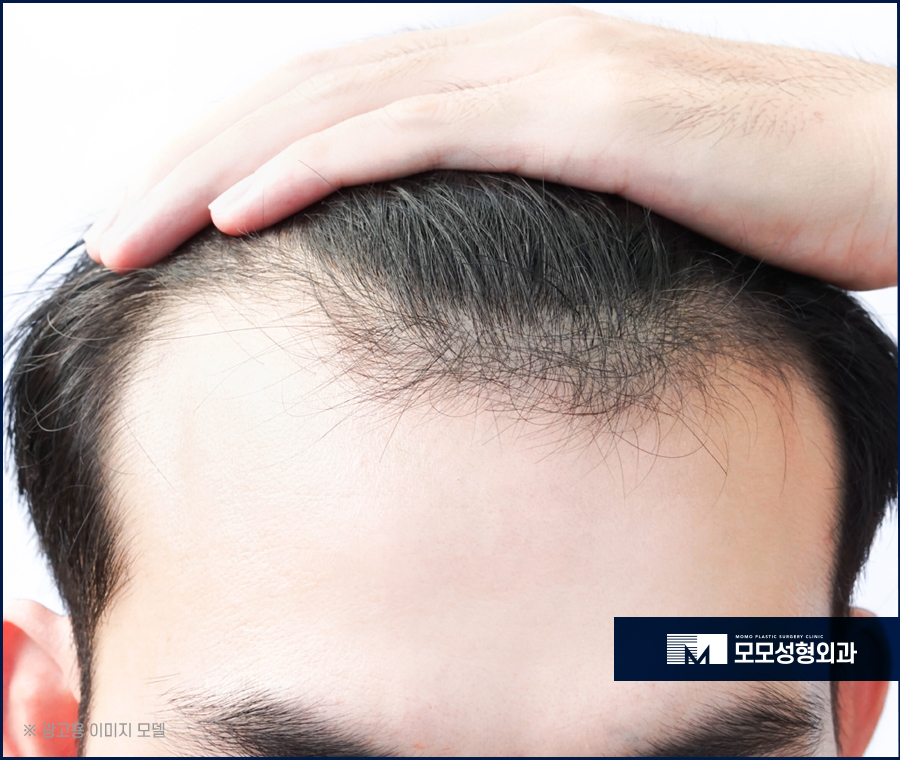
Among them, there are also types that slow the
progress by taking medication, but if the condition
has already progressed significantly and is clearly
visible at a poor stage, a procedural approach can
also be considered.
Thanks to the great progress made compared to the
past, there have been many improvements over the
procedural methods used before, so in many cases
you can now expect more satisfactory results.
Because of this, people have become curious about
how much pain accompanies the procedure, as well as
a variety of other aspects such as the type and price.
The treatment methods are divided into incisional and
non-incisional approaches. In the former, the scalp is
dissected and then hair is harvested and transplanted.
Because the follicles are obtained all at once, it has
the advantage of requiring a shorter procedure time.
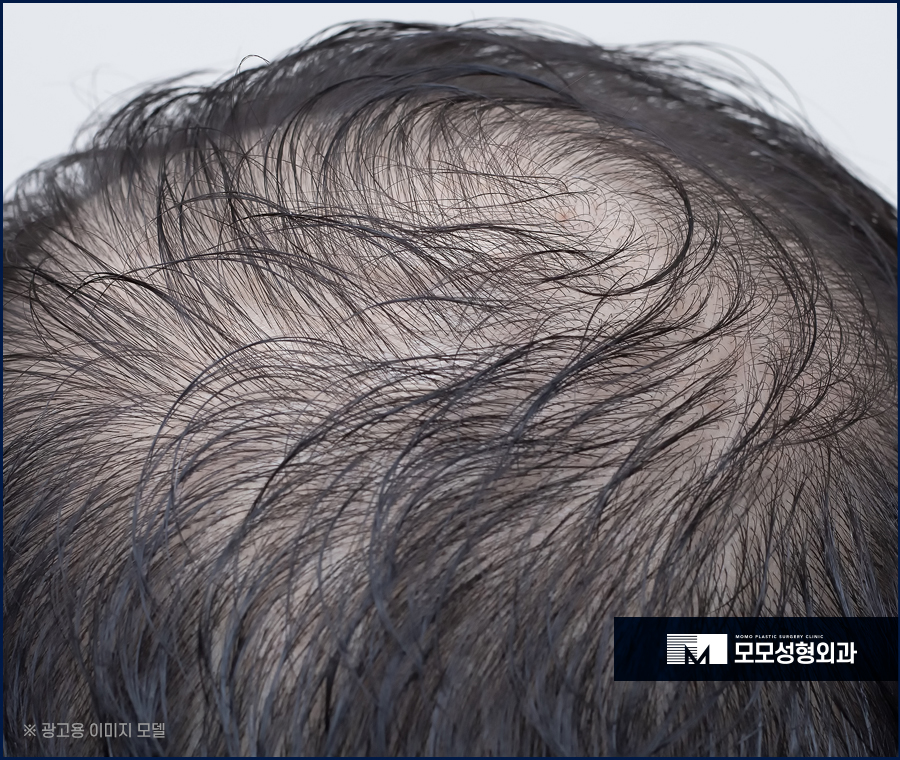
The non-incisional method is a technique in which the
occipital area is not dissected and the hair is removed
and transplanted one by one. Because the procedure is
more difficult, the price tends to be higher and the
operation time can be longer.
This can be applied differently depending on each
person’s requirements, follicle condition, and scalp
condition, so rather than deciding in advance, it is
better to refer to what kind of procedure process will
be used.
In general, before undergoing a procedure, many
people first look into what kind of treatment is
involved, but many are especially interested in the
level of pain that follows. Among them, those who are
considering an incisional approach will likely be
curious about the pain of incisional hair transplantation.
In fact, it is difficult to classify this in a uniform
way, and it must be understood that it can vary
significantly from person to person.
Some people say it hurts, while others say it does
not, so it can differ depending on how each person
receives and feels it.
Usually, many people choose the non-incisional option
because they judge incisional hair transplantation pain
to be more severe and think the pain caused by the
procedure will be greater.
It is best to find the direction that suits you, and if
you want to reduce pain, it may be a good idea to
look into how the pain management system at the
relevant institution is set up.
Usually, when the procedure is performed, the area of
operation is limited to the surface, so local anesthetic
is used and the pain is often not felt strongly, but
many people also say that most incisional hair
transplantation pain is greater after the treatment.
This is because the pain appears as the anesthesia
gradually wears off.
The degree of discomfort can also feel different
depending on the method.
If no incision is made, there is no dissection, and
because the follicles are carefully harvested one by
one using a punch tool, after the procedure and as
the anesthesia wears off, there may be a slight burning
sensation and mild pain in the occipital area, but in
most cases it disappears quickly, so you can expect
to return to daily life promptly.
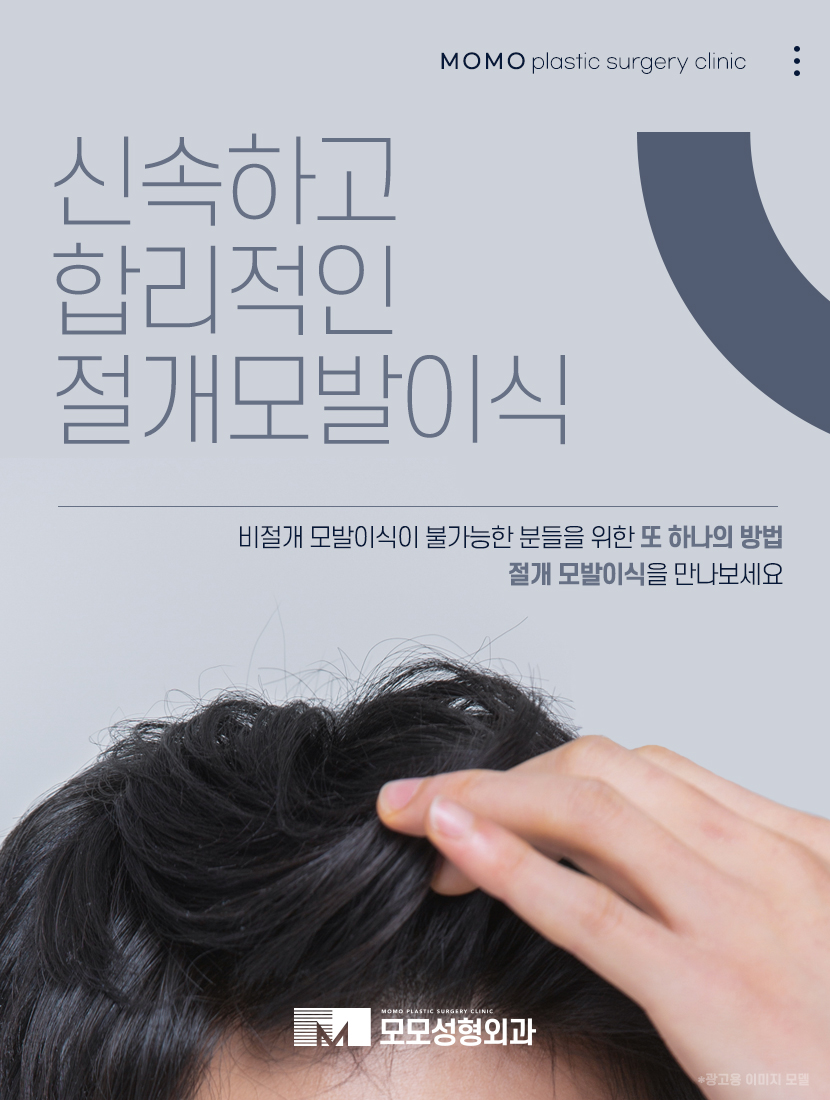
On the other hand, with incisional hair transplantation,
because tension is created in order to dissect the scalp,
remove the tissue, and then suture it, pain appears as
the anesthesia wears off.
The affected area may throb, sleeping can be
uncomfortable for several days, it may be difficult to
get a good night’s sleep, and it can affect daily life,
so please keep this in mind.
The pain of incisional hair transplantation is said to
decrease after about a week, so you may not need to
worry too much about it.
However, if the scalp is thick and firm, or if a very
large amount needs to be harvested, it may last
longer or be more severe.
Of course, the degree of pain is important, but after
the surgery there may also be problems with wound
recovery and various abnormal symptoms may occur,
so it must be carefully assessed before making a
decision.
An occipital incision may be performed, and depending
on each person’s conditions there may be differences,
so it is best to have a thorough consultation with the
medical staff and, through analysis, look for the best
way to reduce the burden.
More than incisional hair transplantation pain, the part
that should probably be examined more carefully is the
question of graft survival rate.
The purpose of the procedure itself is to achieve a
fuller hairstyle, so it is better to focus on how well
the grafts take root and how smoothly the postoperative
course can proceed.
In fact, many people think there is a big difference in
the survival rate between non-incisional and incisional
methods.
However, as technology has advanced and the two now
reach a similar level, there may be no need to hesitate
about treatment out of concern for graft survival.
The reason people think there is a difference is likely
because the dissection method is more familiar and
widely used.
Of course, there were times in the past when research
results showed differences, leading people to develop
such prejudice, but since medical techniques have
advanced greatly, both methods can now be expected
to have excellent outcomes.

However, this is not absolute, and there are always
exceptions.
This refers to cases where a large amount of the
procedure must be performed.
On average, 2,000 to 3,000 grafts is a common range,
and in many cases the difference at this level is not
considered large. However, if more than that is needed
or a large-volume procedure is required, the outcome
can differ, so it is necessary to consult with medical
staff who have extensive clinical experience and high
technical skill to explore which method is right for you,
think it through, and carefully choose the direction to
go in.
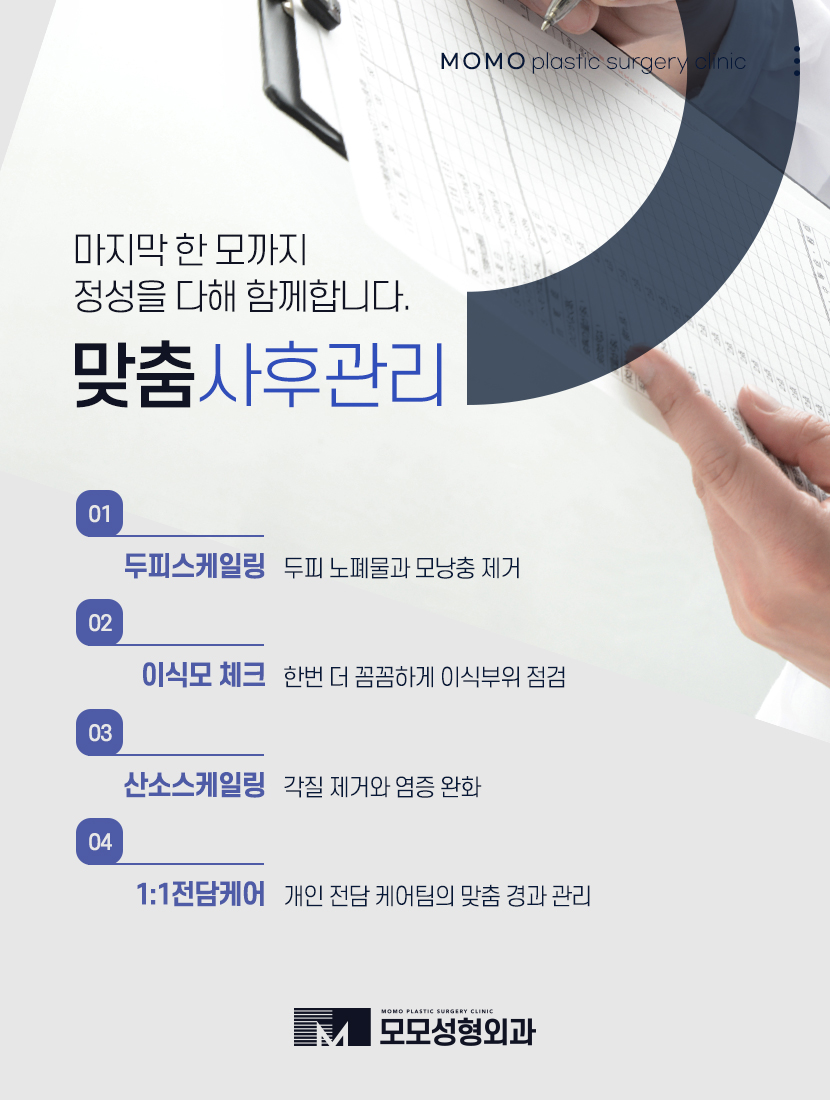
To reduce pain after surgery or minimize the recovery
period, thorough aftercare must be provided.
Since the two weeks after the procedure can affect the
graft survival rate, it is best to avoid anything that
may cause irritation as much as possible. Smoking as
well as drinking should be avoided, and excessive
exercise should also be refrained from, as excessive
pressure can lead to negative outcomes.

In addition, if you follow the guidance provided by the
relevant institution and make sure that the affected
area does not become dry, you will likely be able to
achieve a satisfactory outcome.
Because pain varies from person to person, it is worth
emphasizing that it may be premature to judge that it
will definitely hurt or definitely not hurt.