In winter, when cold winds blow,
the cold, dry weather can make the scalp
dry and flaky, leading to dandruff, and the constriction of capillaries
reduces the supply of oxygen and nutrients to the hair.
Because of these changes, hair becomes
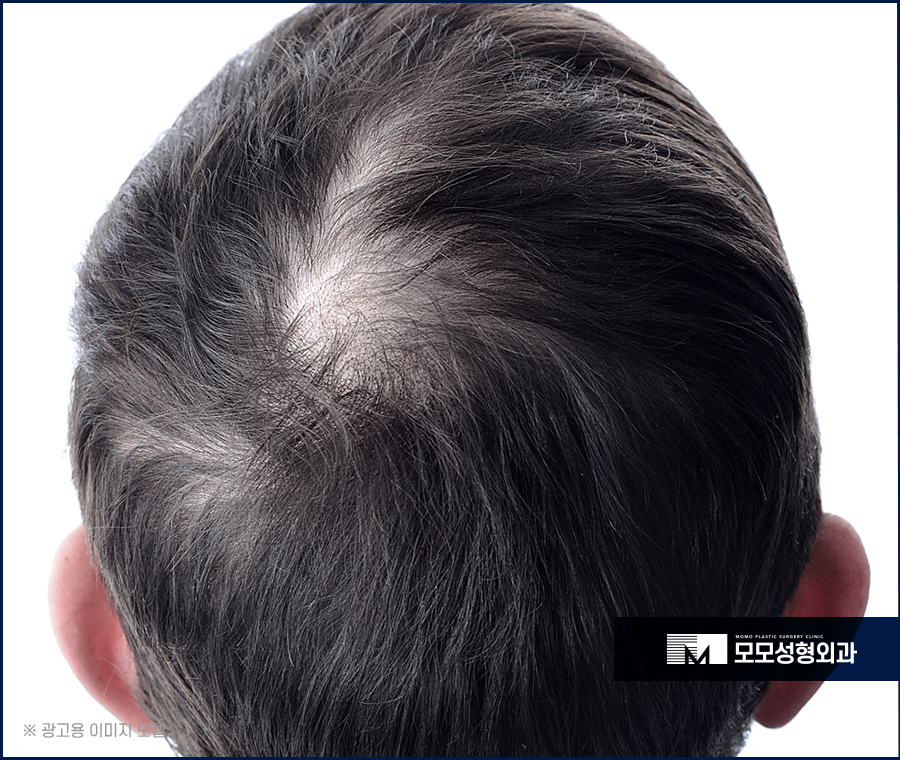
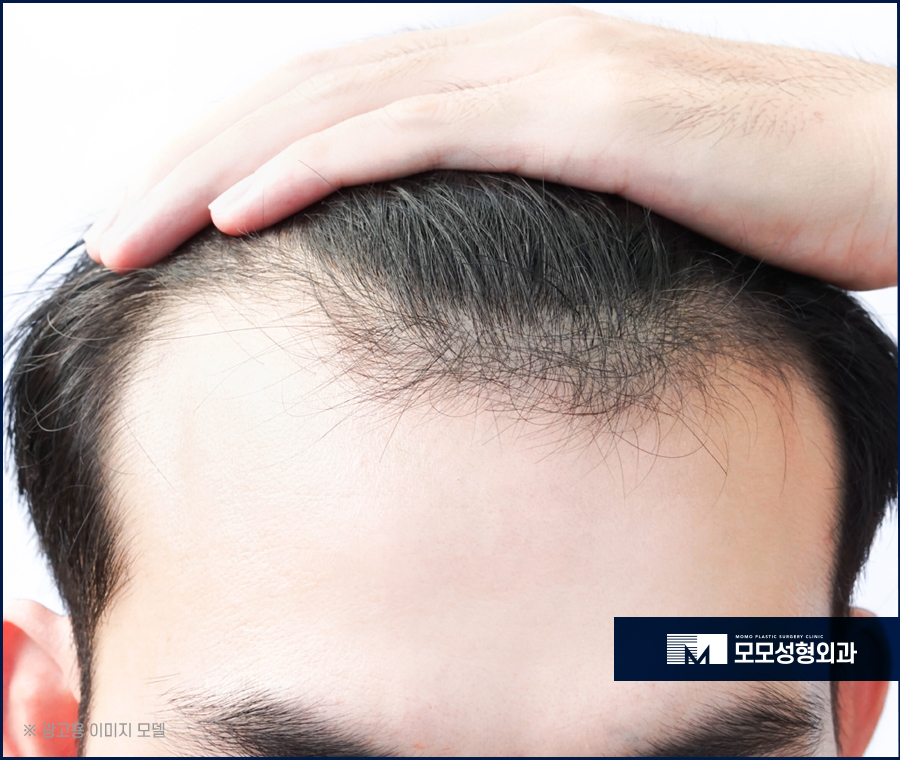
weaker, and during the winter season, people who
already experience hair loss often find their symptoms
worsen. Even those who had not experienced hair shedding
may suddenly lose a large amount of hair, so it seems
that as this season begins, interest in procedures
that transplant hair continues to rise.
Unlike in the past, hair loss in modern society is
experienced not only due to genetic factors, but also due to a variety of causes such as
hormonal imbalance from irregular lifestyle habits, nutritional deficiencies, smoking, childbirth,
and surgery. When people first meet, the most
directly visible aspect of appearance is hairstyle,
and because it has a major impact on the image and mood a person gives off, if a serious complex develops in that area,
it often leads to severe stress.
Although everyone tries to manage their appearance in ways that suit them,
if the symptoms have already progressed to a level visible to the naked eye, it may be
difficult to expect improvement with medication alone.
The procedure that transfers normal hair to the needed area and helps it take root can be described as moving natural hair from the back of the head, which is not affected by hormones, to the empty area.
In particular, because it fills the already sparse area with the patient's own hair,
it can also help restore lost confidence.

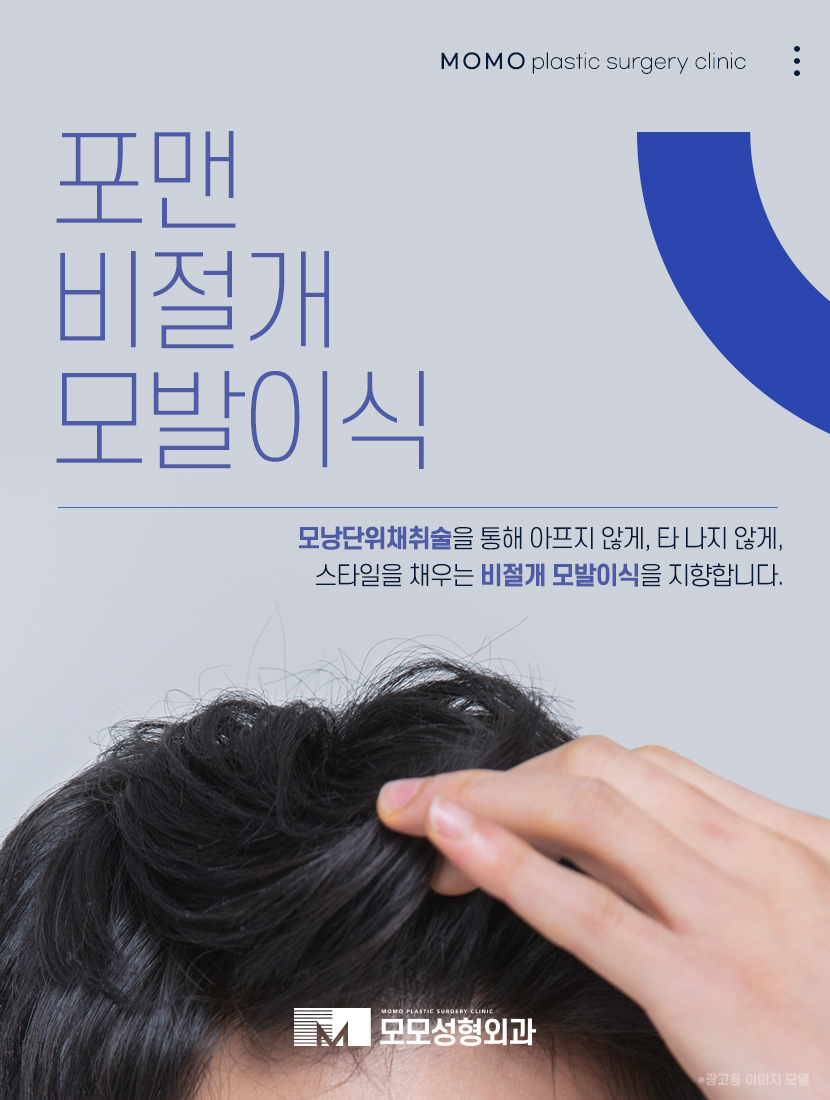
For that reason, many people look for non-incisional hair transplant clinics.
If the transplanted hair is successfully settled in the right place, it may not fall out again even in the area where the condition had appeared, and if care is taken by combining the procedure with medication, additional disease prevention effects can also be expected. Hair transplant surgery, which moves hair and implants it in the desired area, can broadly be divided into an incision method and a non-incision method.
The former method involves removing part of the scalp from the back of the head, that is, the occipital area, as needed, then separating the follicles and moving them to the affected area. Because it is suitable for large-scale procedures, it can cover a wide affected area, and it had the advantage of being more economical than other methods. However, there is concern that pain and scarring may accompany the process of cutting the scalp.
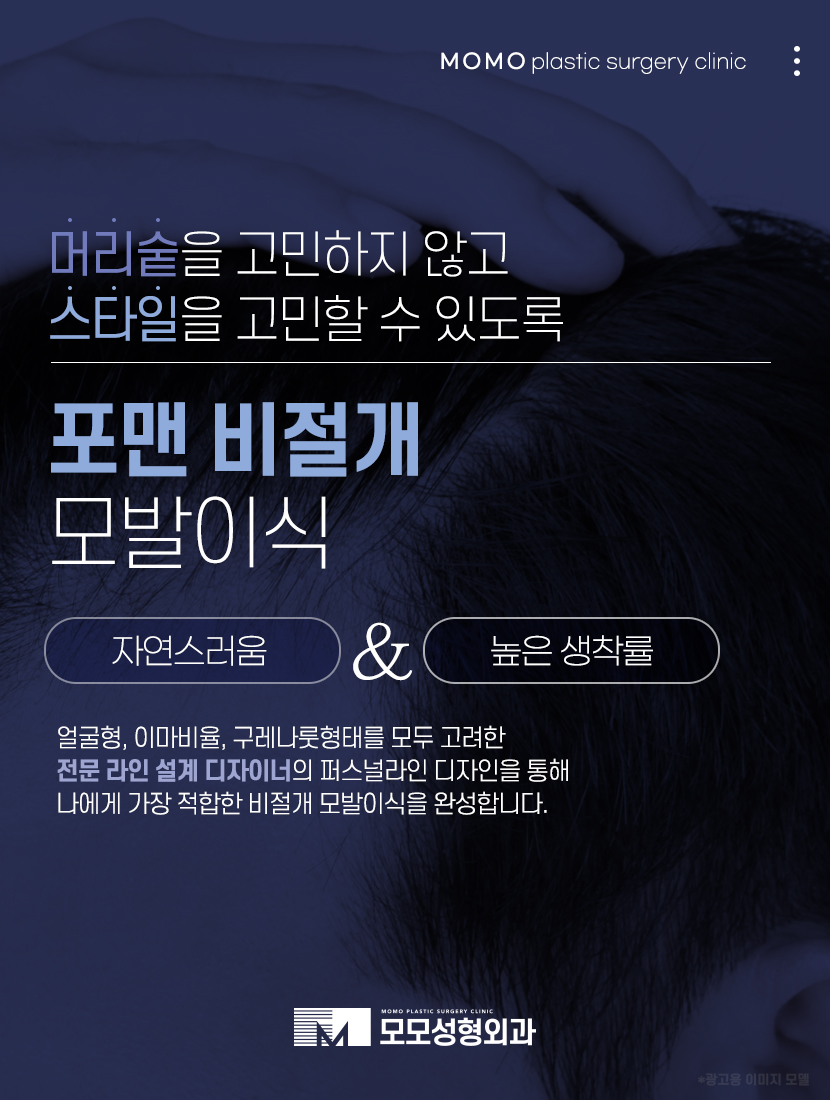
In the case of the non-incision method, which improves on the disadvantages of this approach, hair located in the occipital area is harvested one by one. In the past, it required shaving the head and was only applicable to smaller procedures, but recently, as the technical skill of non-incisional hair transplant clinics has advanced, large-scale procedures have also become possible without issue.
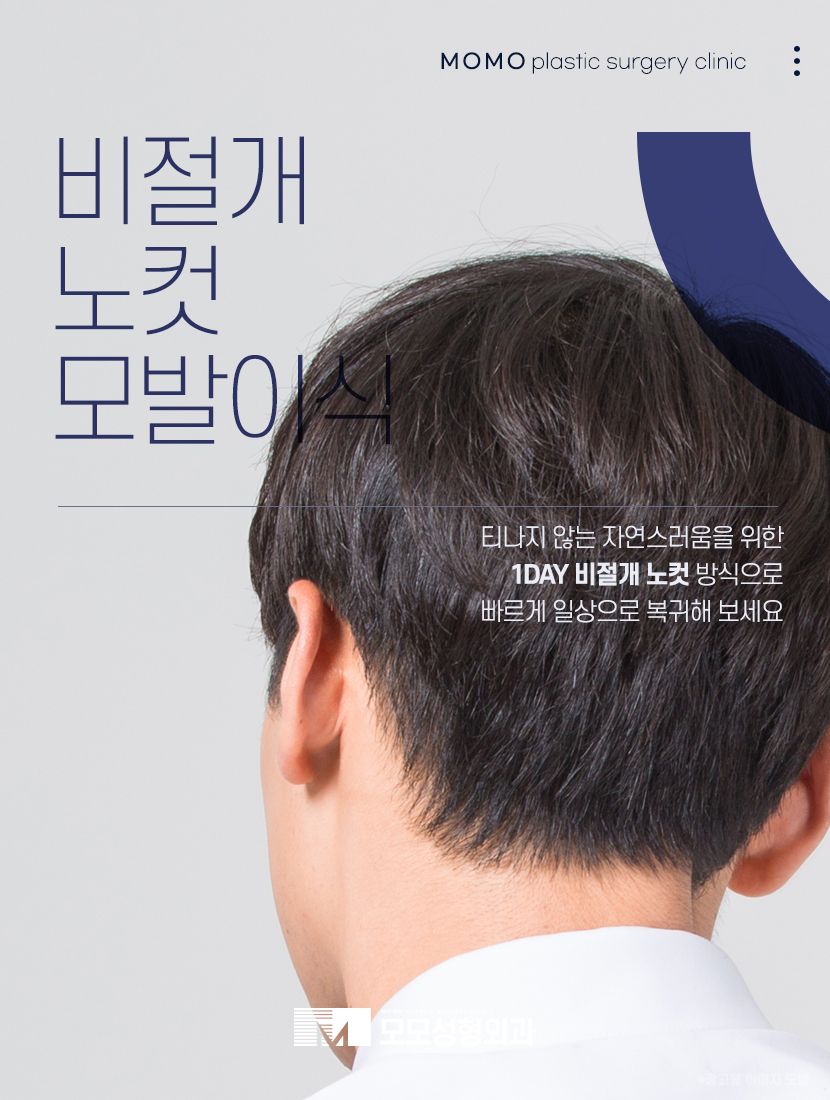
The features of the non-incisional procedure include minimizing the burden of pain, scarring, and aftereffects associated with surgery, and because the occipital area is not directly damaged and the hair roots are harvested and transplanted in follicular units, it tends to look much more natural.
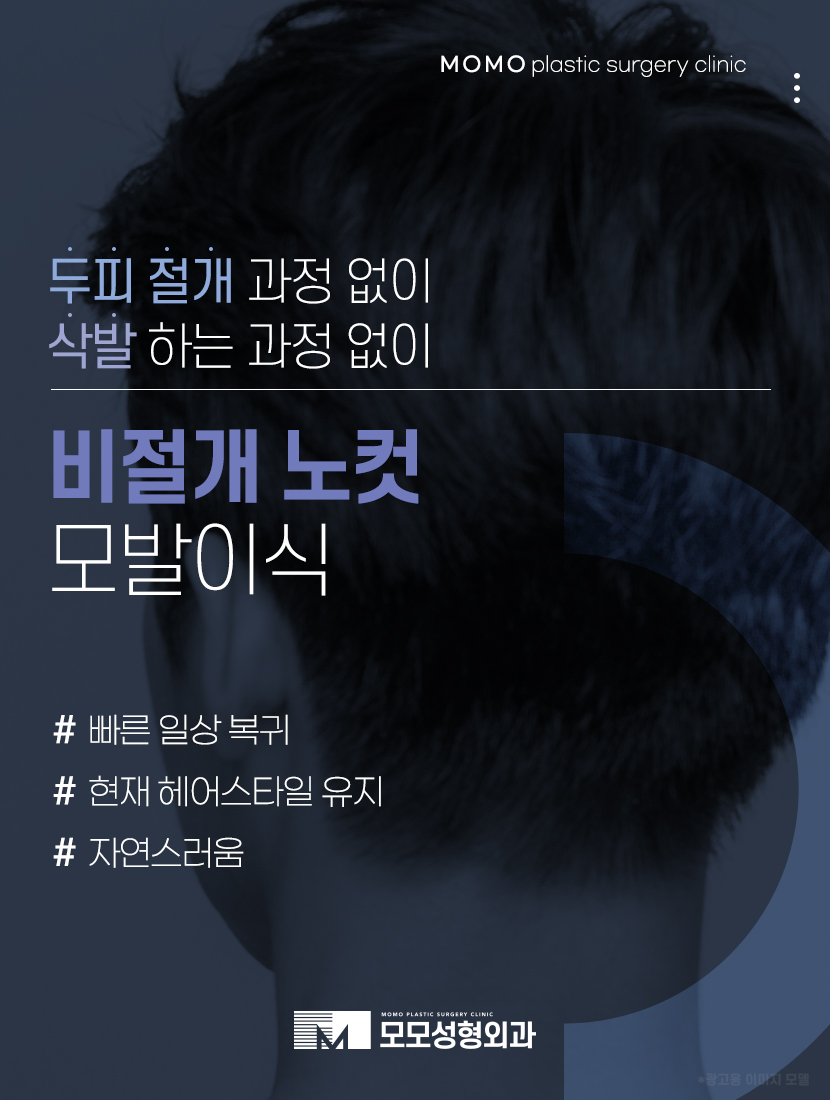
When harvesting natural hair from the occipital area, safely separating the follicles is the most important factor. In the case of follicles, which carry oxygen and blood vessels, they often come into direct contact with air, causing moisture to evaporate and damage to occur.
Therefore, to preserve a healthy state at the same time as harvesting, a rapid procedure by a non-incisional hair transplant clinic is necessary to expect a high survival rate, and this in turn increases the likelihood of achieving a fuller hairstyle.
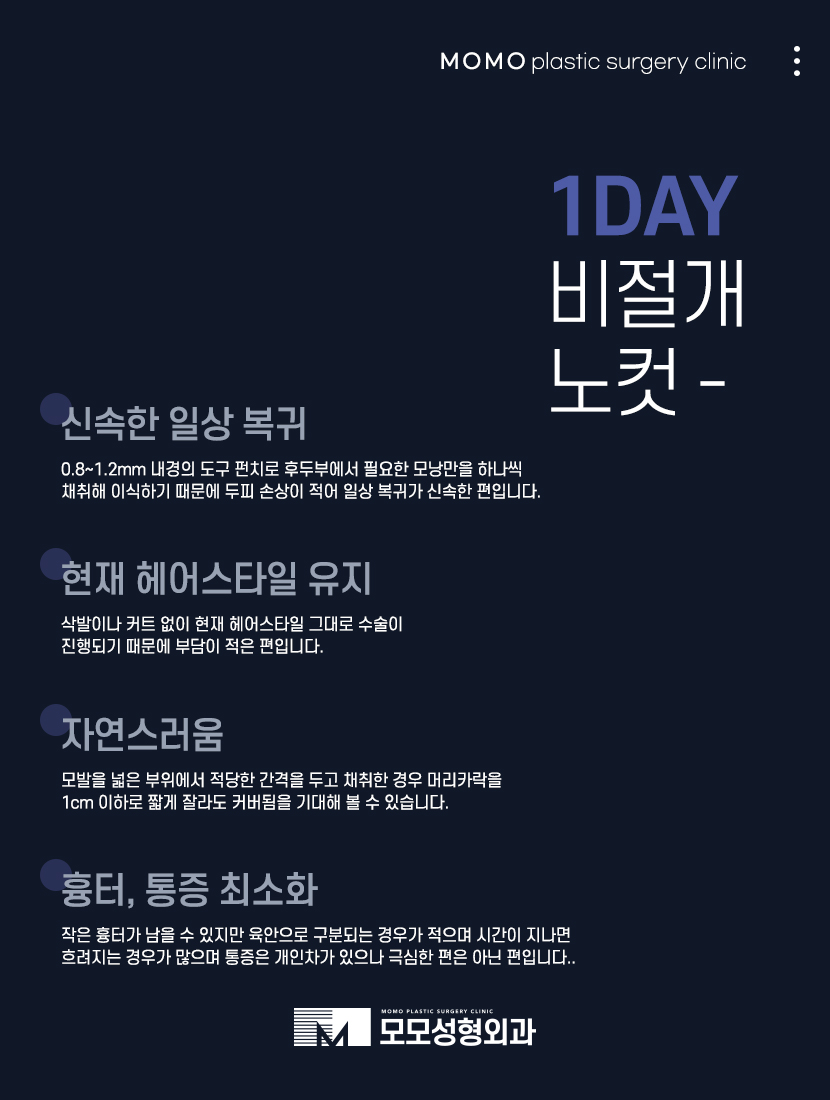
In addition, it is important to apply a design that achieves an appropriate density while also considering the condition of the scalp so that the transplanted follicles can receive enough nutrients.
Nowadays, improvements in the punch tools and slits used for follicle collection have made it possible to obtain follicles with minimal damage and more quickly, and since shaving is no longer essential as it once was, daily life can resume quickly after the procedure and the natural result can be confirmed with the naked eye.
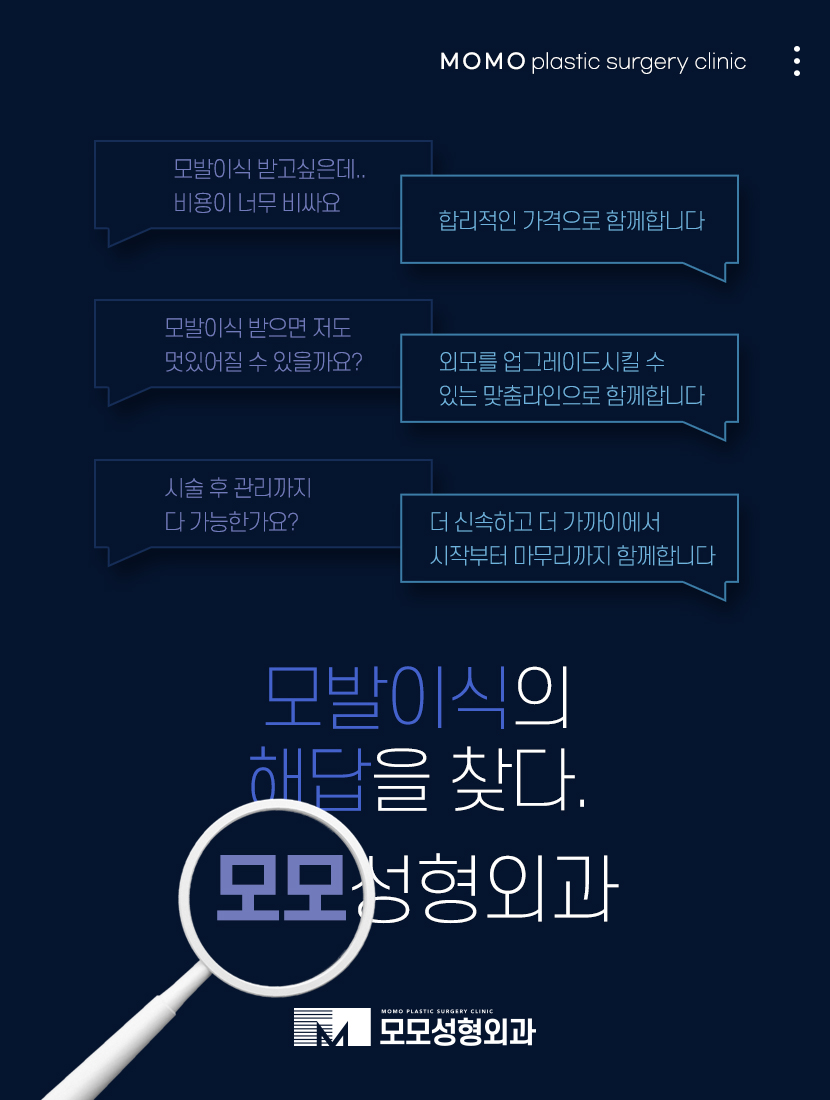
Since the survival rate according to the method of transplanting healthy follicles is not significantly different, it may be advisable to apply the procedure by comprehensively considering each individual's situation, such as the current pattern of hair loss, scalp elasticity, skin type, the health of the follicles, and the amount needed for harvesting.

To avoid wasting healthy follicles, it is advisable to work with the medical staff at a non-incisional hair transplant clinic who have refined technical skill based on extensive clinical experience, and to plan and carry out the most appropriate plan through precise diagnosis and sufficient consultation.
Therefore, keep in mind that you should not take this lightly, but should carefully look for a non-incisional hair transplant clinic and visit it, as doing so can greatly increase overall satisfaction. Make a careful choice and build a beautiful appearance.