People in their 20s and 30s, who are classified as the MZ generation in society, are often used to taking care of themselves to improve their appearance and tend to be proactive about it. These people want to present a good image to others, and while continuously carrying out various activities to maintain it, they also share a lot on social media. In the past, society looked negatively on improving the face through procedures or building the body through exercise, but as time passed and the era changed significantly, this has also changed a lot.
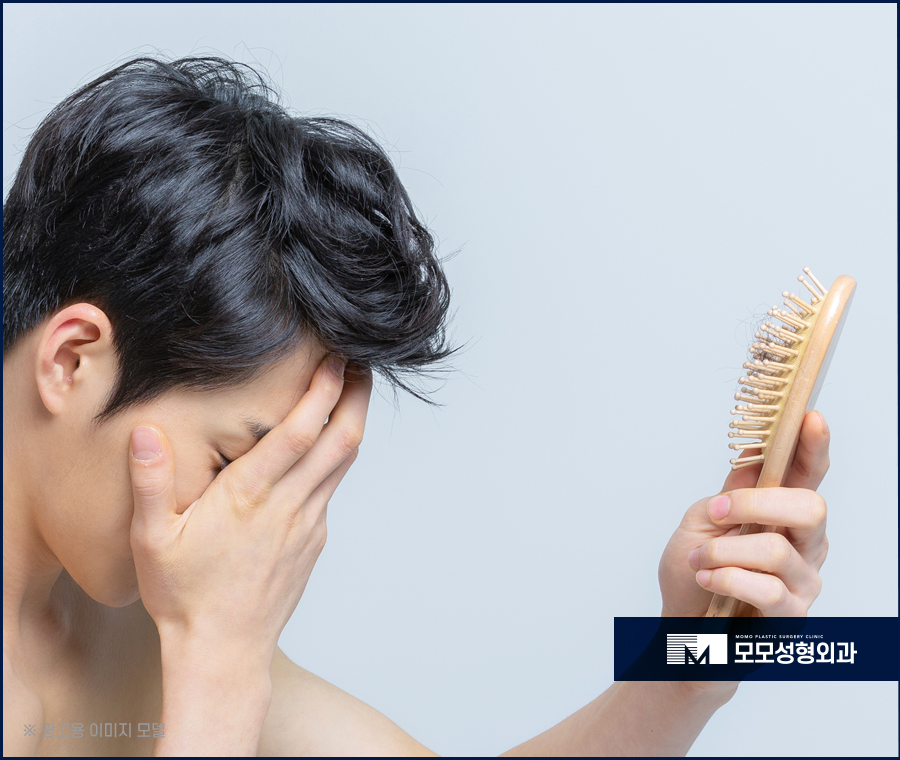
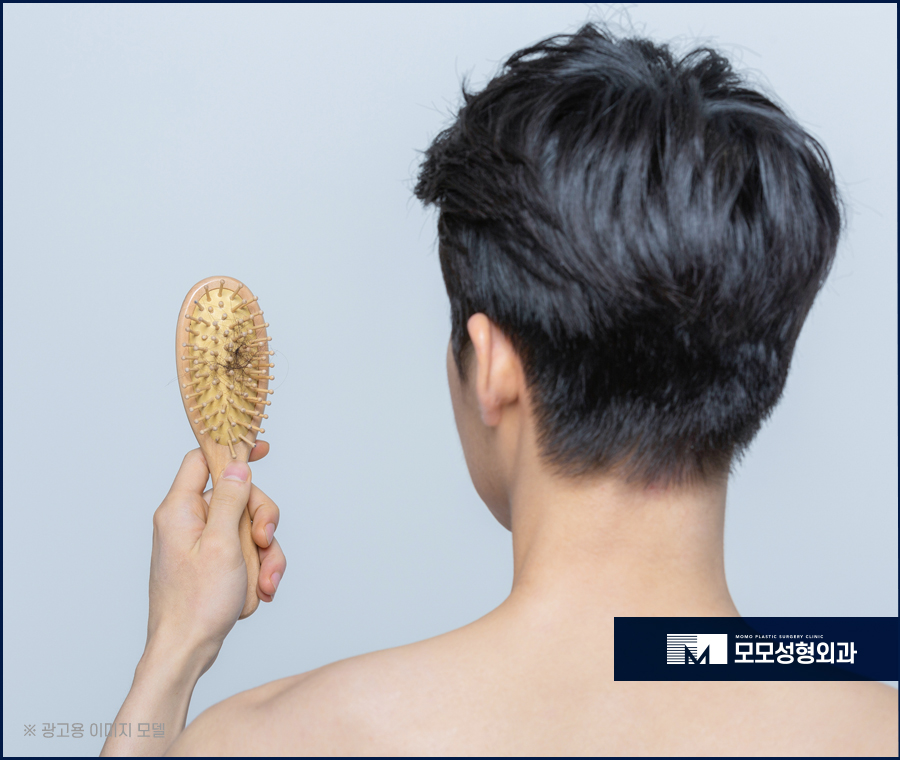
As the above generation entered society, the market related to hair transplants has also been increasing significantly.
In contrast to the baby boomer generation, born from 1955, immediately after the Korean War, to 1963, when the family planning policy was implemented, who regarded hair loss symptoms as natural and dealt with them passively, younger people actively use care products such as shampoos and essences that help with hair loss when symptoms appear.
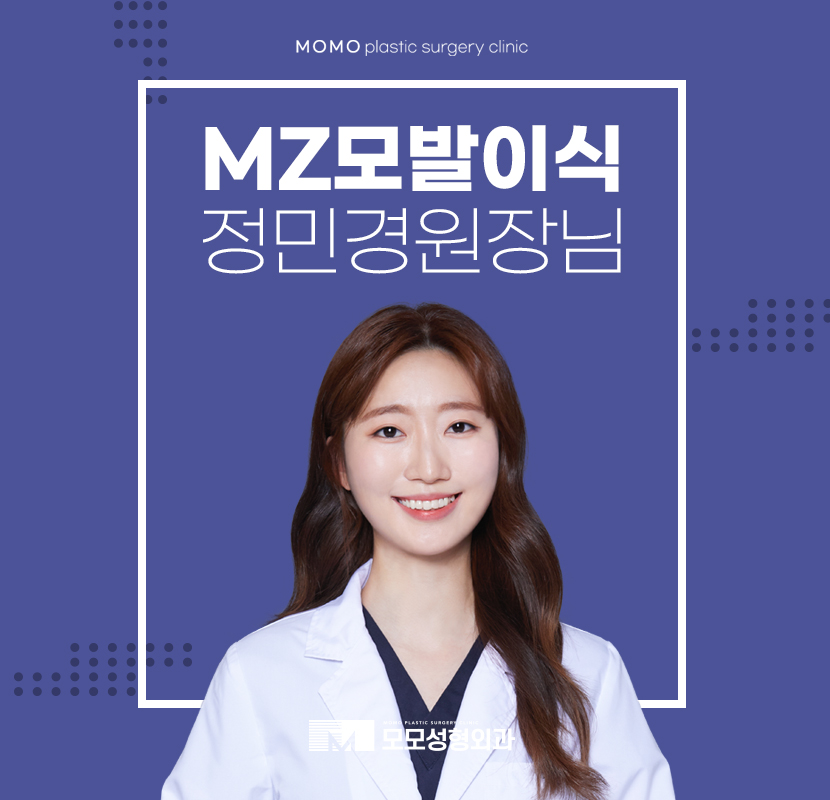
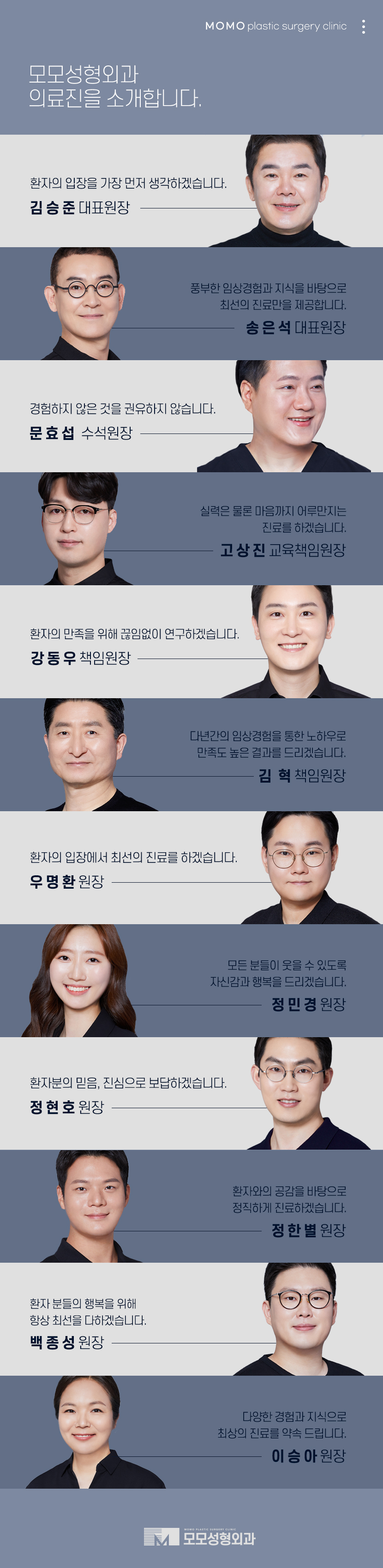
In addition, they are managing the condition by undergoing transplantation from the early stage of symptoms or taking medications that can help prevent or treat the condition. Dr. Jeong Min-kyung explains that it is not a disease that affects only men, and as society changes, women have also begun to experience it due to various causes beyond hereditary factors, such as stress, dieting, and irregular eating habits. As a result, more people are seeking to complete their hairline through such procedures.
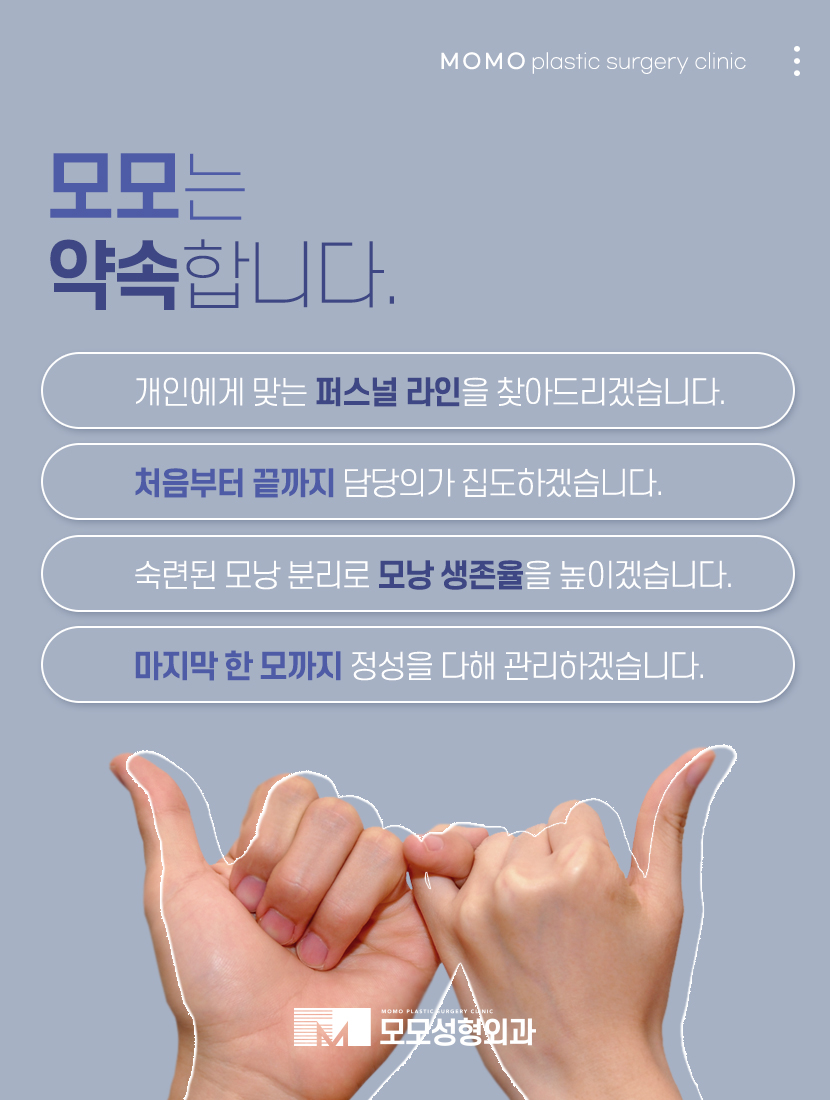
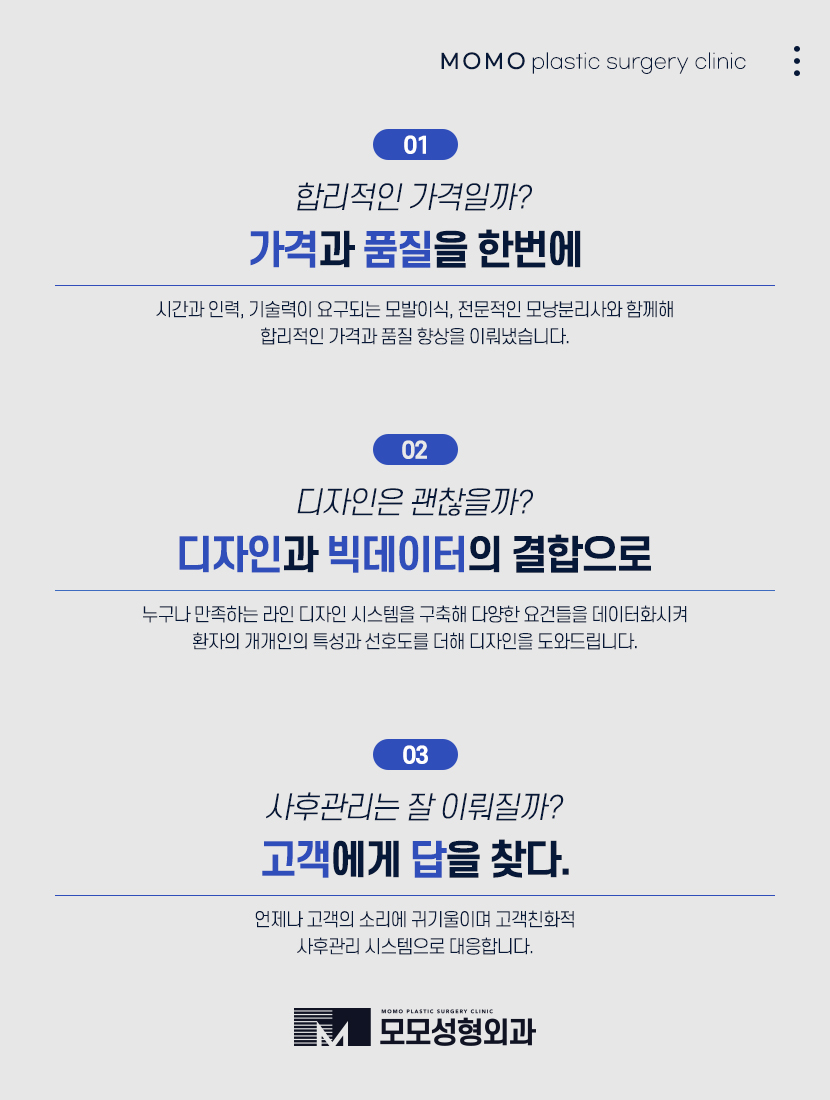
In the case of MZ hair transplantation, people prefer a personalized design tailored to themselves when undergoing the procedure, along with a high-density treatment that can implant a large number of grafts so that it looks dense to the naked eye. In the past, because many procedures involving more than 3,000 grafts were performed after symptoms had spread to a certain extent, price was a key point in choosing a clinic. However, younger people seek treatment for aesthetic reasons rather than waiting for the disease to progress, so they place importance on the quality of the result and the density achieved by the procedure.
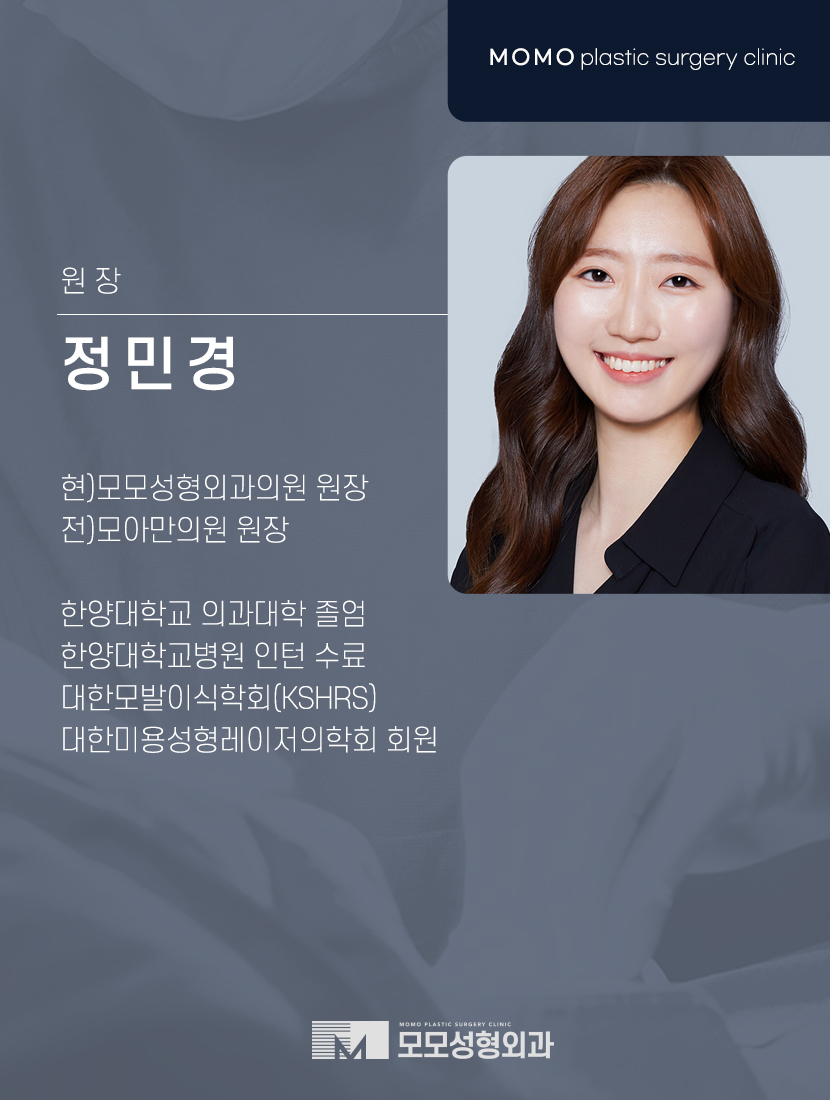
Dr. Jeong Min-kyung says that, in order to carry out MZ hair transplantation, the medical staff must have extensive experience and skill, excellent knowledge in the field, and a strong sense of aesthetics. She explains that satisfaction can be higher only when a plan is established not merely to fill in the area where hair has fallen out, but while also considering the hairstyle and even the shape of the patient’s face that they want.
Recently, men have been pursuing a neat and sophisticated style, so the trend is to increase the density of the natural hairline on the forehead and, rather than a straight shape, lower the lines on both sides so that they connect to the sideburns on both sides. Dr. Jeong Min-kyung also says that it is important to adjust the height and shape according to the face shape to change a round or angular face into one that gives a good impression.
In many cases, women undergo the procedure to correct a hairline that is genetically wide or has an M shape. At this time, it is good to establish a plan by carefully checking the size of the forehead as well as each person's facial structure and the lengths from the eyes to the nose and of the lower face. The thickness of the natural hair should be divided appropriately and implanted in the areas that are lacking, and the angle, direction, and density of the transplantation must also be considered and carried out so that when the hair is pulled up or tied back, the forehead looks natural and the hair appears beautiful.
Dr. Jeong Min-kyung also emphasized that during the procedure, the point that should be considered as important as the design is safety. Even if a large number of natural hairs are implanted in the desired area, if the survival rate is poor, the result will be disappointing and satisfaction will inevitably drop significantly.
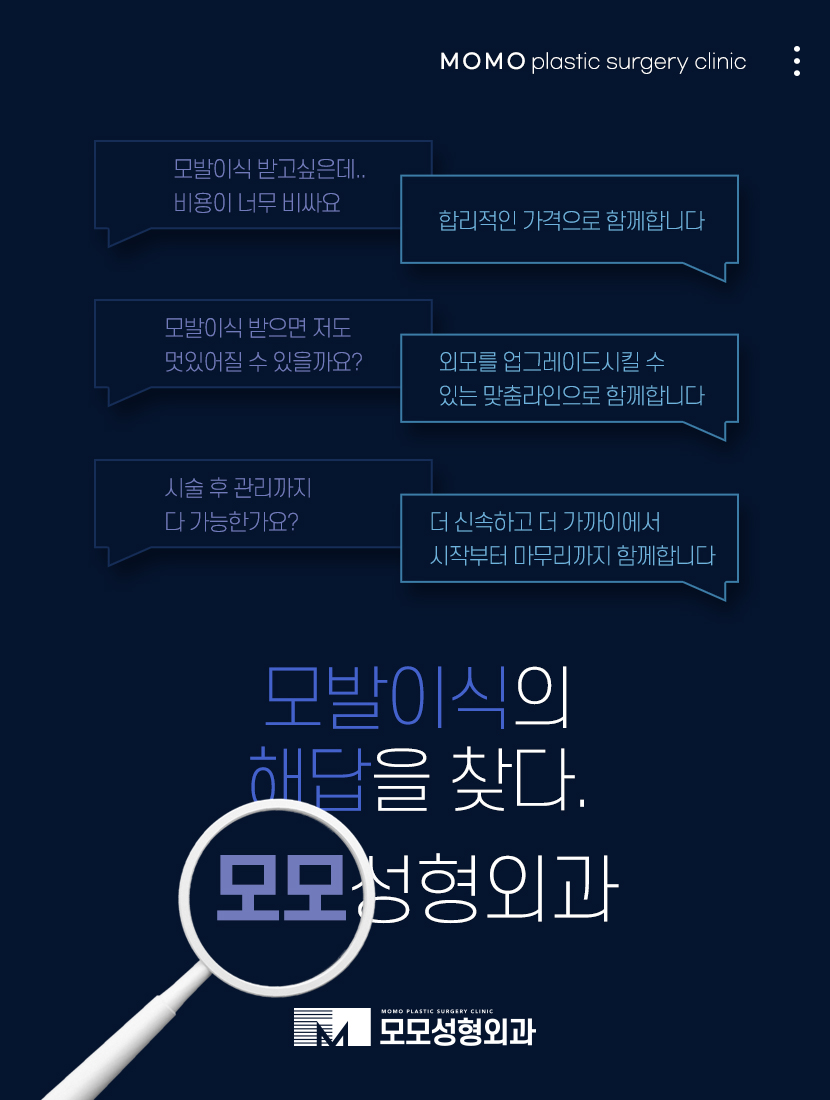
And in severe cases where the survival rate decreases and the transplanted hairs fall out, a repeat procedure will inevitably be necessary to implant additional hairs. Therefore, to improve these factors, Dr. Jeong Min-kyung said that it is necessary to examine in detail whether the medical staff at the clinic have extensive experience, whether they have the latest equipment, and whether there is a dedicated team that separates the follicles. She also said that patients should check whether they are consistently taking prescribed medication and receiving careful aftercare, so that if any abnormality occurs, they can immediately visit the relevant institution and receive treatment.

Dr. Jeong Min-kyung explains that, as seen with celebrities who openly say on various media that they have had hair implanted, this surgery has established itself among younger people as a trend for aesthetic purposes rather than treatment. She advised that, in order to achieve MZ hair transplantation, it is important to check in advance whether there is medical staff with rich experience and skill who can create a beautifully designed hairline, dense density, and a high survival rate, as well as whether the medical institution has various devices, before visiting.