When someone around you, whether a close acquaintance or through various media, is said to be undergoing a procedure to transplant hair, many people may imagine that if 1,000 strands are transplanted, all 1,000 strands will settle in richly as part of the hair transplant graft survival rate.
In this procedure, rather than pulling out long hairs and transplanting them as they are so that natural hair grows, healthy hair follicles located in the permanent area at the back of the scalp—meaning the skin organs that produce hair—are harvested and implanted into the area where discomfort is felt, allowing new hair to grow from the transplanted follicles.
The ratio that shows how many of the harvested follicles settle normally and grow well is called the hair transplant graft survival rate. When 100 follicles are transplanted, how many of them actually function properly can be seen as a matter of probability.
On a global average, a rate of around 60–70% is generally described as a successful surgery, but in Korea, at least 80–85% is considered a successful and stable procedure, and it is said that highly specialized medical institutions can reach 90–95%.
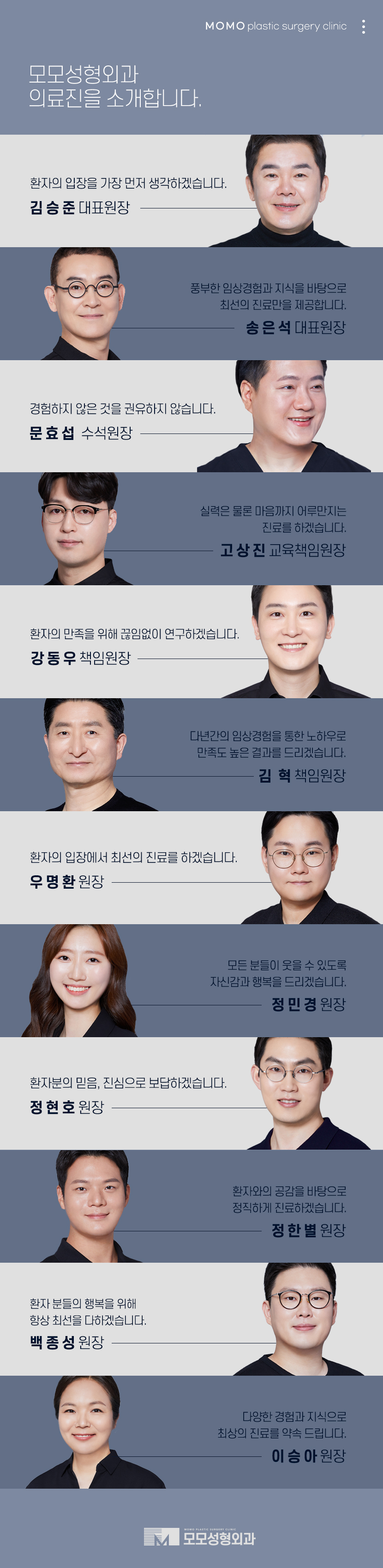
Because the hair transplant graft survival rate and the eventual outcome can vary greatly depending on where the procedure is performed, it is recommended that you choose a related institution with years of experience and know-how. The most important standard is not the cost, but the skill of the medical staff, and it is advisable to check whether they have the technical ability to harvest and separate healthy follicles without damage, as this has a major impact on the final result.
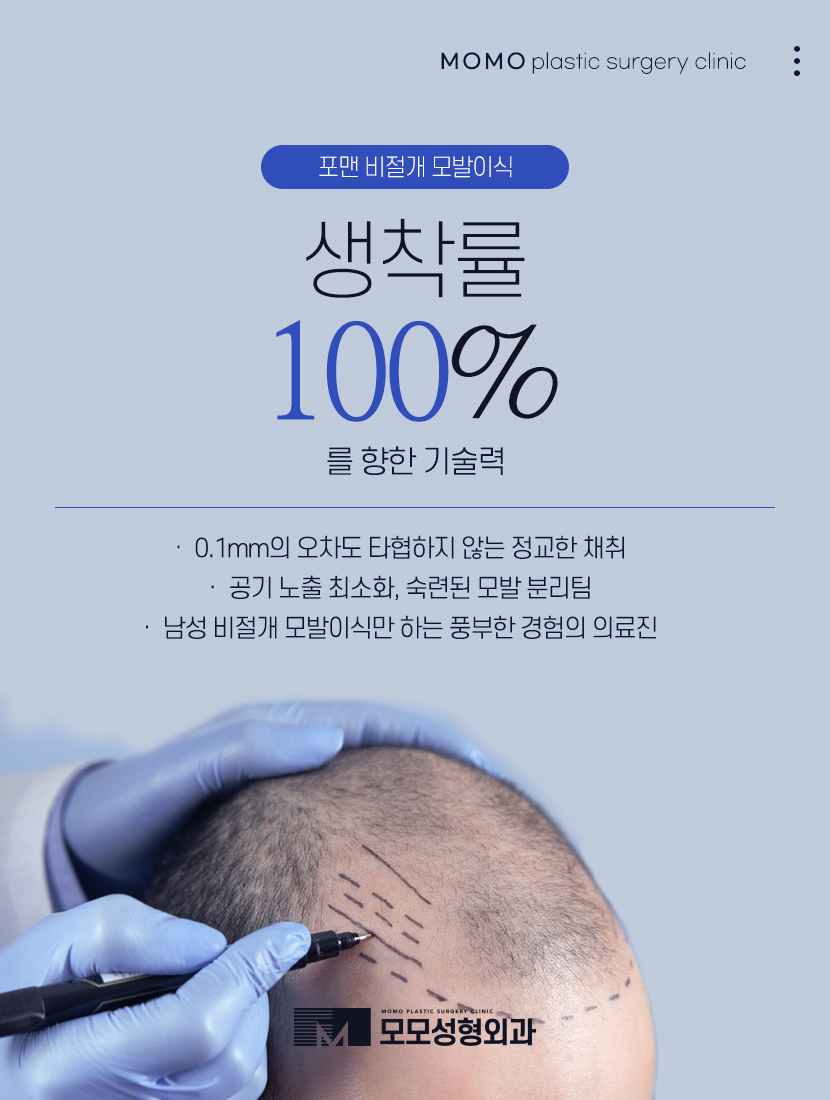
In some cases, there is a specialist follicle separation team on site that possesses professional technical skill to minimize damage so that the entire sorting process can be inspected and carried out under high-magnification microscopy. To increase the hair transplant graft survival rate, damage must be minimized, so it is recommended that you carefully review a variety of conditions.

Even if healthy follicles are properly harvested and separated, if they are implanted too deeply or too close to the scalp surface, nutrients and moisture may be insufficient, preventing natural hair from settling properly. Likewise, planting too many follicles too densely can lower the quality of the nutrients supplied and increase stress, which can reduce the rate at which they take hold. Rather than transplanting large amounts indiscriminately, the procedure should consider each person’s characteristics so that a natural yet full design can be achieved and a stable result pursued.
After the surgery, the time it takes for the transplanted follicles to settle in the treated area can differ from person to person, but it generally takes about two weeks. During this period, it is recommended to avoid physical impact or stimulation to the scalp as much as possible and to get enough sleep. In particular, alcohol and smoking constrict capillaries, lowering the hair transplant graft survival rate and potentially causing inflammation. Strenuous exercise or sauna use can also draw blood to the scalp, slowing recovery in the two affected areas, so it is recommended to avoid these as much as possible.

Usually, after undergoing a hair transplant procedure, hair goes through growth and regression phases and then repeats the resting phase just like the normal cycle of natural hair. Around two weeks after the procedure, the hair enters a so-called shedding phase, during which it may fall out for about three months. Then, as it enters the resting phase and all the hair falls out, healthy new hair begins to grow.

There can always be individual differences in the growth cycle, and once the resting phase ends, the hairs return to the growth phase. Since renewed hair growth can be confirmed starting about three months later, rather than becoming impatient during this period, it may be important to continue consistent care and observe the progress.
Because the lines that suit a person’s appearance differ between men and women, using the same design for everyone can create an artificial impression. For a more satisfying result, the surgery should be customized to improve the hair transplant graft survival rate while considering the individual’s appearance and image, the width of the forehead, and the position and shape of the facial features.