In the past, hair loss, which was commonly seen in middle-aged and older men,
is now increasingly occurring in younger people in their 20s and 30s as well.
It seems to be becoming more common,
and as it has begun to appear without regard to gender or age,
the number of people in Korea alone who report concerns related to it has reached nearly
10 million, according to statistics. As a result,
more patients are visiting specialized medical institutions.
As the number of people experiencing the problem continues to increase,
many can search for the information they want using various media or the internet.
After looking up detailed information, many people visit medical institutions,
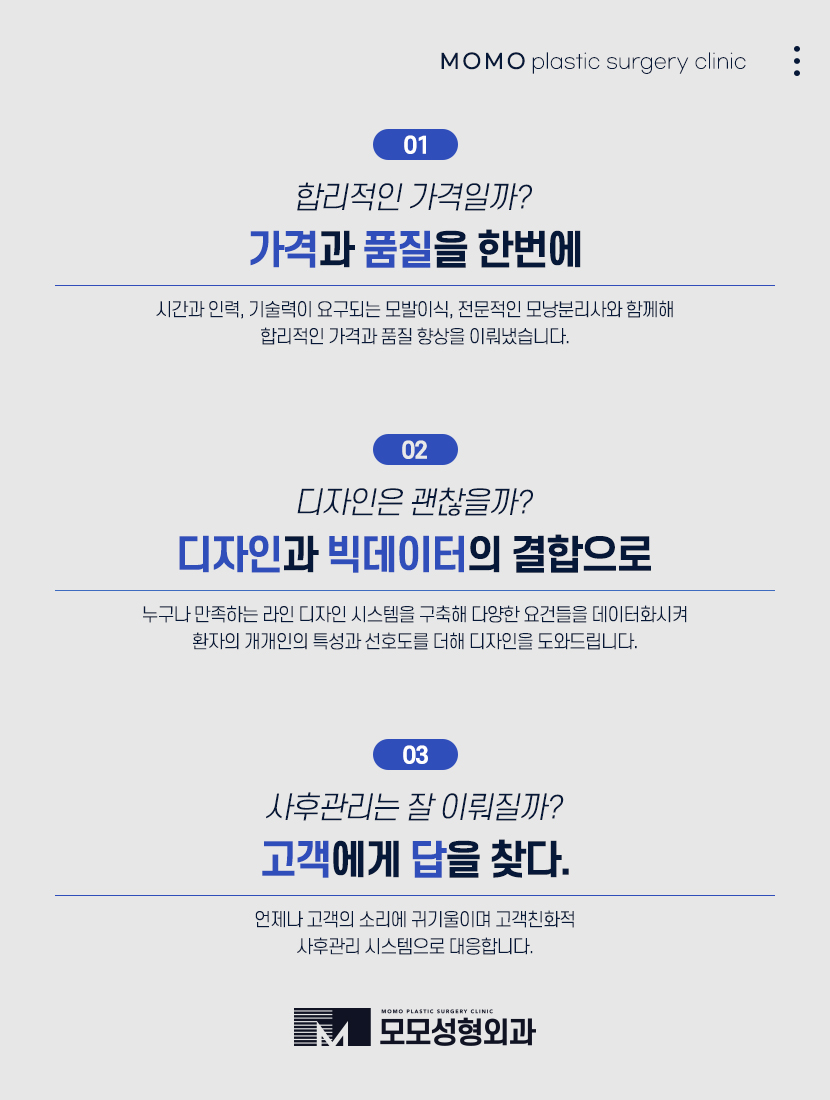
but there are also quite a few who hesitate to go because of the cost or because they are worried that hair transplant pain will occur.
This treatment can generally be performed anywhere on the body,
and because it uses one’s own natural hair, there is no rejection reaction and it grows in a harmonious way.
Even when transplanted, the original characteristics of the hair are maintained as it grows, so pain or a sense of discomfort may be lessened.
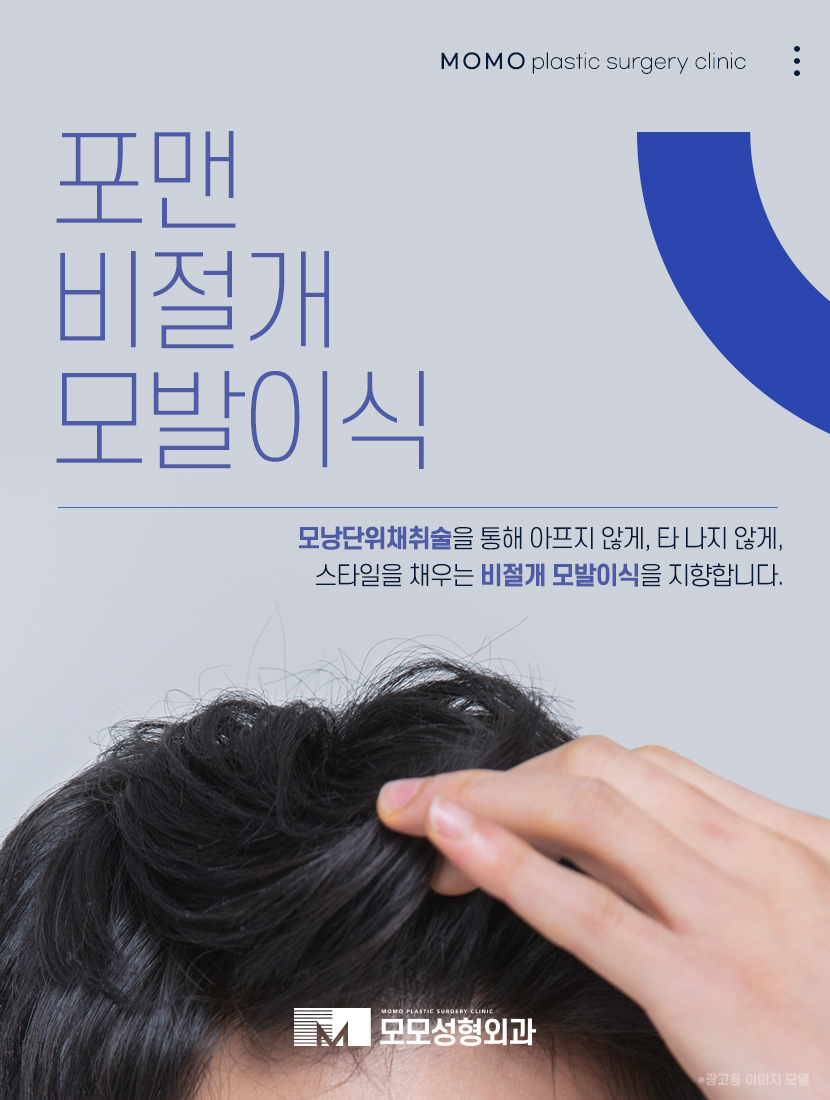
Because each individual has different types and symptoms,
and because the harvesting method also differs,
differences can appear significantly in hair transplant pain, graft survival rates, and cost as well.
You should carefully check what advantages and disadvantages there are,
what differences exist depending on the degree,
and what options can be applied to your own situation,
then visit a medical institution for consultation and diagnosis before making a careful decision.
As for treatment methods, I think everyone knows that they are broadly divided into strip and non-strip methods.
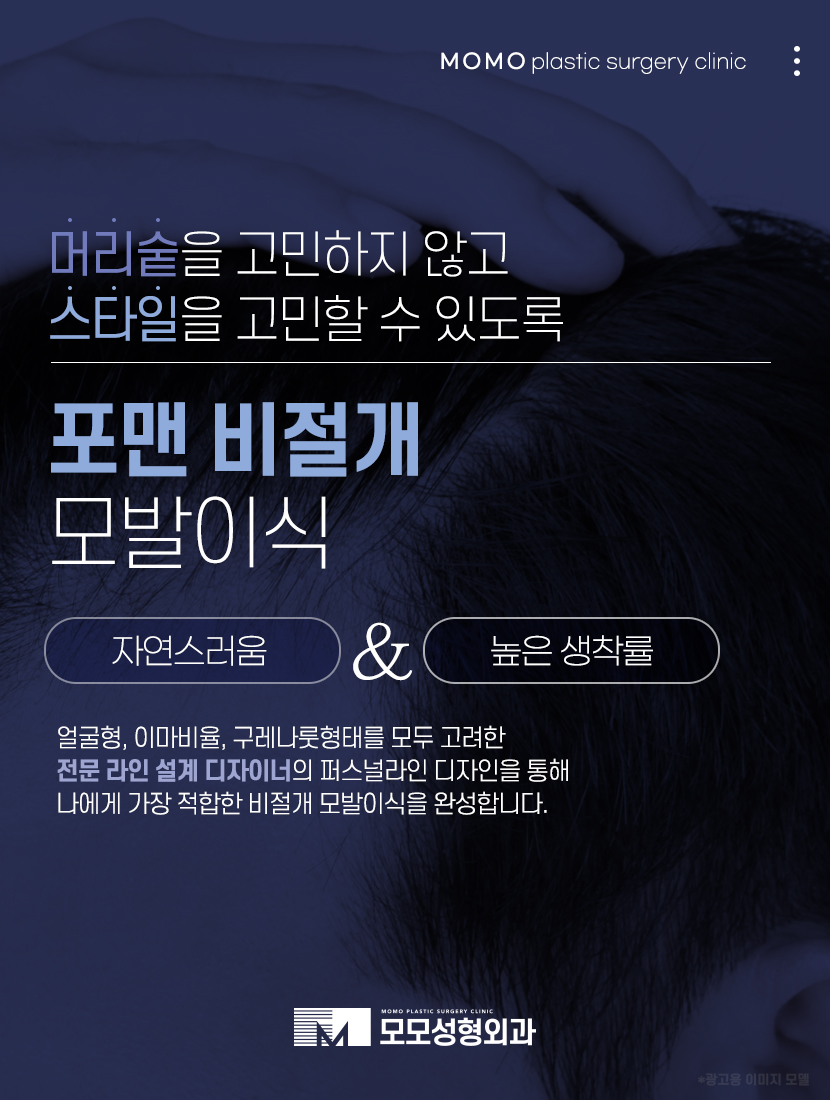
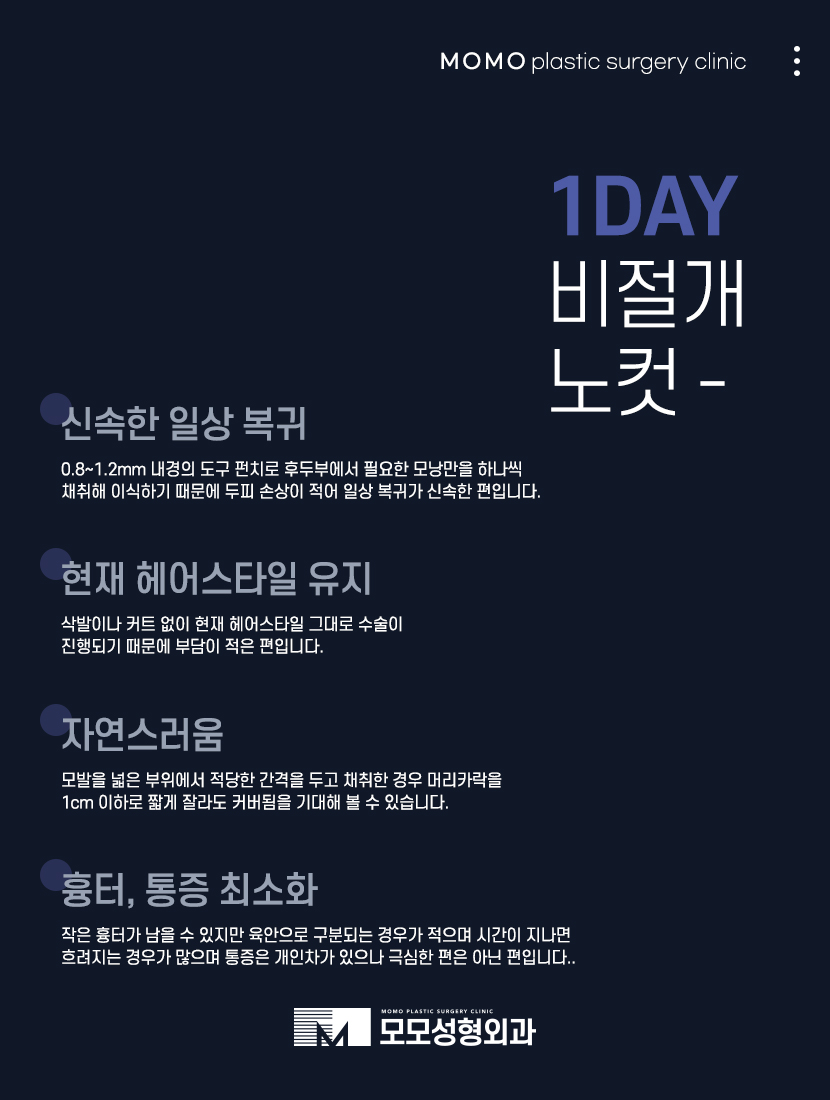
In the past, follicles were obtained and used by cutting open the skin,
whereas nowadays, using a punch or other devices,
suitable grafts are selected from the occipital area, where hair is growing normally,
harvested one by one, and transplanted into the deficient areas.
Because unnecessary damage is reduced and there is no incision,
hair transplant pain is generally less than with older procedures,
and the recovery period is also shorter.
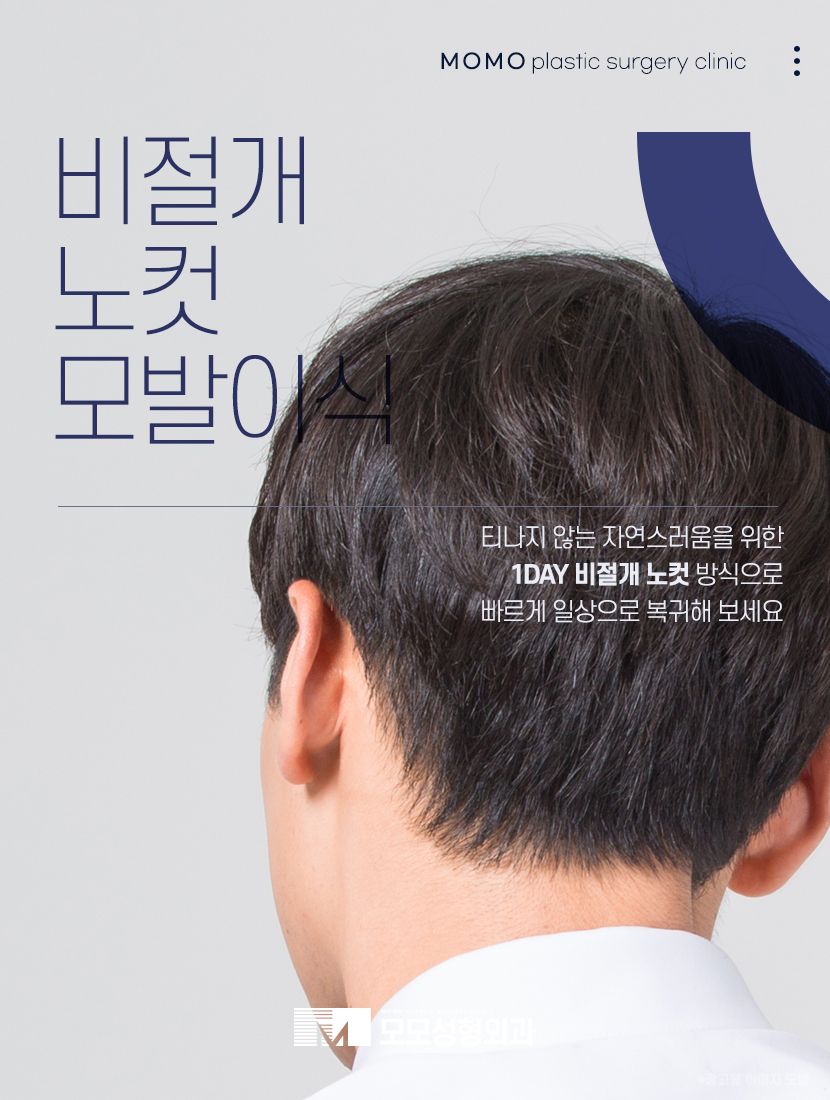
In the past, the procedure was performed after shaving the head,
but now technologies that allow it to be done without shaving have emerged,
so various procedures are being carried out depending on the method the patient wants.
Because the medical team individually moves and implants the grafts,
it is possible to preserve precise and accurate detail while also calculating the density of the natural hair within the scalp.
This is one reason many people choose the non-strip technique, as it helps preserve a natural appearance and cover empty areas.
Since it does not penetrate deeper than 1 cm into the skin of the head,
major scarring is rare, but because the grafts are removed one by one,
soreness or similar pain in the occipital area may occur over time.
Please keep in mind that the degree of pain differs from person to person.
In the strip method, the scalp is usually cut open and tissue is removed,
so you may think the pain is severe and that noticeable marks remain.
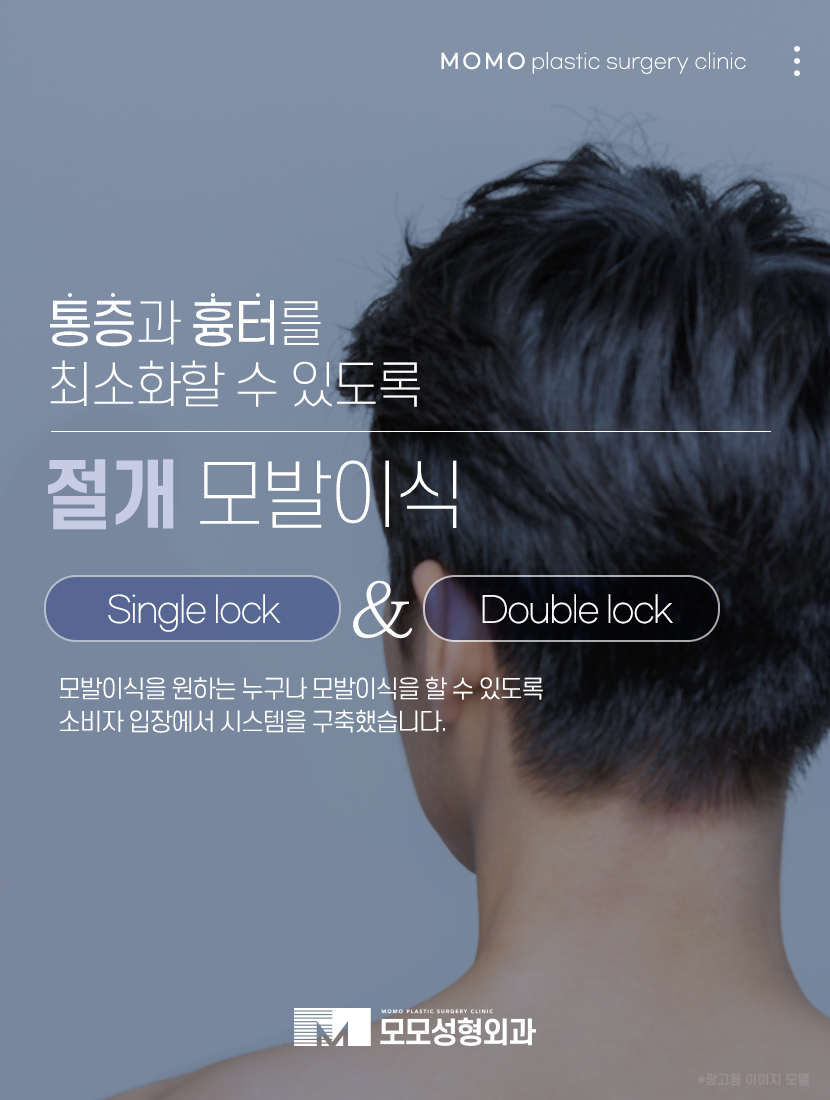
However, to minimize this, single and double-lock suturing methods are used.
Through these techniques, they help prevent the scar from widening and reduce hair transplant pain such as pulling sensations.
The area is sutured just in front of where it was removed so that hair can grow there as well,
helping it become completely covered.
Also, depending on the case, the decision is made through the attending physician’s thorough diagnosis,
and it is applied in various situations, such as when stable large-volume transplantation is needed,
when there is little hair in the occipital area,
or when hair loss is progressing faster than expected.
Still, there are various advantages: shorter surgery time, lower cost, the procedure can be performed with controlled trimming,
follicle damage is minimized, and as mentioned earlier, large-volume transplantation is possible,
which is likely why this method is chosen by many people.
The two methods explained above differ only in how the surgery is performed,
so the most important factor, graft survival rate, is likely not very different.
Because the non-strip method has become much more widely known and recognized than the earlier method,
you may think there are differences in the final results as well.
In addition, the degree of pain felt may differ,
and compared with the non-strip technique, you may feel the discomfort to be greater,
which can cause a lot of inconvenience.
However, in daily life, it can be managed with painkillers or antibiotics prescribed by the medical institution,
and because it gradually subsides after a few days,
it is not something that can be considered a serious problem to the extent of causing major impact.
Choosing a method solely based on whether hair transplant pain is present may lead to poor results.
The important thing is to manage it in advance before symptoms become visible,
but if symptoms have already appeared and have progressed to some extent,
it is necessary to manage them or visit a medical institution to prevent them from spreading to other areas.
As mentioned earlier, hair loss is a condition that can be easily seen around us,
but since no technology has emerged that can completely cure it,
consistent management is the best approach.
If there are abnormalities, including hair transplant pain,
it may be better to find a suitable procedure for the patient and proceed in a planned manner,
so please compare institutions and hope you can receive natural-looking results.