In line with social trends in which the importance of appearance is increasingly emphasized, most people are making efforts to manage themselves thoroughly. People who do not take care of themselves may fail to gain a positive impression from others, and since this has a significant impact on social relationships, areas considered complex are sometimes improved with the help of medical procedures in order to build an image that suits me.
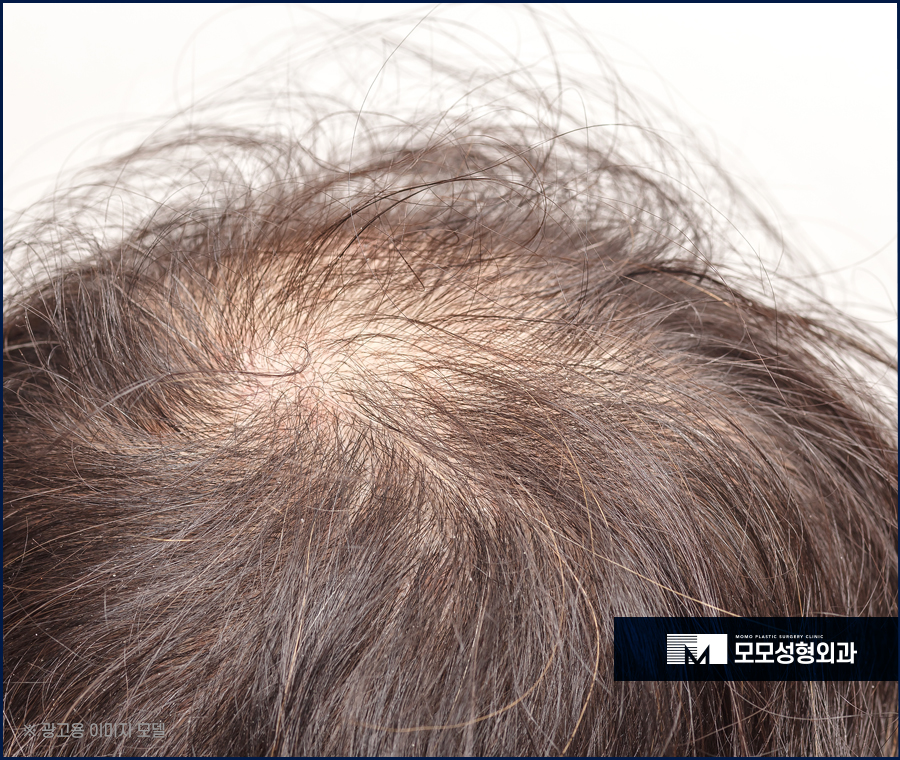
To bring out one’s hidden appeal, the aesthetic function of hair is actively utilized. Because a hairstyle can create an entirely different image depending on how it is styled, if hair loss is currently suspected, it is important to act as quickly as possible to protect the number of remaining natural hairs.
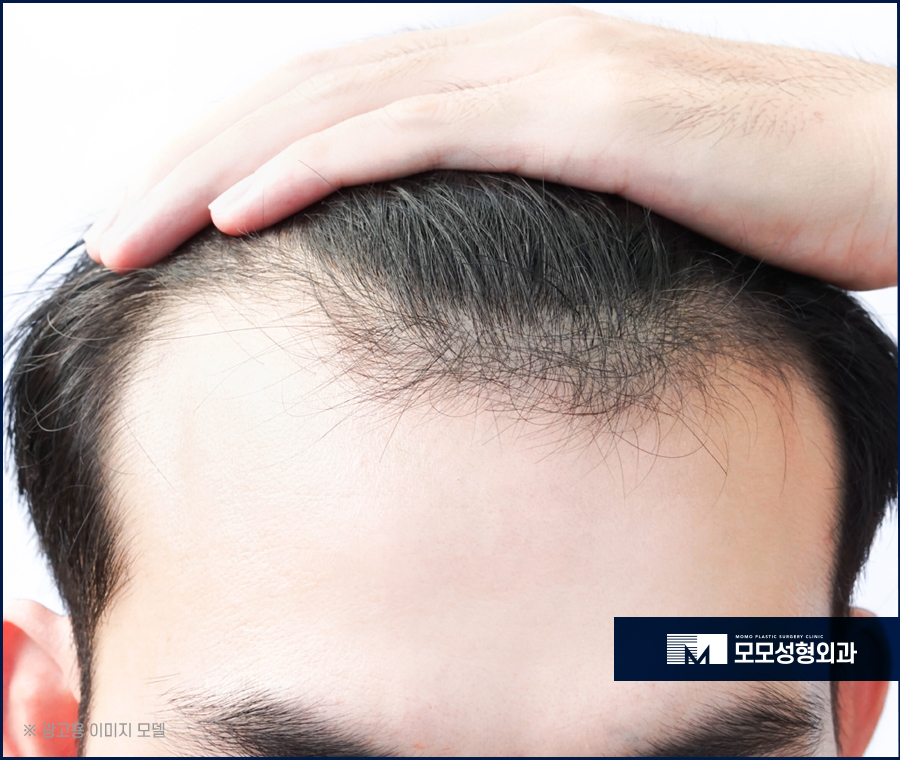
If your hair volume is gradually decreasing or the area where natural hair is falling out is expanding, it may become difficult to freely style your hair as you wish. These days, as interest in appearance has increased regardless of age or gender, people look for ways to improve symptoms caused by hair loss in order to create a style that suits them even a little better.
The treatment direction for a procedure that transplants natural hair can largely be divided into excision and non-incisional hair transplant surgery, and the latter, which allows for greater technical precision, is often preferred over the more commonly used excision method.
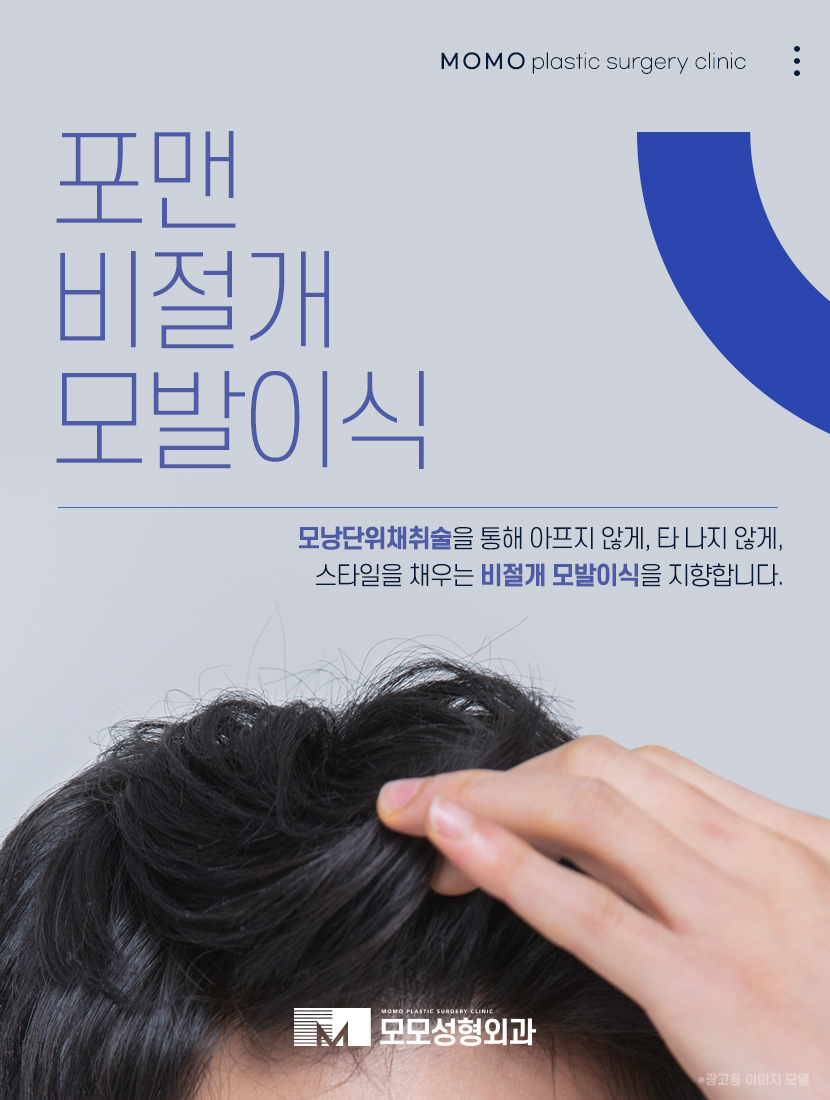
It can be described as a method actively chosen by people who strongly desire natural-looking results because it does not stand out much even later on.
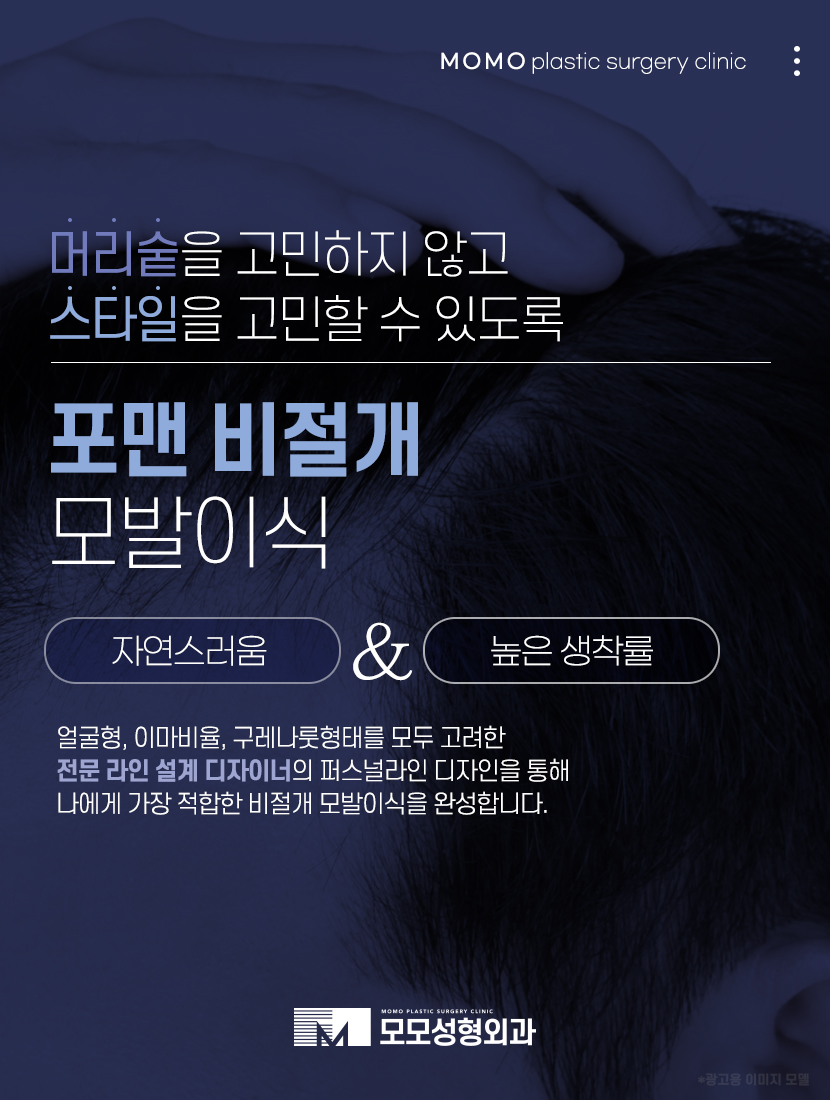
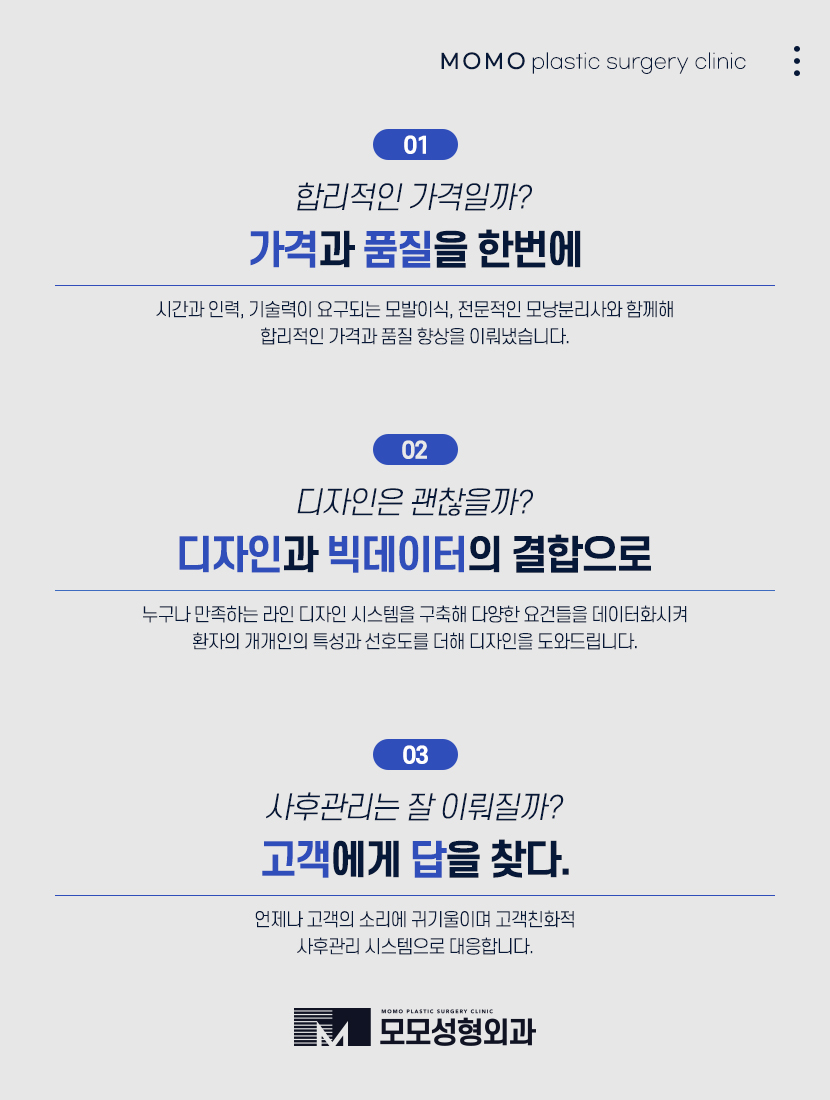
However, in the past, it was often dismissed as being expensive and having a relatively low level of graft survival. But as various techniques have advanced, the precision of the surgeon has increased, and perceptions have changed so that non-incisional hair transplant surgery is now understood to be possible at a reasonable level, making it increasingly popular with many people.
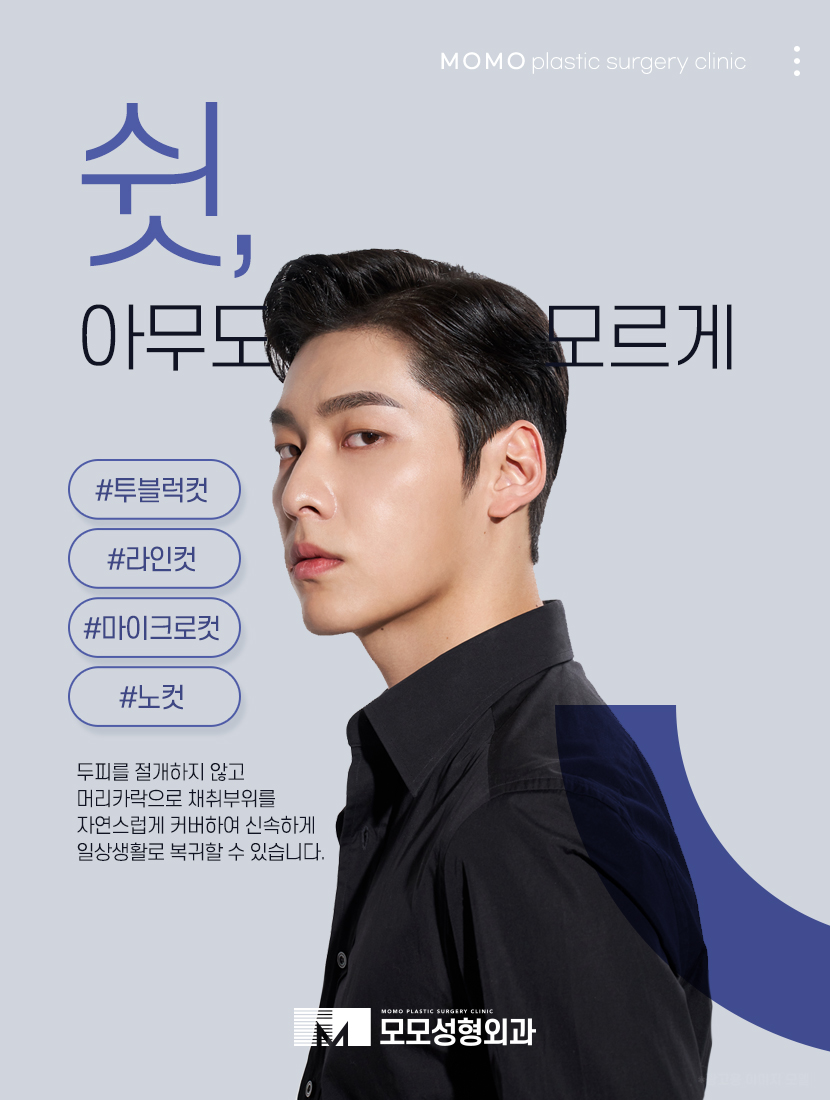
This method involves removing natural hair before harvesting follicles from the back of the head, and the approach can be said to vary greatly. It is important to understand the pros and cons according to the shaved state and proceed with the process that is appropriate for you.
When undergoing non-incisional hair transplant surgery, if the procedure is performed after shaving the entire scalp, there is the advantage of being able to immediately assess hair density. However, until the hair grows back, white dot-like extraction marks may remain, and the treated area can be clearly visible, so many people feel inconvenienced in daily life.
To compensate for these shortcomings, technical capabilities have advanced to the point where the procedure can now be performed without shaving, and because large-volume procedures that were only possible with excision are also possible, it can be used appropriately even when hair loss has already spread across a wide area.
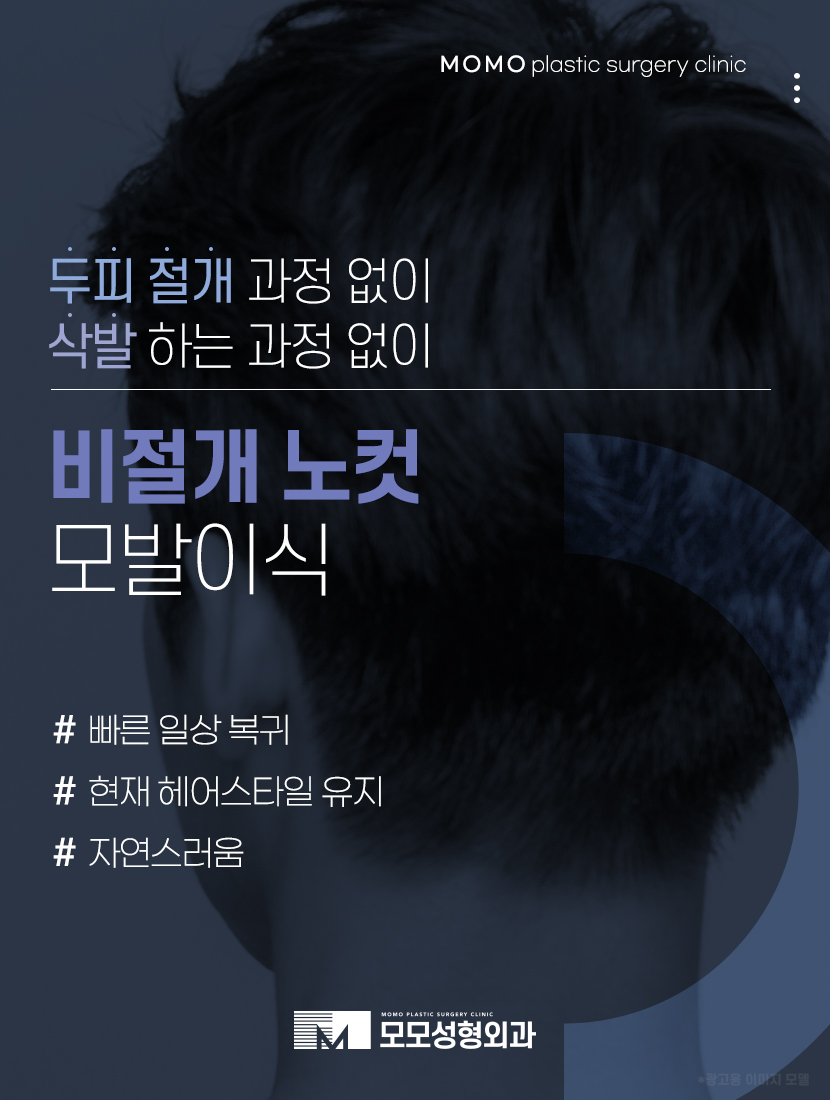
Once the procedure is completed and the transplanted hair goes through the proper graft survival process, the hair that grows will not fall out again. Therefore, it may be desirable to choose a shaving and treatment method that matches individual conditions such as skin type, spacing, the direction of the existing natural hair, and angle. In addition, if applied with a design that has the proper depth and density, the likelihood of achieving a natural result increases, and satisfaction can also improve.
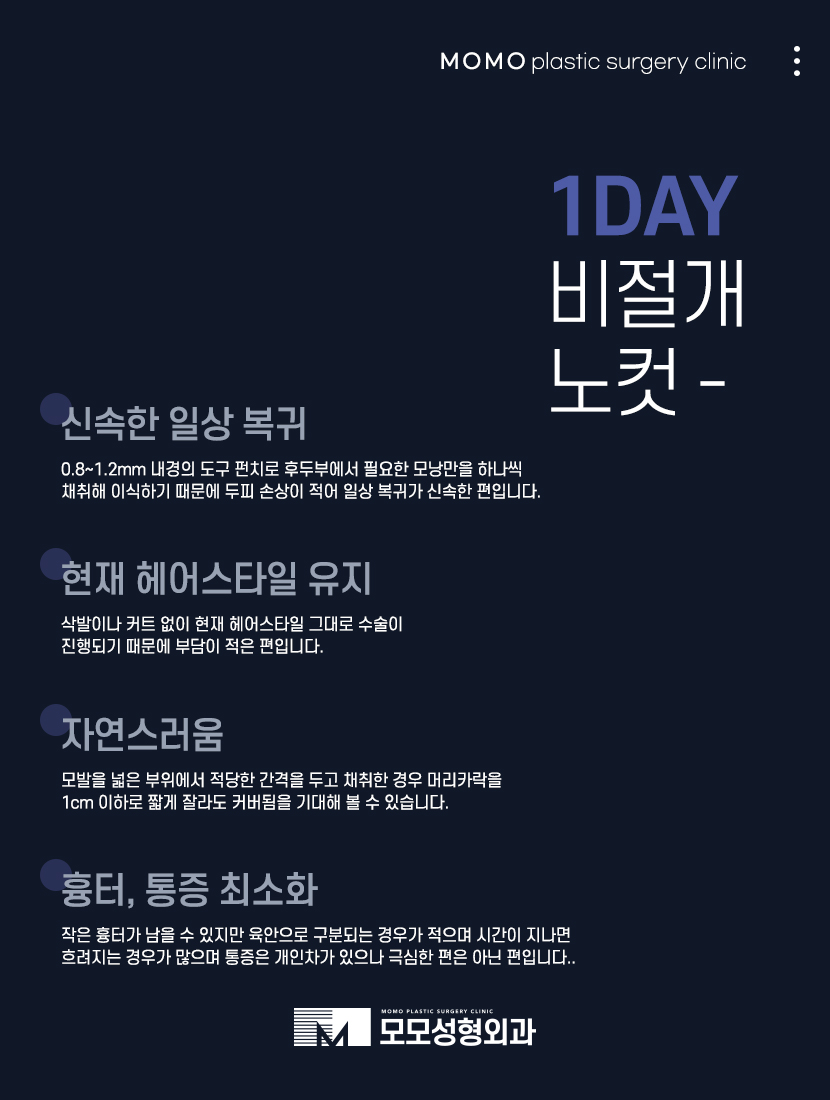
When performing non-incisional hair transplant surgery, it can be important to plant the follicles at an appropriate depth, as well as to take each person's characteristics into account. If the procedure is done too deeply into the skin, a dimple-like indentation may occur and look unappealing to the naked eye. On the other hand, if it is placed too shallowly near the skin surface, the follicle area may appear swollen like a tent, creating an unnatural look and reducing satisfaction.
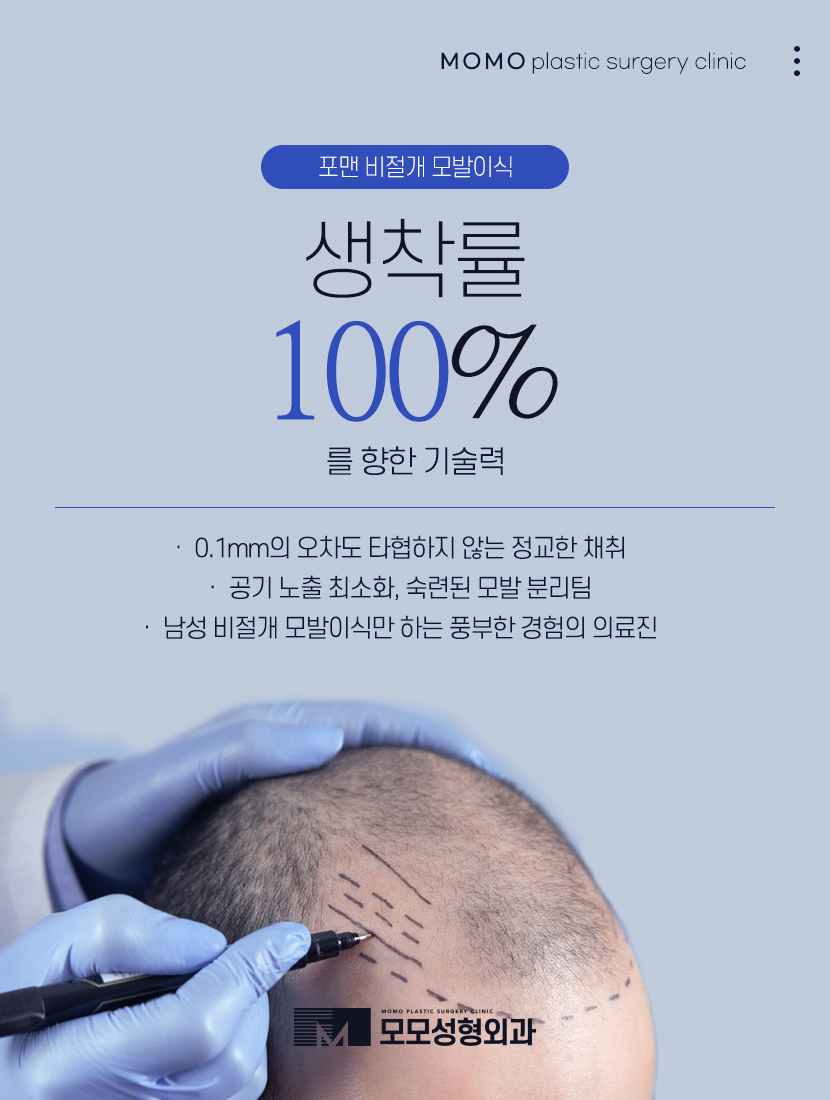
To reduce damage to the follicles and minimize the risk of future side effects, technical skill and experience are needed to plant the follicles at the proper depth. Even if the same number of grafts is performed, the results can differ, so it is most desirable to consider multiple factors comprehensively and undergo non-incisional hair transplant surgery at a specialized institution with excellent technical capability.
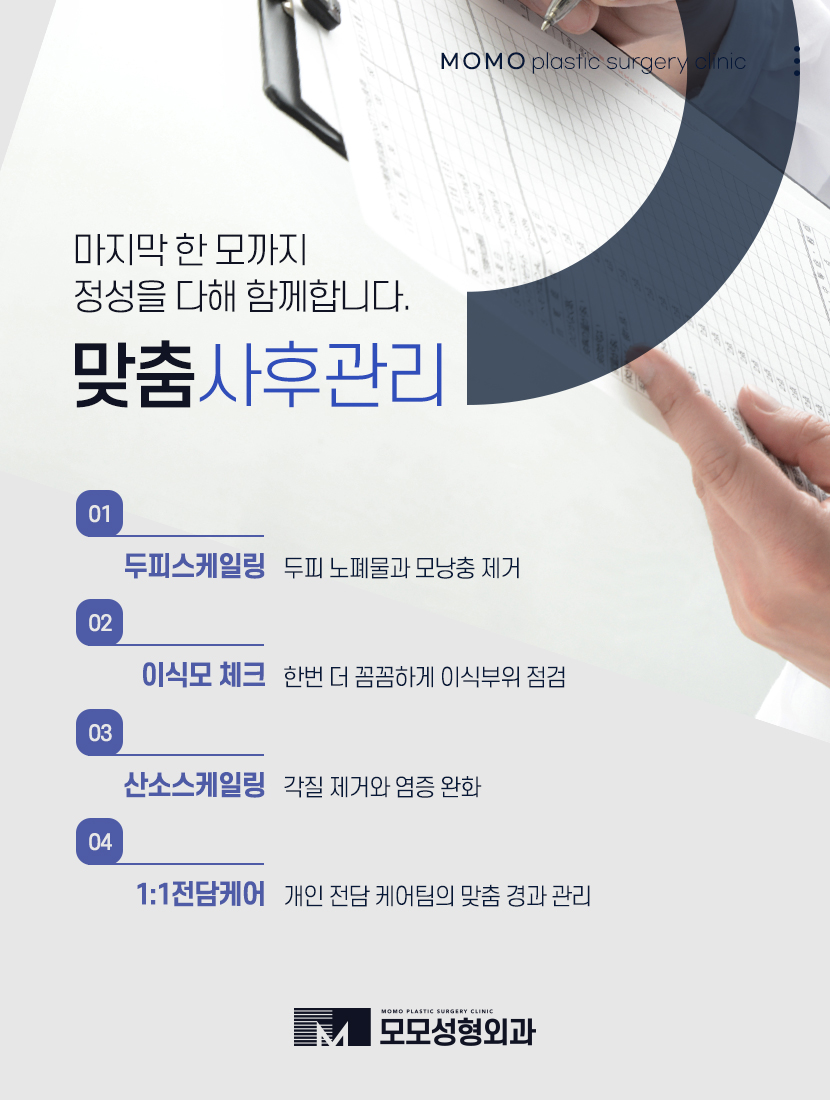
In addition, customized care must be provided in line with the later stages of hair growth in order to expect a high graft survival rate. If the amount of hair that has settled is lower than originally expected, various methods should be used to improve patient satisfaction through aftercare services that provide free reinforcement without additional cost so that abundant results can be seen afterward.

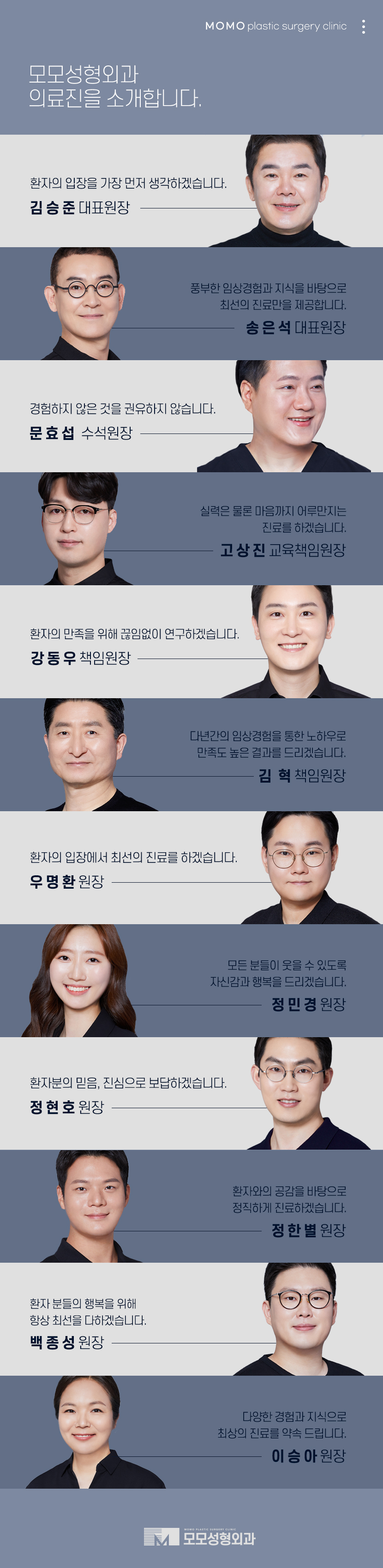
Therefore, based on extensive surgeon experience, receiving appropriate non-incisional hair transplant surgery and a precise diagnosis from a highly skilled dedicated doctor may be the wise choice.
In terms of cost, it varies depending on the procedure used and the scope involved, and a 1:1 design consultation can be conducted to plan a customized non-incisional hair transplant surgery that increases individual satisfaction. Since hair loss can also occur due to overwork, stress, lifestyle habits, and diet, rather than simply feeling reassured, please receive a diagnosis through a detailed consultation at an early stage.