As we go through life, we end up experiencing many illnesses.
They range from mild symptoms to serious conditions, and there are many different types.
Among them are various problems that appear on the head, and today we would like to take a close look at a condition called scalp folliculitis.
What is scalp folliculitis?
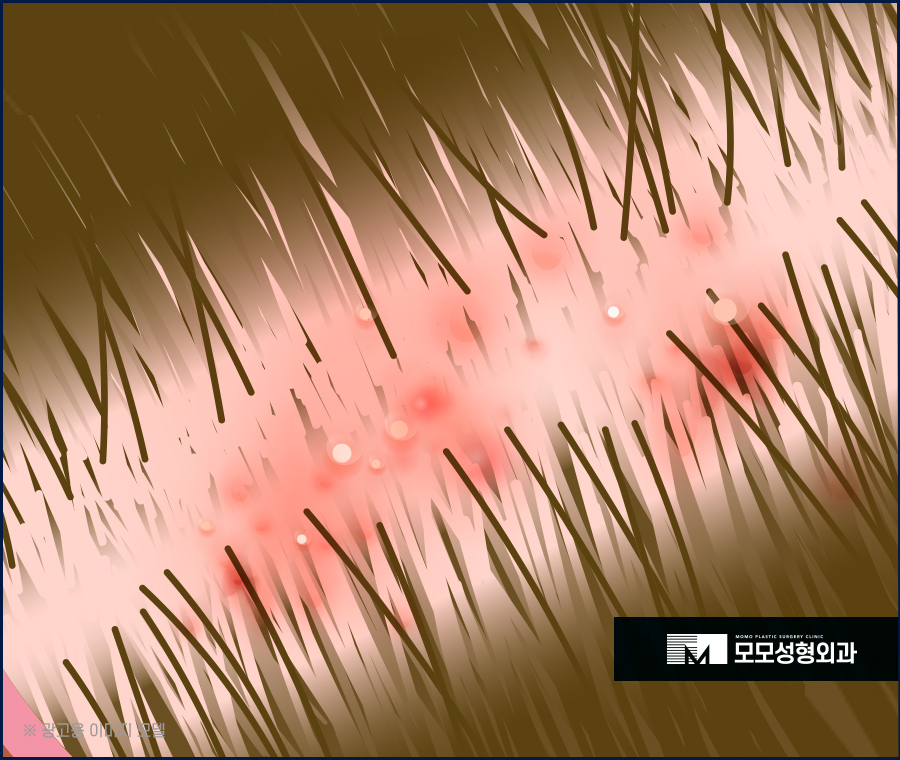
It is an inflammatory disease of the hair follicles caused by bacteria, and it appears as a symptom of infection by a virus that starts in the follicles, which are the sacs in the skin that surround hair and supply nutrients. The severity can be classified according to how deeply it has invaded.
It may be contagious, and because it resembles acne, it can be difficult to recognize accurately, so many people have trouble distinguishing it correctly.
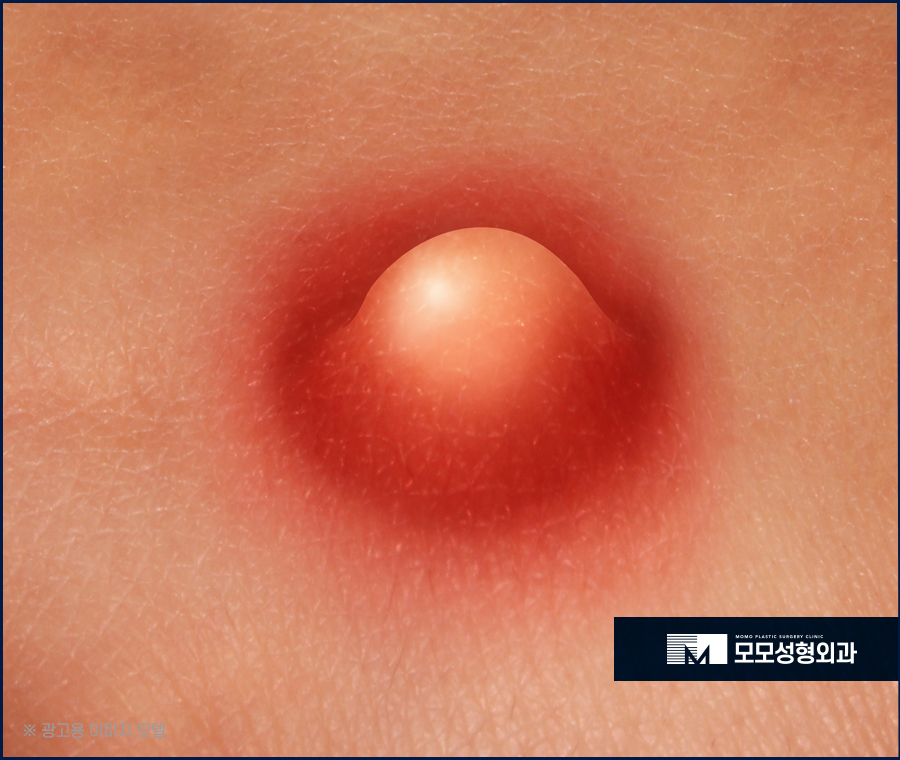
The biggest difference between acne and scalp folliculitis can be simply identified by the presence or absence of sebum.
When acne is drained, a yellowish mass of sebum comes out, but scalp folliculitis, on the other hand, is characterized more by bleeding than by the appearance of sebum, or by firm lesions.
Visually, it is very similar to suppurative acne, so confusion is unavoidable.
If you mistakenly apply pressure and try to squeeze it, the affected area may become much larger than before, worsen, or even cause scarring and pigmentation.
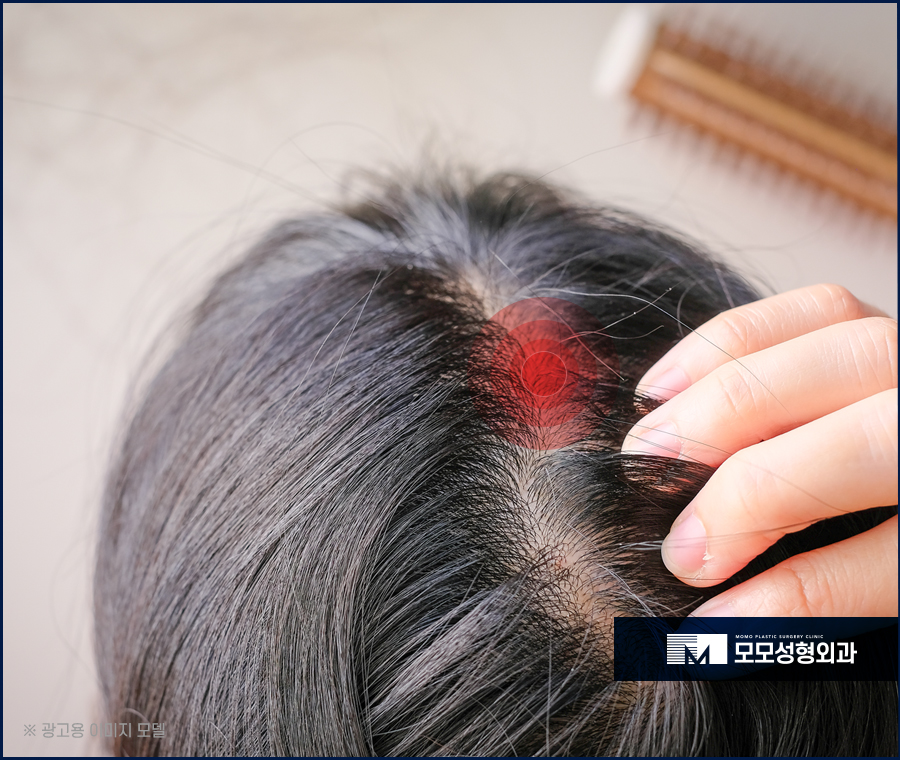
Diabetes, obesity, and poor hygiene can also act as factors that trigger its onset, but fundamentally, it occurs when Staphylococcus aureus invades weakened skin due to lowered immunity from trauma, stress, overwork, lack of sleep, and so on.
In general, Staphylococcus aureus is present on our skin, so it does not usually cause problems, but if it enters the body through a wound, it can cause various infectious illnesses and other problems.
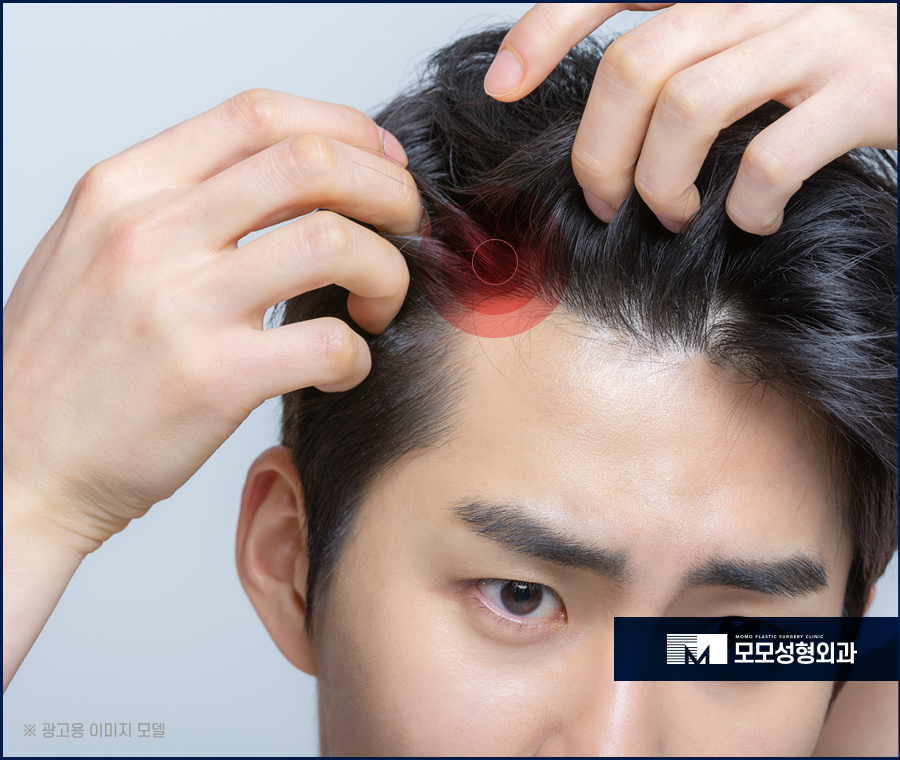
In addition, the presence of Demodex mites, which feed on secreted sebum, can also be considered one of the causes.
Demodex mites are microscopic organisms that are actually invisible to the naked eye, but they are usually found in large numbers on the face, where many sebaceous glands are distributed. The condition can also appear when the inside of a pore is full of waste, eggs, dead mites, sebum, and more.
Acne commonly appears in areas with many sebaceous glands, such as the face, back, or chest, but scalp folliculitis can occur on any part of the body where hair grows, except for the lips, palms, and soles.
Centered around the area where hair grows, red patches appear, and if small papules or pustules develop, firm and painful red nodules may appear as well. If the condition is severe, fever and chills may occur, and it may even affect the whole body.
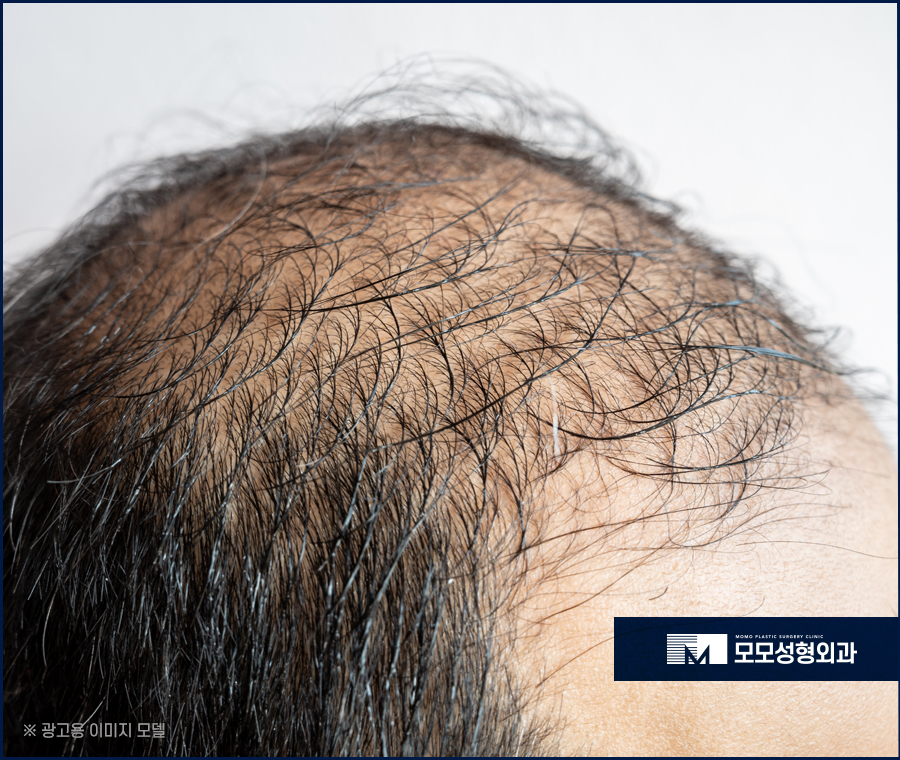
If the bacteria do not remain only on the epidermis of the skin and invade deeper areas, scarring or hair loss may occur.
Because of the issue that develops in the sac within the pore that surrounds and nourishes the hair, the hair shaft becomes thinner, making hair easy to fall out. If it continues, it may be destroyed to the point where hair growth becomes impossible, becoming a major cause of hair loss.
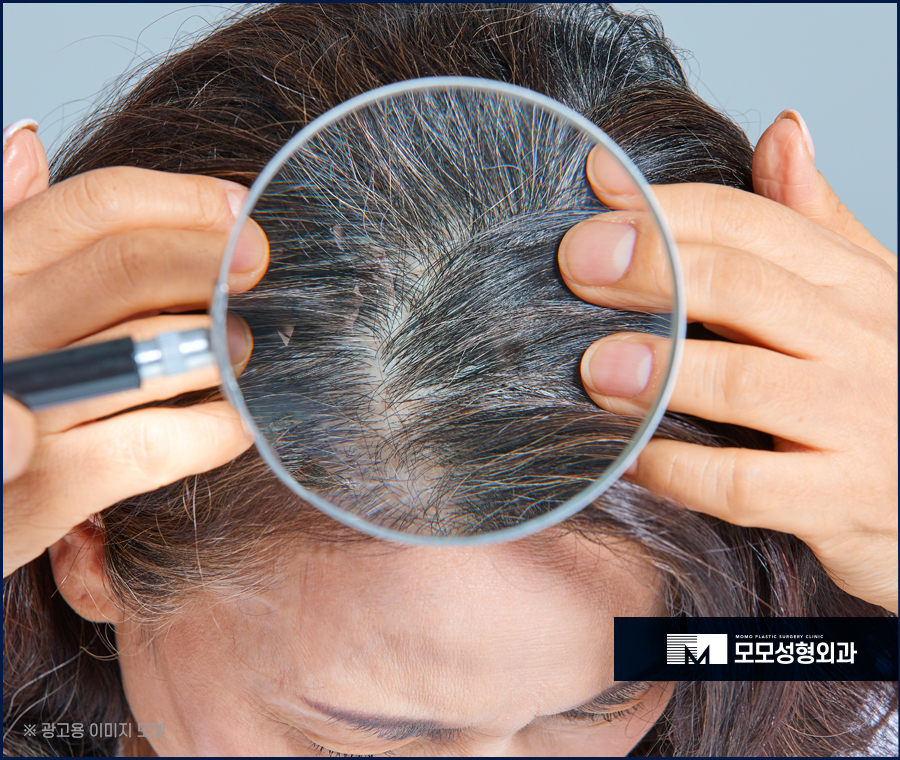
If it is in the early stage, the pus-filled area may be incised to drain the pus, or the lesion may be calmed down with antibiotics as the basic treatment.
However, if it has progressed into a chronic condition, hormone medications with antiviral and antibacterial effects may be applied for intensive care.
In most cases, full recovery can be expected within about 1 to 2 weeks, but because recurrence is relatively common, it is advisable to carry out prevention and management together by improving daily lifestyle habits.
If it does not subside after several days, or if it continues and instead worsens, it would be advisable to remove the causative factors and take measures to relieve the abnormality according to the attending physician’s prescription.
When a pustule becomes injured, there may be concern about secondary infection if it is removed carelessly, so it is not good to irritate or remove it recklessly, and appropriate treatment should be carried out promptly.
To prevent scalp folliculitis, cleanliness is essential, so it is important to keep the scalp clean at all times and use care products that are as non-irritating as possible.
It is also better to avoid things that are considered especially harmful, such as perms or hair dyeing.
If, despite steady care, symptoms like acne appear frequently or keep recurring, it is recommended that you quickly visit a related medical institution and receive an accurate diagnosis.
If a highly experienced specialist provides customized care and procedures tailored to each individual based on a wide range of surgical experience, it may lead to better results.
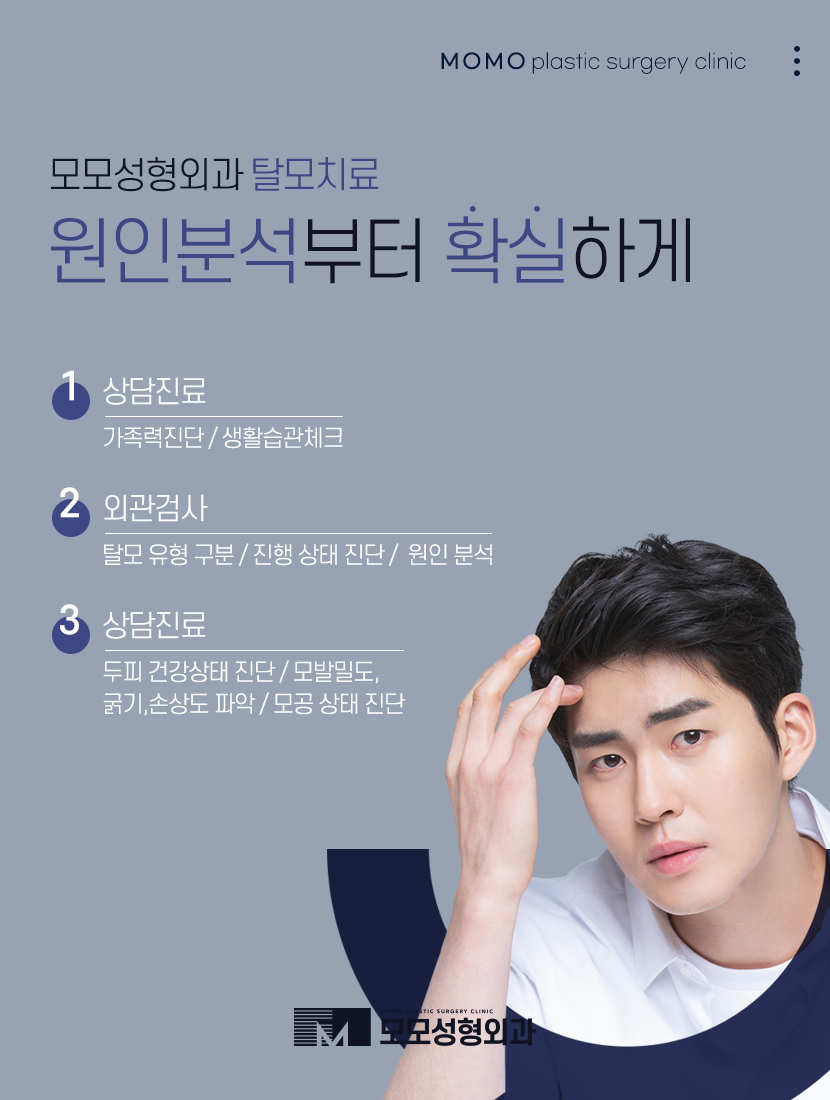
If you are worried about hair loss in addition to the loss of health caused by scalp folliculitis, please note that rather than hesitating, visiting a related medical institution as soon as possible and finding the right solution can be one way forward.