People living in today’s society
are often burdened by
overwork, fatigue, and stress,
which continue to build up and
lead to many concerns.
Hair loss symptoms, in which hair falls out,
are also becoming more and more common.
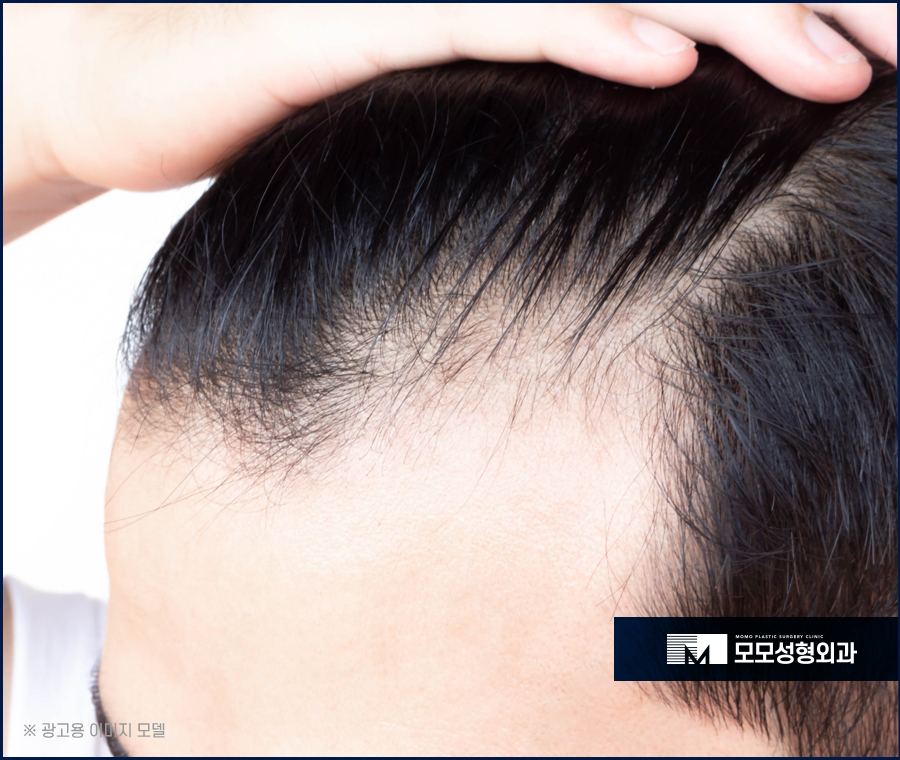
It is said that as many as about 10 million people
may be troubled by this condition,
and there are cases where the state is severe
enough to be noticeable at a glance,
while many people hide the complex by
changing their hairstyle.

These days, the technical aspects of surgery have
advanced considerably, and awareness of transplanting
natural hair itself has changed markedly compared to
the past, so the number of people visiting relevant
medical institutions to undergo the procedure has
also steadily increased.
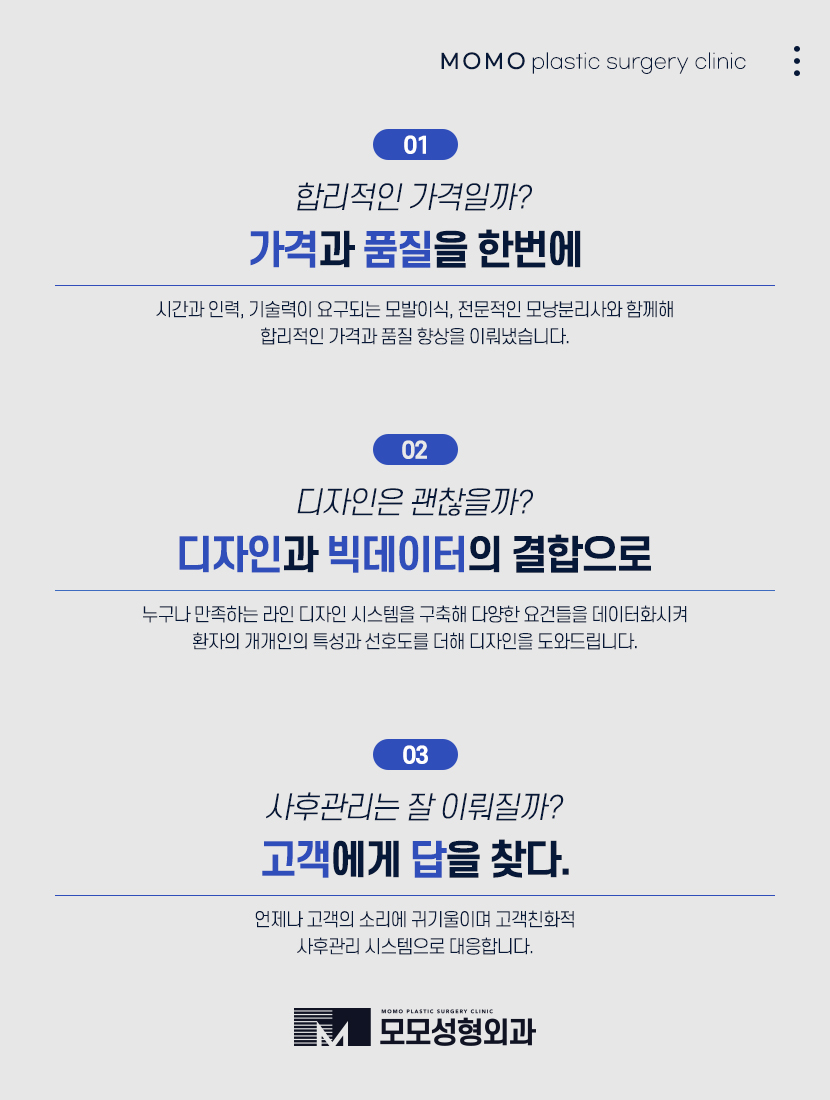
Because this procedure uses your own healthy natural hair
and transplants it to the desired area that is thought
to need improvement, it is highly popular across generations
because the effect is permanent and it can be addressed
with a natural look.
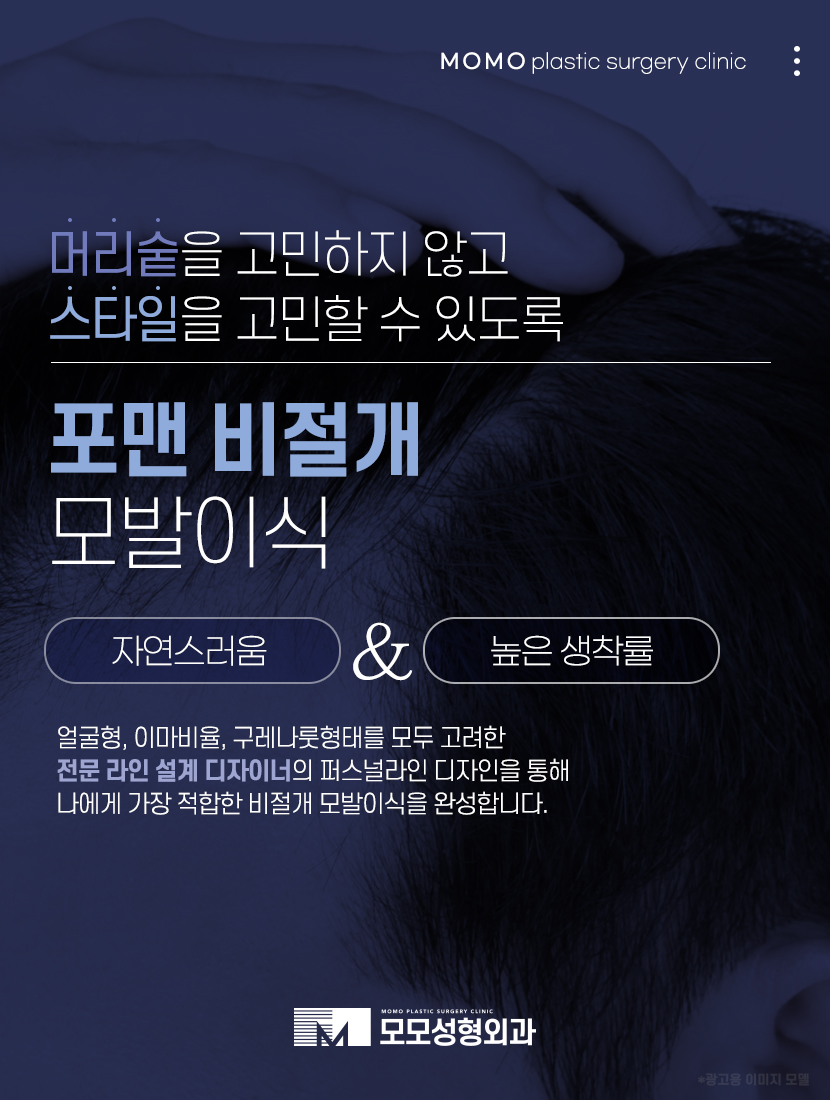
Of course, the procedure itself and the results immediately
afterward are very important, but focused aftercare is
most important of all. If care is neglected or the precautions
are not properly followed, the hair transplant graft survival
rate may drop or the outcome may fall short of expectations.
Even if you made a careful decision after much consideration,
you may be deeply disappointed if the expected postoperative
result does not appear.
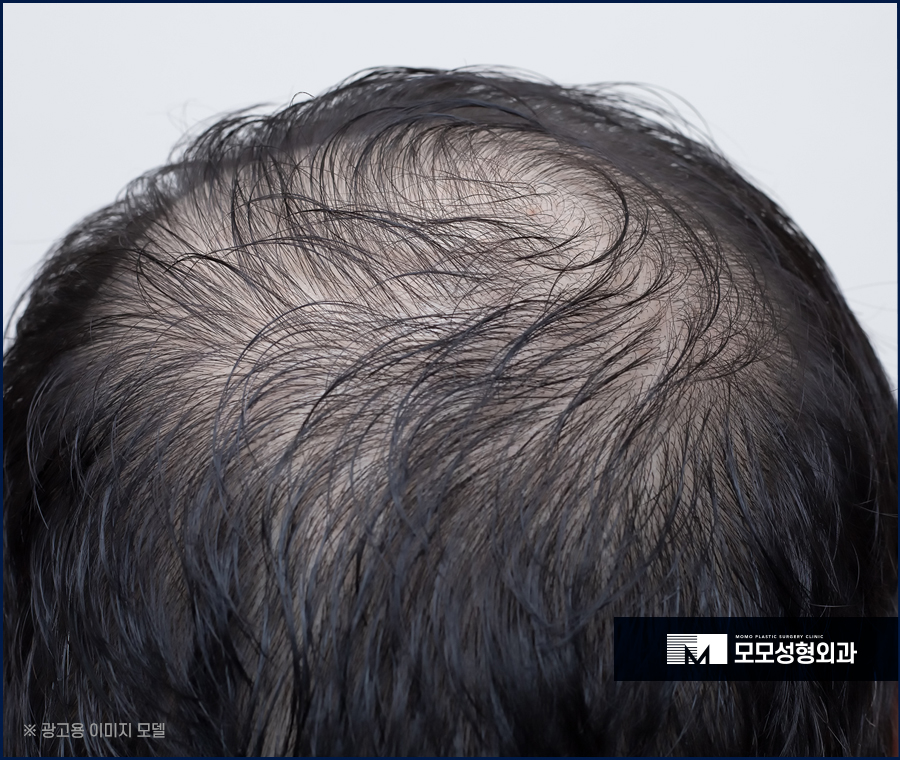
The transplanted hair must settle in, which is a very important
part of determining fullness, so you need to focus on the hair
transplant graft survival rate. This refers to the transplanted
natural hair becoming integrated with the surrounding skin tissue
through the procedure, receiving sufficient nutrients, and settling
down in a healthy state; you can understand it as the proportion
of hairs that can perform that function.
The higher the percentage, the greater the satisfaction with the
results, and it is also known that with current medical technology,
it can be formed at over 90%.
Since the wounds that occur during the procedure take time to
recover safely and the transplanted follicles need an average of
about two weeks to function normally, it may be appropriate to
carry out careful management until the wounds heal after the
treatment. To expect a high hair transplant graft survival rate,
it is of course important not only to perform the entire process
with skilled expertise, but also to make a sincere effort during
the period when intensive aftercare is required, as this can have
a major impact. Therefore, it may be advisable to visit the relevant
medical institution regularly, check the progress closely, and
carry out aftercare.
After that, appropriate care should be applied according to each
stage, and the things you should be especially careful about in
daily life are direct stimulation of the affected area and attempting
to drink alcohol or smoke. If you take these lightly and proceed,
they can constrict blood vessels and trigger an inflammatory response,
which may interfere with settling, so it is recommended that you
refrain from them.
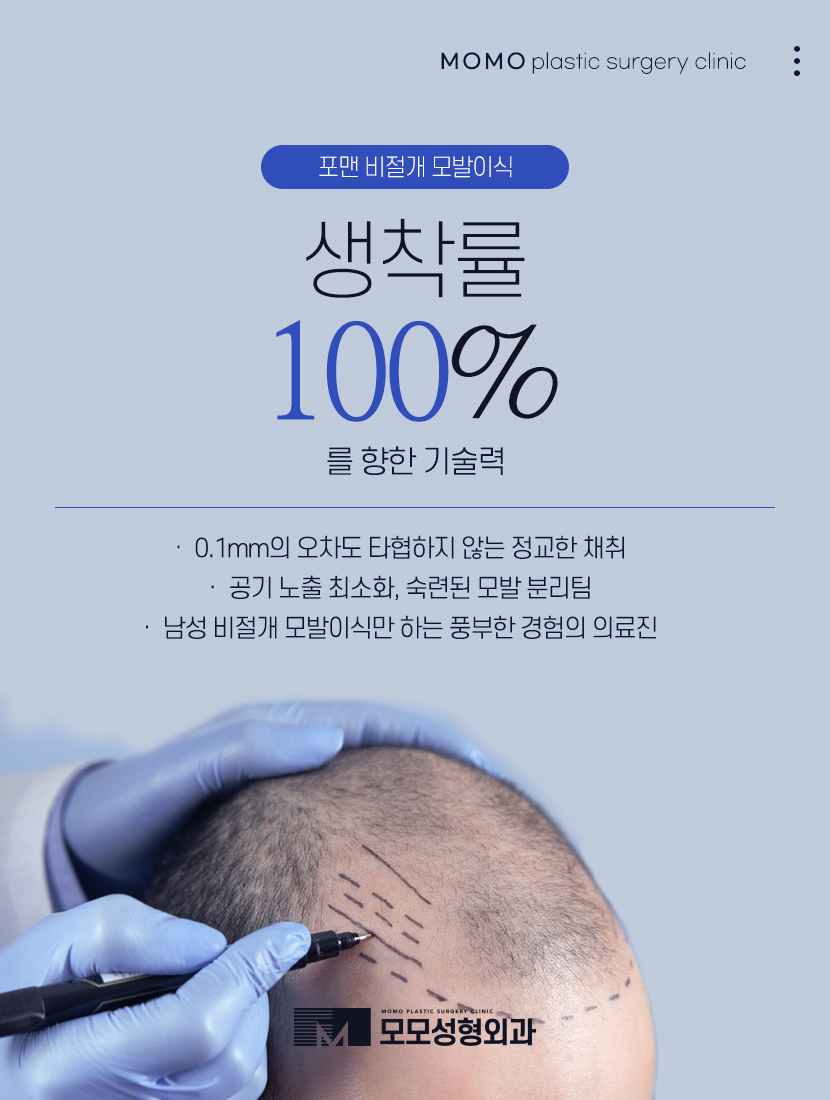
Likewise, it may be necessary to avoid strenuous exercise and
activities such as saunas. Checking for symptoms that may appear in
the surgical area, such as skin inflammation or pimples, and taking
appropriate measures may be a way to prevent side effects.

In the case of small pimples or millet-like acne that does not have
pus inside, this is generally a common phenomenon, and in most cases
it naturally disappears if you wash your hair well and go about your
life. Sometimes, when cases similar to pustular acne occur, people
simply take measures such as gently pressing with a cotton swab to
pop it or applying an ointment. However, if the same area continues
to recur, if the pimple is swollen, if the color is very red, or if
a large number of pimples appear all at once, it may be necessary to
improve the symptoms with medication.

If you do not pay proper attention during the important period when
the natural hair is settling in, you may not achieve the hair transplant
graft survival rate result everyone wants. Therefore, along with whether
there is an aftercare program, it is best to carefully review the
surgeon’s skill, experience, and reviews before making a decision.

Ultimately, success or failure comes down to whether a high hair transplant
graft survival rate and a natural design are achieved as originally planned.
Rather than judging solely by cost, it is recommended that you choose a
relevant medical institution that operates a systematic program.
Since most people undergoing the procedure are worried about genetic
hair loss, even if they undergo the procedure, it may be more effective
for the results of the hair transplant graft survival rate to take medication
in parallel so that the substances that trigger hair loss are not produced
and to prevent the production of the DHT hormone. Please continue managing
it consistently.