
Perhaps because of the dry weather, lately many people have been experiencing hair loss symptoms, where their natural hair
becomes thinner
and seems to be getting less dense.
Some people gradually develop symptoms due to congenital factors, but it is also said that an increasing number of people are experiencing problems acquired through various internal and external factors.
�
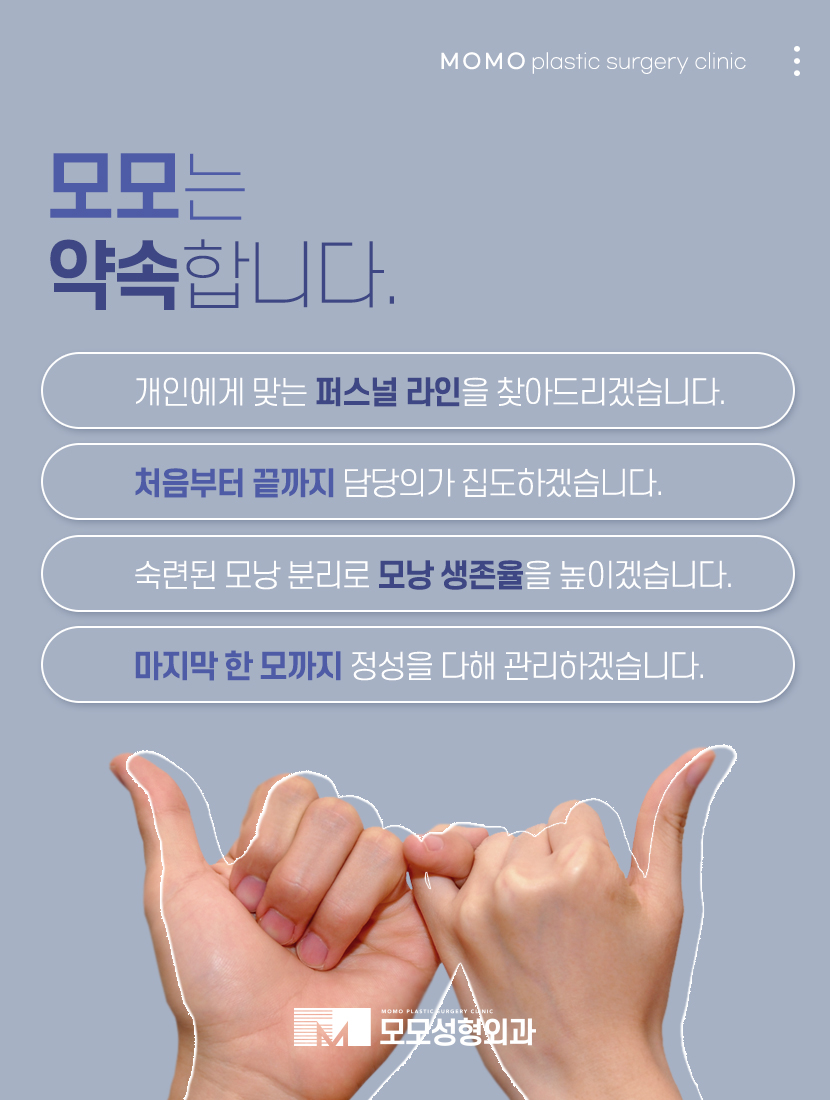
As the number of people concerned about hair loss has increased, Gyeongnam Station hair transplant centers, which were not common in the past, have also been opening in large numbers. Because it allows you to improve a complex naturally, it is gaining great attention and popularity across all age groups. It is drawing attention because it can transplant natural hair to the area that needs improvement, and because the procedure uses the patient’s own hair, it offers safe results and the maintenance afterward is permanent.
�
The Gyeongnam Station hair transplant procedure can be described as a treatment that moves hair follicle cells, the tissue sacs that grow hair. Because it is a method that transfers the entire follicle sac, it is preferred over single-hair procedures, which are performed strand by strand, since it can provide a larger amount. In a follicle located in the occipital region, which is considered a permanent area, the number of hairs growing from one follicle is generally 2 to 3 strands, and at most 4 to 5 strands. Depending on the treatment method, the physician can also selectively harvest only follicles with more natural hairs.
�
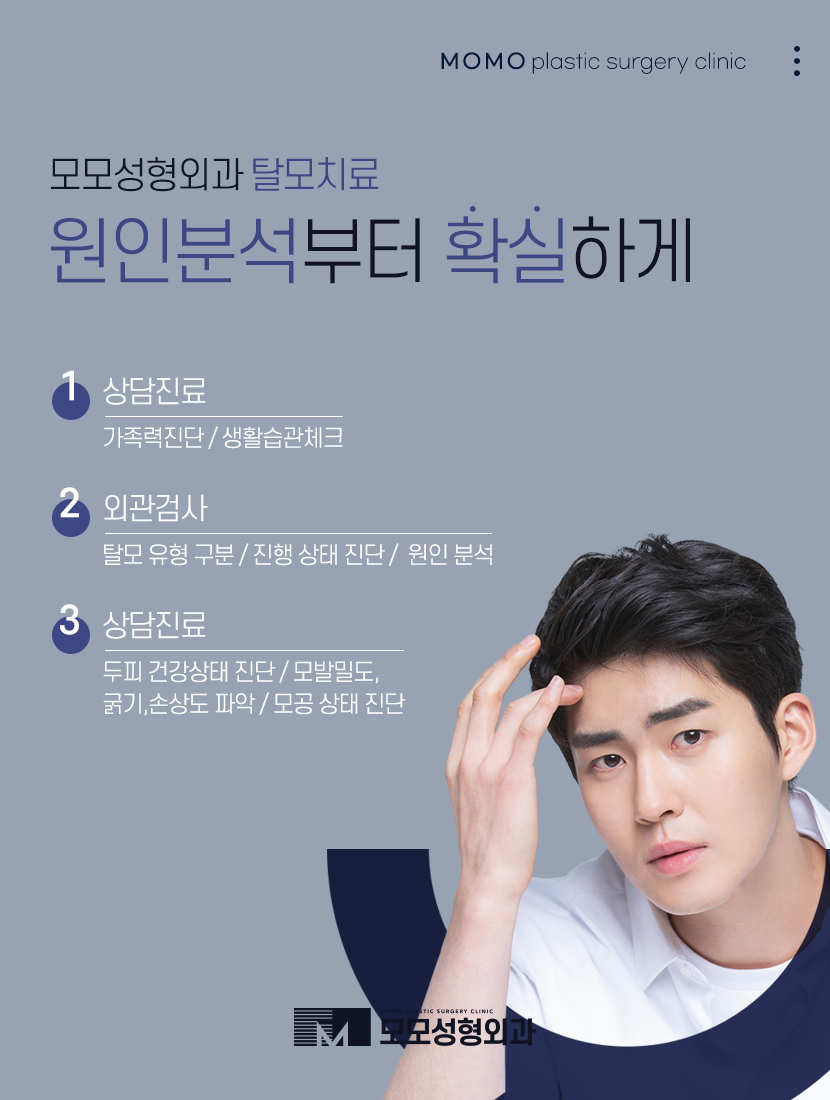
Right after the procedure, it may seem as if thick hair is growing in immediately, but when the hair falls out in line with its growth cycle, you may become doubtful about the result and feel anxious. Even if you are not a hair-loss patient, this phenomenon is something anyone can experience, so it is best to focus on consistent care during the Gyeongnam Station hair transplant survival period.
�
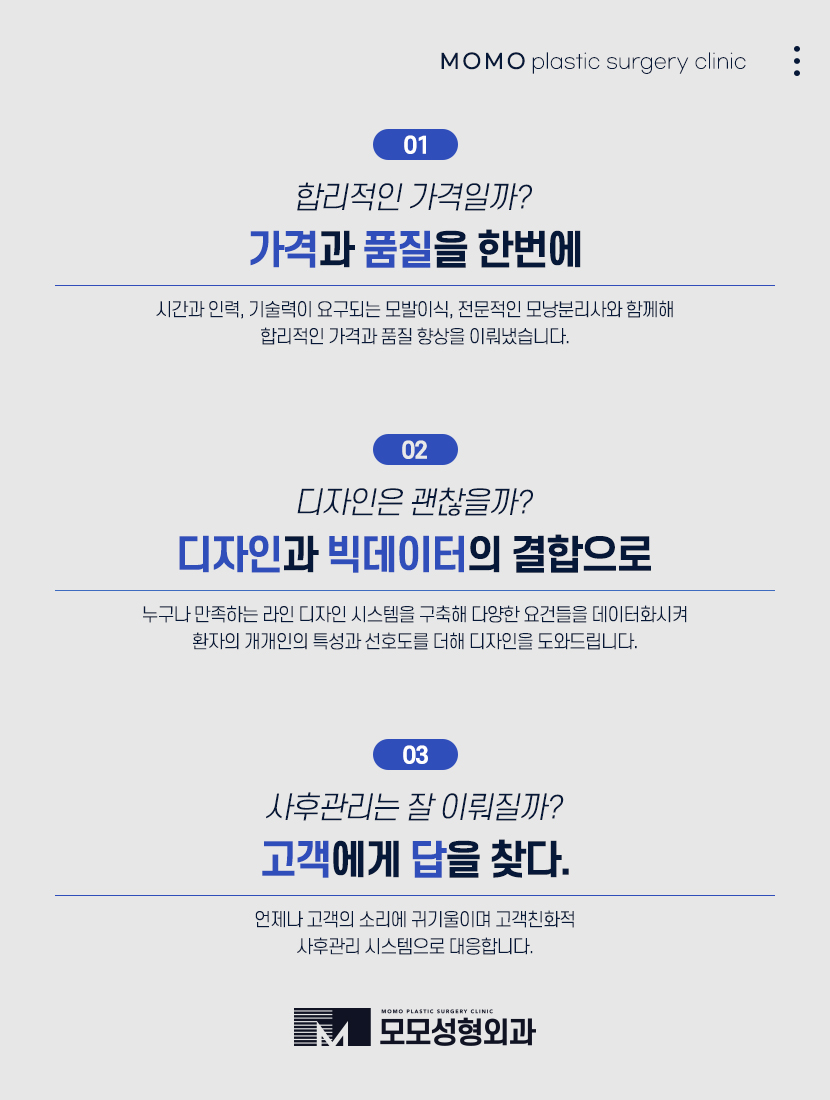
You may have high expectations for improving treatment or cosmetic concerns, but to increase satisfaction with the result, years of experience and know-how gained from performing many procedures may be necessary. Based on the teamwork of experienced staff, it can be very helpful to check whether the clinic has a customized procedure plan suited to each patient and an in-house follicle separation specialist with professional knowledge.
�
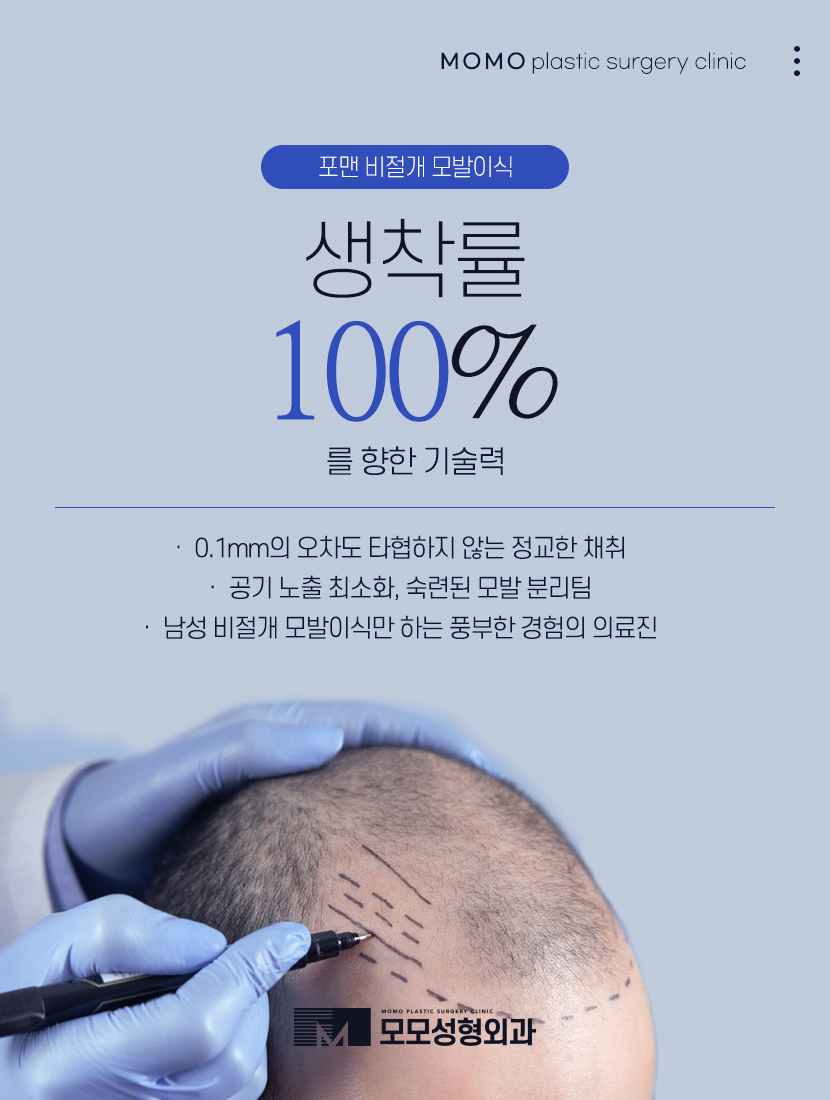
Because the success rate of hair transplantation can be improved only when the time the follicles are exposed to the air is minimized, the separator’s quick movements can be very important. Once the hair follicle sacs harvested from the patient’s occipital scalp are handed over, the first step is to separate large clusters into smaller units, then select only the healthiest and strongest ones. After checking unnecessary tissue attached around them under a microscope, the factors that interfere with growth are removed, and the follicles are secondarily sorted according to shape and quality.
�
If the separation is done by eye alone, about 20 to 30% of healthy parts can be lost, so the classification work is carried out using precision tools. It is not simply a matter of separating them; for a high survival rate of the hair, the process must be performed quickly and accurately, and it is also necessary to help ensure that the surrounding tissue remains attached well so that it can survive after transplantation.
�
The dividing work can be said to be one of the most delicate processes and requires long hours of labor, so a high level of concentration is essential. The Gyeongnam Station hair transplant physician and the follicle separation team must work together and carry it out quickly.
�
If there is a lack of in-house staff or no specialist separator is on site, an outside contractor usually comes in. Not only can the level of skill vary greatly, but if an inexperienced team comes, the time needed to harvest and separate the follicles required for the procedure becomes longer, which extends the procedure time and can have a major impact on the survival rate.
�
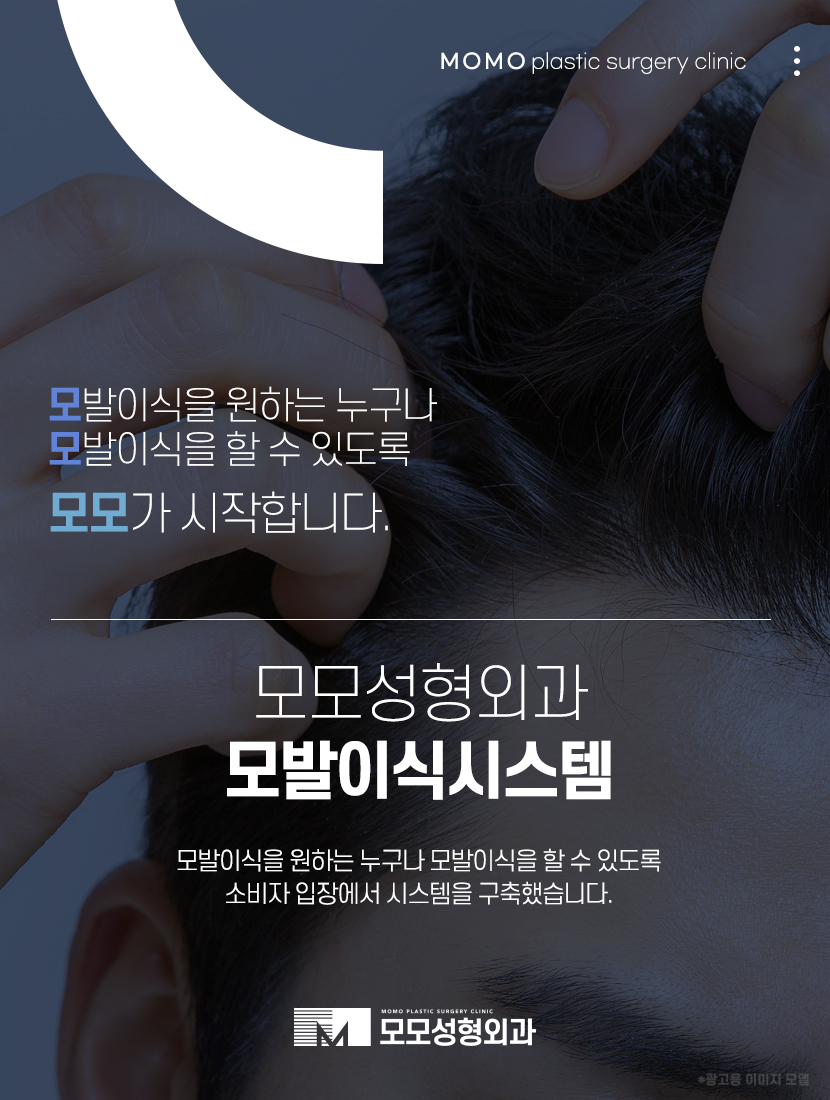
In some related institutions that treat many patients, teams are directly employed in-house, but there are said to be fewer than 10 places nationwide with these conditions, and in general they may also work as individuals or team freelancers. Ultimately, the survival rate of the transplanted natural hair is judged by whether the procedure is successful, and it is not an exaggeration to say so. So if the Gyeongnam Station hair transplant clinic has both the surgeon and an exclusive follicle separation team on staff, I think you can expect good results.
�
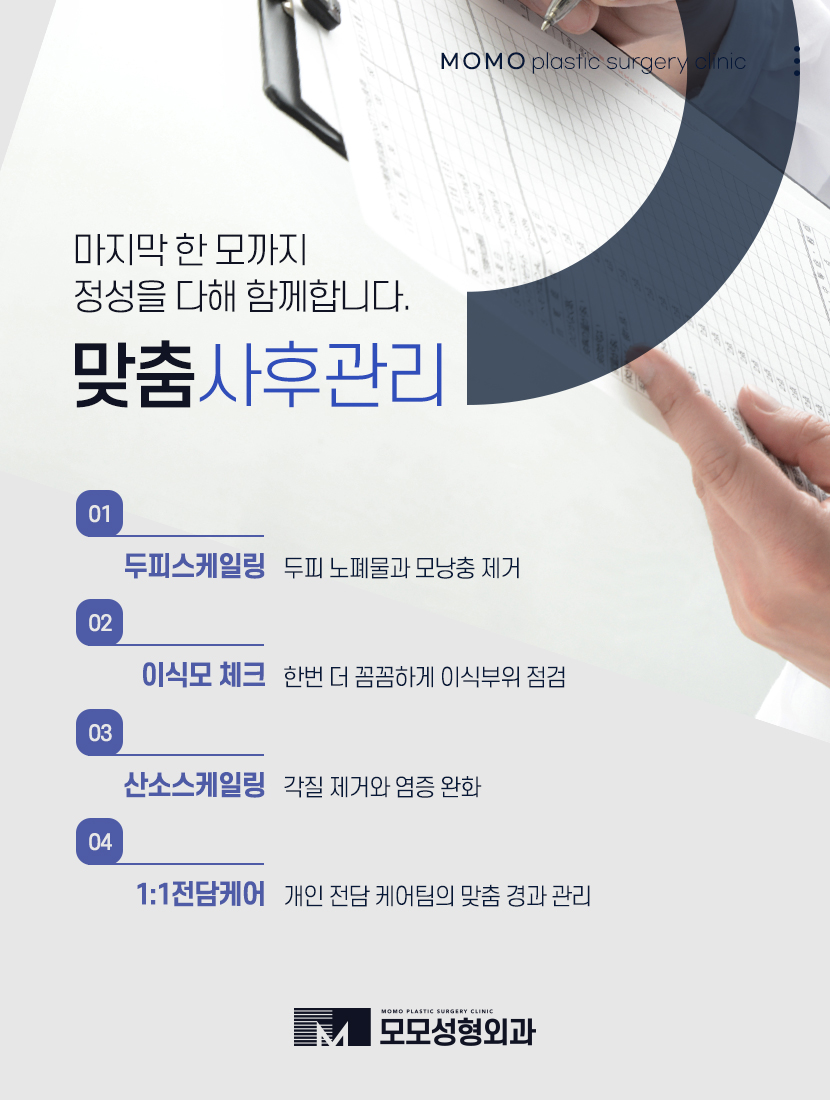
However, no matter how skilled the medical staff may be, aftercare is very important. Therefore, it is advisable to thoroughly understand and follow the instructions provided by the relevant clinic, and during the survival period, be careful to avoid actions that stimulate the transplanted area, such as scratching or touching the affected area directly, so that it can adapt properly.
�

For those hoping to undergo a Gyeongnam Station hair transplant, most are likely people who are greatly troubled by their symptoms. Therefore, if you understand and approach this process with this in mind, the later prognosis may also come closer to a successful outcome. Please keep this in mind and hope to meet the results you want.
�


�