A full, glossy hairstyle
can make your overall appearance look
more luxurious and stylish. In that sense,
the current condition of your hair can be
a very important part of your image. Through
a variety of styling methods, people can
show off their individuality and make their
appearance look even more aesthetically
appealing.
In that way, it is also an important factor
that influences atmosphere and beauty.
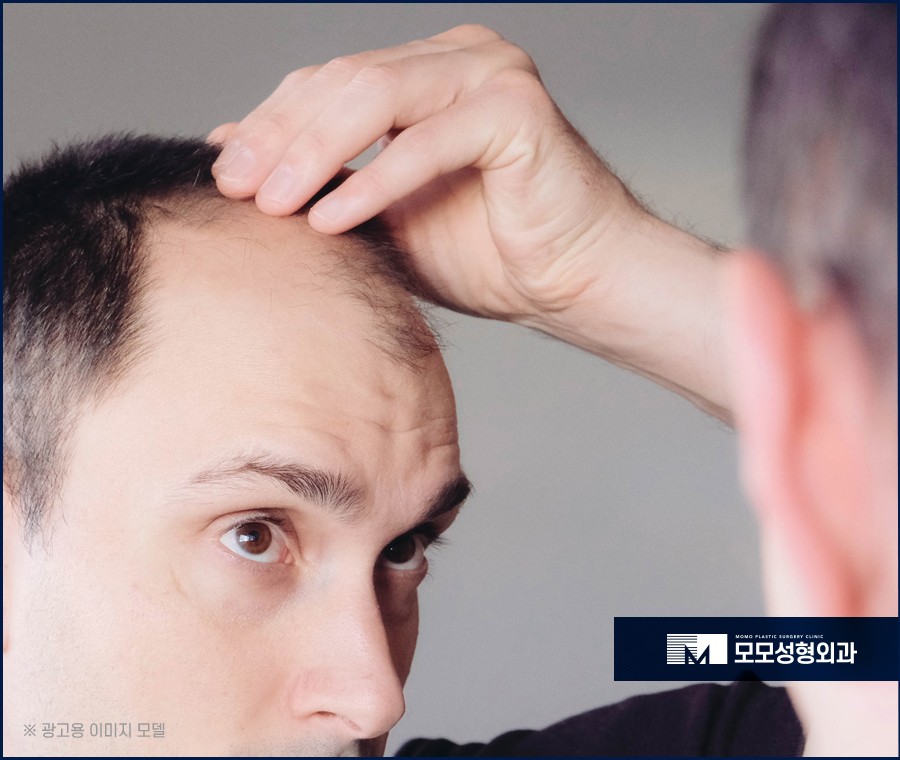
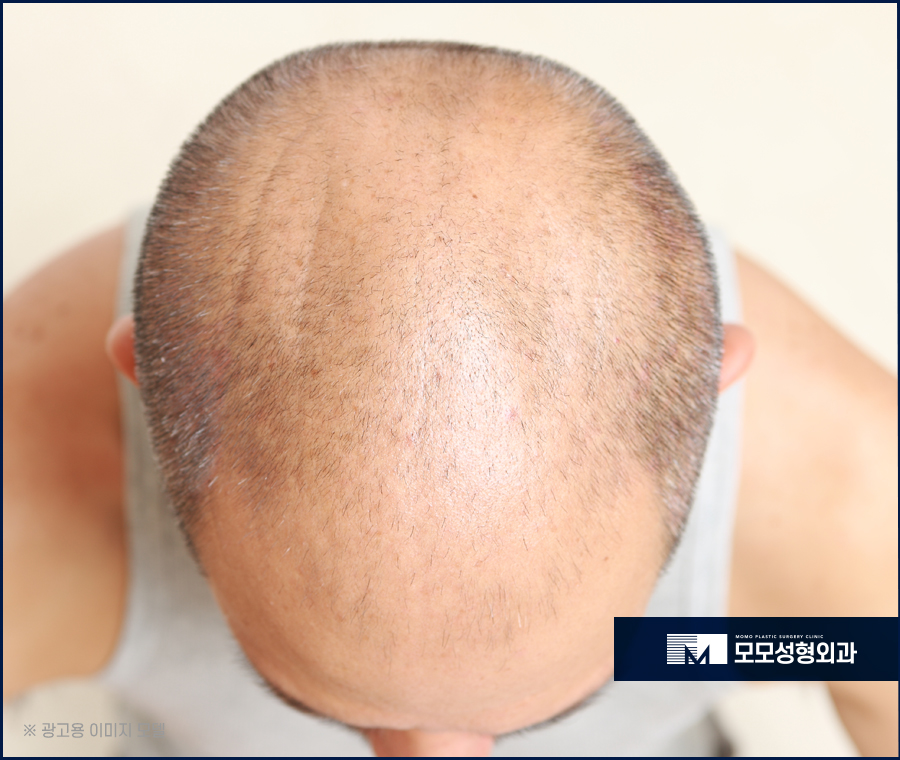
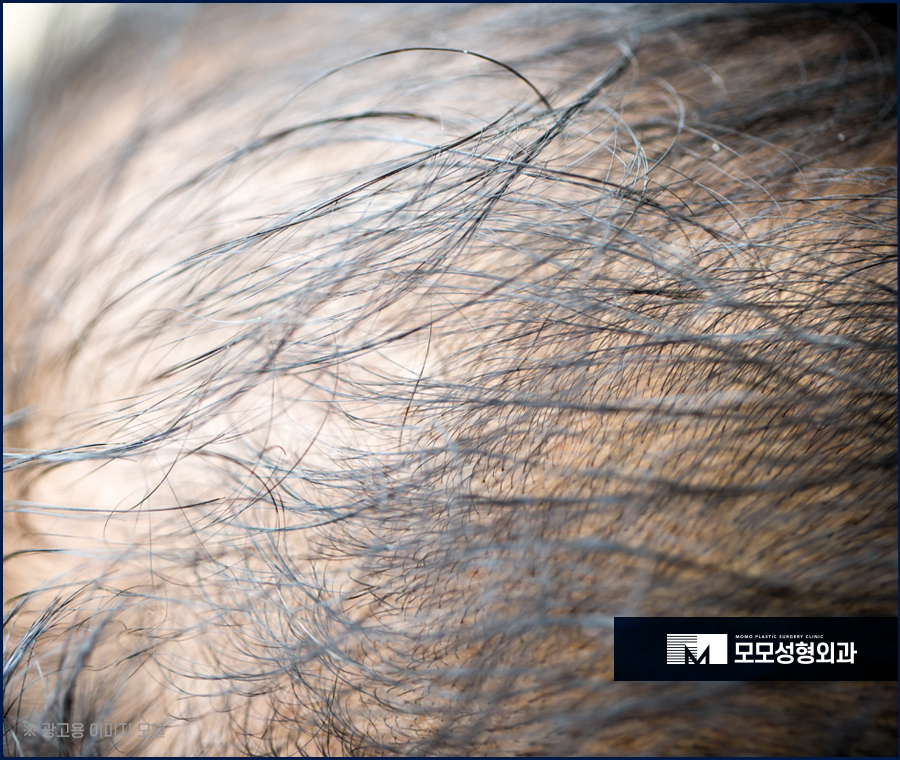
If hair loss occurs for various reasons and
the amount gradually increases, causing the
scalp to appear thin and sparse, making it
impossible to create the hairstyle you want,
the stress caused by this can be greater than
you might expect.
To solve the problem, people look for
various options, but among them, the method
that is regarded as offering the most
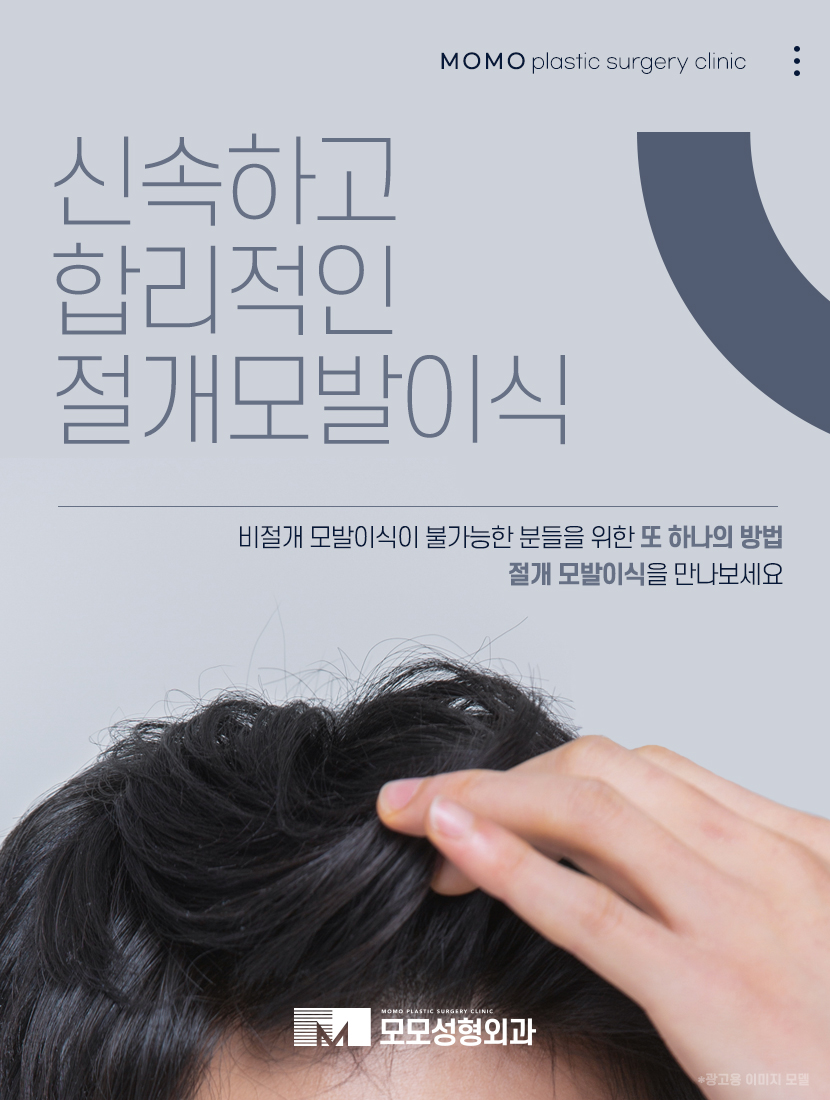
permanent effect is transplantation of
natural hair, and interest in this procedure
continues to grow.
Because the overall balance is adjusted to
match each person’s situation, positive
changes can be expected. For that reason,
it can be said to be the most popular
procedure among people experiencing hair
loss and progressive thinning. However,
some people may hesitate to choose it due
to the hair transplant recovery period that
follows.

There is a strong perception that pain,
scarring, and the hair transplant recovery
period will take quite some time. In fact,
depending on differences in the surgical
method and each individual’s requirements,
the level of pain and the hair transplant
recovery period can vary. Also, because the
procedure is generally performed after
administering local anesthesia, there is
typically no pain felt during the treatment.
However, if you choose the excision method,
where the scalp at the back of the head is
incised, the follicles are harvested, and the
area is closed with sutures, you may feel a
tightness in the scalp for about a week. For
that reason, some people prefer the opposite
method in order to return smoothly to work
and daily life.
However, due to advances in technology, the
pain associated with excision methods is
less than before. If you take the pain
relievers prescribed by the clinic after the
procedure, the discomfort usually subsides
quickly, so many people do not feel much
strain at all.
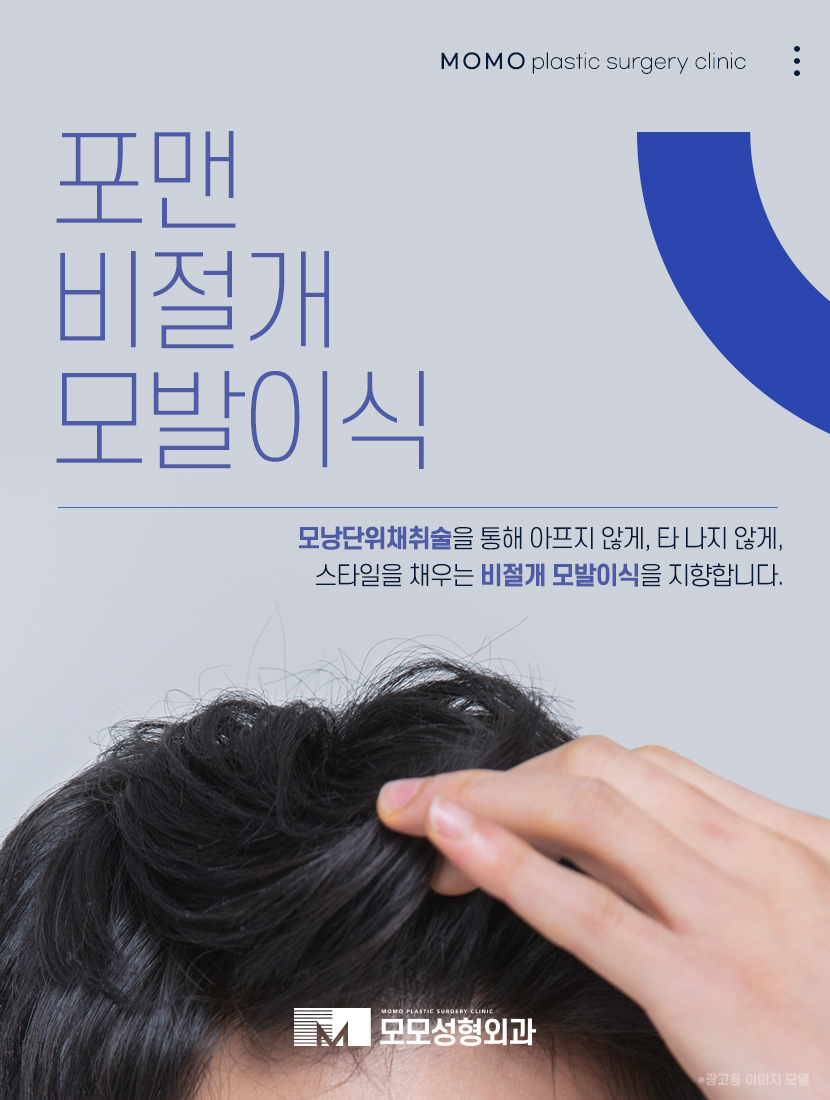
Nevertheless, the reason the non-excision
method is in the spotlight is likely because
it allows you to return immediately without
needing a separate hair transplant recovery
period. For people who do not have much time
to spare, the ability to recover quickly is a
major advantage, so they may actively
consider it.
Because both methods place less physical
burden on the body than before, many people
undergo them with peace of mind. However,
for those who receive the excision procedure,
if a large amount of hair is harvested due to
a wide area of hair loss, the wound area will
also be larger. Depending on the individual,
the degree of pain may differ, so it is
recommended to be careful from the day of
treatment through the next few days.
On the day of the procedure, because of the
anesthetic, you may feel slightly dazed or
dizzy, so it is recommended that you avoid
driving or activities that require focus.
However, in many cases, daily life is not
affected at all after about 1 to 2 days.
Still, this is not uniform, so it cannot be
applied to everyone.
For about two weeks after the procedure,
this is the period in which the transplanted
natural hair fully takes root. So rather than
focusing on the hair transplant recovery
period due to pain, whether proper care is
provided during this time is the most
important point. In fact, during this period
when intensive care is required, there are
not a few cases where complications occur
because proper care was not provided. 대표적으로
folliculitis and other inflammation of the
wound area can occur, or follicles can fall
out due to excessive stimulation and fail to
regrow, lowering the graft survival rate.
For about one year, you may experience a
"dormant phase" due to the growth cycle in
which natural hair falls out and then grows
again. Generally, between 2 weeks and one
month after surgery, one or two hairs may
fall out at a time, and after about 3 to 4
months, there comes a point when there is
no more hair left to fall out, and the density
reaches its lowest point.
Although there can be individual differences,
this is a natural phenomenon experienced by
most people who undergo surgery. It takes
about 3 months for the hair that has fallen
out during the resting phase to grow back,
and because hair typically grows about 0.8 cm
per month, after about 12 months healthy hair
will grow again and fill in the area, allowing
you to finally confirm the complete result.
The reason hair enters a dormant phase is that
the transplanted follicles take a temporary
rest so the cells themselves can adapt to the
new environment and the relocated site.

Depending on the condition of the scalp and
individual differences, some people have many
resting follicles while others have fewer. The
amount of hair that falls out during this
period does not affect the outcome; it is one
of the natural growth phenomena. Rather than
thinking it has failed, if you provide careful
management, you can expect more satisfying
treatment results. Since every procedure has
its pros and cons, we recommend choosing a
procedure performed by a dedicated doctor
with extensive surgical experience in various
cases and a high level of skill.

In addition, if you regularly check progress
during the hair transplant recovery period and
combine it with medication so that hair loss
does not continue after the procedure, you can
feel even more satisfied.
If you are worried because imperfections in
your natural hair have become a concern in
terms of your appearance, which is considered
one of your assets, rather than hesitating and
allowing hair loss to accelerate, we hope you
will visit a relevant clinic as soon as
possible, receive personalized consultation,
and actively look for ways to improve the
situation.