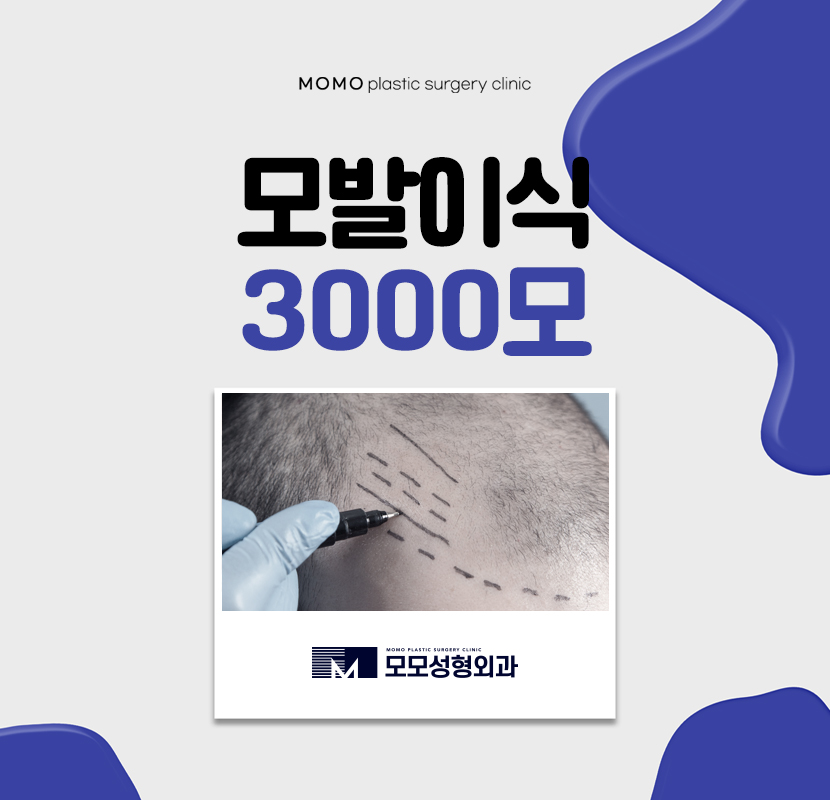
I think many of you have heard the news for some time now that the number of people in our country experiencing hair loss may be close to 10 million.
The number of patients who received treatment for this condition has also continued to increase, reaching more than 240,000 as of 2021. If you include people who have not yet visited a clinic or hospital, it can be said that even more people are suffering from this condition, and the trend is still rising. The causes of natural hair loss are also becoming increasingly varied.
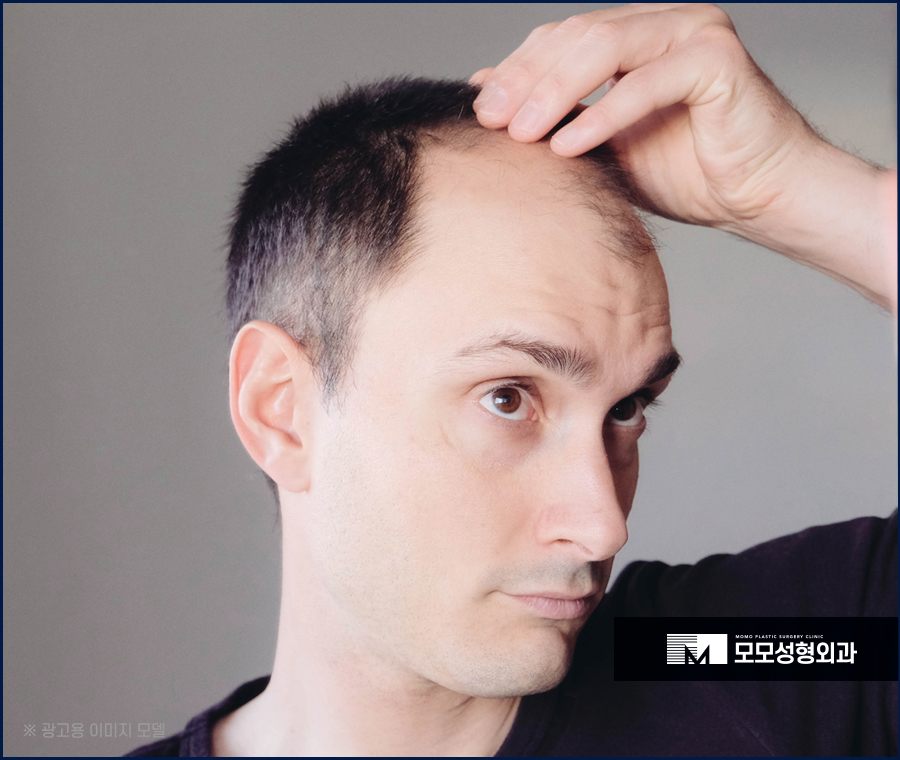
The problem is that although various studies and experiments to address this phenomenon are still being carried out in many places, a complete cure and overcoming the condition remain difficult. If the problem is identified early and appropriate measures are taken, it may be possible to prevent the defect from spreading further or worsening elsewhere. However, if the scalp is already exposed to the point that it is obvious at a glance even from the outside, rather than taking medication or receiving other treatments, it may be more appropriate to use one’s own natural hair and transplant it into the affected area to restore the previous appearance.
People whose hair loss has progressed to a certain extent often look for a clinic or hospital that can perform a 3,000-graft hair transplant well.
The number of grafts that can be transplanted varies from person to person, but in cases where the hair loss is visible to the eye, when visiting a related medical institution, it is common for the procedure to be performed at a level of 2,000 to 3,000 grafts.
Because it is not automatically suitable for everyone, rather than transplanting an excessive amount, it is better to visit a related medical institution, receive an accurate examination, and then make a decision.
Many patients know that using their own hair can lead to good results, but it is not a procedure that requires a small amount of money. In addition, since the number of younger patients is gradually increasing, many people who feel burdened look into cases and reviews of 3,000-graft hair transplants, search for relatively cheaper prices, or undergo the procedure at a related institution with good ratings while hoping that side effects will not occur.
The process of transplanting hair can be broadly divided into two types: with incision or without incision.
First, the former is performed by cutting out the scalp to obtain tissue. Specifically, the method involves cutting out as much skin as needed from the permanent area of the back of the head and transplanting the healthy tissue. There are several cases in which this method is necessary.
First, it is chosen after a thorough examination by the doctor when a stable large-volume procedure is required, when the amount of hair in the back of the head is smaller than expected, or when the condition is spreading faster than anticipated.
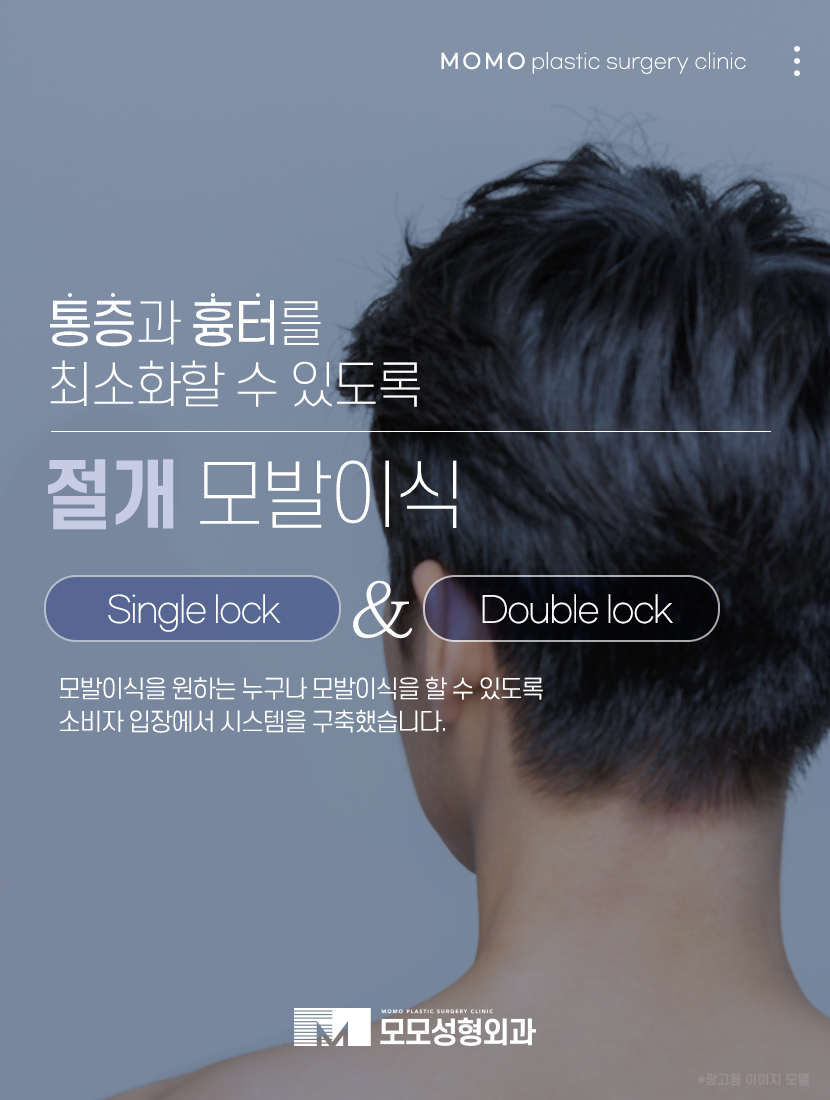
When performing a 3,000-graft hair transplant, incision is involved, so pain and scarring are unavoidable. However, support is provided to minimize this by using single-lock and double-lock suturing methods. First, single-lock stitches the subcutaneous tissue as well to prevent the scar from becoming larger and to prevent pain such as pulling sensations. It also connects the area right in front so that the hair follicles present in the incision area are not damaged, allowing natural hair to grow even in the wounded area.

The double-lock technique can be described as a method that stitches the incision line so that the cell area can be preserved on that surface, allowing hair to grow even in the scarred area and making the scar less visible to the naked eye.
The advantages of this treatment are the relatively short surgery time and lower cost, and the fact that it can be performed without shaving the head. In addition, because tissue damage can be minimized and a stable graft survival rate can be expected, many patients consider this option when undergoing a 3,000-graft hair transplant, even though pain and scarring may be present.

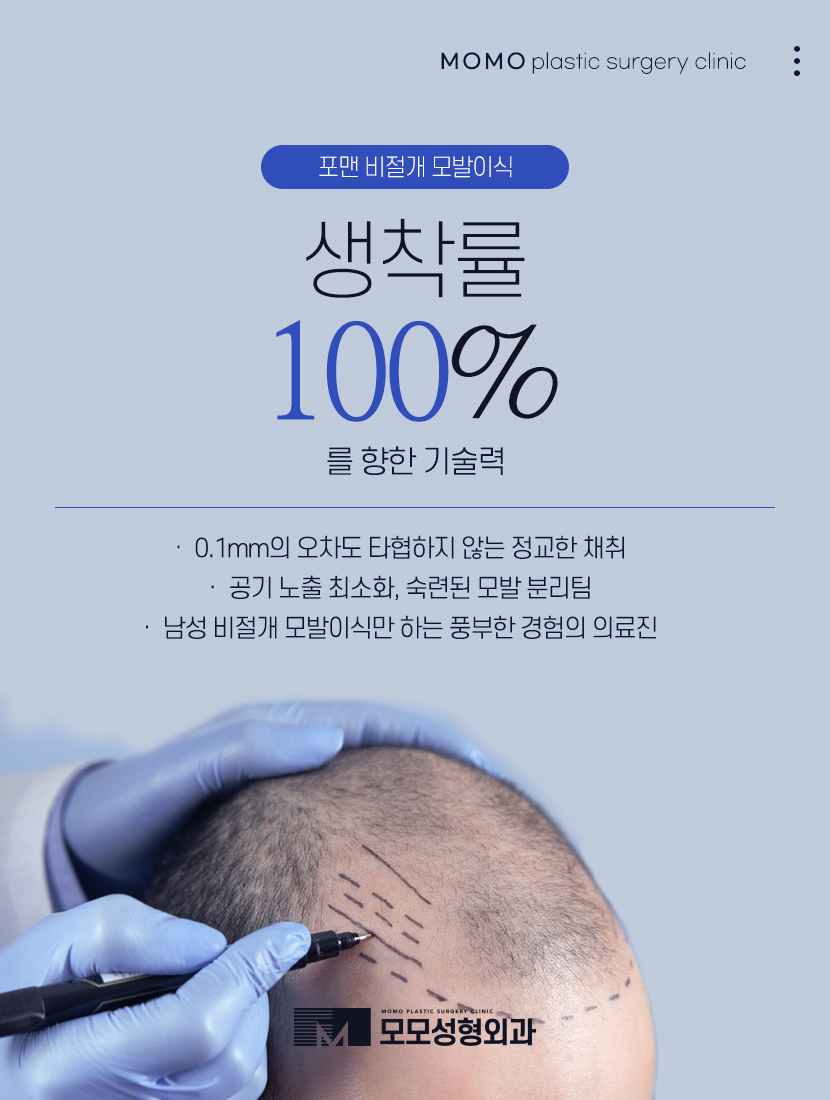
Because the non-incision method is performed by harvesting follicular units one by one, it may take more time. Since the results of the procedure ultimately depend on the doctor’s skill, rather than looking only at the cost due to financial burden, it may be important to receive a 3,000-graft hair transplant from the surgeon with extensive experience and know-how through many clinical cases and high skill.
It is also a good idea to check the condition and disease progression of each individual’s scalp through an accurate diagnosis and, when the procedure is carried out in a customized manner, confirm whether good outcomes can be expected based on a personal line design that takes into account the face shape, the proportion of the forehead, and even the shape of the sideburns.

Some people may worry that they will have to shave their heads, but by naturally covering the area where harvesting is performed through cutting, the procedure can be made less noticeable in daily life. It is usually divided into four types. There is the method of performing it after shaving the area in a two-block cut or in a line shape at 1 cm intervals, and there is also a way to obtain tissue with a micro cut, in which one line is taped every 1 to 2 mm and then cut with scissors. This can be a method that hides the area stably without drawing attention from others.

Even if a 3,000-graft hair transplant is completed stably, consistent aftercare is more important than anything else. Through this kind of care, it can determine whether you will need another procedure or be able to obtain a full head of hair. That is why we recommend regularly visiting a clinic or hospital to receive care such as scalp scaling to help prevent waste, mites, dead skin, and inflammation.
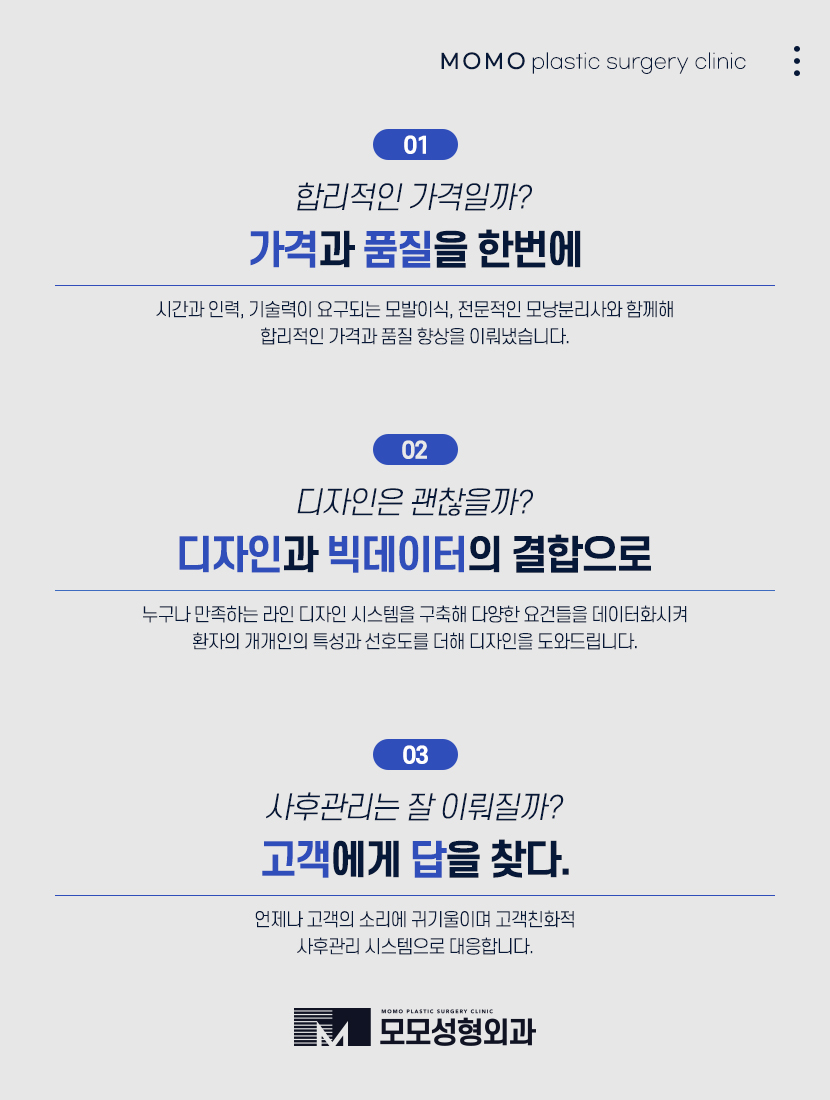
If the cost feels burdensome, rather than looking only at the price, please note that you should review the points explained above and carefully choose a clinic or hospital if you want to expect good outcomes.