Recently, many people have been experiencing hair loss symptoms that reduce their confidence in their appearance or leave them with ongoing concerns. As time goes by, the age range in which this condition appears has been expanding beyond middle-aged and older adults to include younger people as well, and the trend is gradually getting younger, so concerns about various improvement methods have become more diverse.
This condition can occur in a variety of forms, and the degree can differ from person to person. In particular, it appears at a high rate around the forehead and the crown.
Hair loss around the hairline is especially noticeable, so it can be clearly visible to the person affected. This can then affect psychological well-being and may lead to discomfort in daily life.
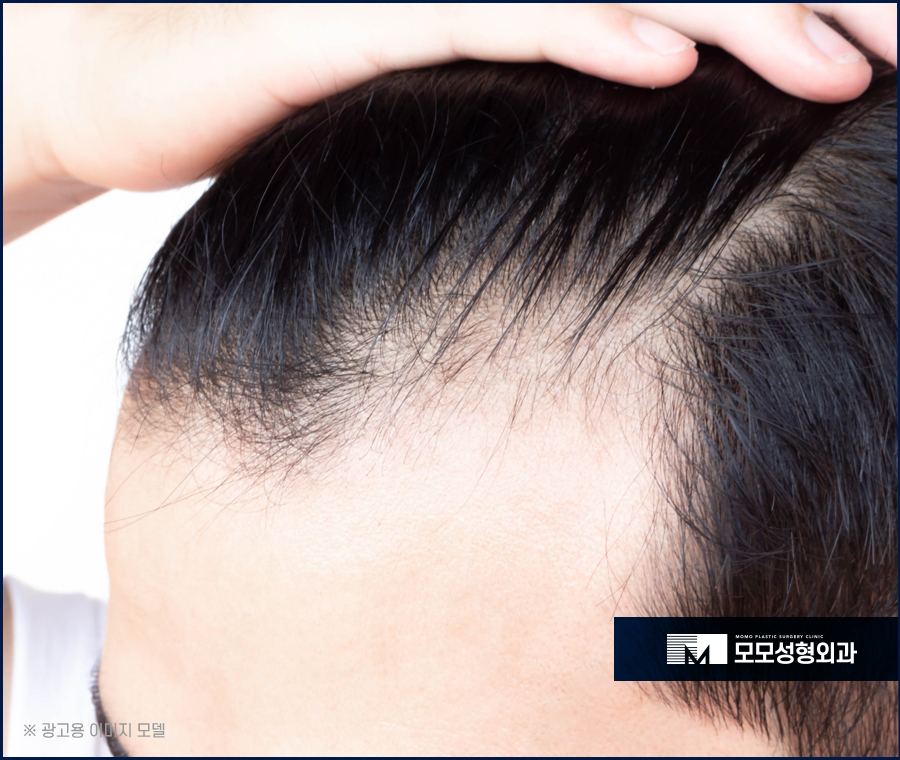
Hairstyles can significantly change the overall image of the face even with small changes, so this is a sensitive issue. For that reason, if you begin to experience this condition, it may be advisable to look for a solution as soon as possible.
However, because symptoms usually do not come with pain or bleeding, and there are no obvious signs that can be accurately noticed when they first begin, most people do not realize it early on and leave it untreated.
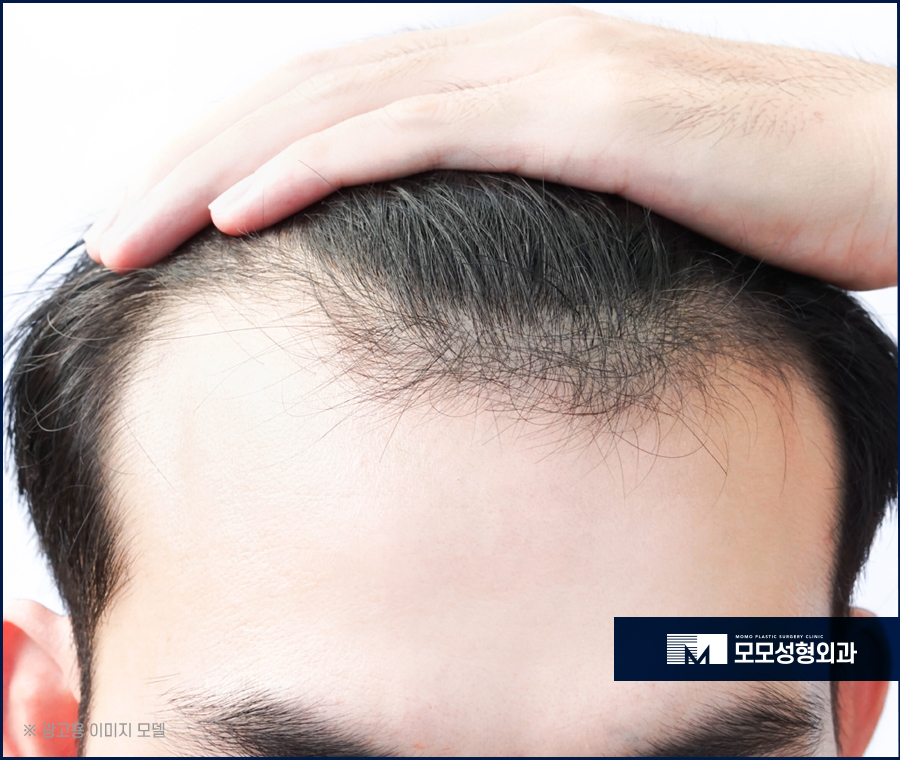
If treated quickly, it can lead to a less serious situation. But because people often miss it and only respond later, many have come to seek M-shaped hair loss treatment for similar issues.
There are many ways to try to restore it, but many are not scientifically clear. In the typical case for men, it begins to fall out due to hormones. The hair in the front gradually becomes thinner, loses strength as its thickness decreases, and the hairline is pushed back and widens.
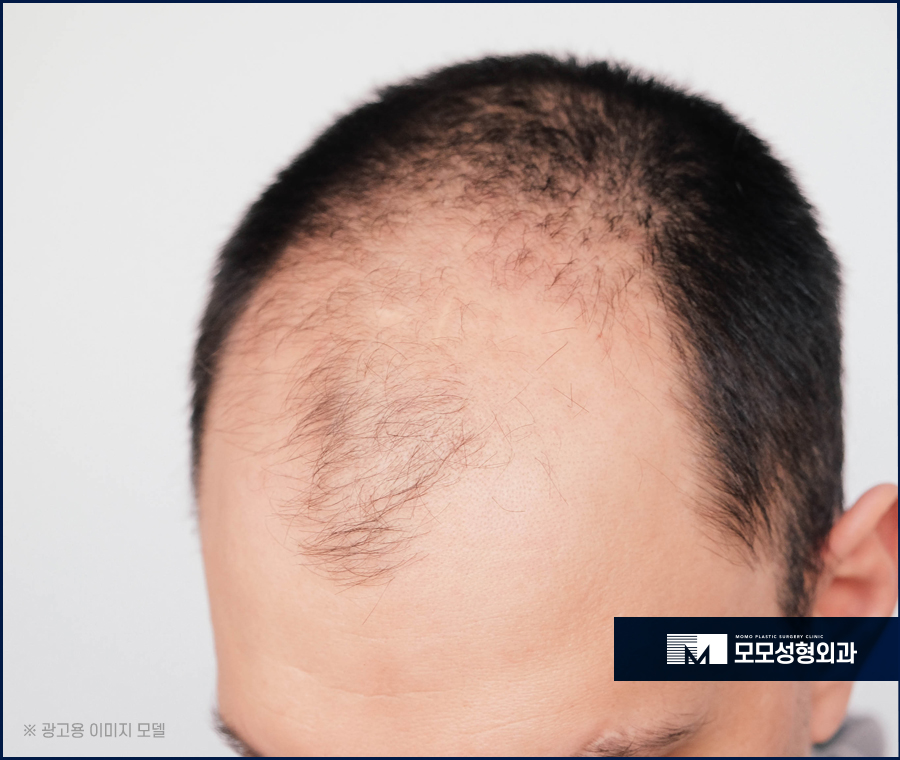
Unlike women, whose hair loss may develop due to acquired factors such as excessive dieting, stress, or irregular eating habits, men are more strongly affected by genetic factors. In many cases, this is difficult to improve with shampoos sold on the market or widely known folk remedies.
When hereditary natural hair loss occurs under the influence of hormones, there is also a method of taking medication. This helps prevent hair follicles from being damaged as hair falls out. However, even if medicine is taken, hair that has already fallen out will not grow back. So it is only a preventive method to stop further damage to the follicles, and it cannot regenerate areas that have already been damaged.
In particular, if the condition is left untreated in the early stages and the forehead line has already widened, hair transplant methods may be used. As mentioned earlier, symptoms are increasingly appearing in younger men, so the aesthetic stress can be especially significant.
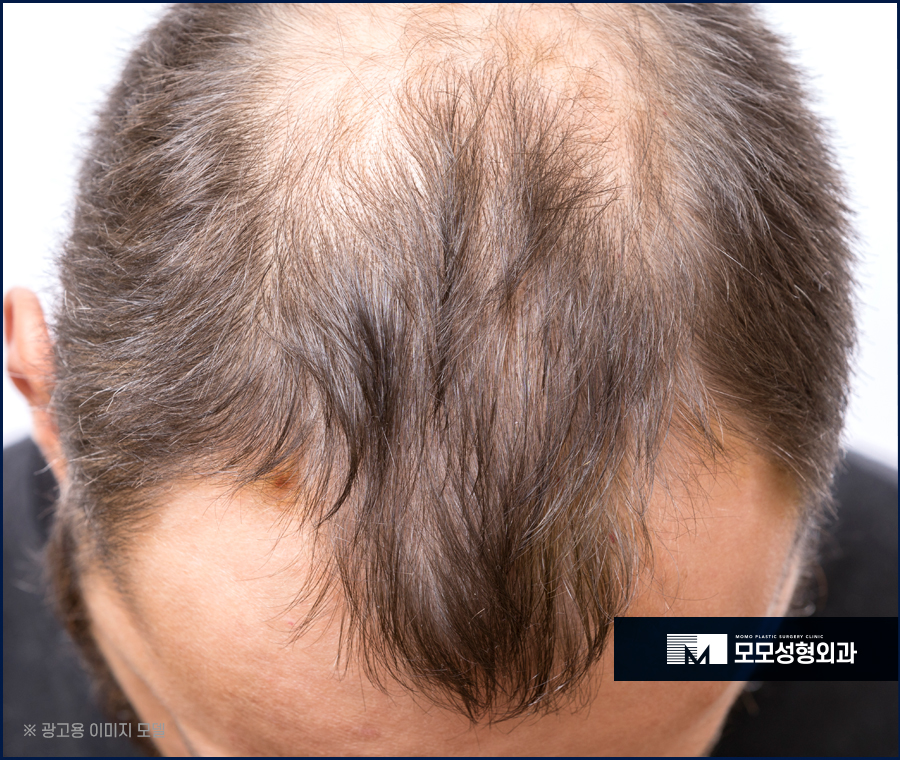
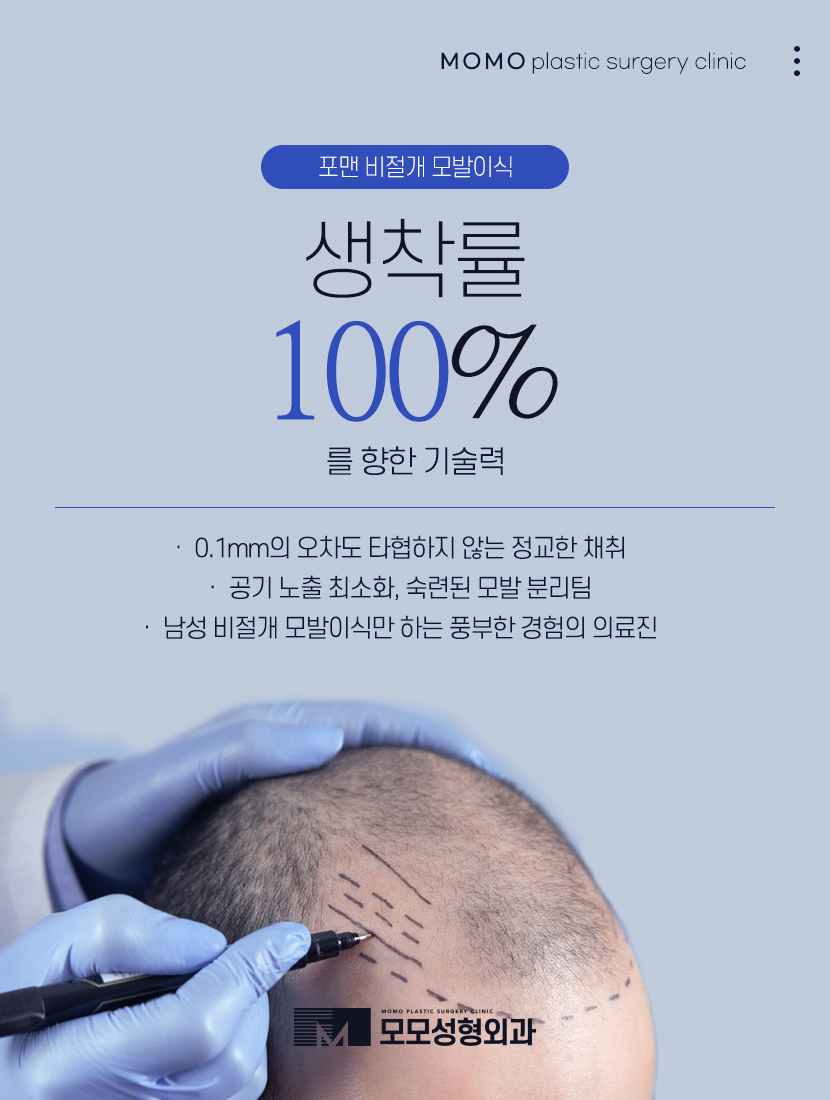
For that reason, people consider transplantation as an effective M-shaped hair loss treatment method in a short amount of time. This procedure collects one’s own hair from the occipital area, where hair loss is relatively less likely, and transplants it into the empty areas. Regardless of age, it is possible as long as there is natural hair in the back of the head.
There are two methods for harvesting natural hair: the excision method and the non-excision method. This can vary depending on the condition of the individual’s scalp and hair, and both methods have clear pros and cons. Rather than choosing with only one method in mind, it is recommended to have a personalized consultation with a dedicated doctor who has extensive surgical experience and know-how, then establish a plan after considering your overall condition and choose the M-shaped hair loss treatment procedure that is right for you.
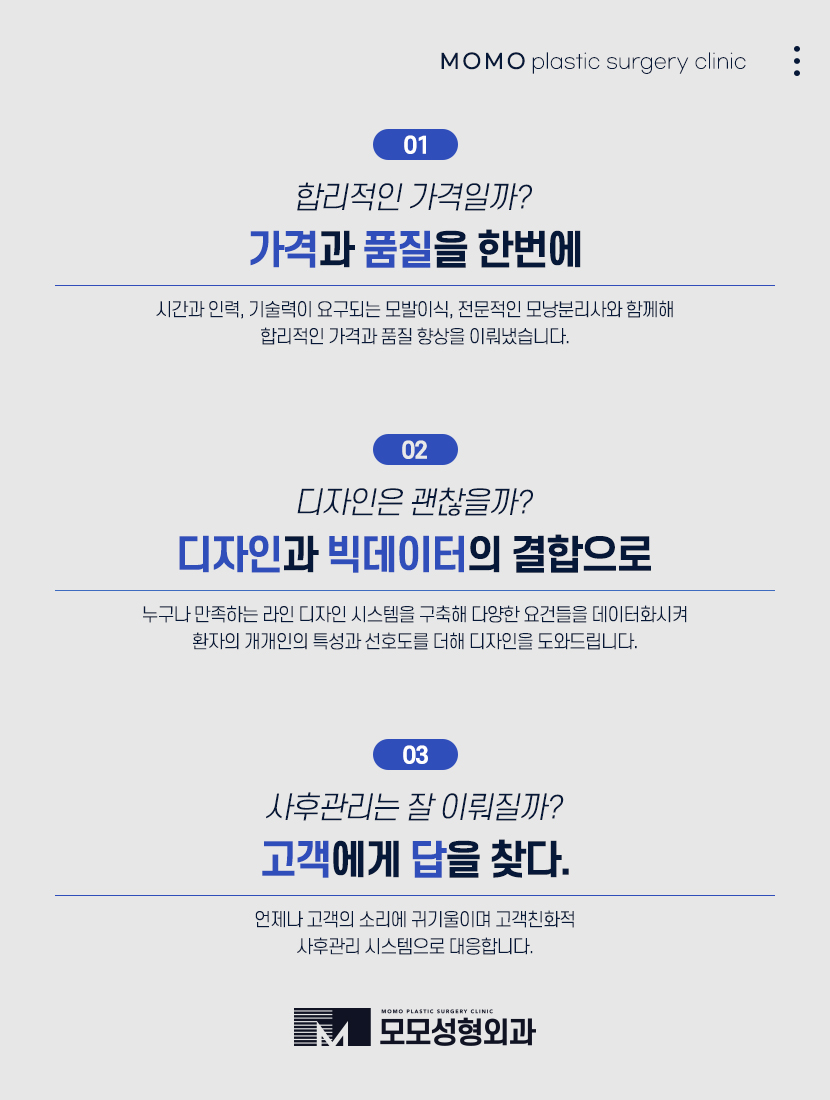
Because the results can vary greatly depending on this process, it may be better to choose a related clinic that has a system allowing you to work with a dedicated doctor one-on-one from the consultation stage through post-procedure care. In the non-excision method for M-shaped hair loss treatment, a large amount can be harvested at once, but because excision is performed during surgery, scarring may occur during the suturing process, and the recovery period may be slower than expected.

In particular, people undergoing the procedure for the first time may find it difficult to approach. On the other hand, the non-excision method of M-shaped hair loss treatment places less burden on excision compared with the procedure described above, and the recovery period is relatively shorter. However, because it is not a method of transplanting a large amount at once but rather a process of carefully implanting each follicle one by one, the procedure takes longer and is therefore more technically demanding.
This is also connected to cost. Compared with the excision method, the fee may be relatively higher. Considering these various factors and having 충분한 상담 with a dedicated doctor about hair transplantation for M-shaped hair loss treatment, it is important to choose the process that fits your own needs. In addition, what matters most is post-procedure care afterward.
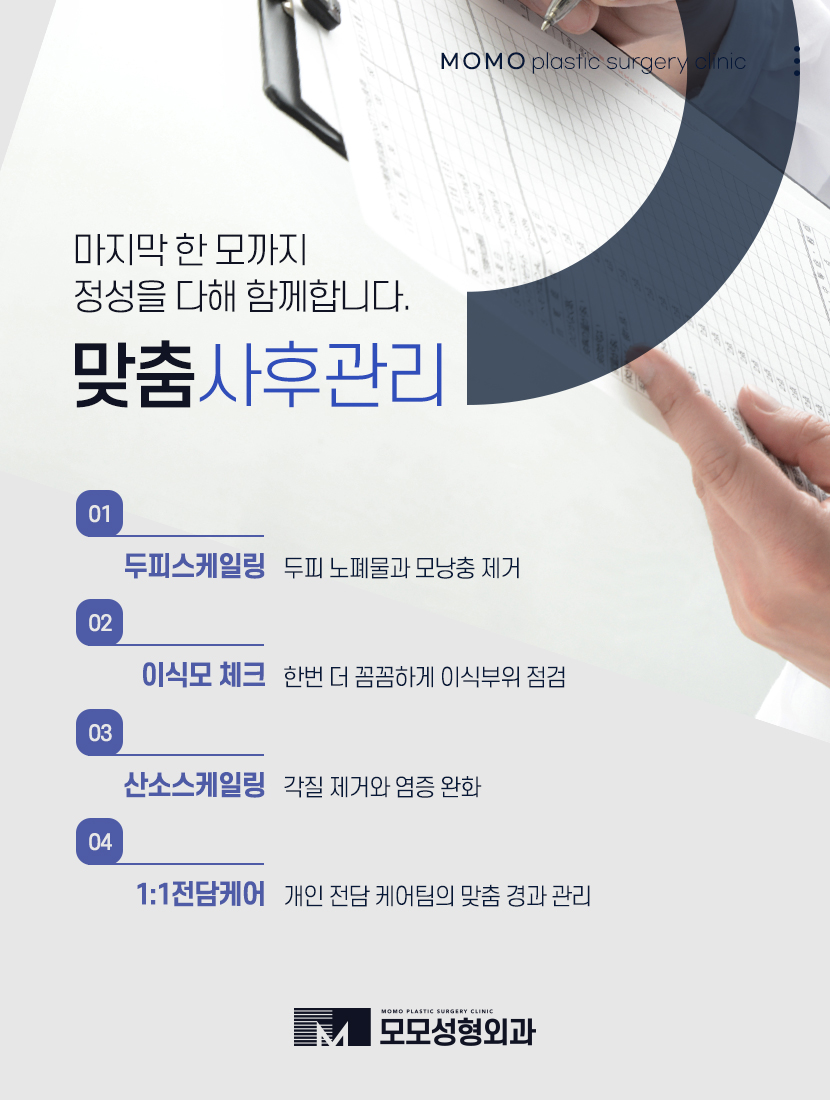
Afterward, the most important factor is how well the transplanted follicles become firmly attached to the hair. Because the survival rate is a crucial process that determines a full recovery, you should keep in mind that the results can vary greatly depending on the level of care and attention during the one-year period after the procedure.
Therefore, you should focus on maintaining scalp health, and if you regularly visit the related clinic to check your condition, I believe you can get closer to a satisfying result. There are many M-shaped hair loss treatment methods for overcoming hair loss. Among them, what you should focus on is not missing the golden time and treating it as early as possible.
Therefore, if you suspect a significant loss of natural hair, it would be best not to hesitate, receive a medical evaluation at a related clinic, and take appropriate action.