Even if you wash your hair regularly, if redness or dandruff on the skin actually increases, we recommend checking whether any of the seborrheic dermatitis symptoms apply to you. This condition can be described as a disease that occurs in areas of the scalp where sebum secretion is high, causing problems in the head area due to increased activity of the sebaceous glands. Many people think it is caused by using products for washing or neglecting skin care, but it can also occur due to heredity and environmental factors.
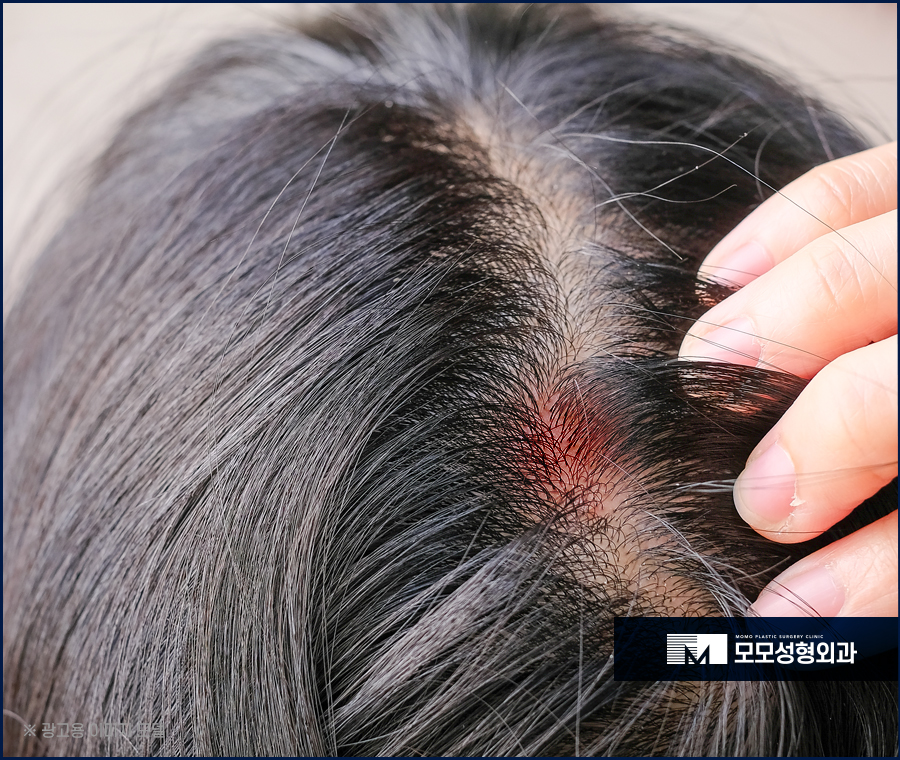
If this issue is left untreated, the growth period of natural hair is delayed and problems can spread to the internal tissues as well, eventually developing into hair loss. That is why it is important to know and practice ways to prevent the condition from worsening, along with treatment. So, let’s look at what seborrheic dermatitis symptoms are.
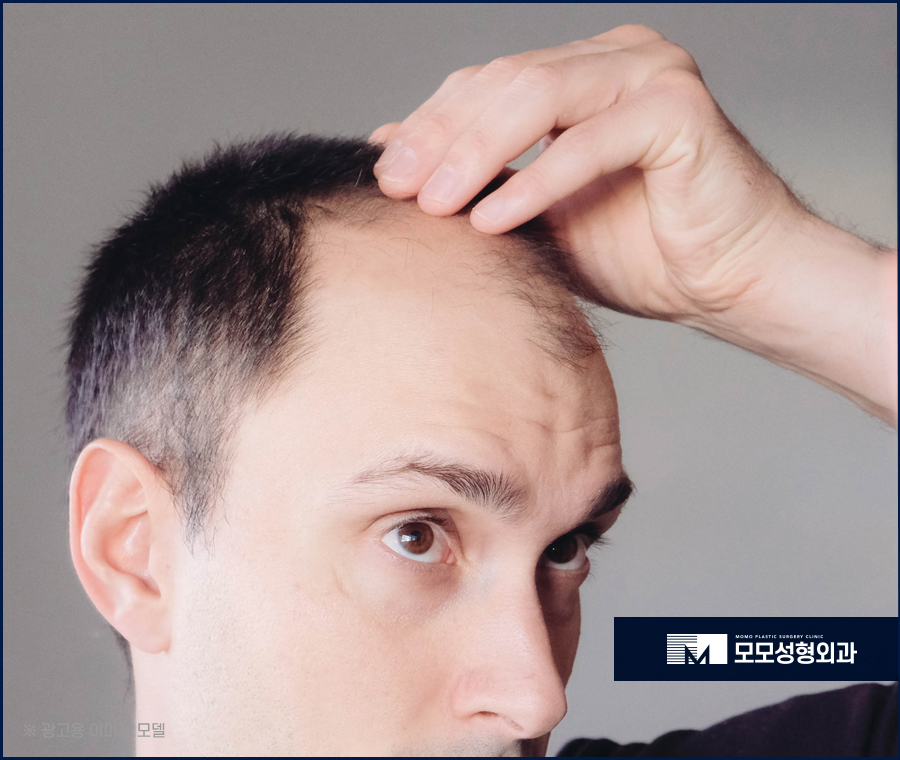
It can be described as a chronic inflammatory disease in which redness or scales appear in areas where a lot of sebum is produced. It can occur within 3 months after birth, or it is more likely to occur in adult men from middle age to old age.
Although the exact cause of the disease has not yet been clearly identified, it is known that symptoms worsen in dry seasonal weather or when stress is high. It is also suspected to occur when excessive secretions are produced, or when fungal organisms around the hair follicles in the epidermis and the body's immune function decline. In addition, when stress is high or fatigue accumulates, related hormones increase, sebum also increases, and reduced immunity can lead to problems caused by bacteria.
It can also appear when the skin lacks moisture. In general, the body produces a certain amount of sebum to protect itself from the outside and allow air to be absorbed, but if moisture decreases, the epidermis becomes dry. To make up for what is lacking, secretion increases, creating conditions in which the disease can occur more easily.
There are also conditions that are easy to confuse with seborrheic dermatitis symptoms. Psoriasis, for example, causes scales or redness on thickened epidermis with silvery-white flakes. When these symptoms appear on the scalp, many people often confuse them, but one distinguishing feature is that itching tends to be less severe.
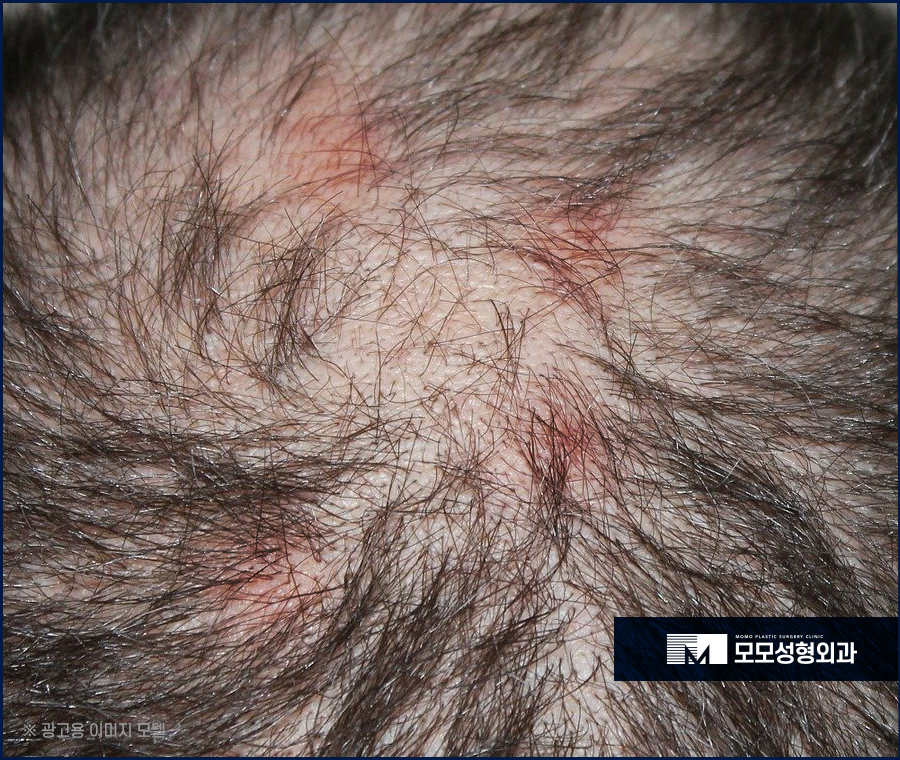
Seborrheic dermatitis symptoms can include mild dandruff, which can be divided into two types: dry and oily. The former refers to the skin becoming dry as sweating decreases, causing the keratinized tissue to dry out and flake off like dandruff. The latter refers to a condition in which excessive substances are produced, causing tissue and surrounding oils to clump together and fall off. If this condition continues, it can lead to disease or hair loss.
In addition, when secretions are insufficient, dryness can lead to a dry-type condition. Types include dry type, keratotic type, and psoriatic type, and symptoms such as rough and sensitive epidermis, scales, or severe itching may occur. On the other hand, if the sebaceous glands are genetically well developed and produce a lot of sebum, it is classified as the oily type. This can be divided into forms such as eczema and oily type, and may cause an oily scalp, yellowish and thick scales, boils, and pus formation.
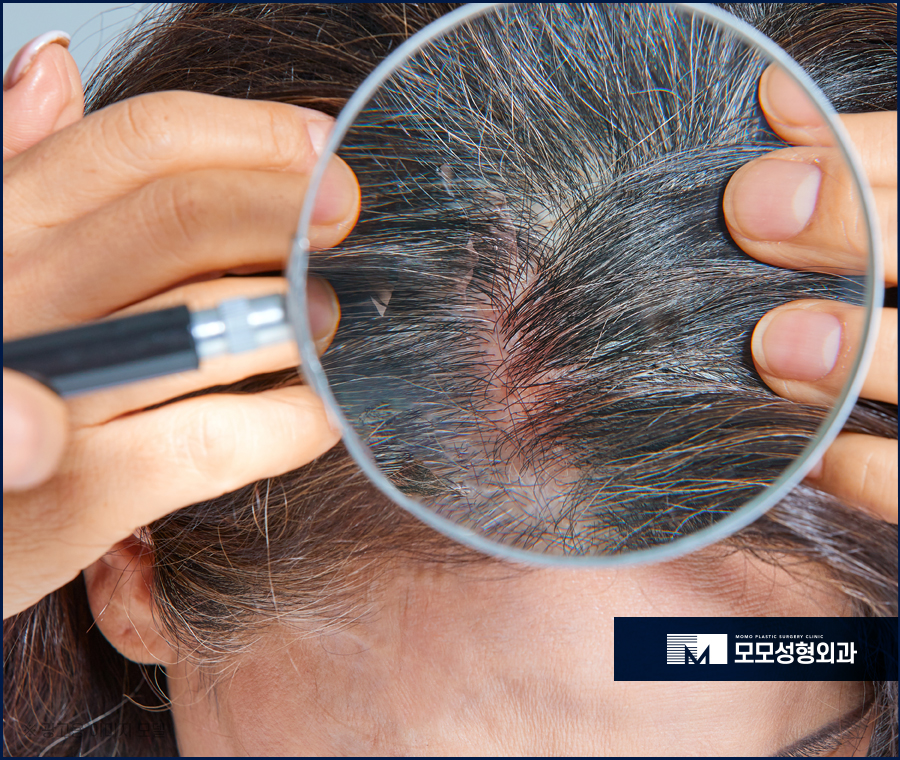
At first, many people think the itching or visible dandruff means they just did not wash their hair properly or neglected care, so they leave it untreated.
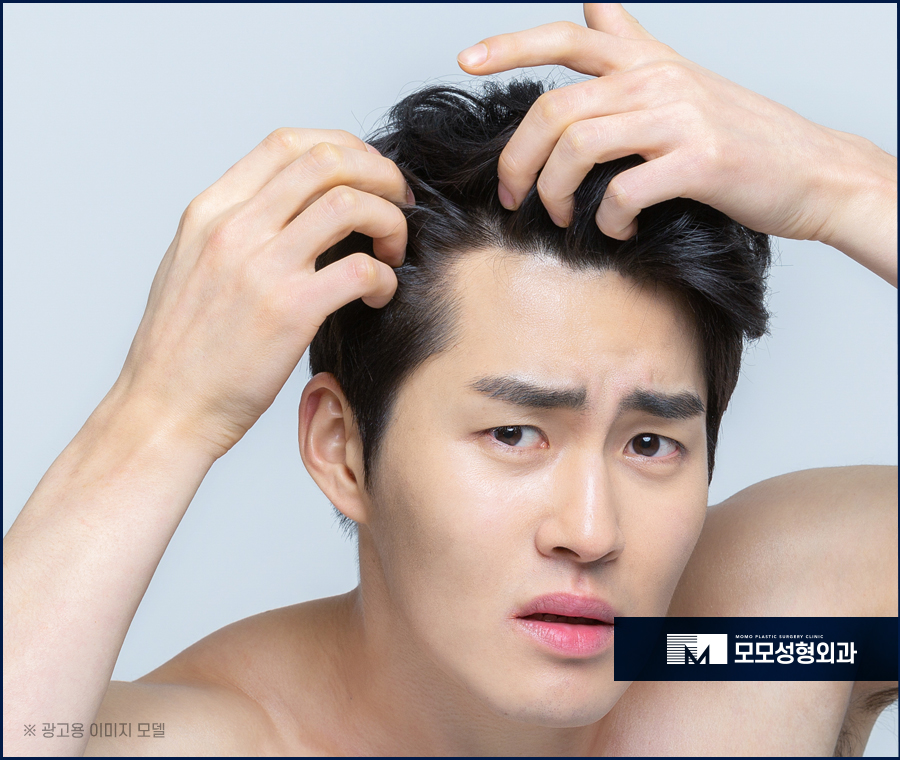
If seborrheic dermatitis symptoms are misjudged and time passes, the condition worsens. Scratching with your hands can damage the surface, causing discharge, which later hardens and blocks the hair follicles of natural hair, leading to hair loss. Another cause is that if abnormalities occur in the epidermis, hair growth slows down, internal tissues also become affected, and eventually natural hair may fall out.
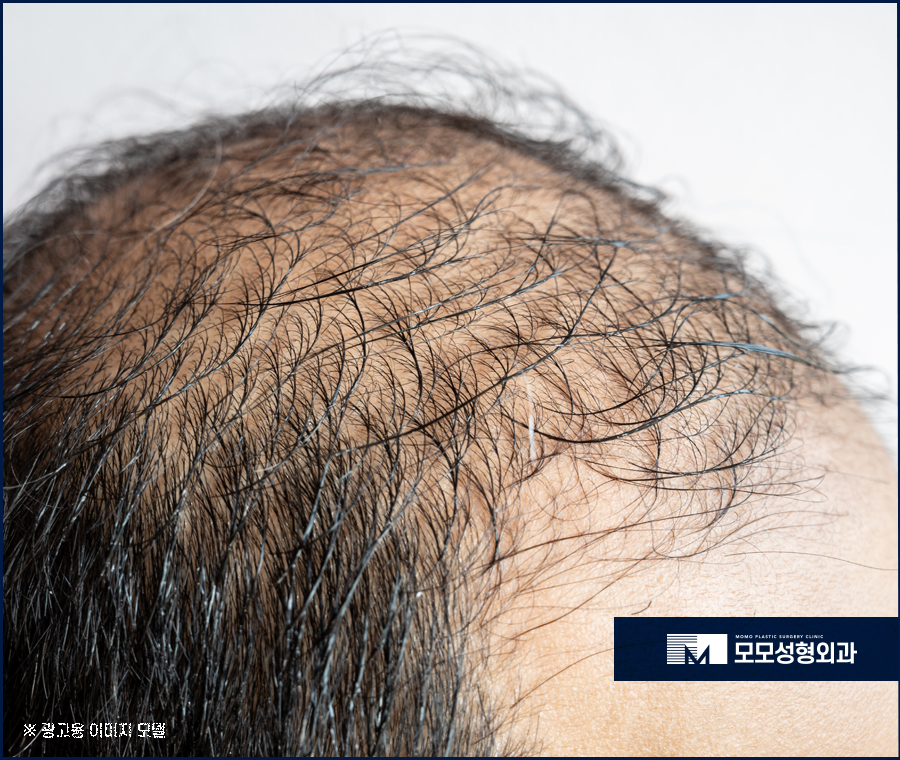
Hair loss caused by this disease does not result from problems in the hair follicles or internal cells, so if habits are improved and consistent care continues, hair may return to its former fullness. However, if it has been left untreated for a long time, the hair may have deteriorated, so for recovery, a visit to a clinic or hospital and appropriate measures may be necessary. In general, treatment is provided to help care through food and normalize the function that controls sebum secretion.

This condition may improve if scales are thoroughly removed and massage is used in combination. It is also important to use a hat or parasol so that the skin is not exposed to ultraviolet rays from sunlight in daily life. If you have sensitive skin, it is recommended to avoid perming or dyeing your hair. After washing your hair, dry it completely all the way through, and do not tie it up while it is still wet.
Earlier, I mentioned care through food. Please avoid oily foods that can encourage excessive sebum production, eat mainly vegetables and grains, and consuming foods that contain vitamins B and C may also help. If seborrheic dermatitis symptoms do not improve and continue to get worse, please visit a clinic or hospital immediately.