
As we gradually get older and aging begins,
one of the most representative symptoms is
hair loss.
In the past, it was often regarded as a condition
seen among middle-aged and older men,
and genetic factors could also be included.
However, these perceptions have recently
become less meaningful, because it is now a
phenomenon that can naturally appear even in
younger men.
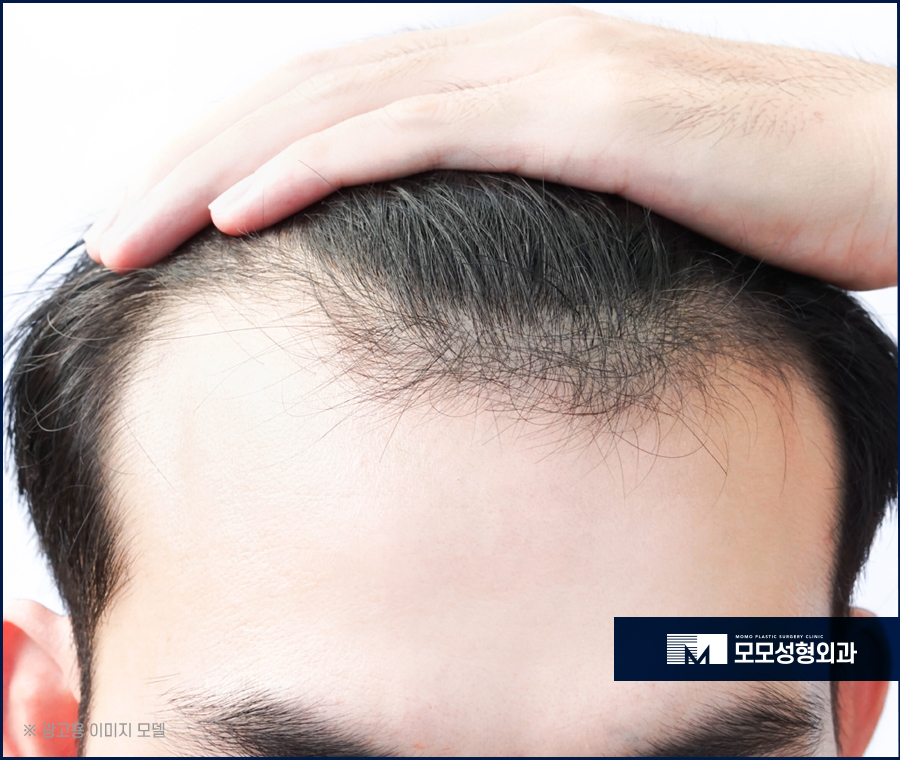
In particular, the symptom of hair loss can make
the forehead suddenly appear wider, or the hairline
near the forehead rises upward and deepens,
and M-shaped hair loss can have a major impact
on appearance. Because it is visibly noticeable,
it inevitably affects people sensitively.
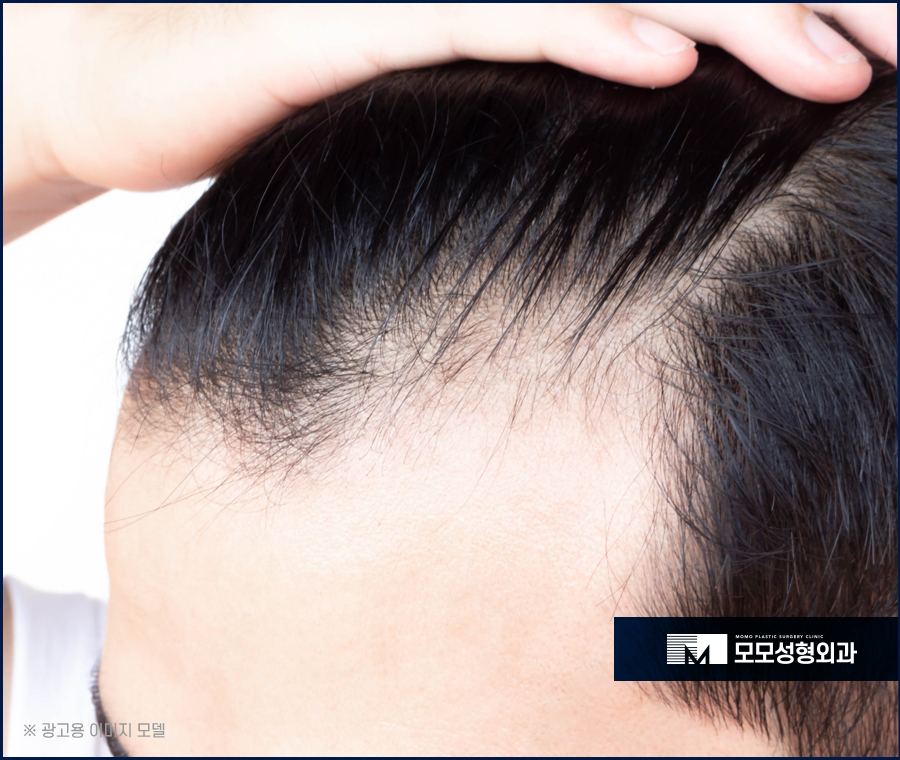
Although the types and patterns are very diverse,
the cause of M-shaped hair loss can be said to be
hormones. Because of this, a lack of hair can make
the desired styling difficult, and for those with more
severe cases, it can even affect daily life.
So people look for ways to hide it, and many try
to cover it temporarily by wearing a hat often or
using products.
However, if this behavior continues, it can actually
worsen the health of the scalp, so it is better to
manage it consistently for a healthy scalp. If the
amount of natural hair falling out has noticeably
increased, it may be helpful to detect and recognize
it quickly in the early stage, visit a relevant medical
institution, explore possible measures, and also look
into male hairline hair transplantation.
In some cases, people start with medication.
However, if the condition has already progressed
a lot or the area of hair loss has become wider,
it is difficult to expect dramatic improvement.
Therefore, even if medication is taken consistently,
it may only slow the progression of symptoms, and
it is difficult to expect natural hair to grow back
fully. For that reason, people turn their attention
to procedures.
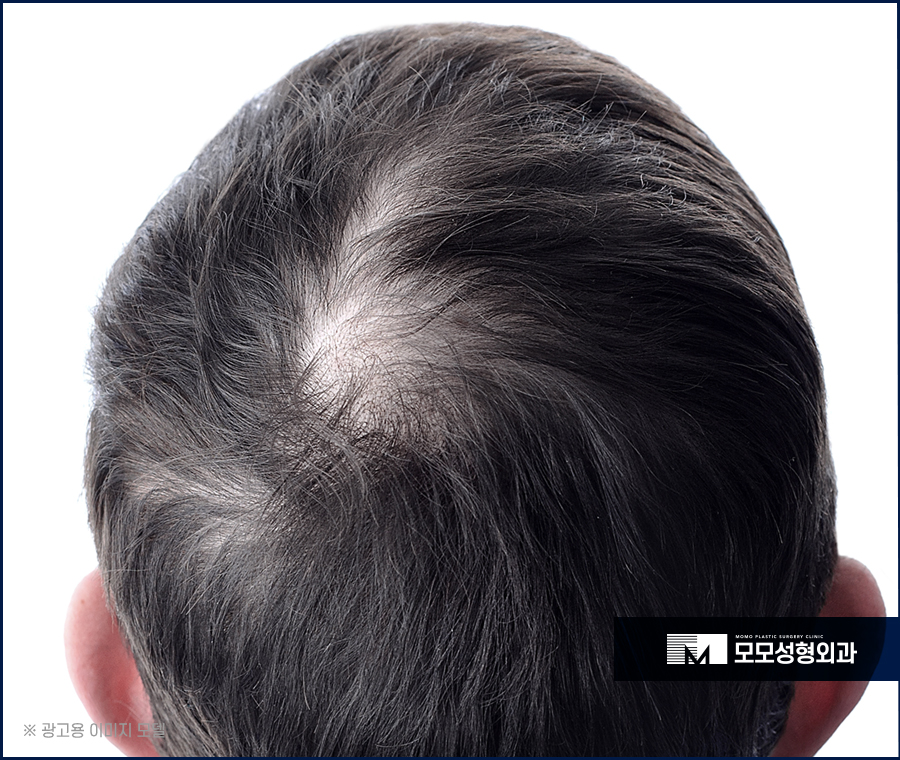
Male hairline hair transplantation is a permanent
method with relatively high satisfaction, allows for
more natural design, and can create a neat result.
It is also considered appropriate for improving and
supplementing symptoms caused by M-shaped hair
loss.
As a result, more and more people have come to
want to overcome their complex through this
method.
In other words, by transplanting one’s own natural
hair around the forehead line, it changes the look
back to the fuller appearance it once had and
increases the amount of hair.
Male hairline hair transplantation can largely be
divided into two techniques: non-incisional and
incisional.
In the past, it was usually performed as an incisional
procedure, but because the method is performed
through an incision, it can handle a large amount,
yet it also has the drawbacks of leaving scars later
and potentially causing pain.
For that reason, many people have recently started
to prefer the non-incisional method.
When follicular units are harvested from the occipital
area, where the influence of hair loss is relatively
small, the methods are categorized accordingly.
Because the scalp is not cut with a scalpel and there
is less burden regarding scars or pain, it allows for
a quick return to daily life and is therefore a preferred
option.
In addition, because the surgeon directly selects
healthy follicular units and harvests them one by
one, existing follicular units can be preserved and
unnecessary damage can be prevented.
It can also create a style with a natural and full
volume that does not feel out of place with the
original hair.
To build a natural look similar to the one you
already had, using a gradient approach is considered
better.
The finest natural hairs are placed at the very front
of the treatment area, and thicker hairs are placed
toward the back.
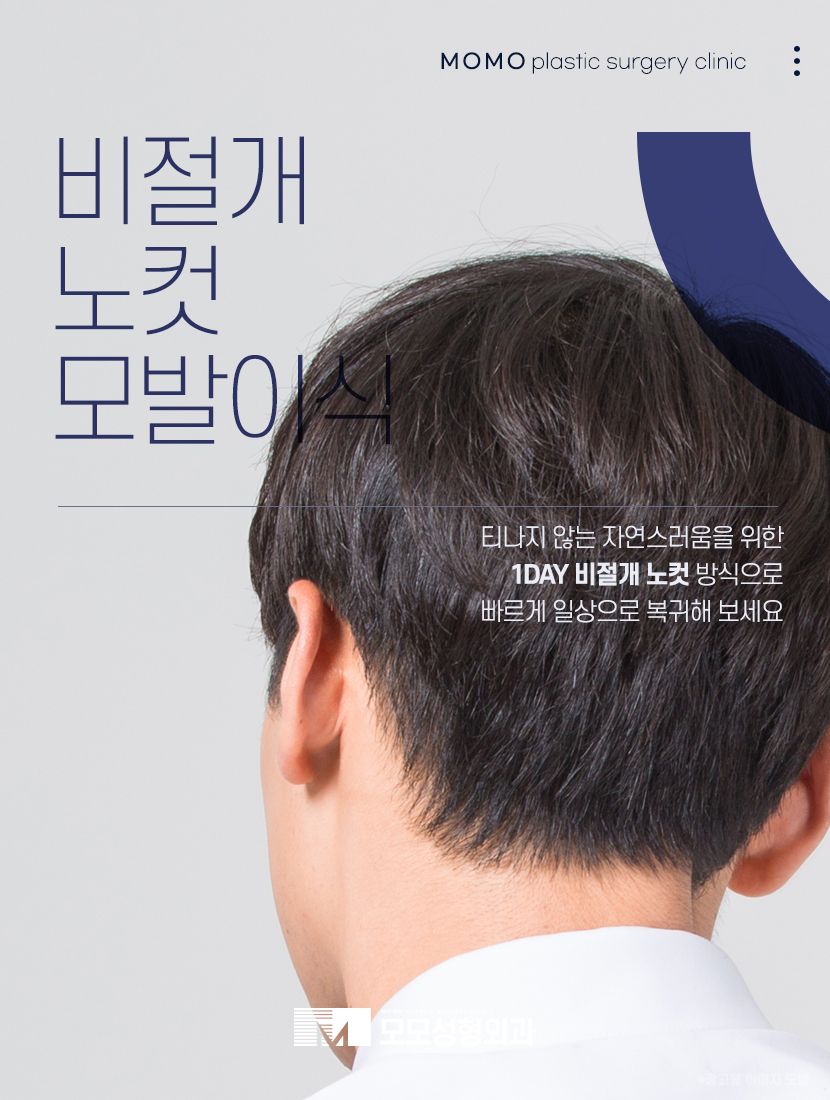
Because this can be adjusted in a customized way
depending on a person’s appearance, visiting a
male hairline hair transplantation clinic that can
provide detailed design will also be beneficial in
creating an appropriate final look.

There is no single correct answer between the two
methods of male hairline hair transplantation.
Since each person has different conditions and
circumstances, and their situations also differ,
there is no absolute answer.
In general, the non-incisional method usually takes
about 5 hours, and because it is a more difficult
procedure, it requires the surgeon’s high level of
concentration and skill, which can also increase the
cost.
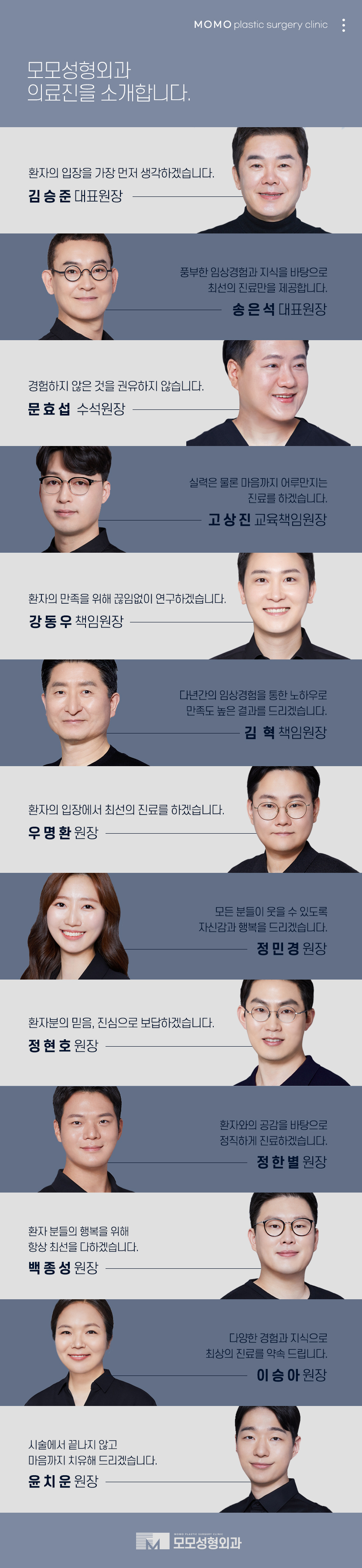
It is understandable to think carefully and hesitate,
but because the cost can differ for each person, the
best approach is not to focus only on the lowest
price but to find the appropriate method based on
the overall condition of the individual’s scalp.
What matters most is that whether it is non-incisional
or incisional, the surgeon’s abundant clinical
experience and medical knowledge are important.
Because this procedure is performed directly by the
surgeon one strand at a time, it is important to
consider the direction and thickness in which the
natural hair grows.
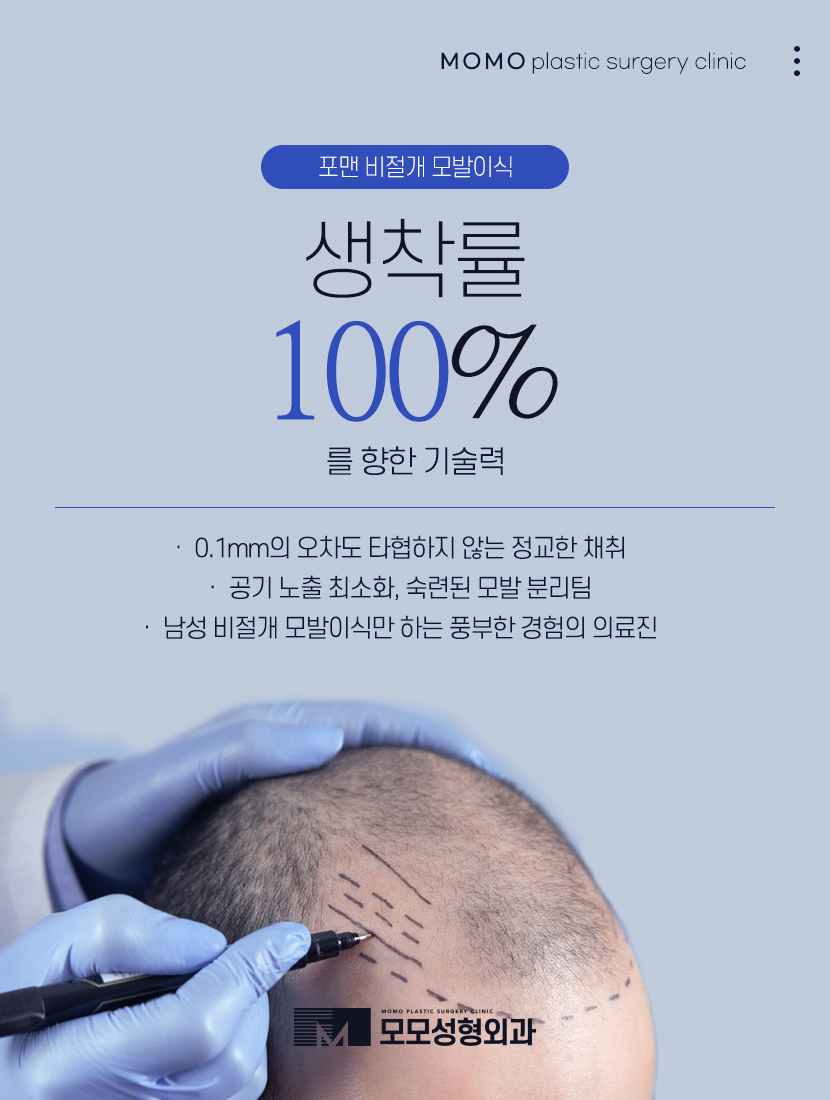
In particular, if you decide on male hairline hair
transplantation to address a wide forehead or to
correct an uneven hairline, it is important to pay
attention to even the detailed aspects so that it
harmonizes properly with your own facial features.
Also, to achieve successful results, it is important to
establish a systematic and detailed plan from before
the procedure begins through afterward.
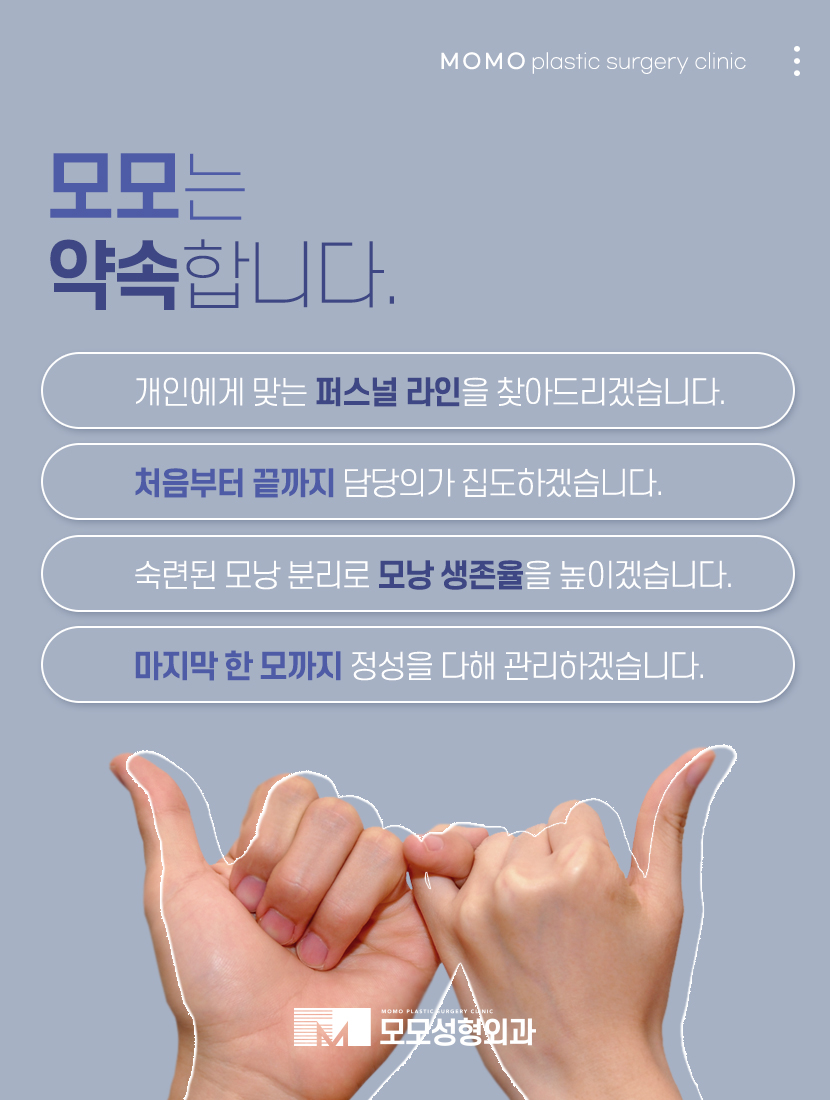
If you design the procedure by considering various
factors such as how much you want to fill in, the
extent of hair loss, and what overall image you want,
you can achieve a higher level of satisfaction.

If you spend a lot of money, think deeply, and
undergo the procedure, but do not get the result
you wanted, it will ultimately be useless.
Therefore, you should also check that careful
attention is paid not only to excellent design but
also to achieving a high graft survival rate, from
the procedure itself to post-procedure care.

There is a saying that the completeness of male
hairline hair transplantation is determined by the
graft survival rate, so after the procedure is
completed, ongoing post-care must be carried out
systematically.
Personal effort is important, but it is also important
to receive help from the relevant institution, so it is
a good idea to look into what kinds of programs and
systems are in place.

Since the success or failure of the result depends
on the surgeon’s abundant know-how as well as
post-care, you should maintain an attitude of not
overlooking even one thing.
By meeting a dedicated doctor who has performed
various male hairline hair transplants and having a
one-on-one customized consultation, you should
clearly express your needs, and carefully check
whether the clinic provides responsible medical
treatment. This will further enhance the appeal of
the outcome.