If, one day, the forehead appears suddenly wider
or the top of the head looks noticeably thinner,
it may be worth suspecting that hair loss has
occurred.
The shedding of hair is, in fact,
a natural process that happens almost every day,
but if too much hair falls out, you can
recognize that there may be a problem.
�
�
In the past, it mainly appeared among middle-aged
or older men, but as the times have changed and
lifestyles have become markedly different from the
past, it is now regarded as a condition that can
affect anyone regardless of gender and is a concern
many people may need to deal with.
Looking at the main causes, stress can be considered
the largest factor, followed by aging and genetics.
�
If visually empty areas become clearly exposed,
they will not only have a negative effect on your
appearance, but also damage your image, which can
then affect you psychologically as well, making it
difficult to dismiss as a simple issue.
Therefore, it is best to stay alert, pay close
attention at all times, and respond quickly in the
early stages so that the condition does not worsen
and you can take prompt action.
�
�
However, most people fail to notice it at the
beginning and let it pass, and only later, when the
problem becomes serious, do they begin looking for
ways to address it. Some try various folk remedies,
and others undergo treatments such as medication,
but because it is difficult to clearly feel the
difference before and after, people naturally tend
to turn their attention to procedures such as male
hair transplant.
�
�
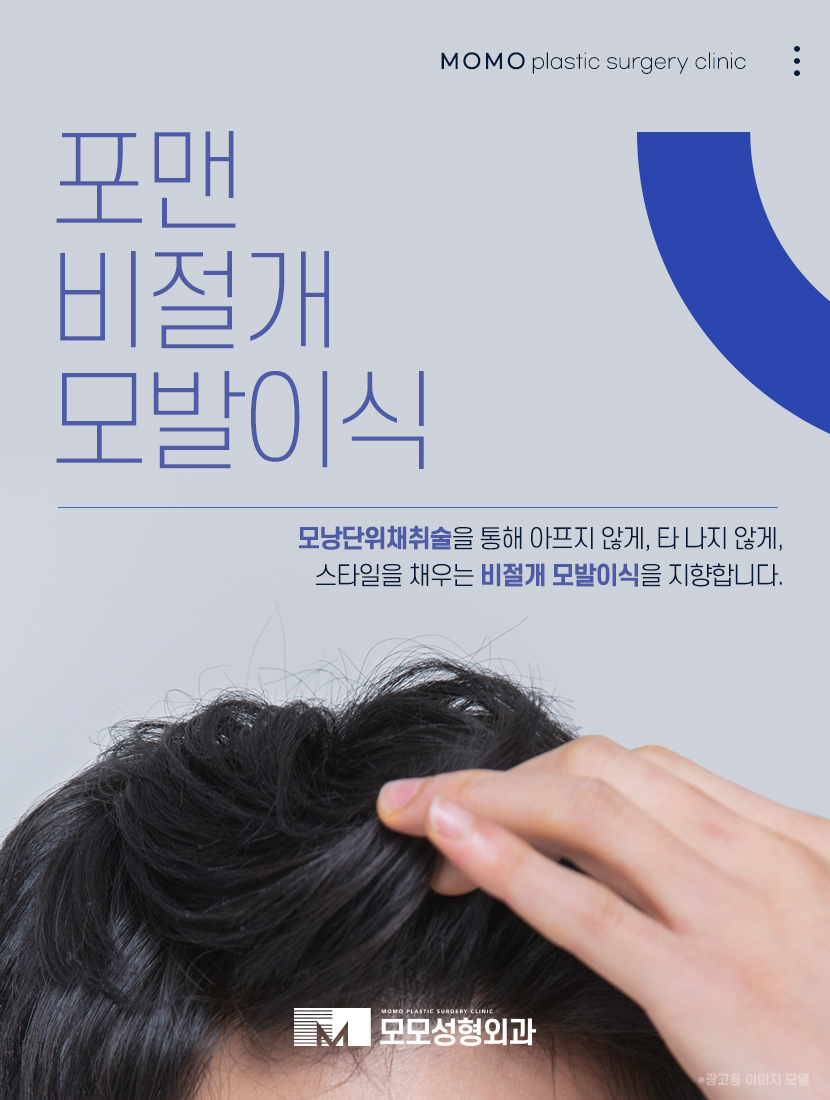
This is a procedure in which only healthy natural
hair is selected and harvested, then transplanted
to the area where hair loss has occurred. Broadly
speaking, the method can be divided into an excision
method, which removes a certain area of the scalp,
transplants it, and sutures it, and a non-excision
method, which individually selects and extracts
follicles and implants them into the empty area.
�
�
Both procedures are still actively performed today.
However, because modern people all live busy lives
and find it difficult to have much extra time, they
often prefer methods that allow for quicker recovery
and faster visible results.
�
�
Perhaps because of this, among male hair transplant
methods, the non-excision method is becoming more
popular.
Because follicles are extracted one by one, separated,
and then implanted, the procedure naturally takes
longer. However, the time needed to return to daily
life afterward is relatively short, and because there
is no excision, there is no concern about scars later
on.
�
�
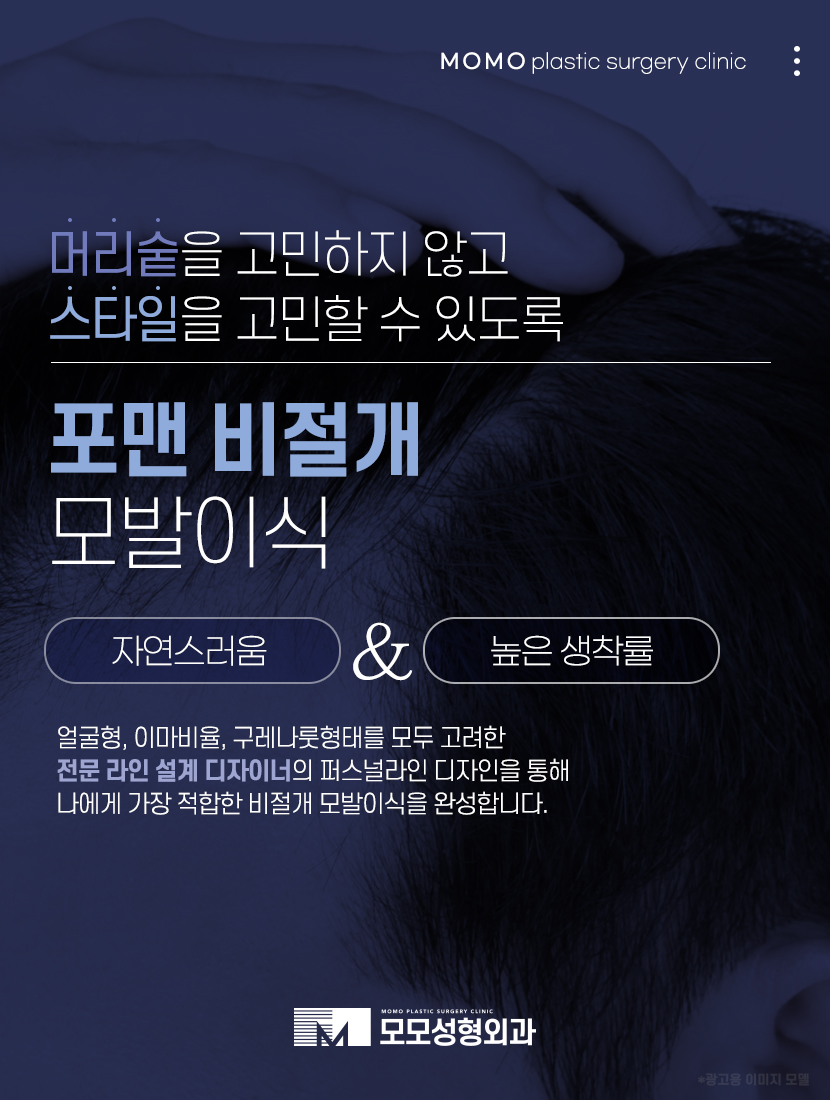
Also, because no incision is made, you can expect to
return to daily life quickly after the surgery is
completed. If hair cutting is performed in a way
that naturally covers the area using the existing
natural hair, it will not be very obvious in daily
life that a procedure was performed. The types can be
discussed with the doctor and adjusted to suit each
person's needs, starting with a two-block cut, a line
cut in which the area is shaved and taken at 1 cm
intervals, a micro cut in which the area is taped
very thinly at 1�2 mm intervals and then cut with
scissors before harvesting, and finally a no-cut
approach that does not involve cutting.
�

�
In addition, because the scope of damage to the
scalp is small, pain is also relatively low.
However, since natural hair also comes in various
forms, high-level skill from the doctor is required
in order to select follicles according to direction
and implant them quickly without damage.
�
�
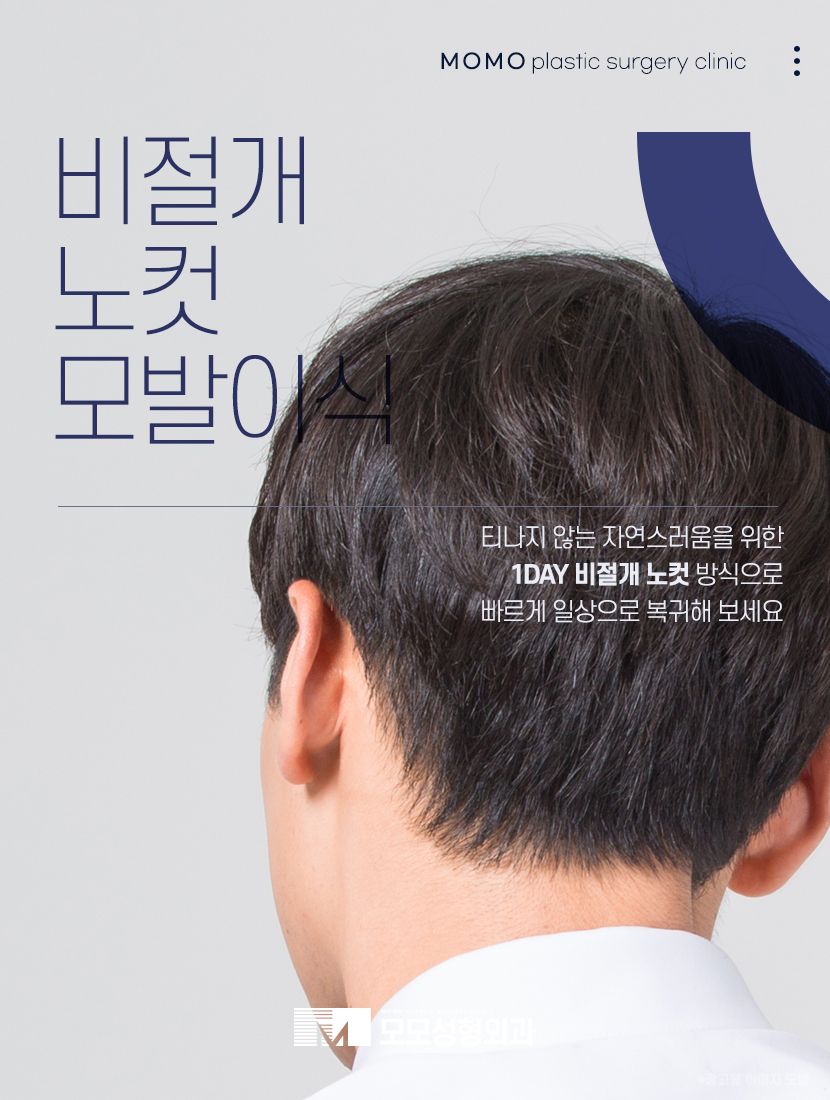
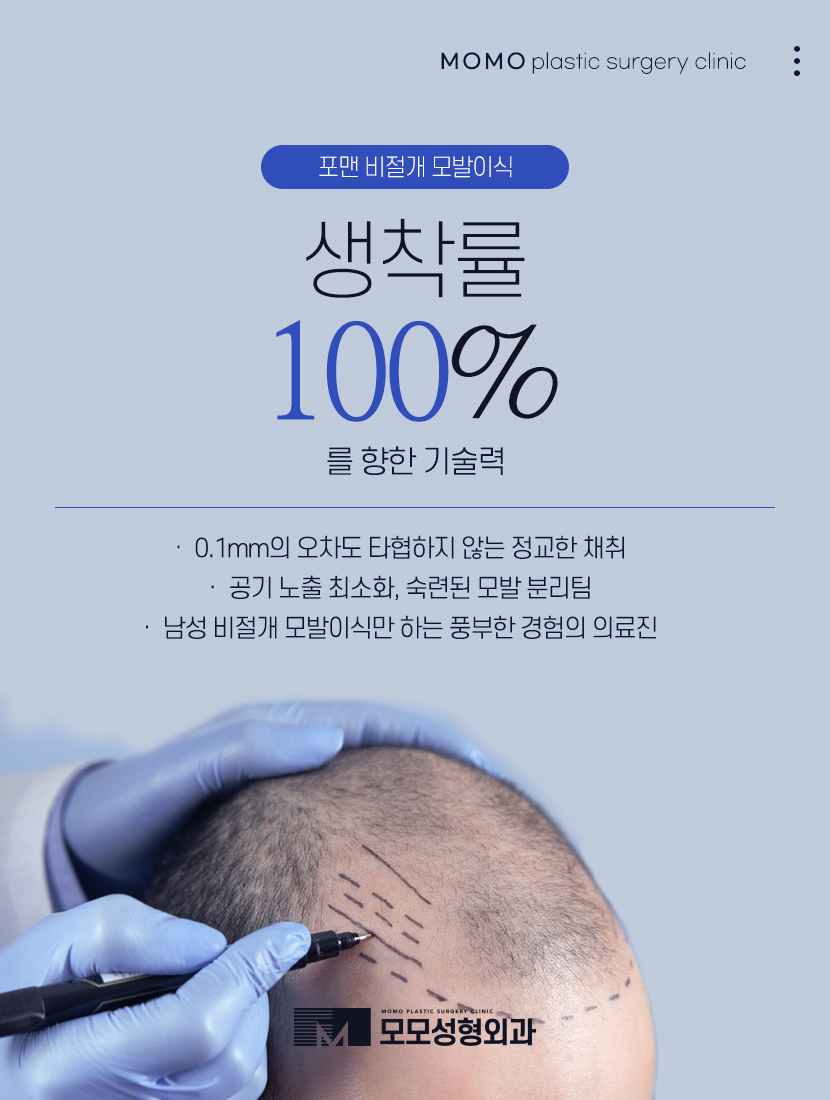
The graft survival rate is a very important factor
because it determines the fullness of the final
result.
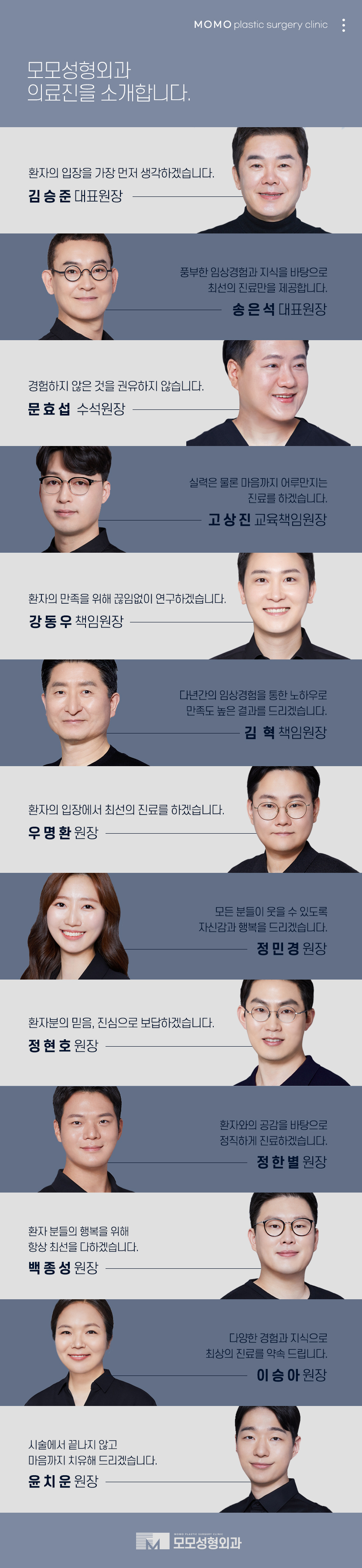
Therefore, when looking into male hair transplants,
it is necessary to check whether the relevant clinic
has a follicular separation specialist on site, and
you should also closely assess the doctor’s
experience and expertise.
Please keep in mind that this is a crucial factor in
determining satisfaction and should not be overlooked.
�
�
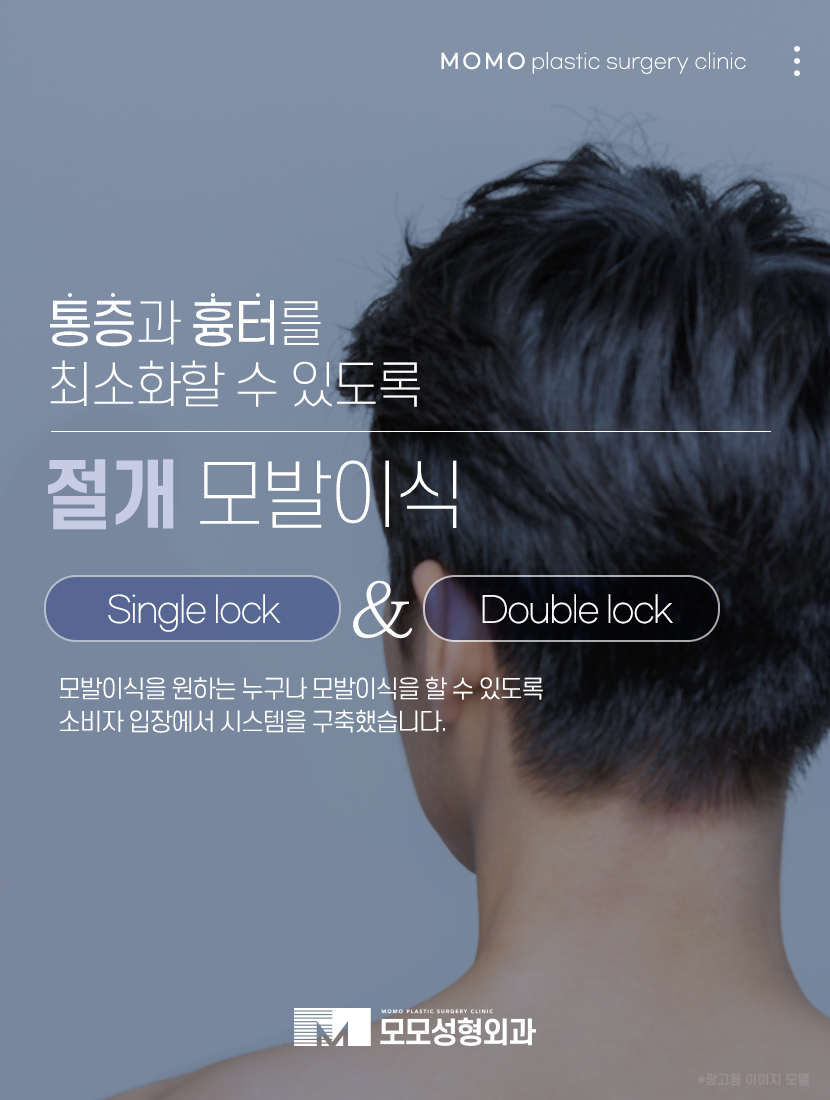
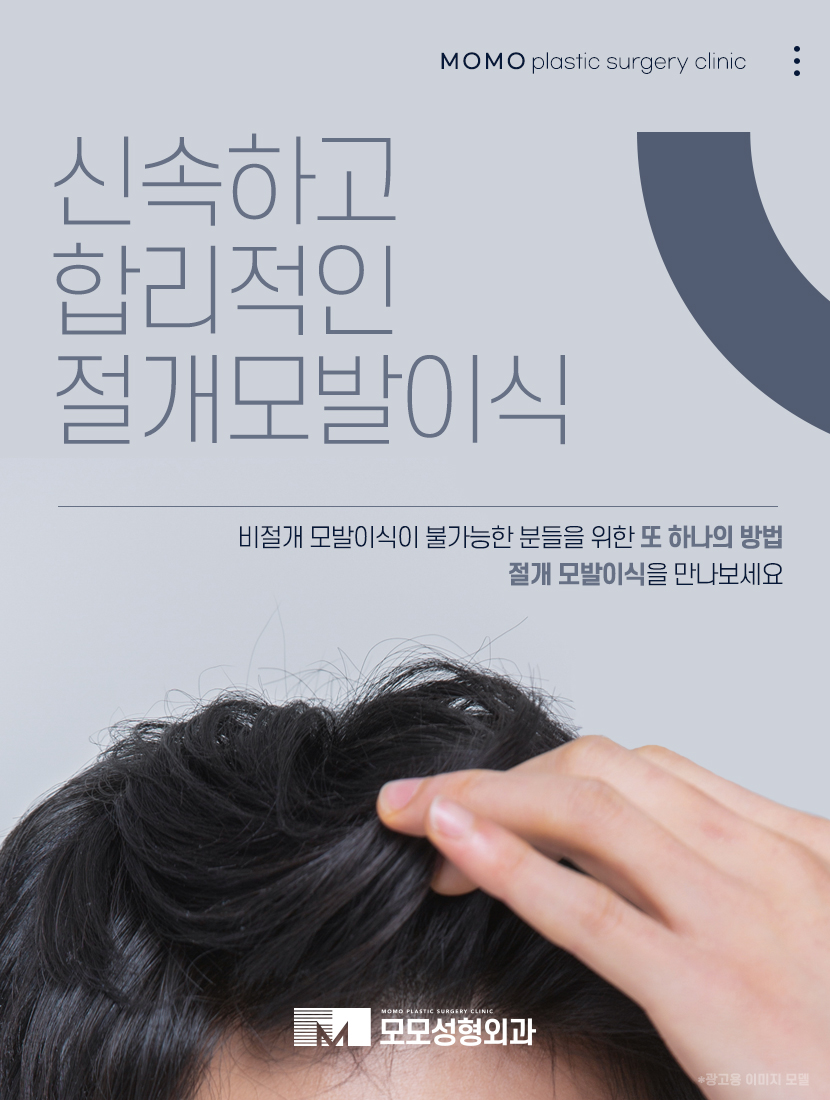
Some people prefer the non-excision option, but in
some cases, the excision method may be unavoidable.
It can be considered if the hair density at the back
of the head is low, if hair loss is rapidly
worsening, or if a stable, large-volume procedure is
needed, and it can also depend on the condition and
state of the scalp.
�
�
Also, because the procedure time is shorter and the
cost is generally lower among male hair transplant
options, and because the chance of follicle loss
while separating the follicles is relatively low,
you should still keep in mind that some pain may be
involved.
�
�
Each method has its own advantages, so it is
important to find the option that is right for you
and move forward with it.
To achieve a natural and satisfying outcome, the
male hair transplant method suited to your
characteristics should be decided together with the
doctor and then carried out so that the later result
can be well achieved.
�
�
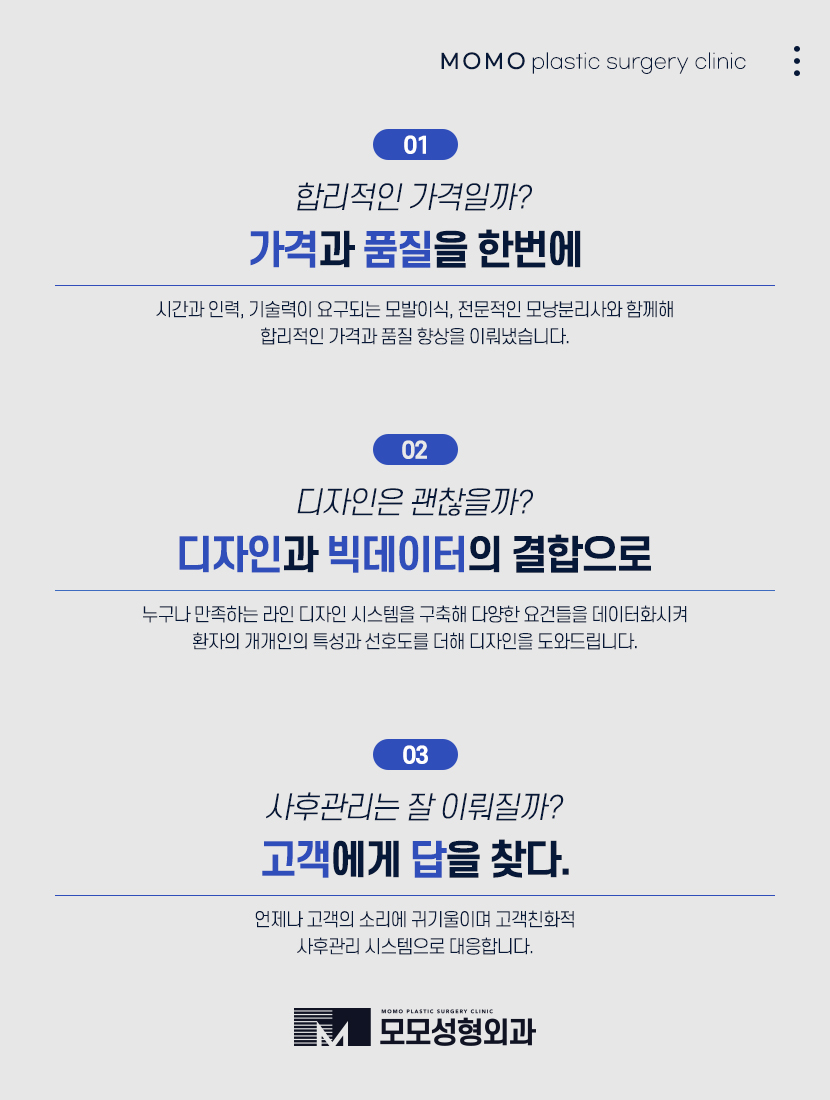
At this point, another factor that should not be
overlooked is the design of the hairline.
To achieve a natural look, a personalized line
design based on your appearance should be included.
This is because by performing the procedure according
to each area's characteristics and condition, you
can expect a natural-looking result afterward.
�

�
Just as each person's appearance and personality
differ, natural hair also inevitably differs in
angle, direction, depth, and more.
Therefore, only when these tendencies are properly
understood and a precise procedure is performed can
a natural and highly satisfying hairline be created.
So if you are considering a male hair transplant,
please carefully examine the doctor’s capabilities
and make sure to learn enough about the relevant
clinic’s system before starting.
�