The fullness and shine of the hair, and
our overall appearance as seen by others,
can make a big difference in how we are perceived.
In an era where appearance is competitive,
a variety of hairstyles can contribute to
positive changes in appearance.
It would be ideal if abundant natural hair could be maintained,
but recently more people have been worrying about
hair loss. Normally, losing about 100 hairs a day is
considered typical, but if significantly more hair is
falling out than that, you should suspect hair loss.
This symptom was generally considered a natural
phenomenon that occurs as middle-aged and older adults
age, but it is now said to appear frequently even in
young people in their 20s and 30s.

This condition can appear in various forms,
including a thinning crown, circular patterns, an O-shaped
pattern, and an M-shaped hairline. In particular, men often
develop an M-shaped pattern where the forehead gradually
becomes wider, and at first, most people either do not
take the seriousness of natural hair loss seriously or
feel embarrassed and simply leave it untreated.

People try to solve it with temporary measures or folk
remedies found online, but once this condition begins,
it progresses very quickly. So if it is discovered,
it is best to visit a clinic or hospital and receive
early treatment.
If the condition has progressed to a stage where it is
difficult to expect improvement through non-surgical
methods, considering a male hair transplant can be a
good option in order to be free from hair loss.
In particular, this condition occurs at a higher rate in
men than in women, so male hair transplants can quickly
cover the affected areas and provide permanent results,
which is why demand has surged recently.
A male hair transplant refers to a method in which healthy
hair follicles are harvested from the back of the head,
which is less affected by hair loss, and transplanted to
the empty areas. This procedure is generally divided into
two methods: strip surgery and non-shaven extraction.
Because the method used to harvest the follicles differs,
the advantages and disadvantages in terms of surgical
pain and cost are quite distinct.
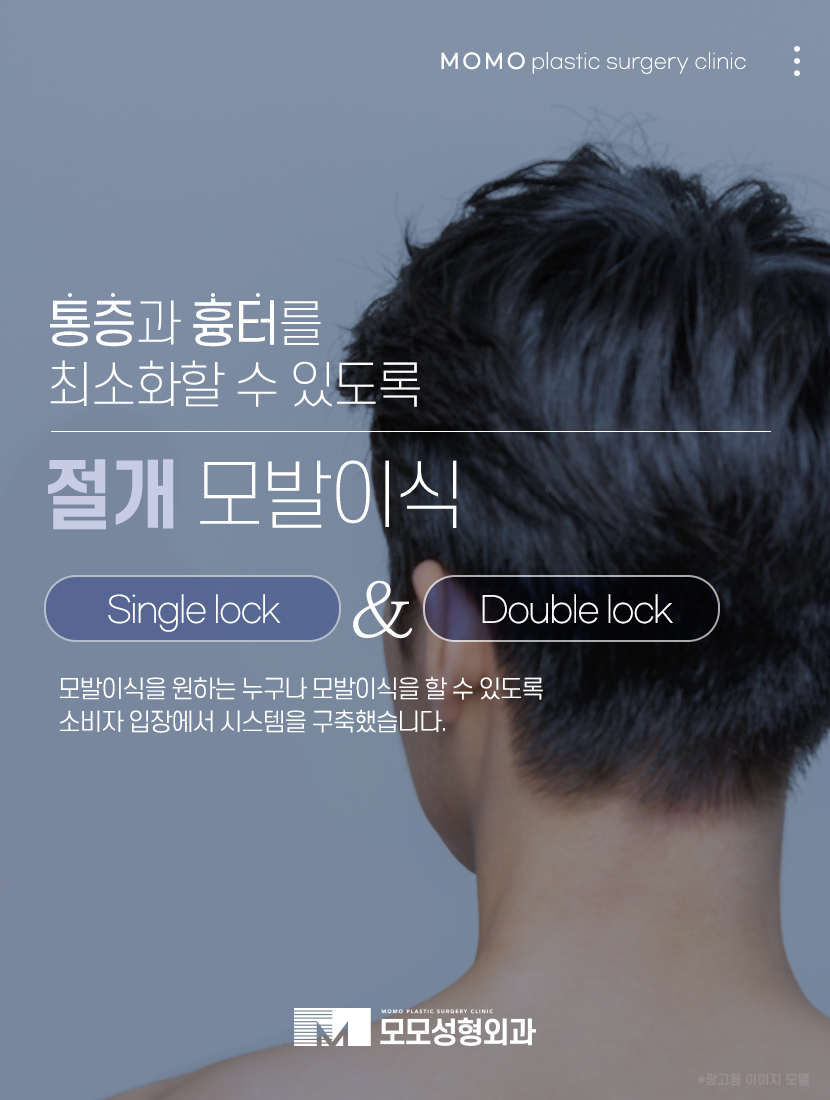
Strip surgery involves harvesting and transplanting a large
amount at once, so the procedure time is shorter and the
cost is relatively lower. However, because tissue must be
removed, pain and scarring may occur, and the recovery time
before returning to daily life may be longer. In comparison,
non-shaven extraction does not require a surgical method
and instead collects healthy hairs one by one, so there is
no need to use unnecessary natural hairs. It also causes
less pain and takes relatively less time, making it more
accessible even for those who are highly concerned about
surgery. For this reason, it is considered the most
preferred method among male hair transplant techniques.
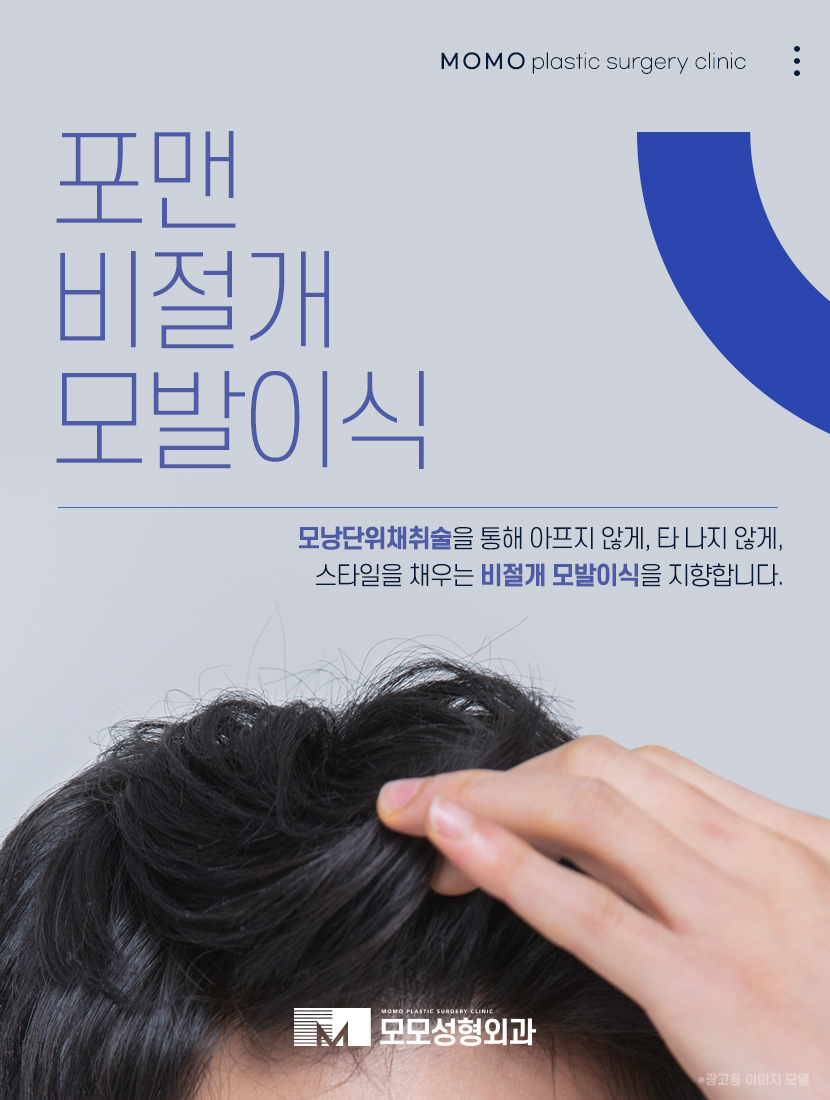
However, because it is a delicate surgical method that
requires a high level of skill from the surgeon, it has the
disadvantages of a higher cost and a longer operation time.
Therefore, if you are considering a male hair transplant,
it is important to consult thoroughly with a surgeon who
has extensive knowledge in this field and take the
appropriate measures that suit you. For a satisfactory
result after surgery, checking the amount of hair to be
transplanted is also something that should not be overlooked.
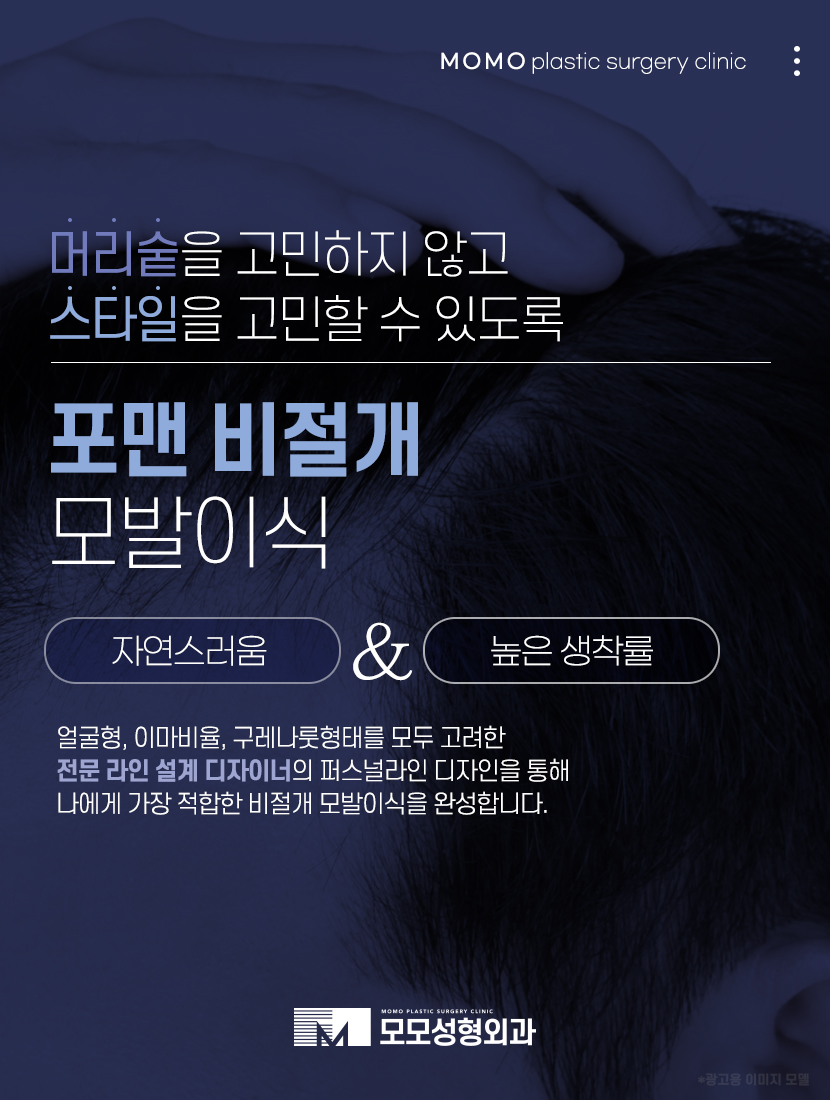
Because the amount needed varies from person to person,
costs and the surgical method also differ in this aspect.
Therefore, a specific plan should be established, and the
entire process from pre-surgery consultation through the
final follow-up care after the procedure should be carried
out carefully. Only then can satisfaction be increased,
and the worst outcome of needing a second surgery can be
avoided.
When performing a male hair transplant, the graft survival
rate is also often considered important. What matters is not
simply transplanting as much as possible, but how long a
healthy outcome can be maintained and how natural it looks.
If folliculitis develops because the scalp is injured during
the process of separating follicles, proper graft survival
will not be possible, which is why the surgeon’s skill is
so important.
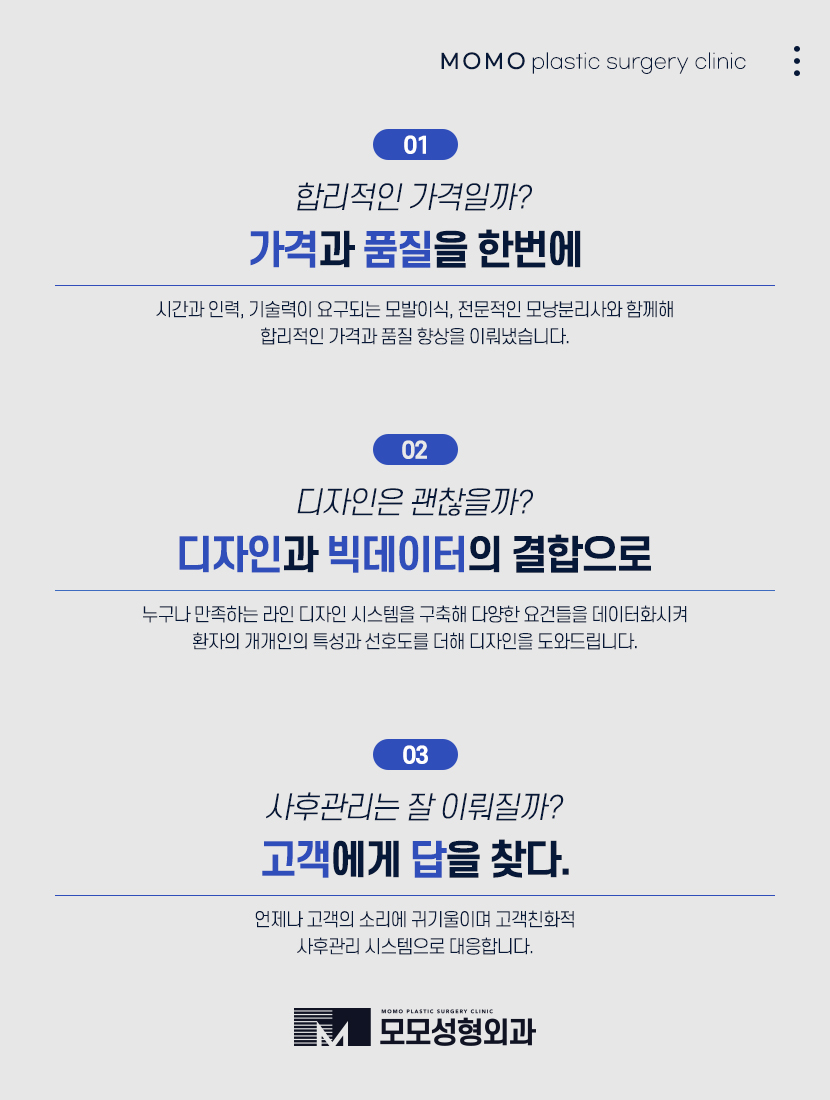
Also, when looking into various options, many people feel
burdened by the high cost. Since the price varies greatly
from person to person, some look only for places with low
prices or event discounts. However, for a satisfactory and
successful outcome, it is better to choose a clinic where a
doctor with delicate technique and extensive clinical
experience is present, where one dedicated doctor handles
the process one-on-one from before surgery through post-
treatment follow-up care, and where various care systems to
increase graft survival are in place. It is best to approach
the decision carefully while considering these various
factors.

And after a male hair transplant, the first year should be
focused on graft survival. In order for the transplanted
hair to settle naturally and properly without discomfort
compared to the existing hair, it is necessary not to rely
too heavily on the clinic but also to manage things
carefully on your own. In daily life, it is best to avoid
stimulating the scalp in ways that are harmful, as well as
alcohol and smoking, which can directly have a negative
effect. Regular visits to the clinic for care, along with
appropriate measures based on the current condition, will
help lead to a satisfying outcome.