
In cold and dry environments, special
care for the scalp and natural hair
may be necessary.
Cold and dry environments can have a
damaging effect on hair, and if dryness
continues to be felt, the body’s defense
against external factors will significantly
decrease. In addition, symptoms such as
itchiness, dandruff, and flaking may appear,
and in severe cases, this can progress to hair loss.

In cases where a large amount of hair falls out,
some are chronic, but if you are under emotional
stress in your daily life or become generally
nutritionally deficient due to excessive weight
loss, you may experience temporary shedding
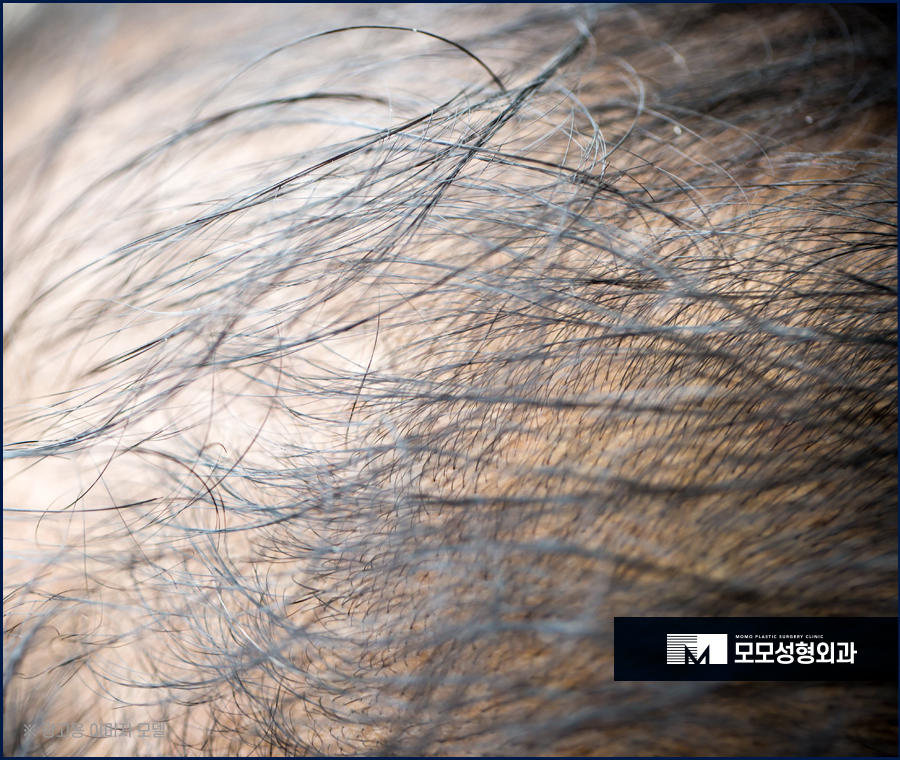
and changes in hair thickness. If blood supply
to the follicles where natural hair grows is not
smooth, if the body is lacking nutrients, or if a
specific hormone is secreted and the follicles are
attacked, the size and thickness of the follicles
will gradually change, causing the hair density to
decrease and the number of hairs to gradually be lost.
If the follicles continue to be attacked, their
original size can gradually become smaller and
eventually disappear, so intensive care from the
early stage of symptom onset may be advisable.
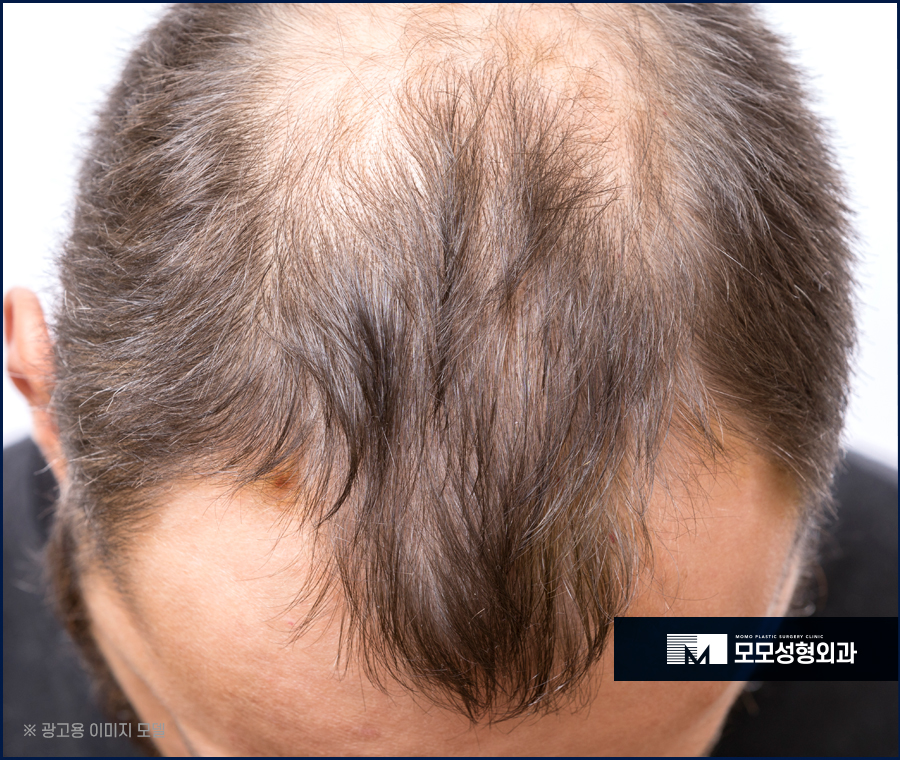
However, instead of visiting a related medical
institution, many people commonly apply only
temporary measures such as hair fibers, wigs, or
hats to cover the area where symptoms appear.
This can actually make ventilation on the scalp
less smooth, allowing sweat and sebum to build
up and making the area more humid, which makes
it more likely to accelerate hair loss.
Therefore, it is good to make an active effort to
improve the condition, and one option that comes
to mind at this time may be the before and after
results of hair transplantation.
This procedure is sometimes considered a method
that can help those who want to remove larger
worries caused by hair loss or who want to experience
dramatic change easily in a single procedure.

Because it is performed by extracting new hair
and transplanting it into areas where natural hair
has been lost, the difference before and after hair
transplantation can be directly confirmed, which
has the advantage of high satisfaction and clear
results. However, due to the nature of surgery,
newly grown natural hair in the treated area may
have difficulty matching the existing hair in terms
of fullness and density.
Therefore, to achieve a satisfying outcome, the
survival rate must be maximized, and the procedure
must be performed by transplanting natural hair at
regular intervals. Even when the same procedure is
performed, the transplanted hairs should not affect
each other’s growth, and they must be able to receive
enough nutrients from the blood flow within the scalp.
Therefore, the procedure must be performed with
detailed, consistent spacing. Accordingly, analyzing
the current condition and determining the amount
based on that, then ensuring stable survival, will be
a direction that can lead to greater satisfaction.
If you become overly ambitious in pursuit of fullness
and perform too much at once, the before-and-after
appearance of the hair transplant may turn out
different from what you wanted.
The final result after transplantation is usually about
50% of the existing normal density, and depending on
each individual’s scalp condition and natural hair
requirements, up to 70% may be expected.

The hair that grows from a single follicular unit in the
occipital area is thicker than the original type, and the
number is generally 2 to 3 hairs, with occasional cases
of 4 to 5 hairs growing together. Therefore, even if the
procedure is performed with a slightly lower amount than
normal density, it may still look natural aesthetically.
For that reason, it may be more appropriate for the final
before-and-after hair transplant result to select an
appropriate amount and perform reinforcement in the
areas that are lacking.

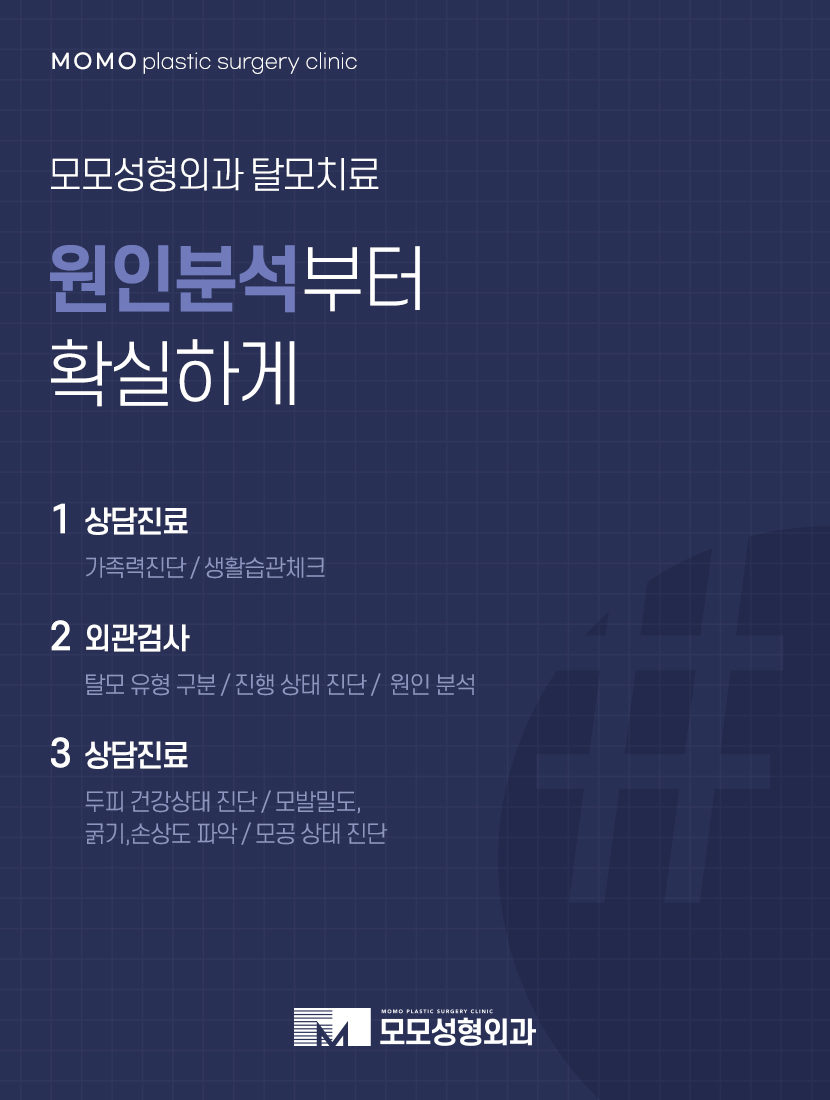
Before starting the procedure, a consultation and
diagnosis are conducted to determine the appropriate
extraction method. Usually, the applicable options may
vary depending on each person’s scalp type and the
characteristics of their natural hair.
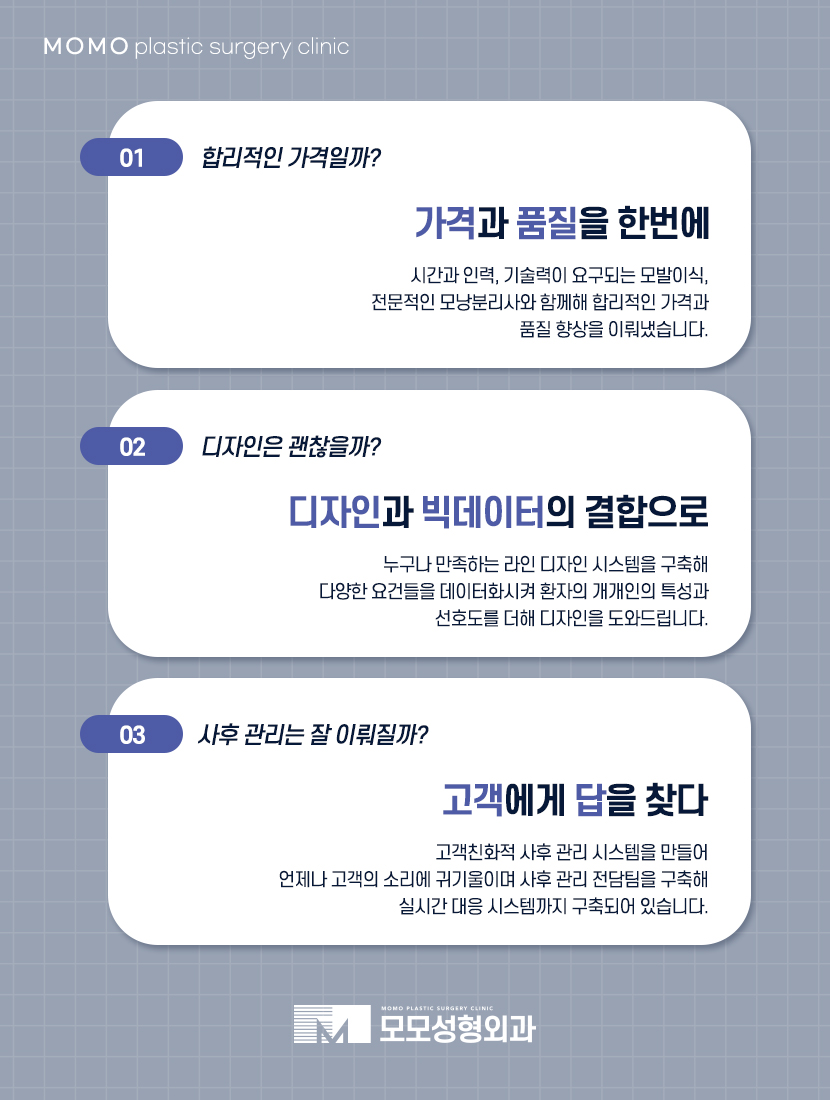
To satisfy both the desired density and design, it is
advisable to carefully review the program and system
provided by the institution, including the medical team’s
skill, know-how, reasonable cost, aftercare, and hair
transplant before-and-after cases, before making a decision.

Because there are clear advantages and disadvantages
to each method, choosing the direction of the before and
after hair transplant based on the procedure that seems
most suitable is the right approach. However, for an even
more refined outcome, the care method after the procedure
is crucial, so you may need to make sure not to overlook
aftercare.
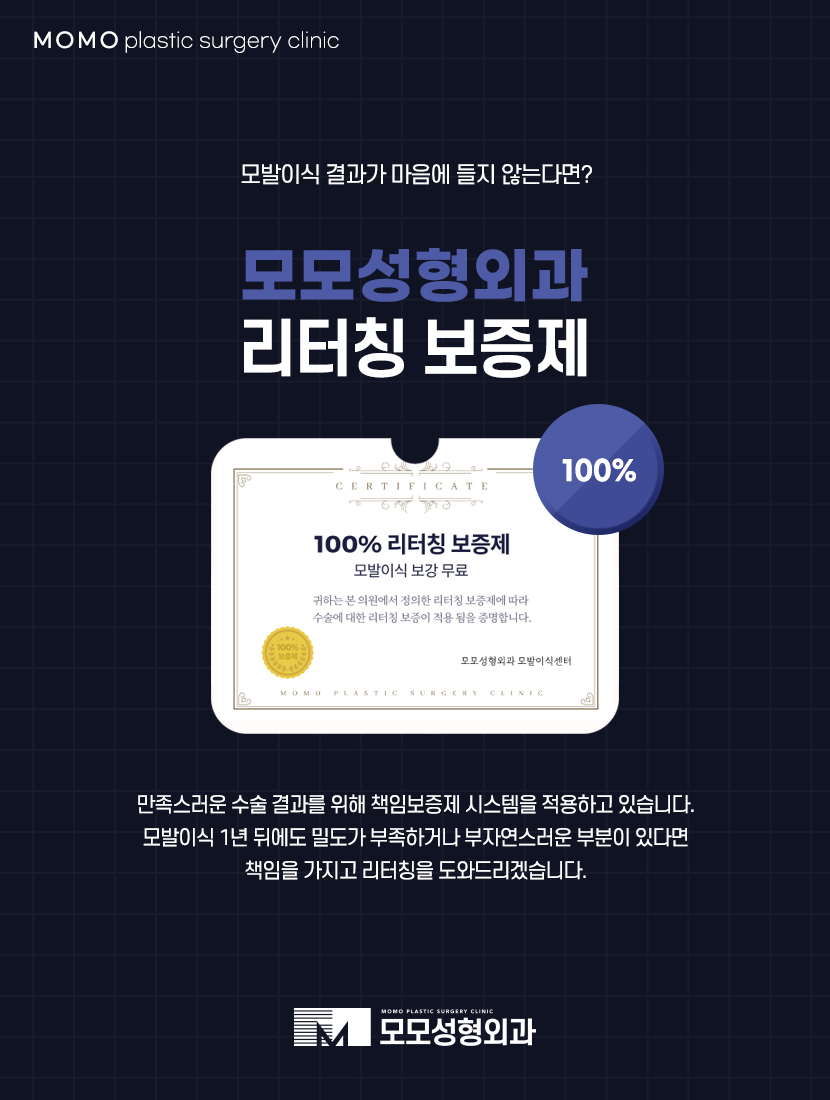
If inflammation occurs in the treated area, the survival
rate can drop significantly, so thorough disinfection is
necessary and the area must always be kept clean.
It is also necessary to apply the prescribed ointment
regularly to prevent inflammation, and to actively follow
the provided instructions.
During the survival period, when the follicles settle into
their new place, it may be necessary to refrain from
smoking, drinking alcohol, strenuous exercise, or activities
such as public baths and saunas. In particular, drinking
alcohol or smoking can constrict the blood vessels in the
scalp and trigger inflammatory responses, which can greatly
interfere with the survival process, so they should be avoided.
In addition, care should be taken in daily life to avoid
stimulating the treated area as much as possible.