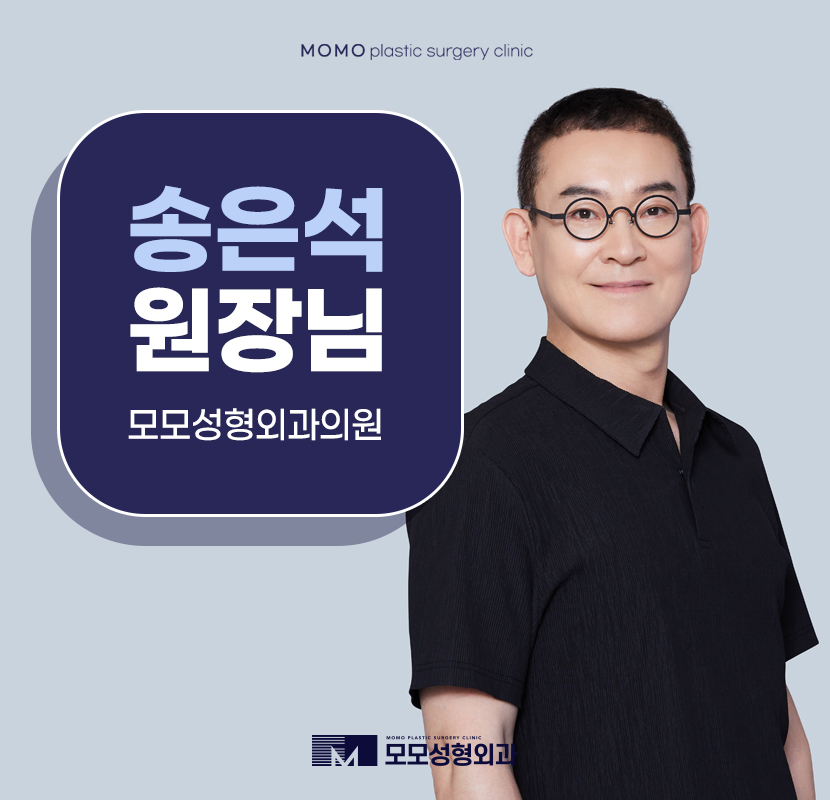
모모성형외과 송은석원장 무통모발이식을 통해
To create natural and beautiful hair,
many people spend a lot of time and effort on
hair care, and it is not uncommon for them to
refer to care methods introduced on the internet or
broadcast programs and try them themselves.
These efforts can ultimately be seen as a way to
improve one’s image in a positive direction, but if,
from some point on, more natural hair starts falling
out than before, you may begin to wonder whether
it is hair loss and think a great deal about what
methods might help improve it.
If hair loss is identified early,
improvement may be expected through simple treatment,
but as time passes and the symptoms spread to
other areas, recovery may be difficult with
commonly known methods. People may look into
a variety of options and try them themselves in
hopes of improvement, but in the end many also
come to learn about methods of moving natural hair.
One option available in such situations is hair
transplantation. It can be described as a process
in which healthy, strong follicles are moved and
implanted into areas where hair loss has already
progressed significantly, using the permanent area
at the back of the head or other unaffected areas.
Because this procedure offers the advantage of
addressing the root cause of the condition, it is
considered a method that has drawn attention from
many patients experiencing symptoms.
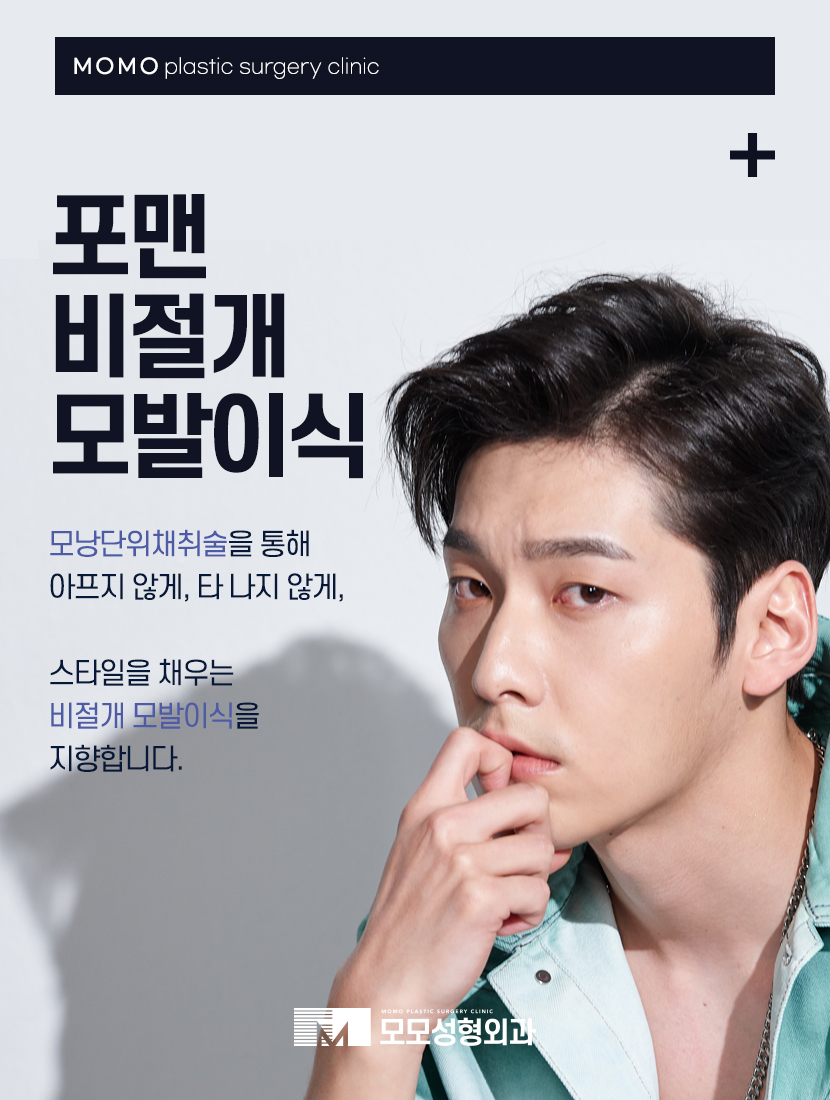
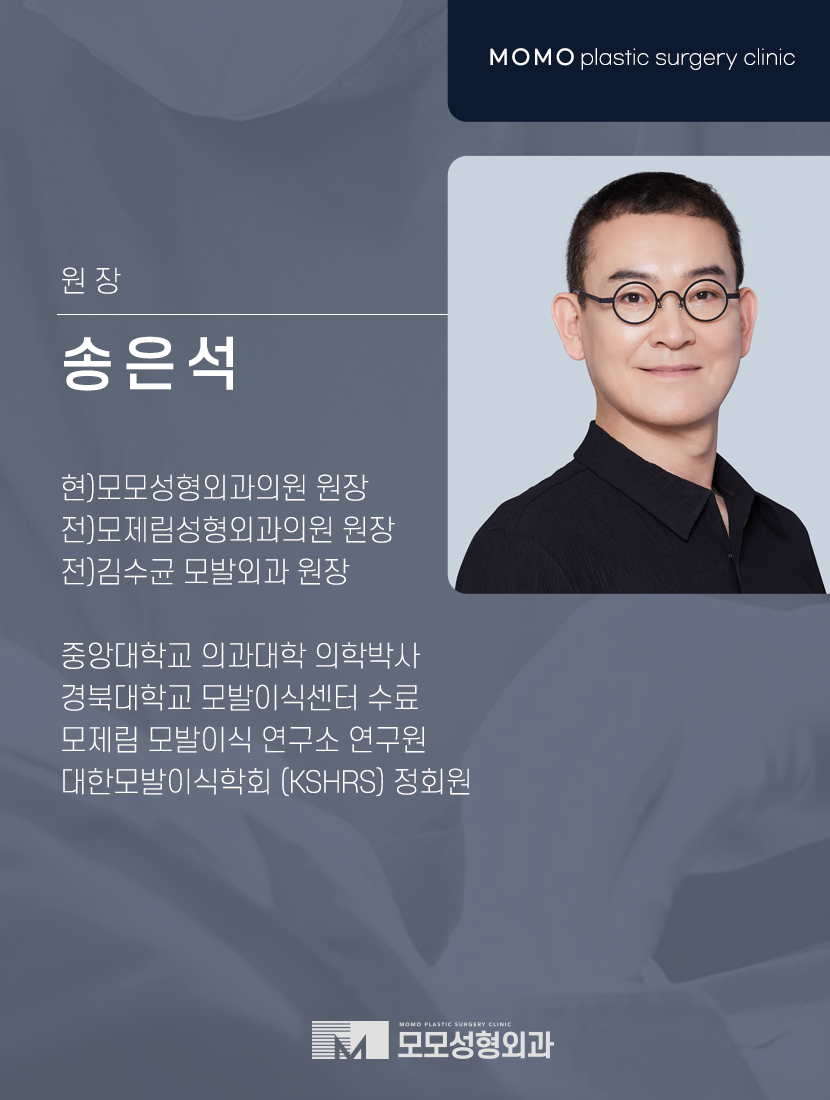
Director Song Eun-seok of Momo Plastic Surgery said
that when harvesting follicles from areas not affected
by hair loss, the method can largely be divided into
two types depending on how the procedure is carried
out and how many grafts are to be transplanted:
incisional or non-incisional.
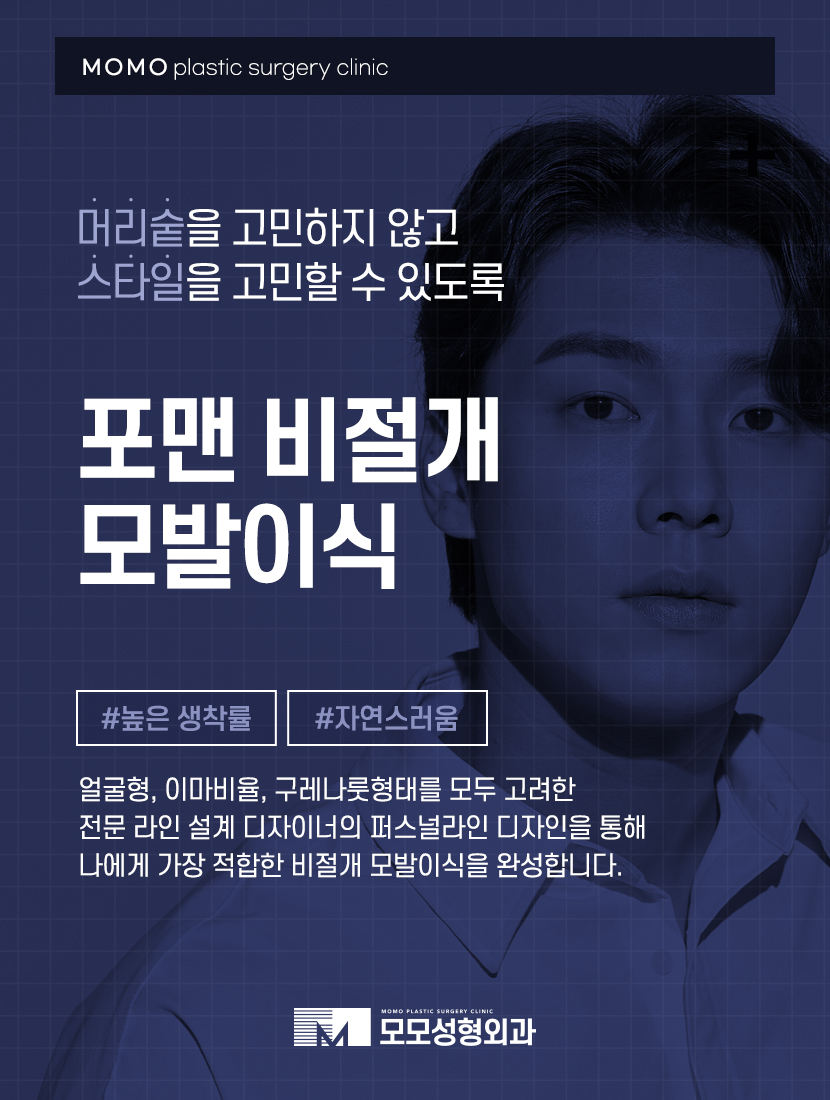
The non-incisional method proceeds by extracting
tissues in individual units or in small amounts rather
than in large groups, then transferring them. It has
the advantage of being able to obtain follicles without
the need to excise skin, so there may be less concern
about scarring or pain. However, Director Song Eun-seok
of Momo Plastic Surgery also explained that it can be
difficult to perform in cases where symptoms are severe
and a large number of grafts need to be implanted,
or depending on the patient’s type.
The other method is the incisional approach, which
involves cutting the scalp. Its advantages are that a
large amount of natural hair can be obtained at once
and then transplanted, it can also be performed in
cases where hair density in the back of the head is
low, and it can be applied even when the condition
has progressed considerably. However, depending on
the scalp-cutting process, pain may occur and scars
may form, which can also be aesthetically burdensome.
Director Song Eun-seok, who is also on staff at Momo
Plastic Surgery, said that when consulting with patients,
concerns and worries about this pain and scarring are
very common.
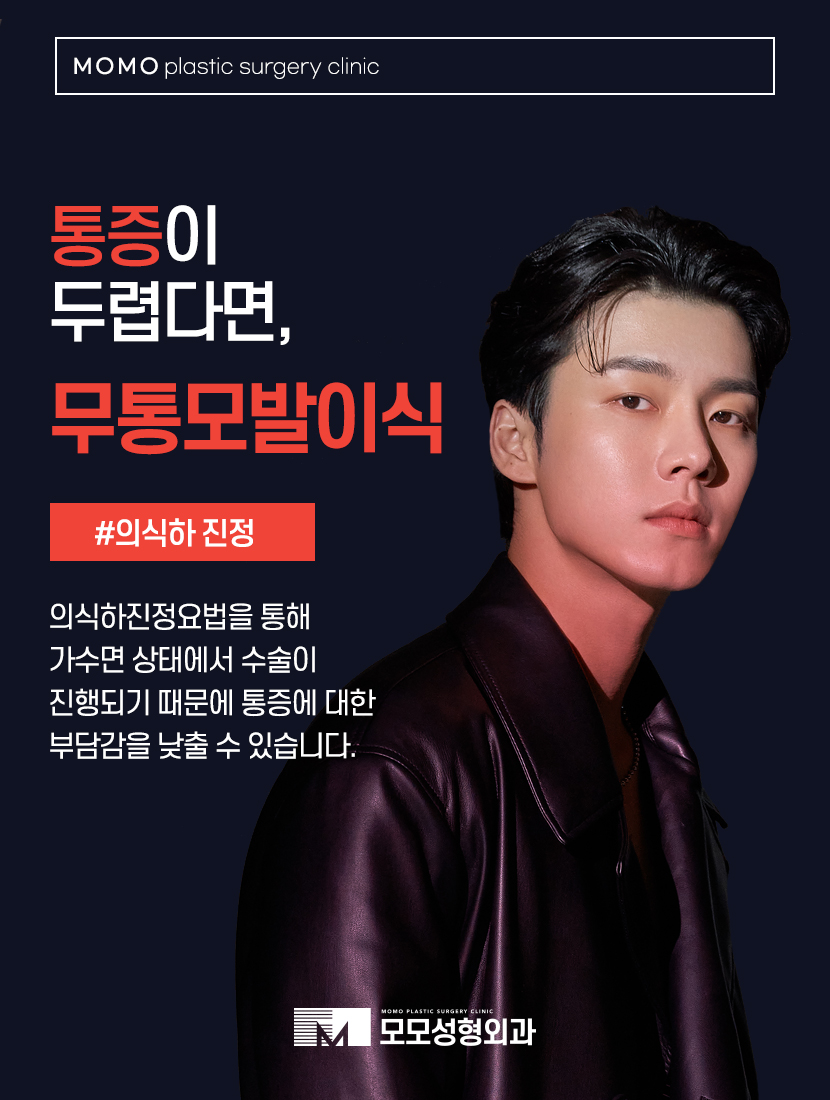
Because of this, many people these days look for
technologies that can reduce the fear and burden of
pain that may arise during incisions, and among them
there is a method called painless hair transplantation,
which has led many patients to take interest in this
procedure.
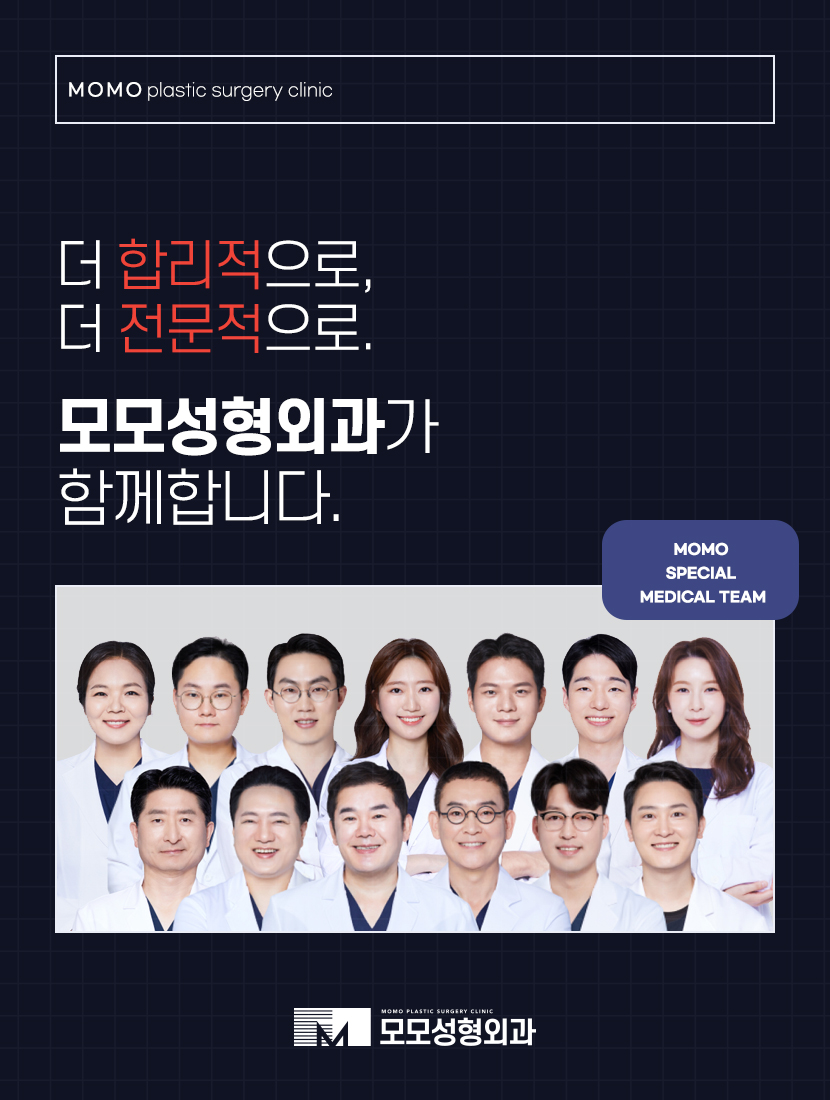
In this method, the procedure can be considered while
inducing a drowsy state called conscious sedation
anesthesia. Unlike general anesthesia, spontaneous
breathing is possible, so recovery time after the procedure
is fast, and it has the advantage of reducing the pain
and psychological burden that patients may experience
through treatment.
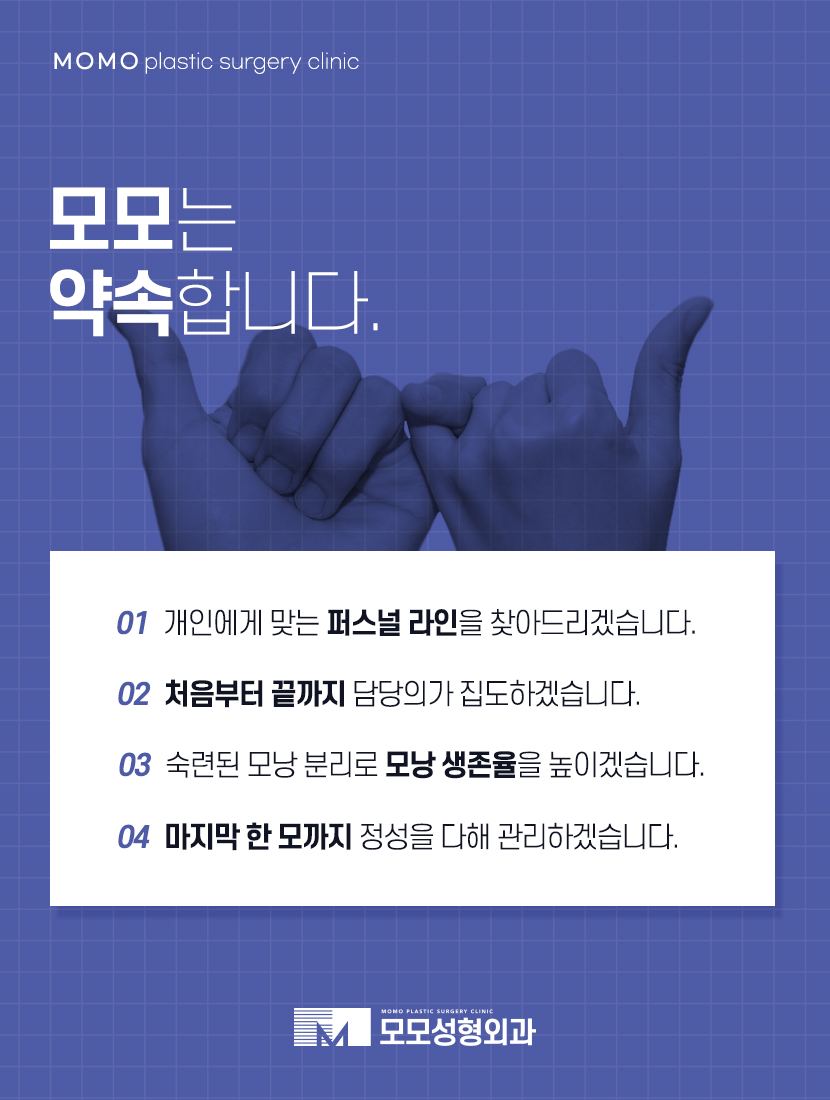
In addition, Director Song Eun-seok of Momo Plastic
Surgery says that the anesthesia used for painless hair
transplantation is a mild level comparable to a drowsy
state, so the risk burden and the possibility of accidents
or side effects are very low. However, because each
individual has a different level of sensitivity to anesthesia,
it is important to first check how sensitive the patient is,
and then receive the procedure at a clinic or hospital
that is sufficiently equipped with the necessary medical
equipment. This helps prevent sudden problems or
accidents and allows for a good prognosis. He also
recommends carefully considering whether the clinic or
hospital has abundant experience and know-how with
this technology.
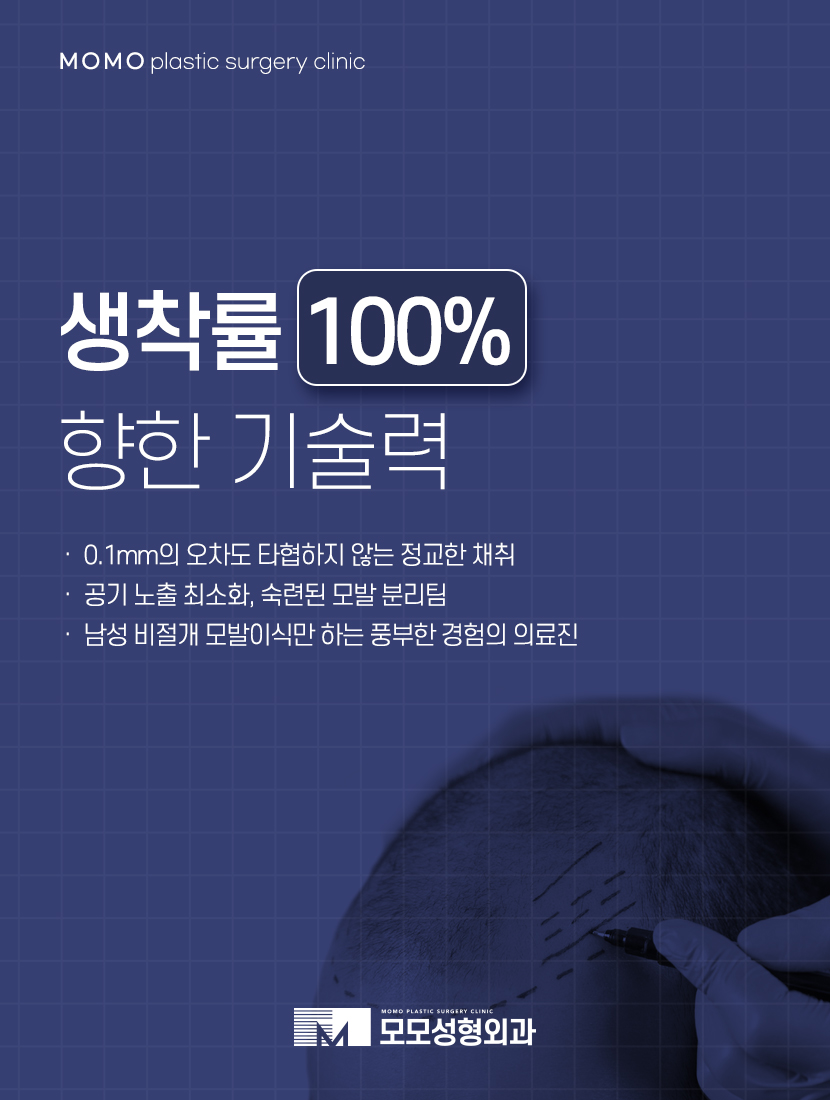
Director Song Eun-seok of Momo Plastic Surgery also
said that during treatment, only by continuously checking
the patient’s anesthesia state through various devices
such as electronic measuring instruments and ensuring
that immediate action can be taken when any abnormality
occurs can better results be expected. Therefore, it can
be helpful to have the care managed by the attending
doctor, who has extensive experience and know-how
from diagnosis through final recovery.
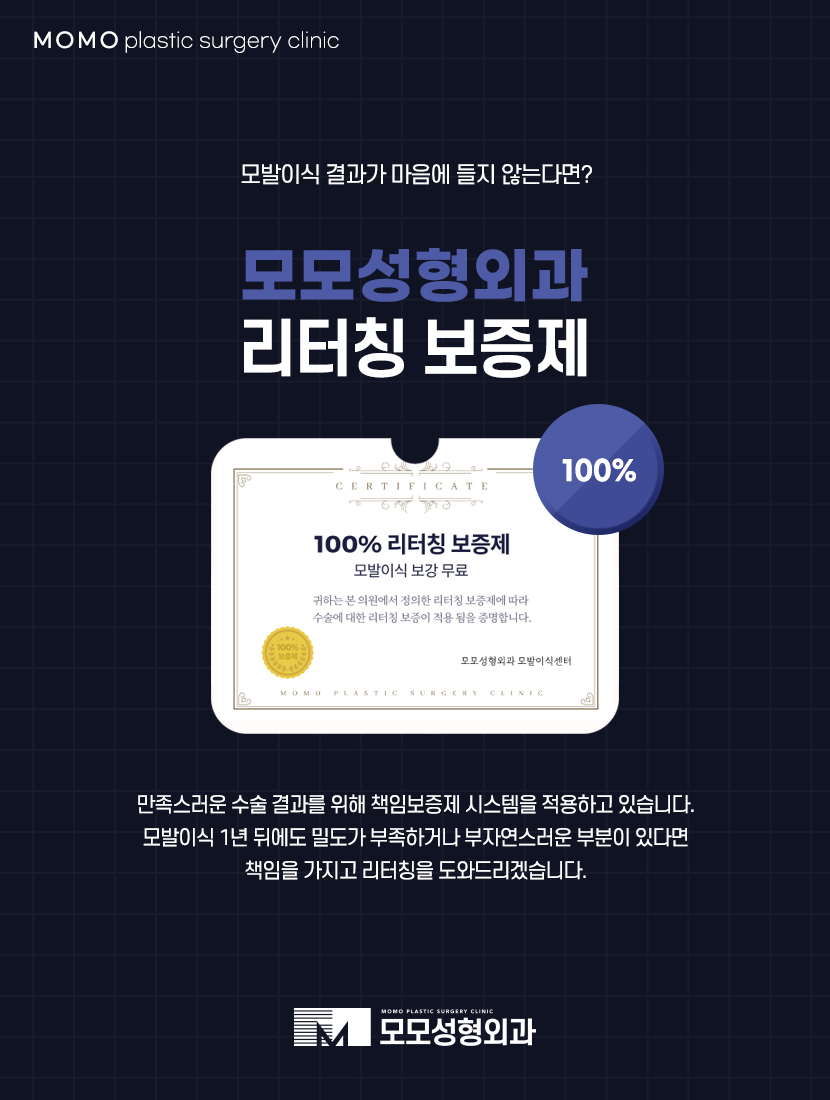
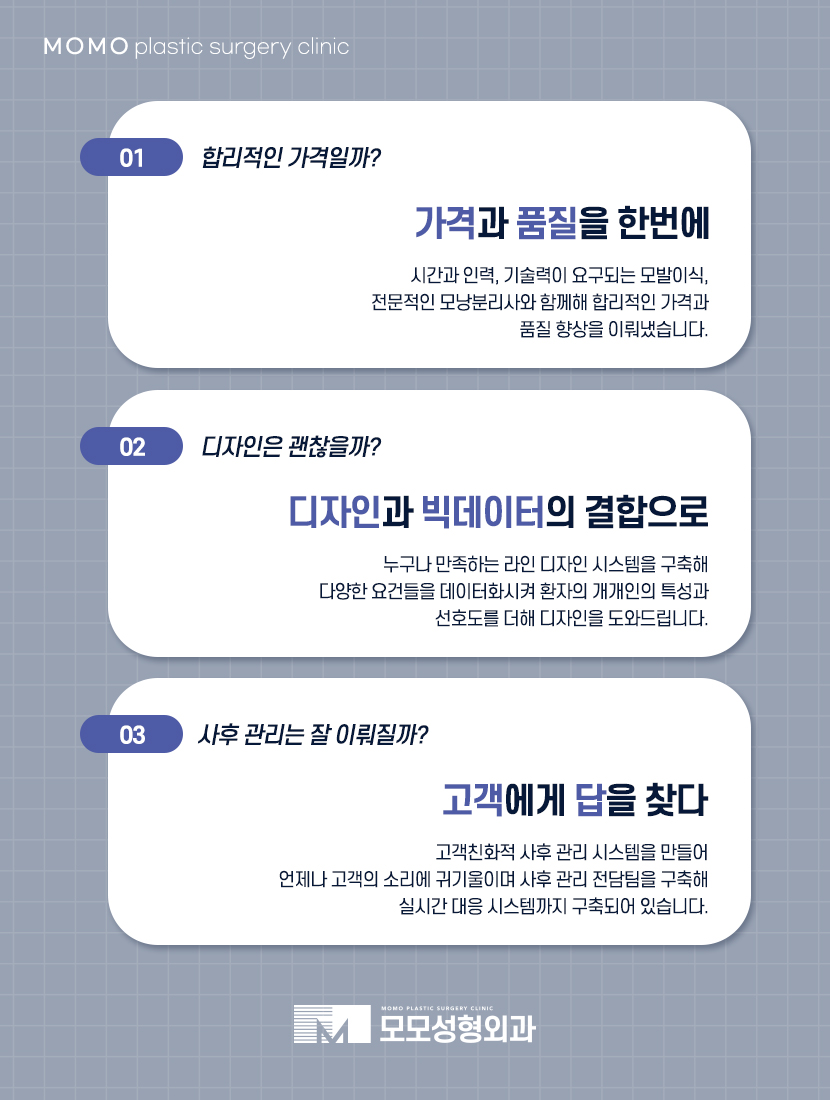
One year after the procedure, the density may seem
insufficient or some areas may feel unnatural, and you
may wonder whether you should simply adapt to it or
visit another clinic or hospital for an additional examination.
Therefore, it is advisable to check whether a responsibility
guarantee system is in place and whether the relevant
aftercare system is operating so that you can receive help
through retouching to achieve satisfaction.

It is best to find a natural personalized hairline that
takes your usual style and face shape into account. If
hair loss has progressed significantly and you want to
improve it through transplantation but are concerned
about pain, considering a sleep-based option may be
worthwhile.