The way hair grows is divided into four stages.
These are the growth phase, when hair length and thickness increase;
the catagen phase, when growth ends and stops;
and the resting phase, when hair may shed. About 1% of hair follicles are in the final stage, where hair falls out and then returns to the initial growth phase again.
This cycle repeats continuously.

It is generally said that losing about 50 to 100 natural hairs a day is normal.
However, if at some point it seems that the number of hairs falling out exceeds 100 a day, it is a good idea to suspect hair loss.
The causes of these symptoms include genetic factors, and they can also develop through a combination of various causes such as excessive stress in daily life or poor eating habits. In the past, it was often considered a condition common among men in middle age and older, but these days it is increasingly occurring regardless of age or gender.

As the number of patients experiencing hair-loss-related symptoms increases, if you suspect that you may have the condition, you should visit a clinic or hospital and, based on various tests, determine the cause and how far it has progressed. Appropriate treatment should be provided as well to help prevent it from getting worse.
If it is detected early and treated, symptoms may be improved through medication and other treatments. However, if it has been left untreated for a long time, the hair follicles may be permanently damaged and the hair loss has spread to other areas, resulting in a severe condition or worse. In such cases, reading non-incisional hair transplant reviews and undergoing the procedure may be a good option.
A method called the slit technique is used. It refers to the process of individually harvesting the necessary follicles from the back of the head and transplanting them to the desired area. Before inserting the tissue, small holes are made in the scalp in advance using a dedicated instrument with a width of 0.8 to 1.2 mm. Because the procedure is performed this way without cutting the skin, there is less burden from scarring, and bleeding and pain that may occur during the procedure are reduced, so the recovery period is also relatively short.
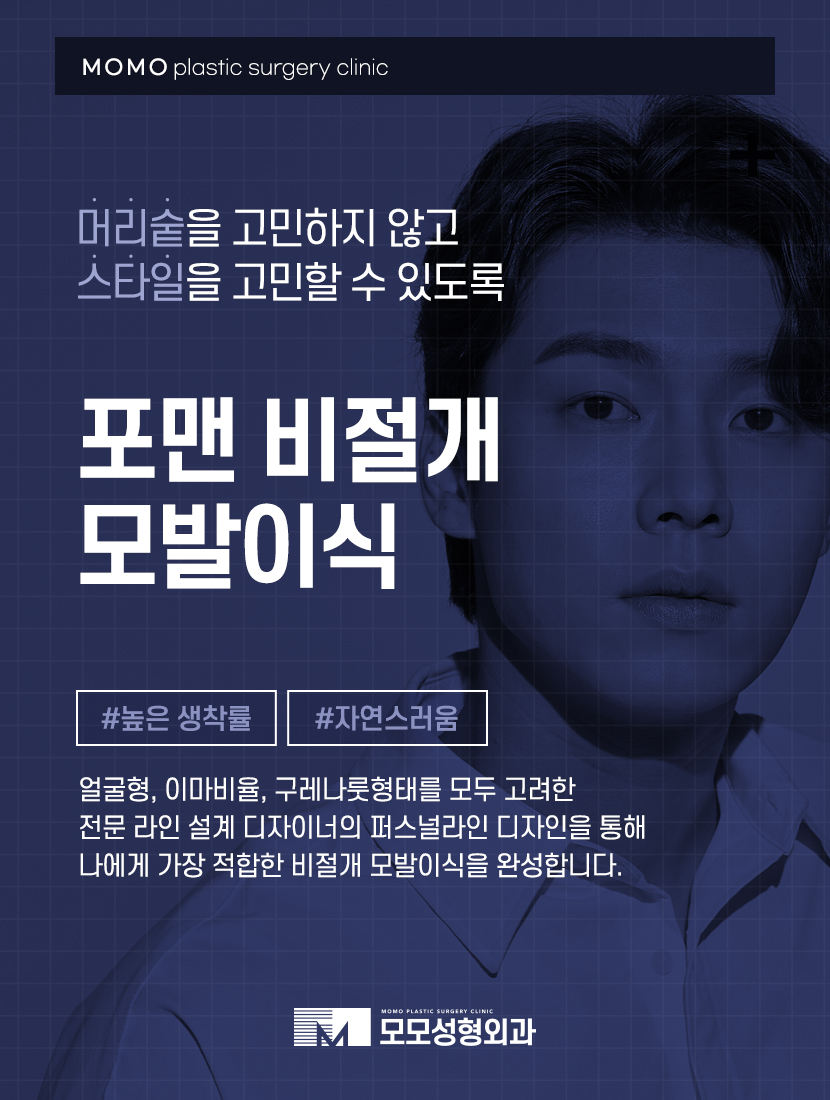
However, since each patient has different features, facial proportions, and characteristics, it is important to design a style that suits them well. When visiting a clinic or hospital, it is a good idea to check together with non-incisional hair transplant reviews whether they help patients receive the most suitable procedure through a personalized line design that considers everything from face shape and forehead ratio to sideburn shape, with a line design that is natural and not noticeable.
Among patients, many feel burdened by the procedure being noticeable. That is why many want the donor area to be naturally covered through cutting so that it is not easily seen by others. In non-incisional hair transplant reviews, it may also be good to consider and decide based on this approach.
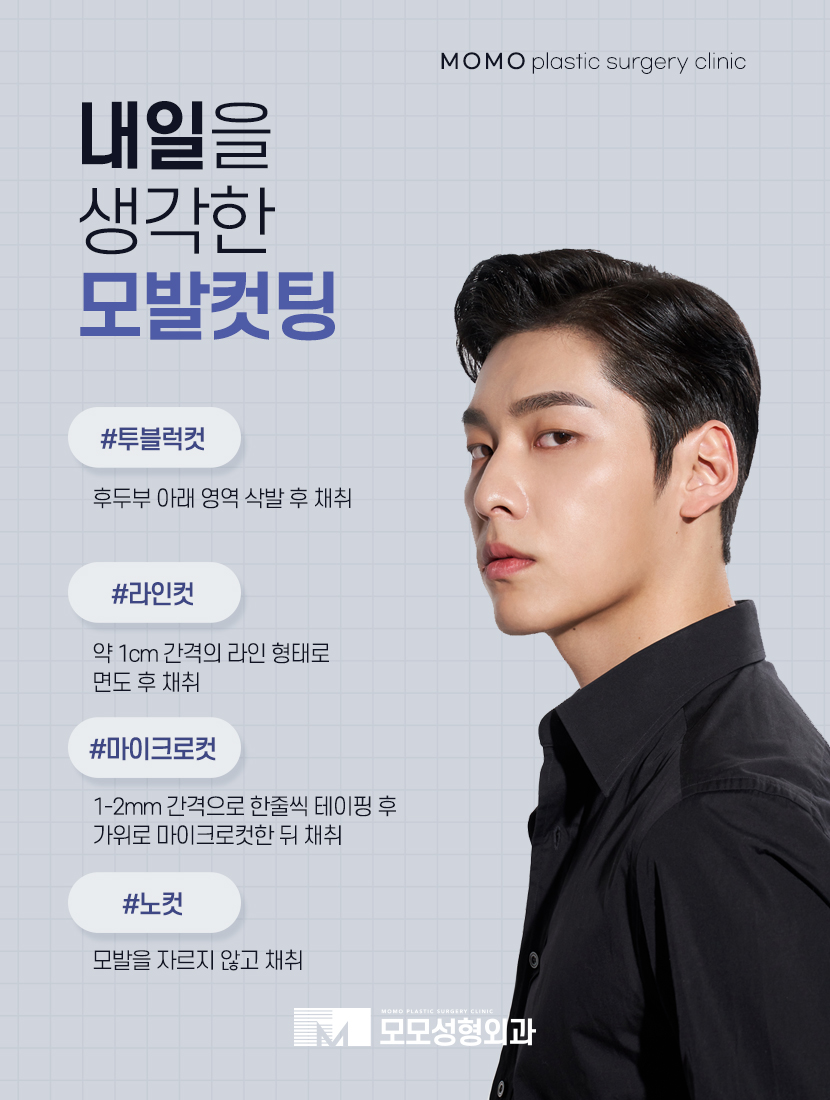
Usually, there are four types of cutting. After shaving the area below the back of the head and obtaining tissue, there is two-block cutting. There is line cut, where the hair is shaved in a line shape at intervals of about 1 cm before harvesting. There is also micro-cut, where the hair is first taped in single lines at 1 to 2 mm intervals and then cut with scissors before harvesting. And there is no-cut, which obtains tissue without cutting the hair. After the procedure, natural hair covers the area naturally, which has the advantage of making it less visible in everyday life.
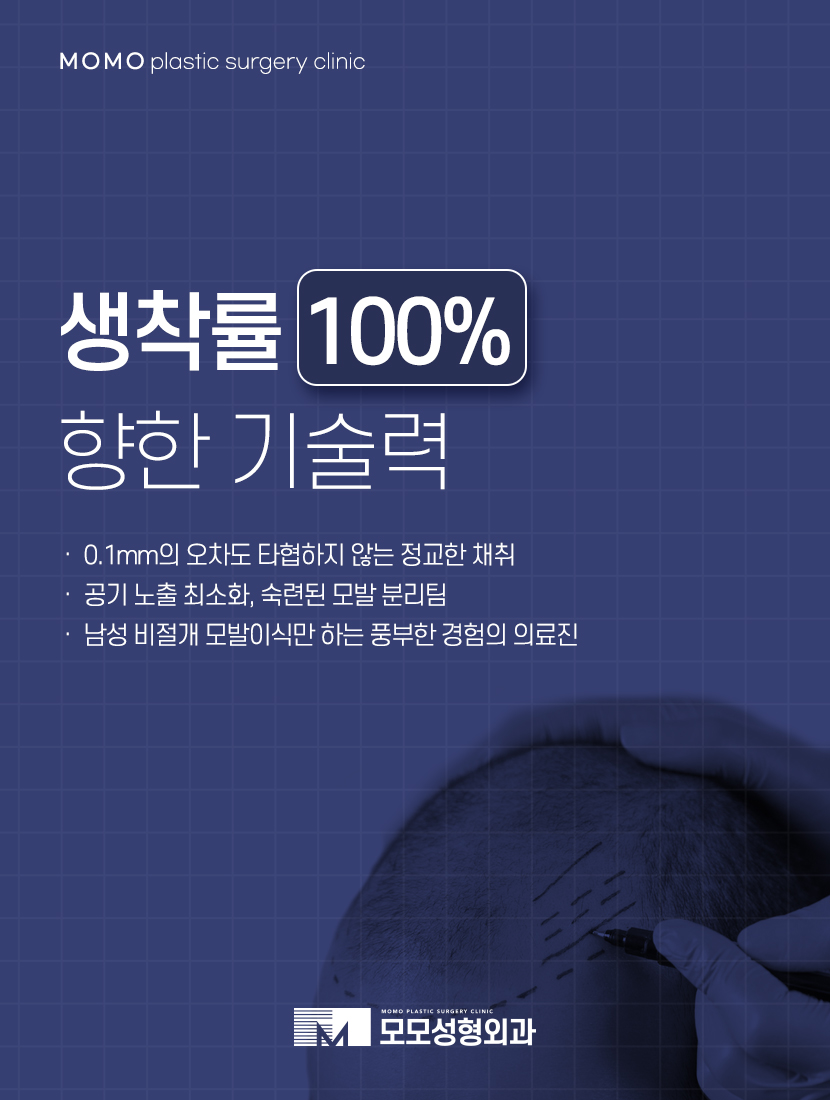
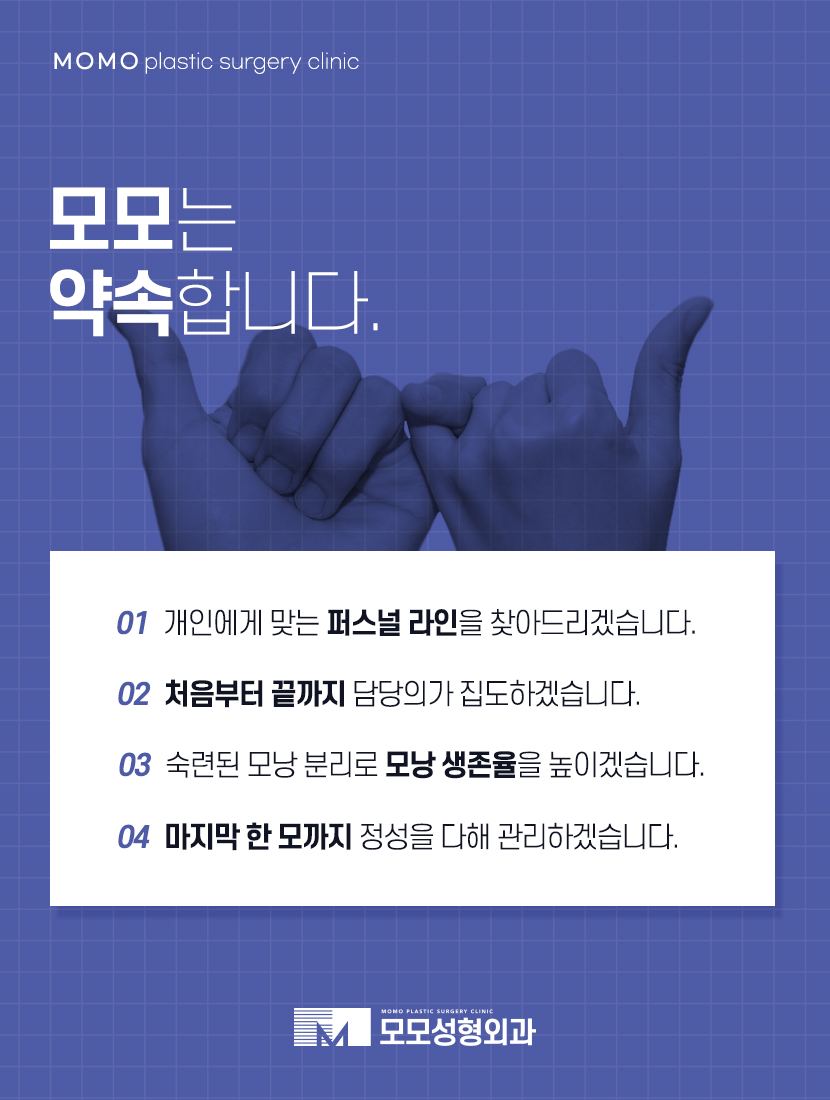
Just as important as the design is the graft survival rate. This refers to the proportion of follicles transplanted to the desired area that combine with the surrounding tissue and perform normal functions, and it is a key factor that determines the outcome after the procedure. To increase this rate, you should carefully check when reading non-incisional hair transplant reviews whether the tissue is harvested precisely so it is not damaged, whether air exposure is minimized, whether an experienced separation team assists directly, and whether the doctor in charge takes responsibility with extensive experience and know-how to create a beautiful result. Doing so can help you expect a better prognosis later.
When looking at non-incisional hair transplant reviews, you can see that care does not end immediately after the procedure but continues through aftercare. When choosing a related facility, you should also check whether such customized care is provided, so that problems later on do not lead to having to spend more time and money on additional procedures.
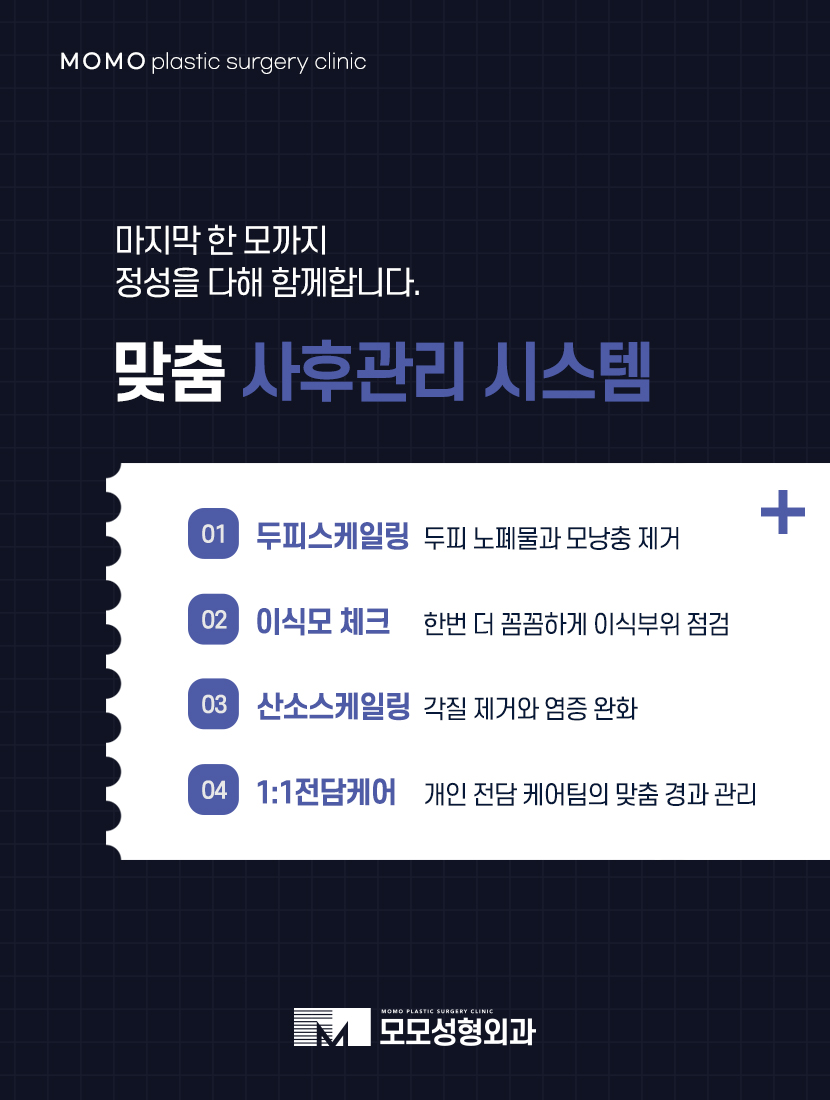
First, scalp scaling is performed to remove waste materials and demodex mites present on the skin, and to check whether there are any abnormalities in the transplanted area. After that, O2 scaling helps remove dead skin cells and soothe any inflamed areas. In addition, if you visit a facility that provides 1:1 customized care and follow-up management, and receive appropriate treatment, you will be able to see the changes that occur over time.
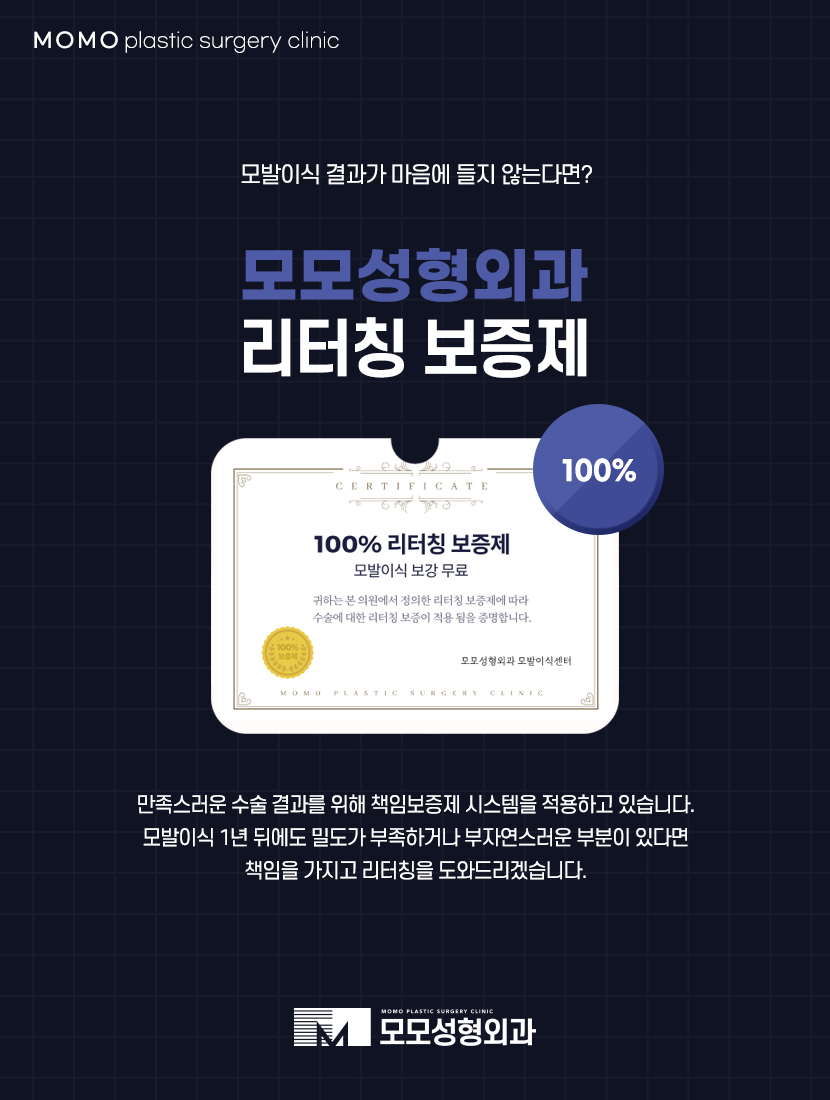
The problem is that sometimes the result is not satisfactory, and because the related facility does not take responsibility, patients may need to visit another clinic or hospital for additional procedures. Therefore, if there are still unnatural areas even one year after treatment, it can be even better to check through non-incisional hair transplant reviews whether the clinic operates a responsibility guarantee system that provides retouching.