In general, when the season changes and the humidity in the air drops, causing the skin to become dry, many cases see hair shedding worsen. As a result, when this season approaches, more patients also look into male M-shaped hair loss treatment for care. Some people expect recovery through functional products available online or on the market, but if the symptoms are gradually getting worse, it is important to visit a clinic or hospital before it is too late and receive appropriate treatment.
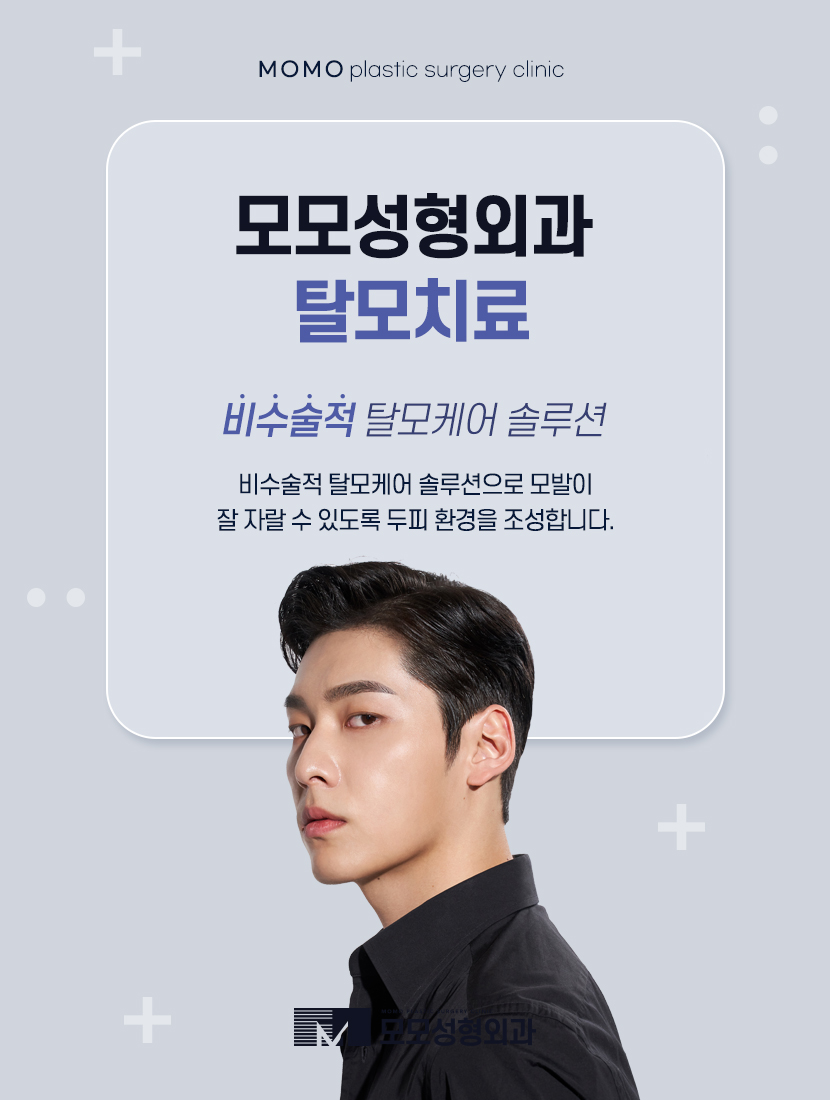
If hair loss is detected early when natural hair begins to fall out, treatment may help prevent it from worsening further and preserve valuable hair. But if it is recognized too late, it is likely to have already progressed to a stage that is difficult to improve even with medication, and as the scalp becomes more visible, some people who feel stressed about it may try to cover it with scalp tattooing.
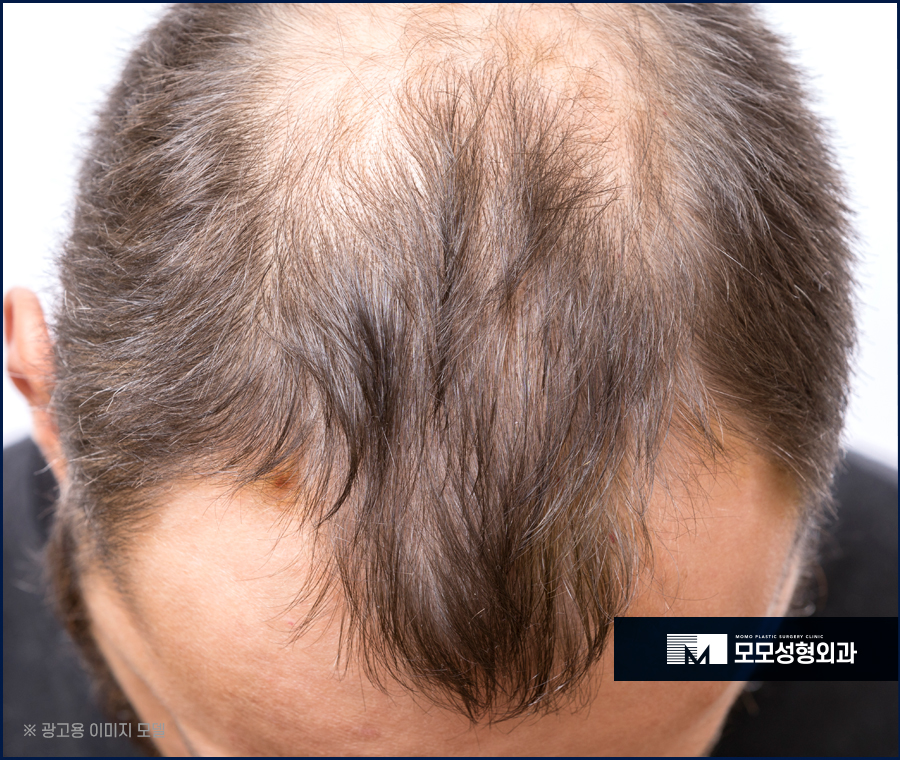
Some people may think that the reasons for these symptoms are only age-related aging changes in the body or genetics, but they can also occur due to severe stress, nutritional imbalance, or damage to the hair caused by frequent dyeing or perming.
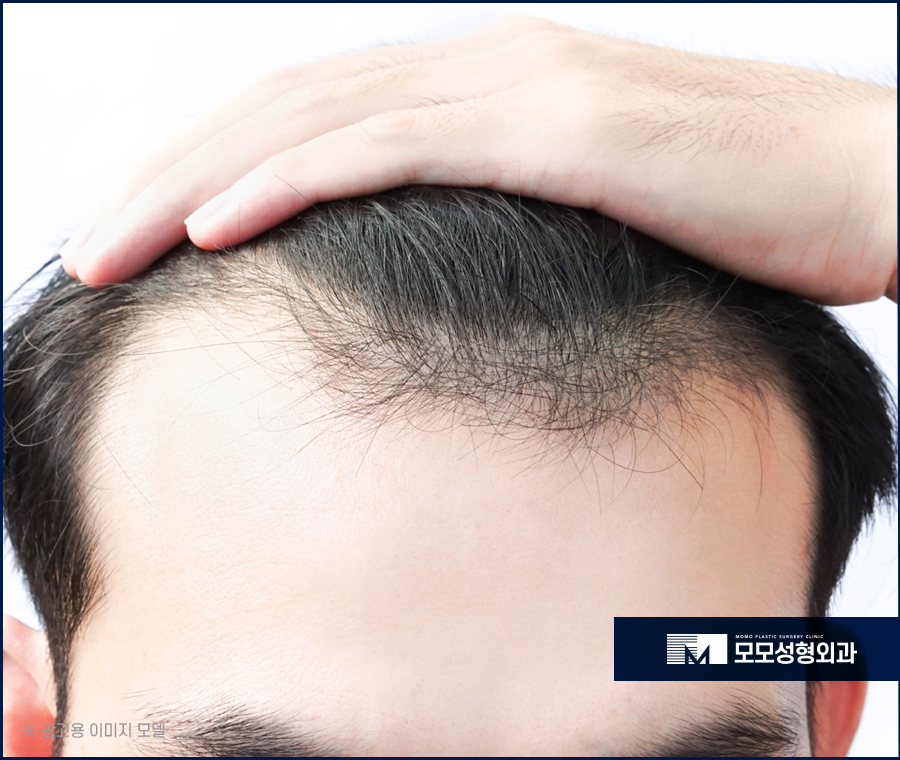
Symptoms once known as something exclusive to men in middle age and older are now appearing across a wider range of age groups due to various causes. As a result, the ages of those seeking male M-shaped hair loss treatment are also getting younger. If a problem develops at a young age, the rate of natural hair shedding can spread faster than in typical cases, so if you notice anything unusual, do not leave it untreated and visit a relevant medical institution right away for a diagnosis.
When undergoing male M-shaped hair loss treatment, an accurate condition is first assessed through a scalp diagnostic device, and the most suitable plan is established for the patient. Then O2 scaling is performed, using oxygen pressure and distilled water spray to cleanse aged dead skin cells, oxidized sebum, and toxins on the surface without irritation. In addition, an LED healing machine is used to increase hair thickness, regenerate the scalp, reduce inflammation and pain, and promote hair growth while improving recovery effects. If the condition is in an early stage, personalized hair-loss medication may also be prescribed through consultation with the attending physician. Such treatment must be maintained consistently for its effects to be expected, and it may be prescribed depending on the diagnosis as a preventive and supportive therapy.
If it has already spread extensively and reached a level where medication is unlikely to improve it, transplantation may be a good option. There are broadly two methods of treatment: incision and non-incision.
First, the non-incision method refers to collecting follicular units one by one from the scalp and transplanting them into the desired area. Because the skin is not cut and the follicles are extracted using tools, it has the advantage of relatively less pain and scarring. Many people also look for and visit clinics that can help create a natural and best-suited style through personalized line design that considers the shape of the face, forehead proportions, and sideburns.
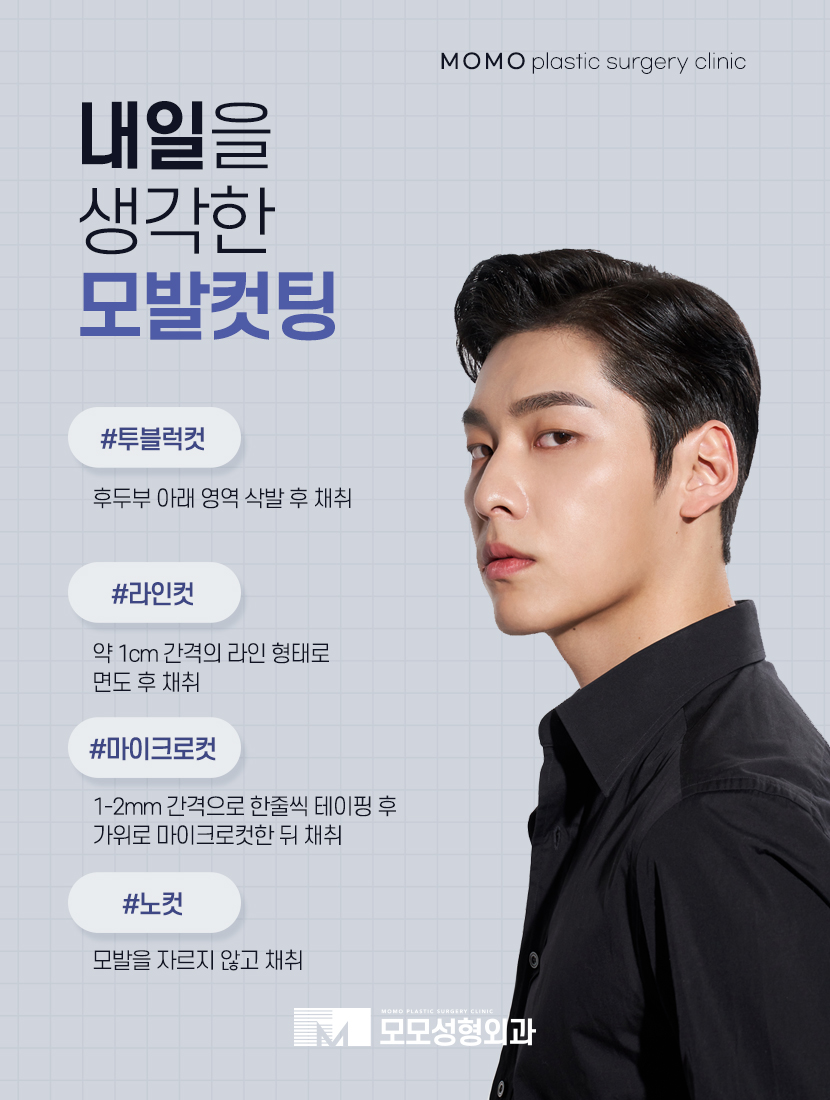
Some people worry that it may show while undergoing such a procedure, so they also look into male M-shaped hair loss treatment that naturally covers the extracted area through cutting so it is not easily noticeable in daily life. There are options such as two-block, line, micro, and no-cut, and because natural hair covers the area from which the follicles were obtained, many people choose this if they are concerned about it being visible from the outside.
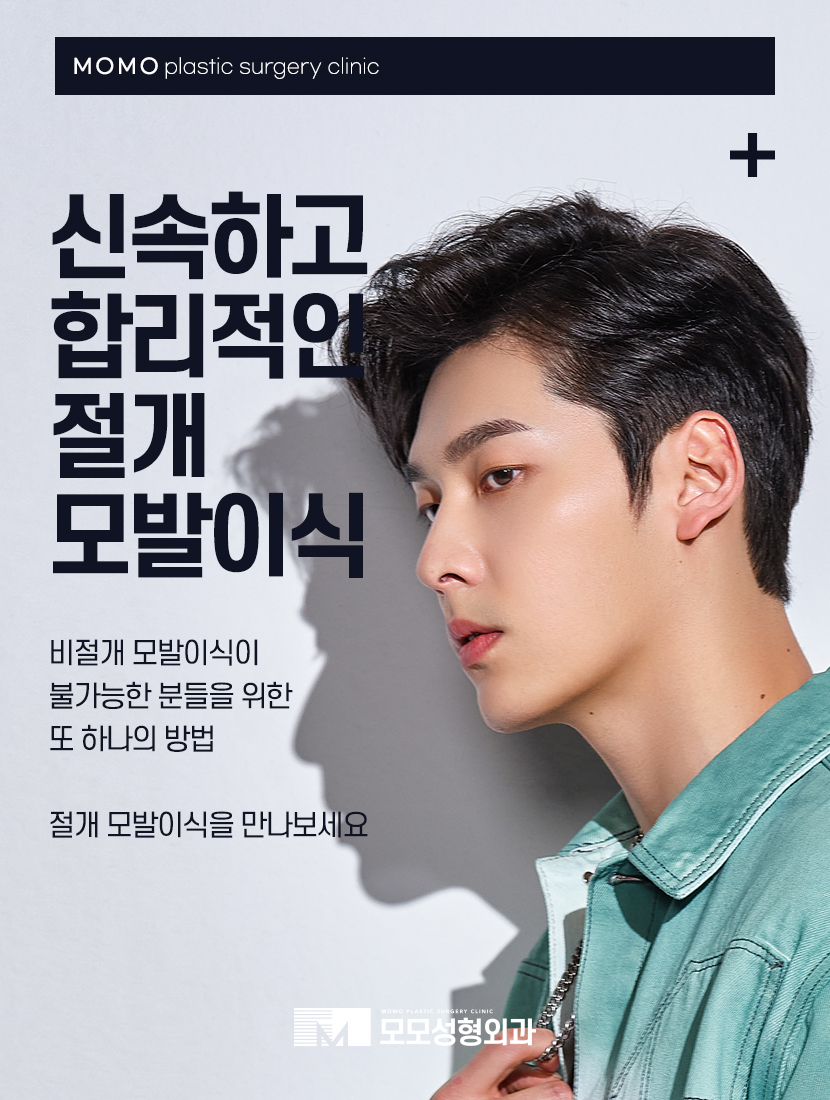
Next is the incision method, which can be described as cutting the scalp from the permanent area at the back of the head as needed and then transplanting healthy follicles into the thinning area. Because of this, you may worry about pain during the procedure or possible scarring afterward. Patients looking into male M-shaped hair loss treatment for these issues also tend to pay close attention to the Double Lock suturing method.
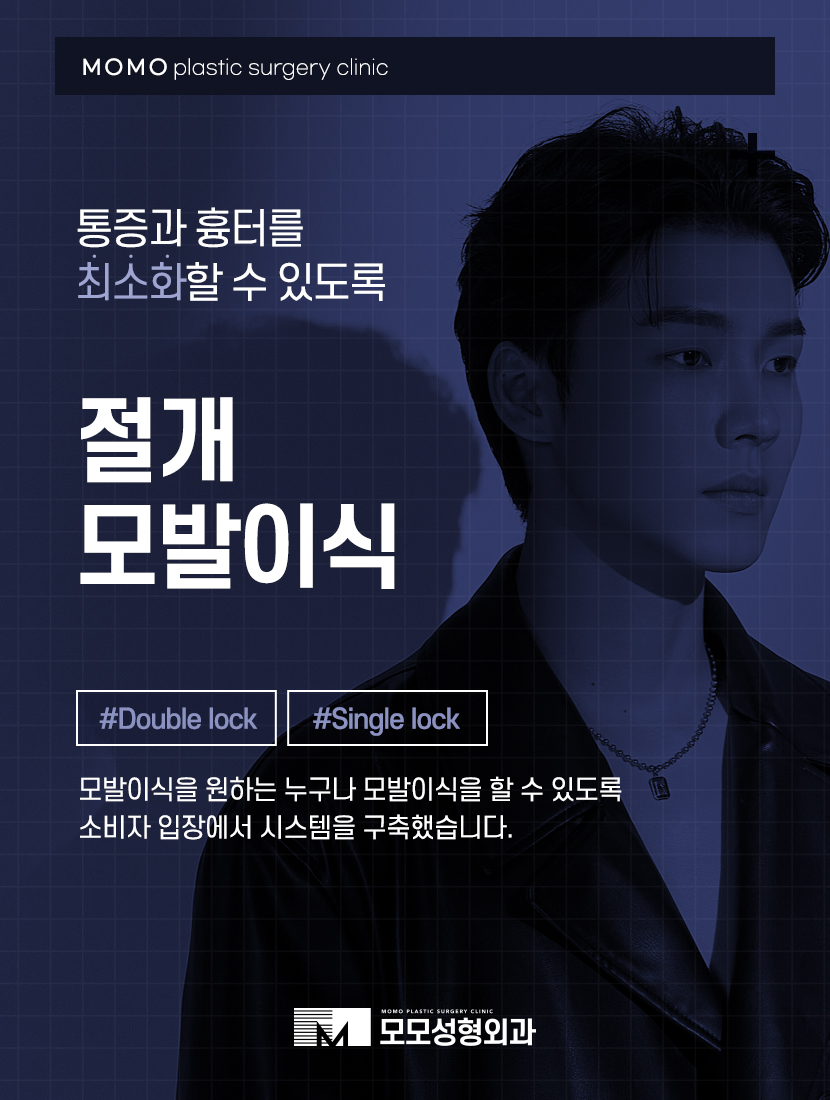
First, Single Lock sutures up to the subcutaneous tissue to prevent scars from widening and to prevent pain from becoming severe due to pulling. In addition, the suturing is done immediately in front of the area where the procedure is performed so that the follicles are not damaged and natural hair can still grow in that location.
Double Lock, on the other hand, connects the sutured surface after extraction while preserving the cellular layer, allowing hair to grow even in areas with scars and helping to cover the marks.
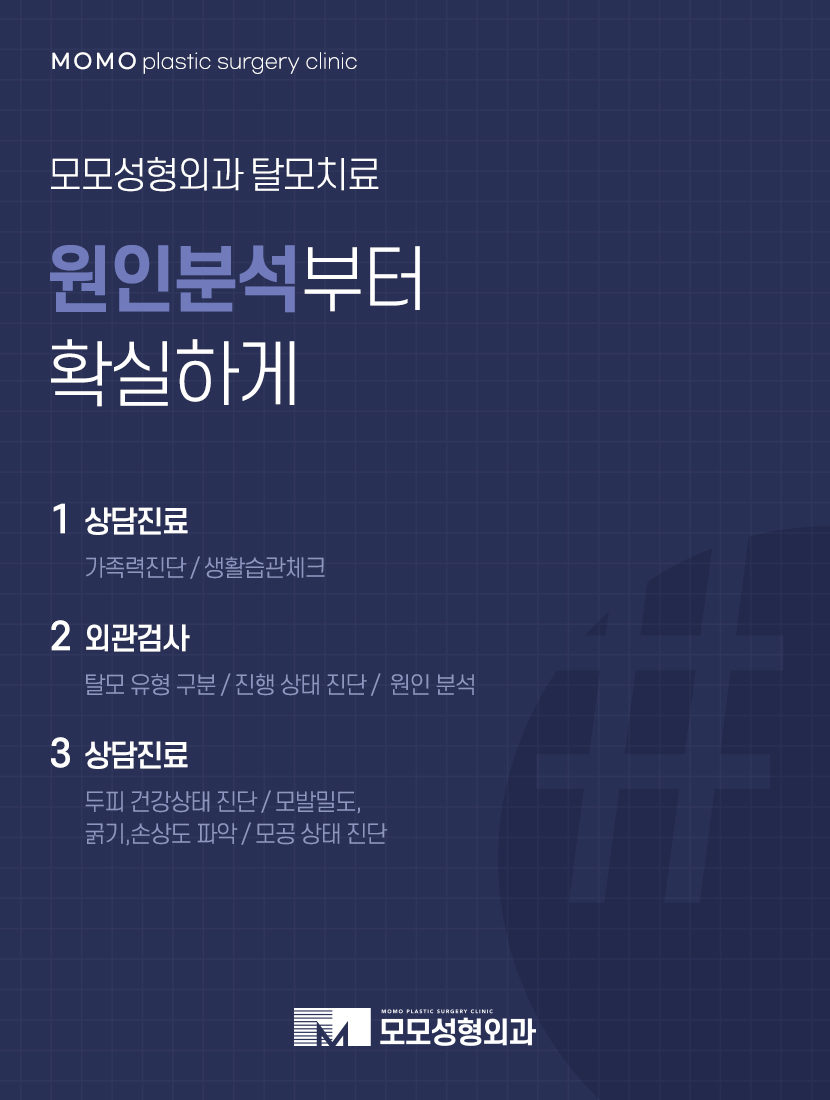
Even so, pain and scarring can still occur, but it has the advantages of a shorter operation time and lower cost. For patients who need a large amount of grafts in a stable manner, cases with a small amount of hair available for extraction, or younger patients whose symptoms are progressing quickly as mentioned earlier, male M-shaped hair loss treatment can be a good option.
It is only a difference in the method used, and there is no process that is inherently better or worse in terms of graft survival rate. For the details, it is best to visit the clinic or hospital directly, receive a consultation and thorough diagnosis, and decide with the attending physician on the method that is appropriate for you before proceeding if you want to expect a good prognosis.