Hair maintains the body’s temperature and
protects the scalp,
but in today’s world, where appearance is highly valued,
hair loss can become a major complex,
so it is judged that reinforcement is needed. To fill in
what is lacking and create a new change in one’s image,
people may undergo care through various methods.
In particular, natural hair loss, once considered
the preserve of middle-aged and older adults,
has begun to occur in younger age groups as well,
because it happens for a variety of reasons rather than
just heredity. As a result, it is becoming a very large concern
for people who are sensitive about their appearance.
As hair strands gradually become thinner,
lose strength, and fall out easily, people often
end up seeing a sparse appearance. As the population
experiencing this kind of natural hair shedding
continues to grow, more people today are considering
surgical reinforcement.
When looking at treatment options, taking medication
used to be in its heyday, but because the effectiveness
varies greatly from person to person and because hormonal
medications can have negative effects on the body,
more people have recently been shifting toward correction
through surgery. There are largely two types of procedures
used at this time.

One method involves making an incision in the scalp
at the back of the head, where hair loss has less effect,
to harvest the needed amount of follicles and then transplanting
them into the empty areas. The other is the non-incisional
method, in which each piece of tissue is collected and transplanted
using a fine punch blade. In the past, the incisional method,
which had a high graft survival rate, was often used, but as
medical technology has advanced, the survival rate of individual
transplants has also increased, so the difference is now sometimes
considered negligible.

Because this is a procedure carried out through various processes
and methods, it is important to check different factors for each person
and proceed with the most suitable approach. When considering and
deciding on treatment, there are many points of concern, and people
often focus on how much improvement can be expected, the cost involved
depending on the surgical method, and what the pain level of non-incisional
hair transplantation is like.
The pain that occurs afterward in non-incisional hair transplantation can
vary depending on the person and the method, but it is often pain from
anesthesia. General anesthesia is usually used only for major surgery,
and sedation is mainly used for endoscopic examinations or procedures
for cosmetic purposes. Local anesthesia is also used when extracting
a tooth, when root canal treatment is needed, and to reduce the pain
of non-incisional hair transplantation.

Therefore, for this procedure, rather than using general anesthesia,
which carries risks, local anesthesia or, in some cases, sedation is used
after considering safety. This can be determined by various factors,
such as each person’s condition and degree of sensitivity, and rather
than choosing on one’s own, it is advisable to make the decision after
sufficient consultation with the attending physician.
If compared by treatment method, the incisional approach involves
cutting the scalp with a knife, harvesting the desired follicles,
and then suturing the area, so pain naturally accompanies the process,
and concern about scarring also increases.
For that reason, compared with non-incisional hair transplantation,
it can involve a higher level of pain, and the discomfort may last longer.
However, with the non-incisional method, there may be a stinging sensation
during anesthesia, but because the process is carried out with a very small
punch blade, only healthy follicles can be harvested, and the symptoms are
classified as relatively mild.
Recovery time is also relatively short, and although the procedure itself
takes a lot of time, the aftereffects are minimal, so a quicker return to
daily life can be expected. Perhaps for this reason, it is also favored by
people who find it difficult to have spare time because of a busy social life.
As medical technology continues to advance day by day, more people prefer
methods that reduce physical burden, and because the aftereffects are fewer
and recovery time is shortened, some people sometimes think that
non-incisional hair transplantation involves no pain at all. However, this is
not uniform and can show large differences from person to person, so it can
be said to be a highly subjective matter.
Because there are clearly differences in the degree of pain from person to
person, it is difficult to list them as equal. However, since everyone has a
desire to avoid pain, if you are considering the procedure, it is advisable to
allow for some recovery time in order to reduce the pain of non-incisional
hair transplantation.
Because the non-incisional method requires a lot of time for the procedure
due to its characteristics, if you want to shorten the surgery time, you may
choose to proceed while setting aside concerns about pain. However, because
it tends to be relatively painful, if you want to reduce the burden, it may be
more appropriate to consider the method of harvesting each follicle one by one.
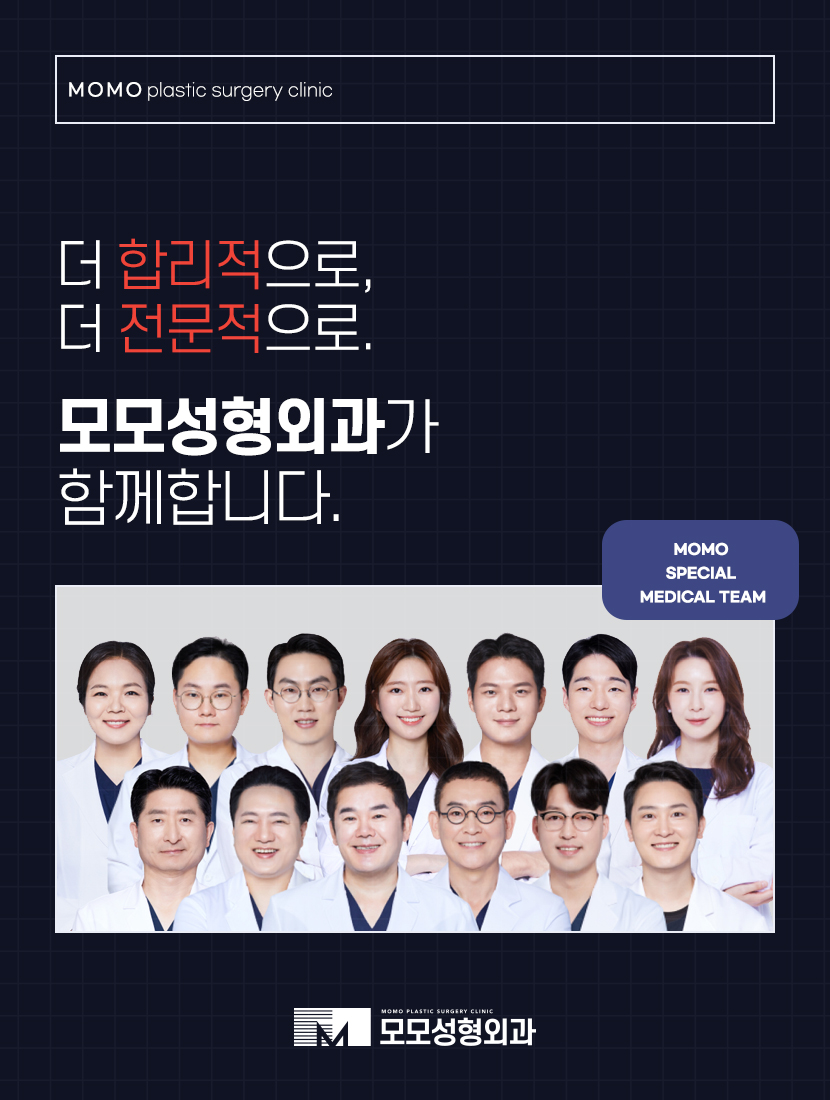
That said, rather than focusing only on pain, it is also important to
consider various factors and proceed with the method that suits you best,
so that satisfaction with the outcome can be improved and the prognosis can
also be successful. Since this is a matter that can be decided only after
deep consultation with the attending physician, it is necessary to check
what kind of skill and experience the medical staff have.
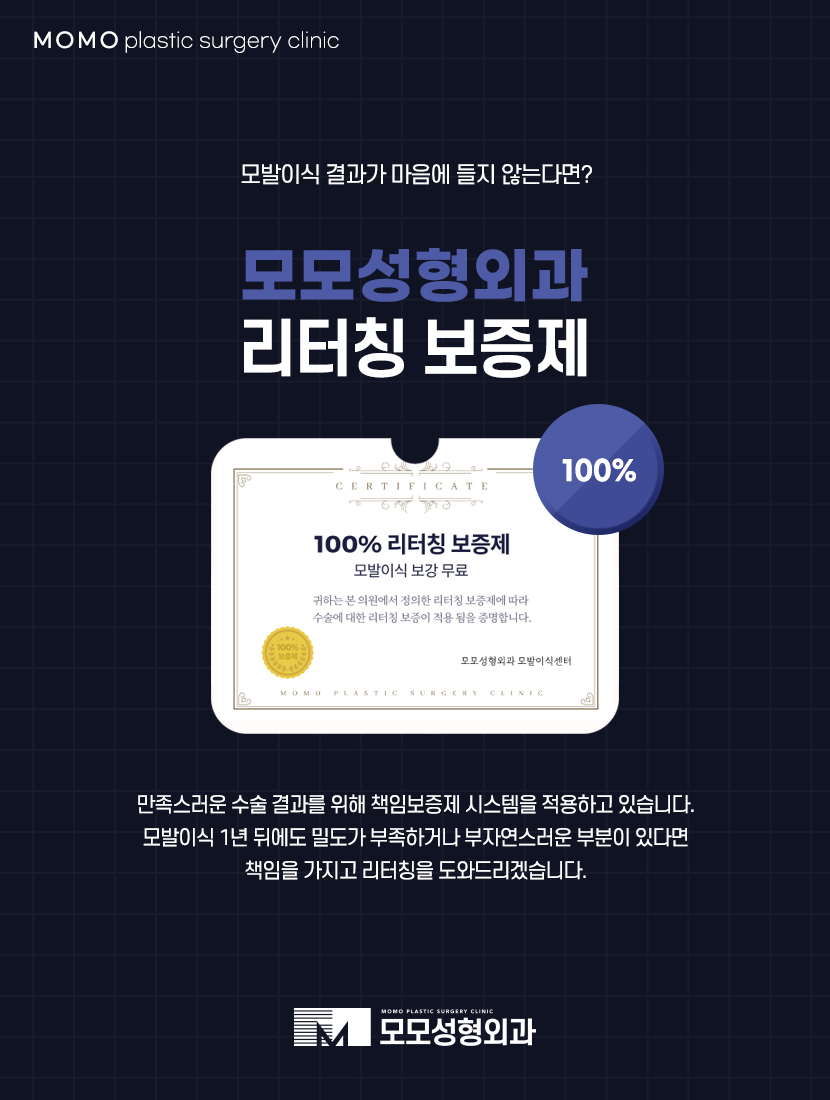
Because the procedure is relatively difficult, requires skill,
and must be supported by technical expertise, it will be best to work with
medical staff who have a variety of clinical cases and strong skills,
which can further improve the quality of the result.
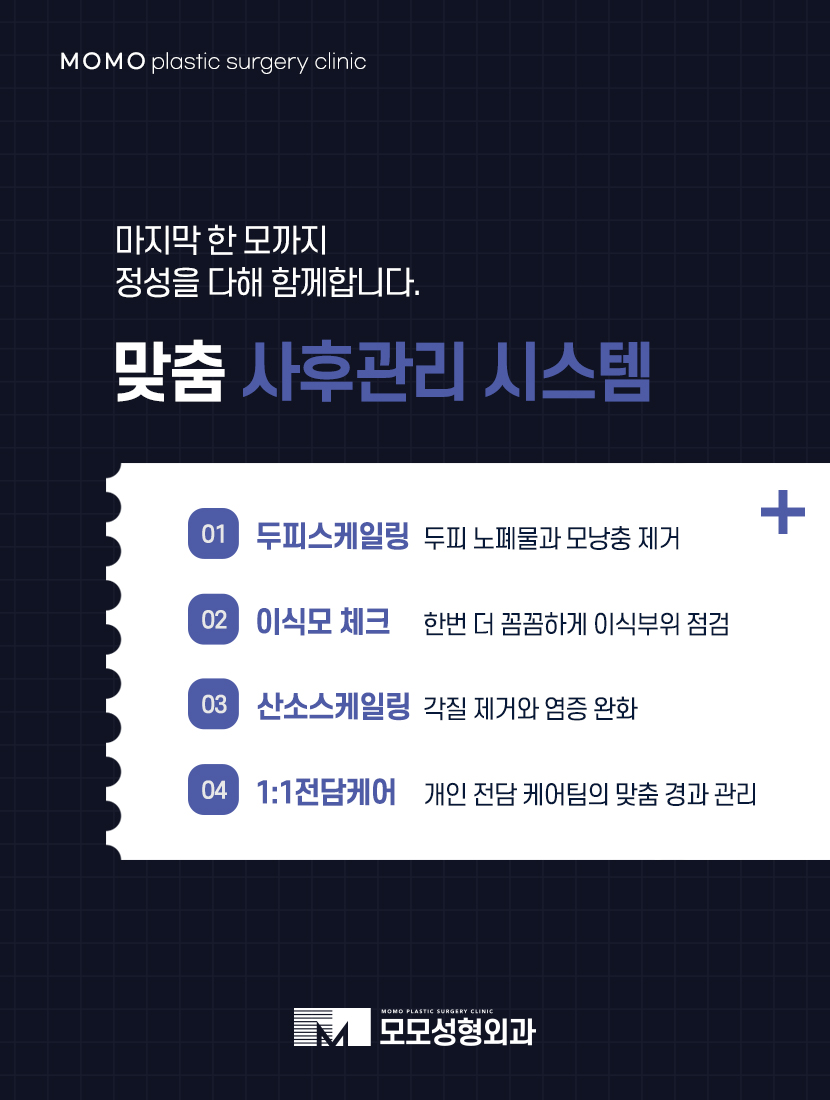
Rather than ending with the procedure itself, you should also pay close
attention to personal aftercare in order to maintain a high graft survival
rate after treatment. If you also confirm whether the relevant institution has
a thorough aftercare system in place, you will be able to face a much more
satisfying outcome.