On average, about 50 to as many as 100 hairs fall out per day.
This is considered a natural phenomenon, and depending on the growth cycle of natural hair,
the rate at which hair sheds and the period until it grows back
can vary. However, if the amount of natural hair
falling out increases more than usual, the hair volume
decreases noticeably, or you feel that the hair is
becoming thinner or losing elasticity, it can be
a situation where you should suspect hair loss.
In many cases, symptoms appear due to genetic factors,
but recently, it can be said that cases caused not only by such congenital
causes but also by external influences have increased.
When under severe stress, a circular
shedding problem can temporarily occur,
but in most cases, once symptoms begin,
they do not stop and often progress to a severe level.
Because of this, there can be major aesthetic changes.
Also, hair loss symptoms have long been strongly
recognized as a phenomenon caused by hormonal changes in middle-aged and older adults,
but recently, it has become a problem experienced by people of all ages,
regardless of gender, and the number of people worrying about
M-shaped hair loss in their 20s has also increased significantly.
As there are various reasons,
it can be difficult to identify a specific cause, and this means
that the age range is also becoming more diverse.
In particular, many people complain of stress from
M-shaped hair loss in their 20s as the hairline changes due to reduced density in the front.
The younger a person is and the more interested they are in appearance management,
the more serious a complex this problem can become when it starts to appear.
If a person has a genetic predisposition, there may be a
chance to prevent it early, but if it suddenly develops,
it is only natural to feel flustered and concerned.
If M-shaped hair loss starts to appear in men,
the hairline around the forehead gradually recedes,
which can greatly change the impression, making them look older than their actual age.
If the shedding of natural hair begins at a young age,
the progression may be faster, so it is advisable to visit the relevant medical institution without delay
and receive a consultation from the attending physician.
If the condition is detected early and treatment can begin,
it may be possible to induce improvement with medication rather than surgery.
However, if the timing for action has already been missed,
it may be difficult to improve with medication alone.
Therefore, procedures such as hair transplantation can be considered,
but surgical methods can be burdensome in terms of time for people with
M-shaped hair loss in their 20s.
Because a procedure is involved, it can be difficult to have enough time for recovery while working.
For such people, non-incisional hair transplantation can be an alternative.
After the procedure, it reduces inconvenience in daily life,
does not change the existing hairstyle,
and is a method of individually extracting the follicular units needed from the back of the head.
After the procedure is completed, the above natural hair is allowed to fall downward,
so it tends not to be very noticeable from the outside.
It is a procedure optimized for a quick return to daily life.
Using a tool called a punch with an inner diameter of about 0.8 mm to 1.2 mm,
the follicular units are extracted, and because there is no incision involved,
there is no damage to the scalp, so the process itself differs from excision.
For this reason, it is also preferred by people who feel burdened by shaving their head.
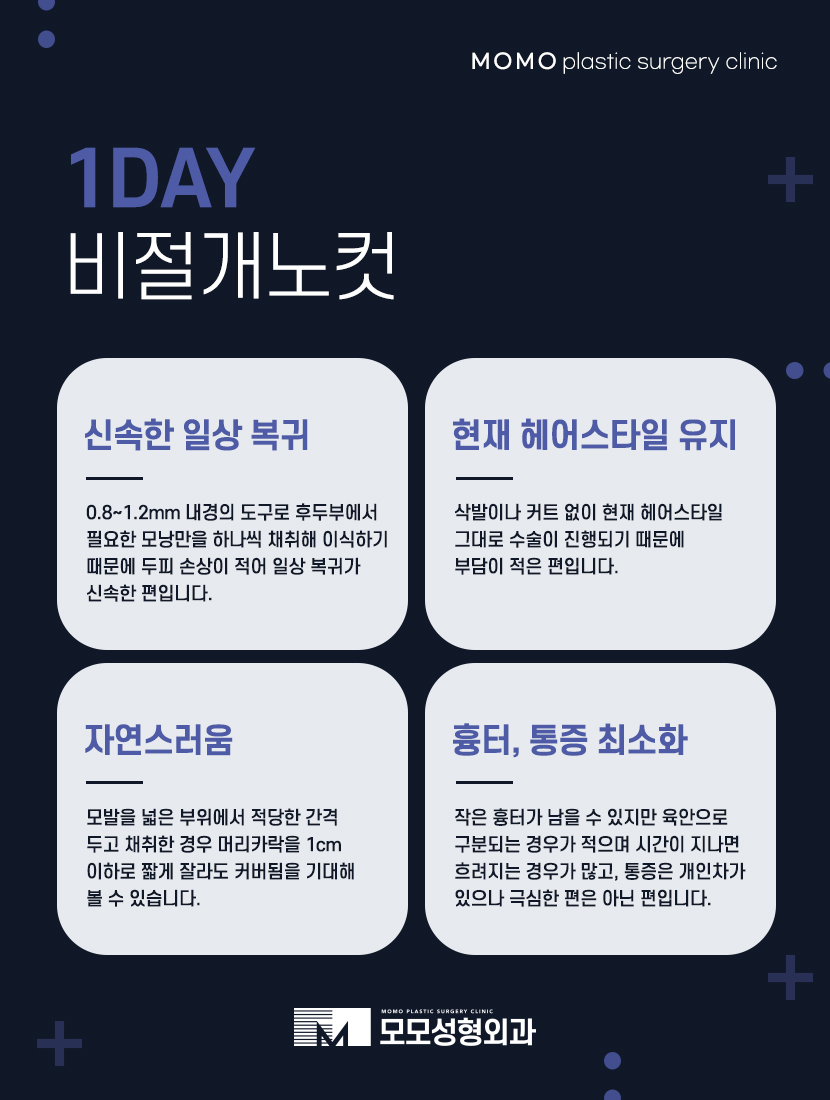
In addition, if the follicles are extracted at appropriate intervals,
even if the hair is cut to less than 1 cm, the scar will not be very visible.
Because it is easy to cover, it can be said to be a highly regarded method.
Pain is also relatively mild, and the physical stimulation to the body is limited.
However, on the day of surgery, you may feel some pain after the anesthesia wears off,
so taking the prescribed painkillers can be one way to ease it.

As such, even if you are stressed by M-shaped hair loss in your 20s,
there are ways to improve it, so for those who find it difficult to have enough time,
this may be a good option to consider.
Because you can expect direct improvement,
it may be the method that allows you to feel the before-and-after difference most clearly among current solutions.
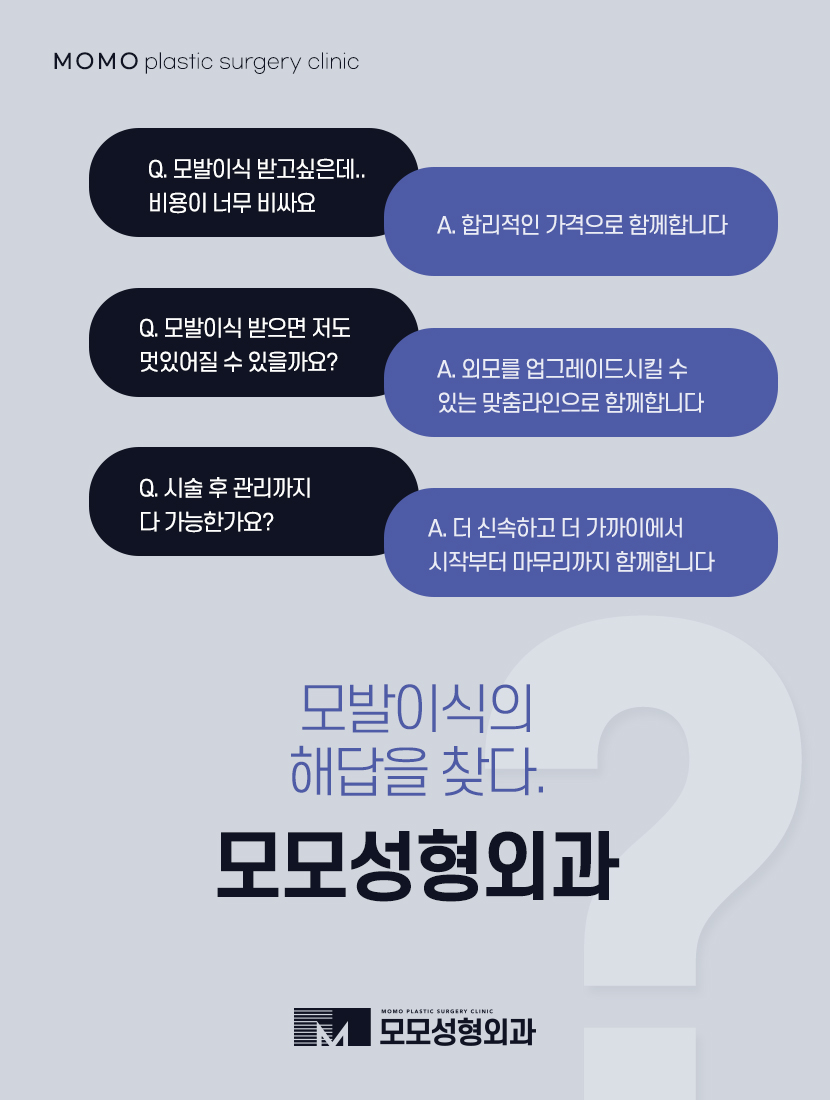
If you are considering it, the procedure process and cost vary depending on the individual's condition,
so it is best to first visit the relevant medical institution and begin with a diagnosis based on analysis.
After sufficient consultation with the medical staff,
it is recommended to establish a treatment plan with an appropriate method for the individual.
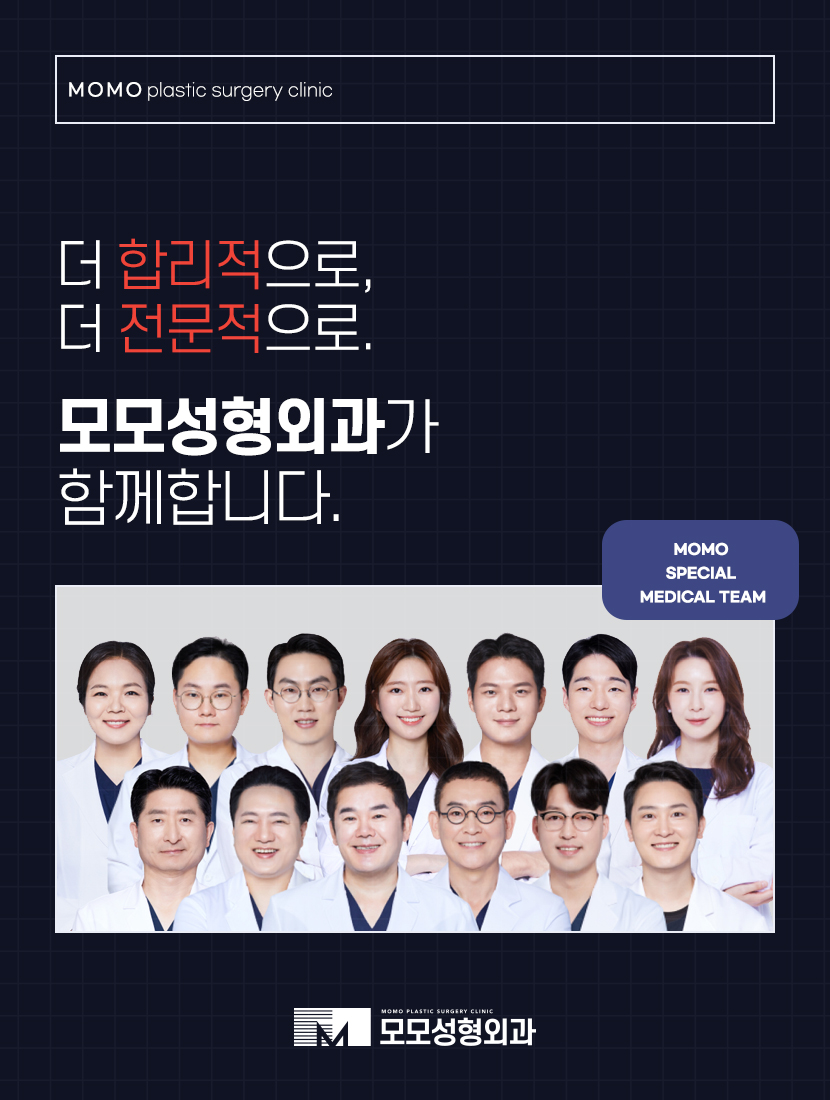
Because the patterns differ from person to person,
a detailed diagnosis must be accompanied, and to increase satisfaction with the prognosis,
it is recommended to visit a relevant medical institution where a doctor with ample experience and know-how is present.
As this is a problem experienced by 1 in 5 people in Korea,
M-shaped hair loss has also established itself as a common symptom.
In particular, it is a fact that more and more people are experiencing stress,
so we recommend actively managing stress in daily life.
If the problem has already occurred, it would be desirable to address it promptly
so that it does not progress to a severe level.