When environmental changes occur,
or when there are changes including physical issues,
affected skin naturally develops breakouts.
To ease this, people may take enough rest
to help the body feel more comfortable,
sometimes they may have the area extracted,
and in some cases they visit a medical institution
to receive medical help and relieve it. In this way,
people often care for breakouts that appear on the face
through various methods, but if they appear on the scalp,
it can be difficult to know how to respond.
Many people are probably wondering why they appear,
what the causes of scalp pimples are,
and what methods can help improve them.
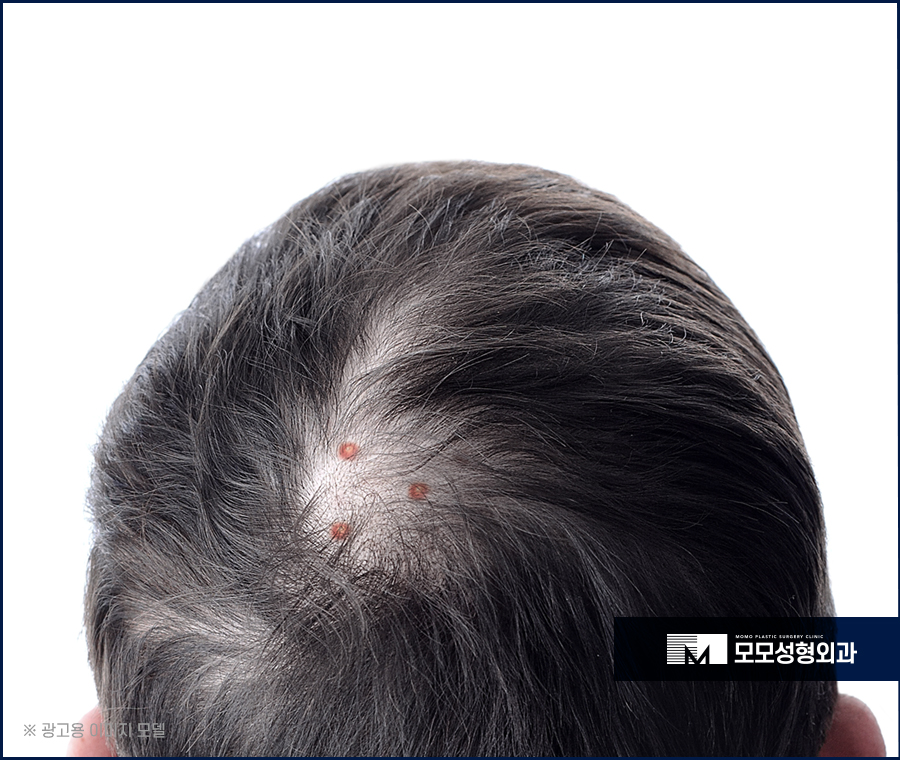
Therefore, today we prepared content focused on
breakouts that appear on the scalp. If you have ever
experienced a breakout that feels raised when washing
your hair or touching the scalp with your fingers,
you have likely experienced it at least once.
This is a symptom caused by folliculitis, and it can
be accompanied not only by pain but also by itching.
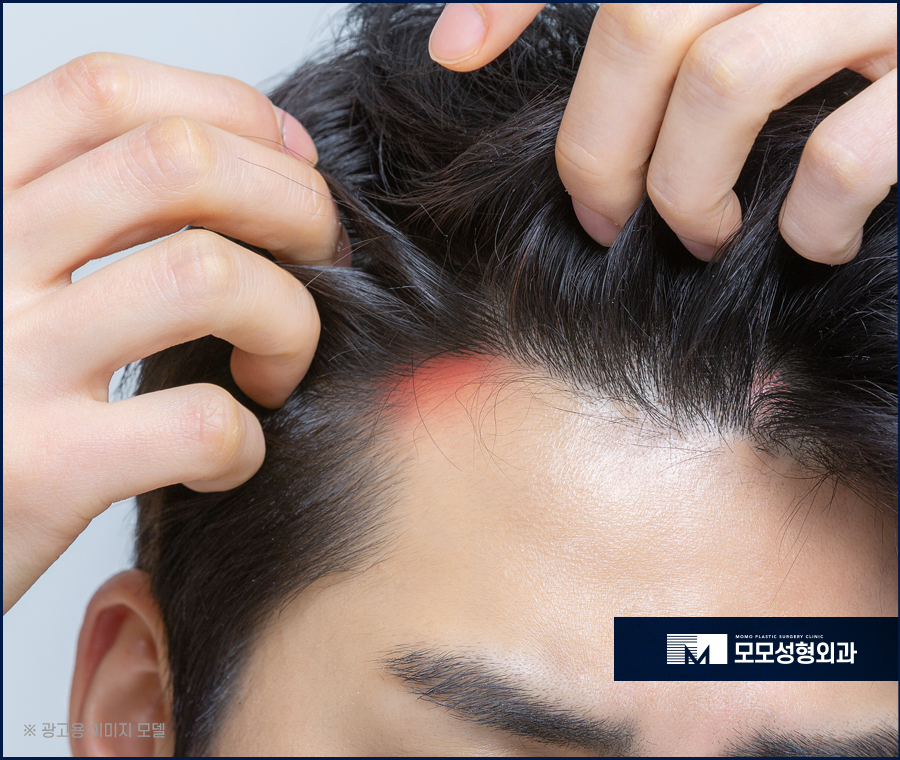
Most people tend to leave it alone, assuming it will
disappear naturally like other skin breakouts, and in
fact, if it is not touched, it may gradually improve.
However, if it is severe, more than ten breakouts may
appear, and they may repeatedly form and disappear.
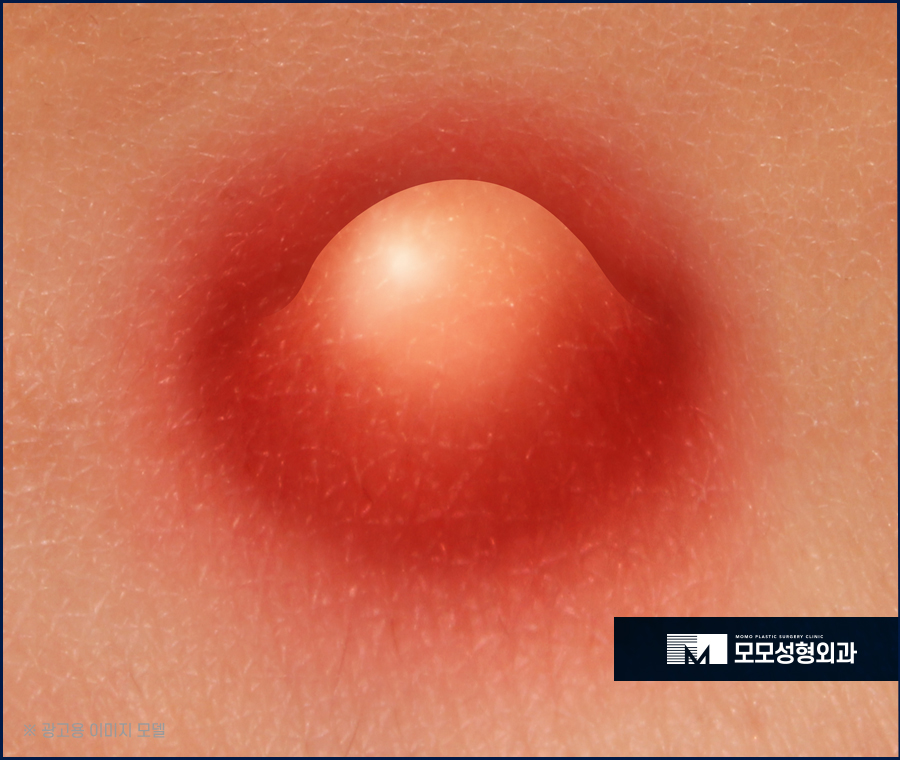
So let’s take a closer look at what causes scalp pimples.
In the case of folliculitis, it refers to a condition in
which bacteria or fungi enter the pores and cause
inflammation. At first, it only shows redness and
swelling, but in severe cases, pus fills up, and after
that bursts, leaving behind a scab or creating dead
skin flakes.
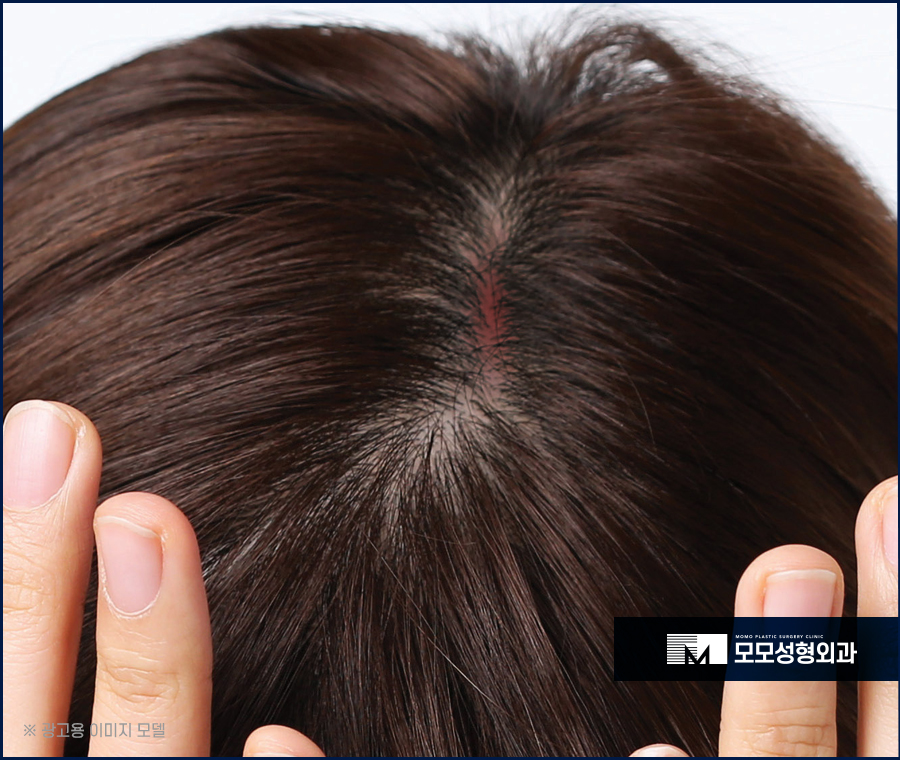
Later, it improves, the dead skin flakes fall off,
and it disappears while leaving behind a slight red mark.
Sometimes people confuse folliculitis with seborrheic
inflammation, but since it occurs inside the pores,
if the infection becomes severe and the degree of
inflammation increases, it can eventually lead to damage
and cause the hair to be pulled out.
Because damaged follicles caused by inflammation can
often be difficult to recover, if you suspect this,
it is best to visit a relevant medical institution as
soon as possible and receive appropriate treatment.
If you are already experiencing hair loss, the addition
of folliculitis can lead to a more serious situation,
so it is even more important to know the causes of scalp
pimples and pay attention.
When hair loss occurs and you undergo hair transplantation,
the process involves harvesting and implanting natural
hair from the occipital area, which is less affected,
to fill in the missing areas. In fact, when hair
transplantation is performed, the occipital area is
often known to be strong enough to have no issues.
However, if it is exposed to folliculitis, it may not
remain intact, and natural hair shedding symptoms can
also occur in that area. If it develops in a person who
already has symptoms, it can cause an even more serious
situation, and even if you respond after the condition
has already worsened, it is often difficult to see
clear results.

In fact, the skin on the scalp is known to be very
strong, so inflammation caused by bacteria or fungi does
not easily occur. But once it starts happening, the
chances of recurrence also increase, and as the pattern
of disappearing and reappearing continues over time,
defense function can be significantly weakened.
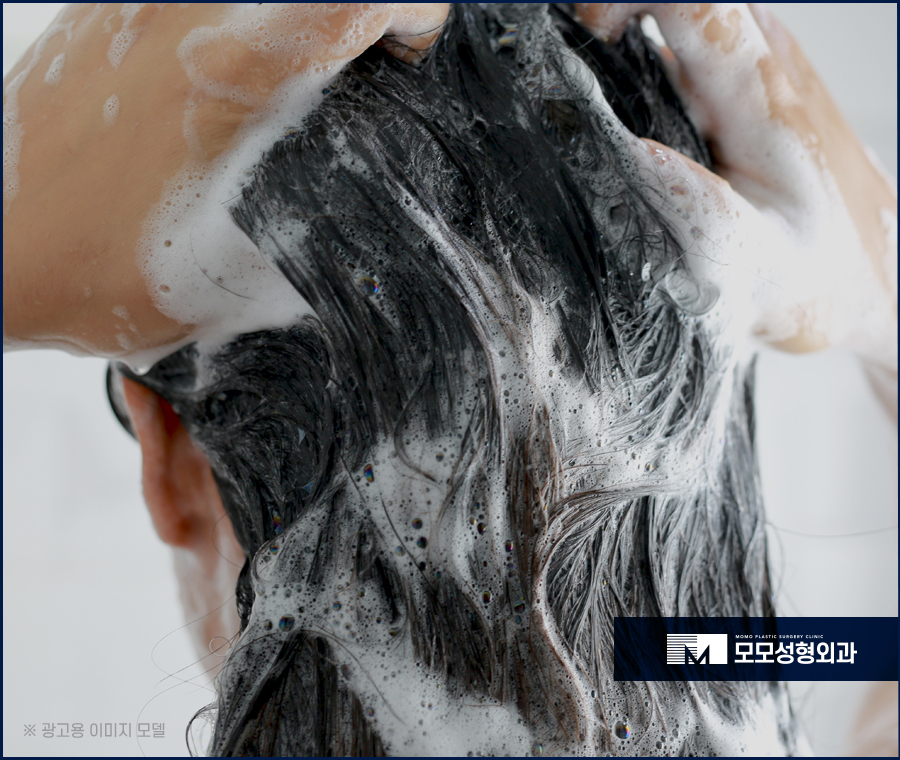
So you may be wondering what causes scalp pimples.
In fact, no clear reason has been definitively identified
yet, but many people say they are more likely to appear
in those with a high amount of skin oil. Therefore,
rather than trying to improve them with shampoo and the
like, it may be more appropriate to seek help from a
relevant medical institution and work on improving them.
While folliculitis can be a cause of scalp pimples,
if you normally maintain poor hygiene, various fine dust
particles and bacteria in the air can attach themselves,
block the pores, and lead to breakouts. Therefore, it is
best to wash your hair in the evening after returning
home, and bedding, too, should always be managed so that
it remains in a clean and comfortable condition.

In addition, a lack of moisture can act as a cause of
scalp pimples. When the body’s moisture level drops,
various changes occur, and the scalp is no exception,
as immunity inevitably weakens. As a result, oil is
secreted excessively, eventually causing inflammation.
Also, even if you have a sensitive skin type, using a
shampoo that contains many chemical ingredients can
trigger breakouts, and stress can also be a cause.

Since various factors can be causes of scalp pimples,
it is recommended that you check whether your daily
habits are properly formed. It is also good to maintain
a balanced diet so you can consume nutrients evenly and
drink plenty of water. In addition, enough sleep and rest
should be included so that the body’s immunity does not
decline. If the condition is already severe, or if it
does not improve even after taking steps to address it,
it may be a good idea to visit a relevant medical
institution and look into ways to improve it through
appropriate treatment.