
Before long, the cold winter has passed, and it seems that people are gradually becoming more active about going outside after hesitating because of the low temperatures.
Being active outdoors, enjoying the warm sunlight, and fully taking in the feeling of spring can bring great excitement to anyone.
In winter, people tend to focus entirely on staying warm to maintain body temperature, but as the weather gets milder, they become more absorbed in dressing themselves up more stylishly.
Spring is a season that brings excitement to everyone, but in reality, it is not always easy to welcome it with pure joy.
This is because of environmental influences that arrive along with the warmer weather.
In spring, things become especially severe, and because fine dust with particles of 10um or smaller, along with yellow dust, becomes rampant, it is true that spring is not always welcome.
Yellow dust blown in on the westerlies from northern China and the deserts of Mongolia makes the concentration even denser, which has various adverse effects on the body.
This is a period when people suffer from various respiratory diseases, and at the same time, the number of hair loss patients increases sharply.

In fact, even people who had no symptoms come to medical facilities to seek the causes of M-shaped hair loss after experiencing unusual symptoms as spring approaches.
In addition, people who already have the condition sometimes come in because their symptoms have become severe.
This can be seen as occurring because fine dust and yellow dust suspended in the air, along with various other harmful substances, come into contact with the scalp and continue to accumulate, disrupting the elimination of waste products and making nutrient supply difficult.
Since environmental factors also account for a certain proportion among the causes of M-shaped hair loss, especially careful attention is required in spring.

The causes of M-shaped hair loss include genetic factors and the effects of male hormones, but when harmful substances are added to these, they can worsen the condition and accelerate its progression.
It usually starts from the hairline above the forehead, and as the boundary gradually moves upward, it progresses through a retreating process.
As the situation becomes more serious, it can move closer to the crown area, eventually leading to the scalp being clearly visible.
The causes of M-shaped hair loss are often thought to result only from genetics or hormonal issues.
Accordingly, it is also said that natural improvement or healing is impossible.
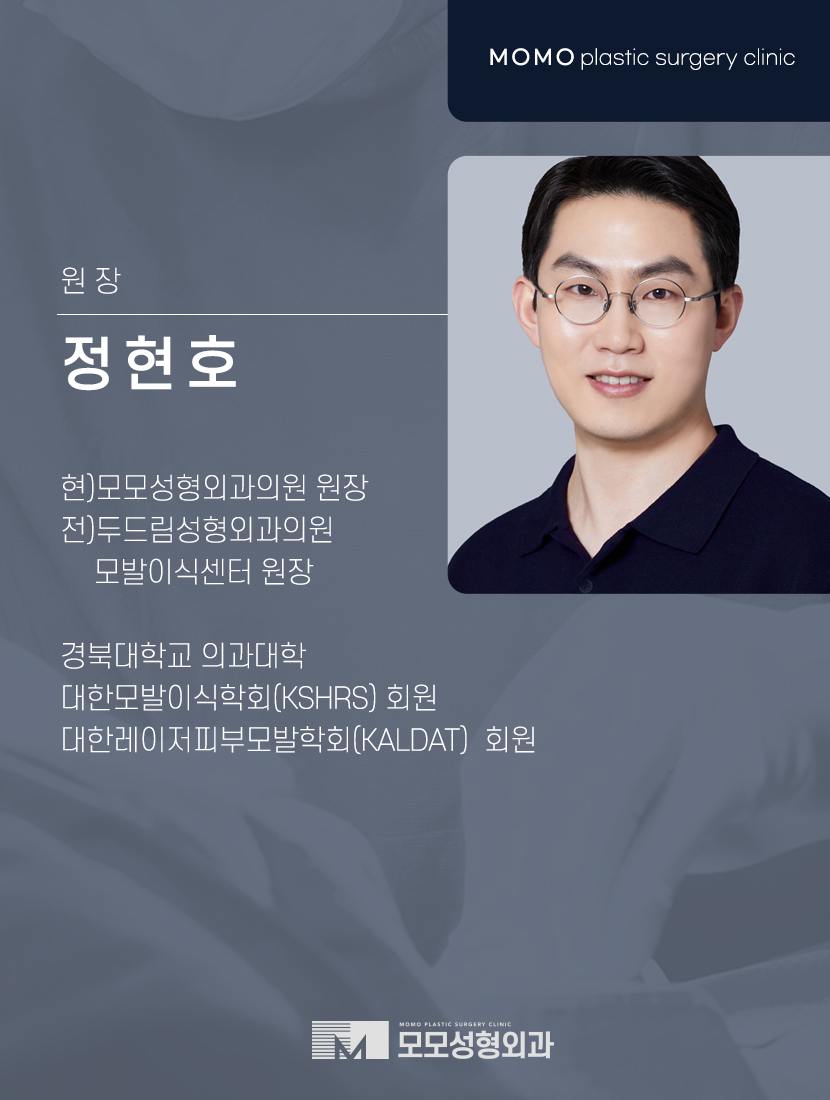
Dr. Jung Hyun-ho explains that testosterone is affected by the 5-alpha reductase enzyme and changes into dihydrotestosterone, and that this DHT promotes genes that shrink hair follicles, making hair strands thinner and becoming a major factor in hair loss.
At present, there is no way to restore it to its original state.

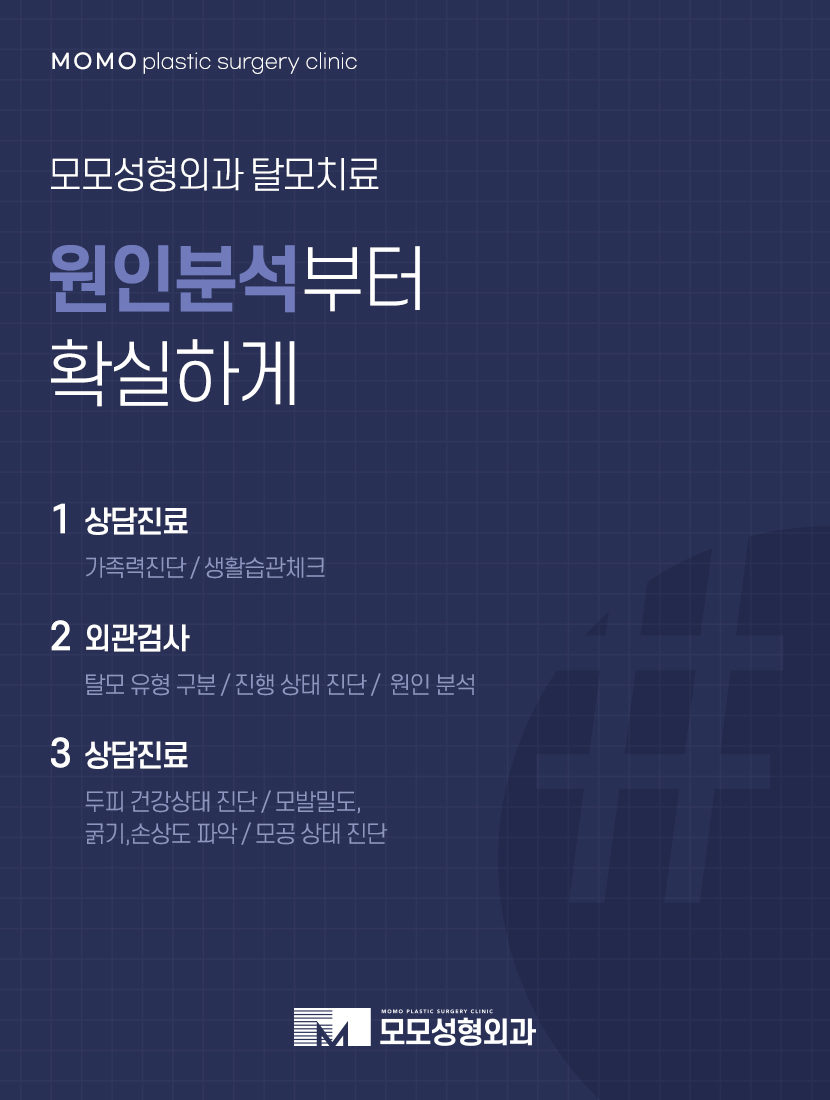
Therefore, if the hairline has already begun to recede or appears to be thinning, it is essential to examine the causes of M-shaped hair loss and visit a relevant medical facility promptly for diagnosis.
If you do not respond proactively or simply manage it with supplements and medication, it may ultimately fail to improve and instead progress to a more serious stage.
Accordingly, at a later stage, transplantation may be the only solution.

Only by properly identifying the causes of M-shaped hair loss and carrying out restoration based on the diagnosis can the problem be improved.
Dr. Jung Hyun-ho also says that the earlier you respond, the easier it is to expect recovery, so prompt action is important.
If natural hair loss has already progressed to some degree, it may be wise to take action through transplantation.
This is a procedure that takes healthy follicles from the back of the head and moves them to the empty areas, allowing you to expect a return to a fuller appearance.
By replanting natural hair into areas where a significant amount of hair has already been lost and filling them densely, restoration can be encouraged.
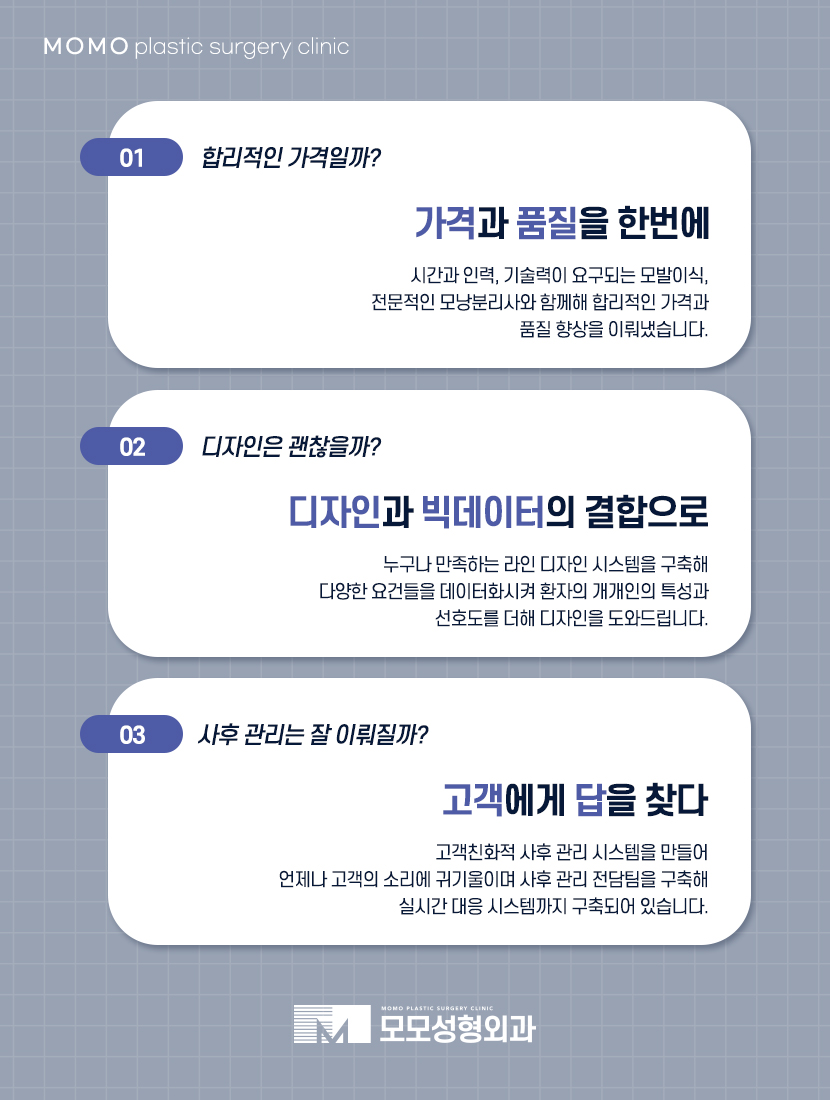
However, because this requires a very high level of skill, Dr. Jung Hyun-ho also recommends receiving the procedure from the physician who can perform advanced techniques.
If handled carelessly, satisfaction may drop significantly, so it is necessary to identify the exact reason and thoroughly establish a treatment plan accordingly.
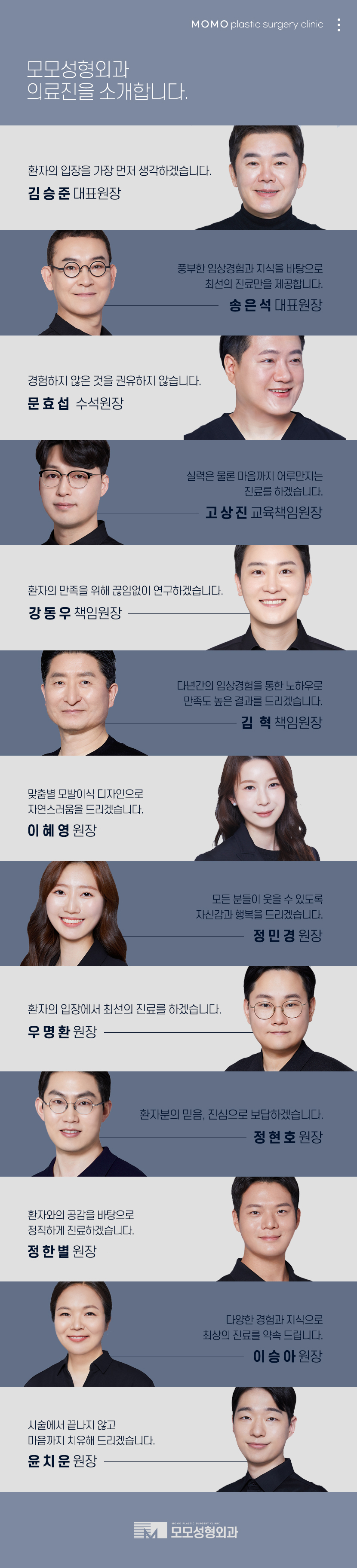
Dr. Jung Hyun-ho also recognizes the importance of this and carries out the procedure with great care.

Dr. Jung Hyun-ho said that this is a demanding procedure because it requires consideration of several factors, including the stage of symptoms according to each individual, the amount of follicles needed, density between hairs, personal line design, and graft survival rate.
He also said that to achieve an excellent level of satisfaction, you should comprehensively check these factors and then find a medical team that can deliver strong results accordingly.
He emphasized that rather than transplanting unconditionally, it is important to consider multiple requirements.
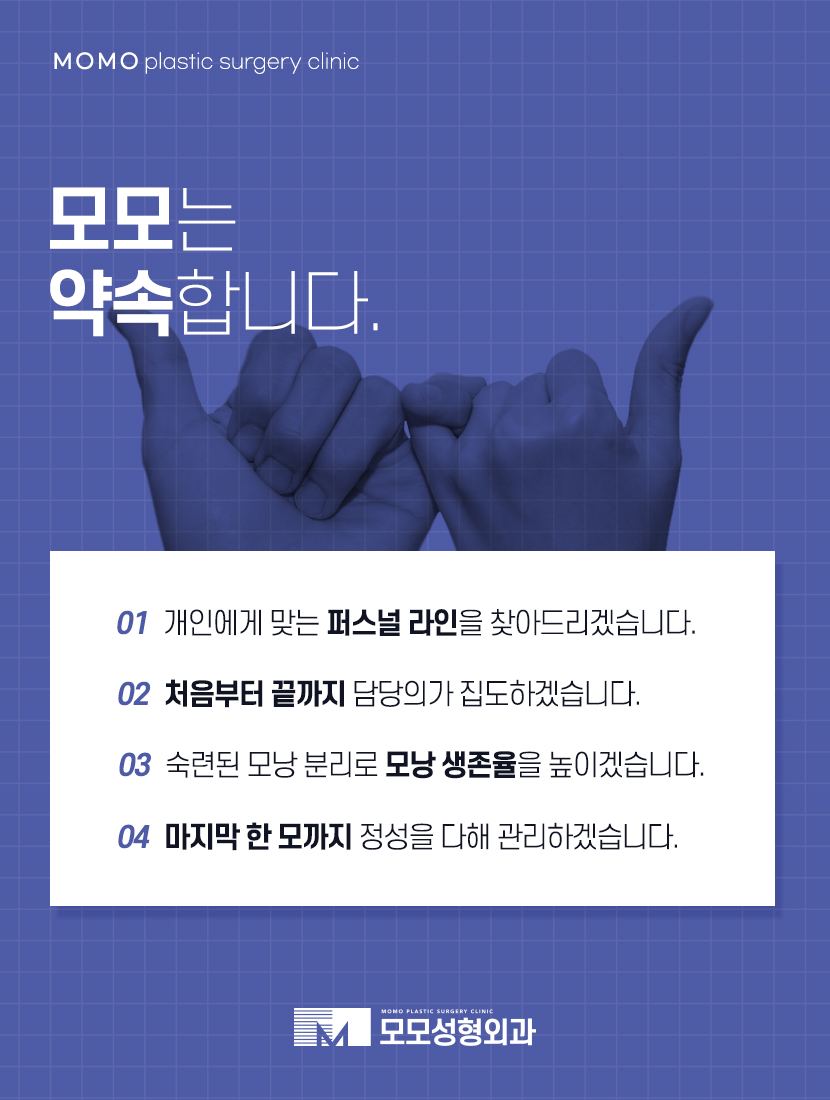
Since satisfaction can be high only when treatment is carried out in line with the current condition and requirements, this may be why Dr. Jung Hyun-ho suggested such an opinion.
I think the reason anyone hopes for a fuller hairstyle is because it has such a significant impact on appearance.
Therefore, for the prognosis to progress successfully, it is important to identify the causes of M-shaped hair loss and ensure that the procedure is carried out using the appropriate solution based on the diagnosis.