
Recently, the number of hair loss patients has been rapidly increasing due to environmental influences and stress, rather than genetic causes.
In the past, many cases were caused by congenital factors, but now it can develop due to various factors, and it is a common condition that affects many people around the world regardless of gender, while also causing significant concern.
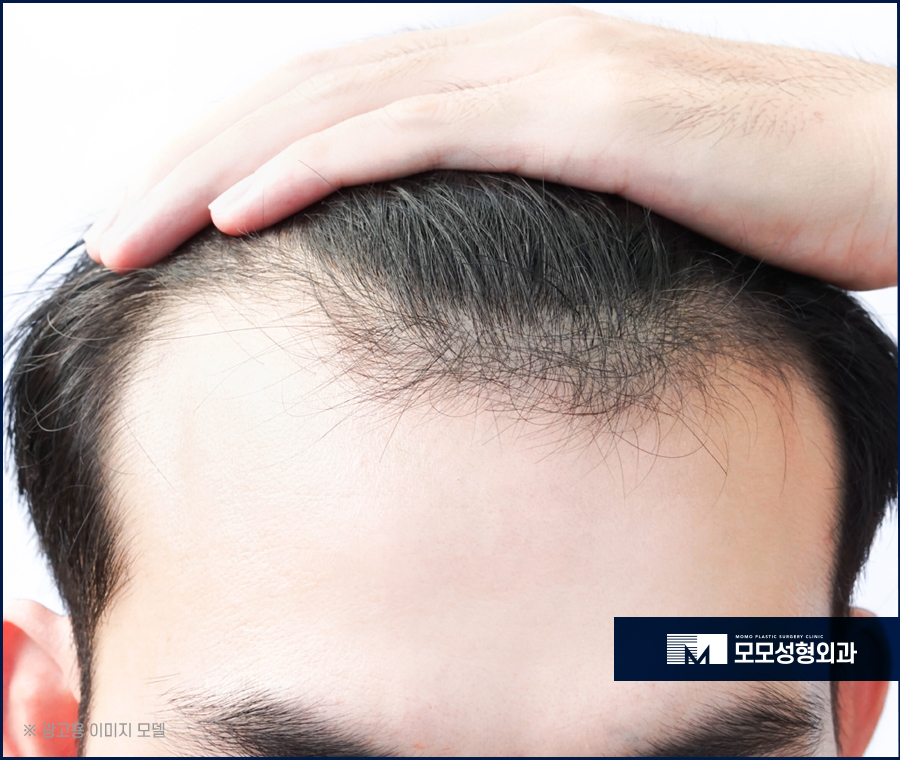
Gradually, the thickness of the hair becomes finer, and hair no longer grows, causing the scalp to become visible.
Some may think this is a natural part of the aging process, but male pattern baldness has a considerable impact on self-esteem and appearance, so many people want to look into ways to restore the hairline and improve it.
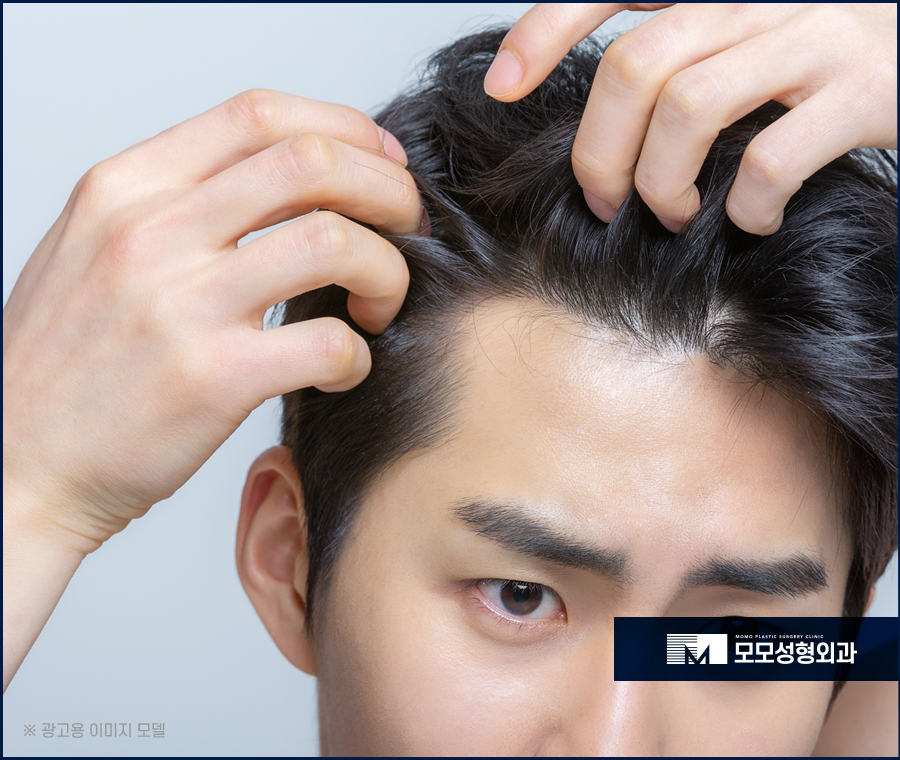
The reasons for hair loss are largely influenced by genetics, and there are also environmental pollution and psychological causes, as well as a deep connection to the dihydrotestosterone (DHT) hormone. DHT is a derivative of testosterone and, over time, acts as a factor that causes hair follicles to shrink. As a result, the hair gradually becomes thinner and shorter, leading to hair loss.

Rather than happening all at once, it appears in several stages. Although it can vary somewhat, in the early stages the hairline begins to recede at the temples, and the area around the forehead becomes deeply indented on both sides, forming an M-shaped pattern.
As the forehead line recedes and extends toward the crown, it eventually leads to the upper part of the head becoming visibly exposed.
Therefore, people consider approaches such as using hairline restoration methods or drug therapy.
In early cases, medication can also be used to respond, but if the condition has already progressed significantly and is difficult to improve, hair transplantation can be considered.
The most popular option is said to be taking medication, but while it can help stimulate growth, if the condition is already severe, the effect may be limited, making it difficult to expect dramatic changes. For this reason, many people seem to choose hair transplantation as a way to restore the hairline.
This means harvesting healthy hair from the back of the head, which is relatively less affected by hair loss, and transplanting it to the empty area. Since the hair is moved and implanted, this method often produces a clearer before-and-after change compared with medication.

In the past, incision-based methods were often used for the procedure, but with advances in medical technology, it is now possible to proceed without excision and without shaving the head. Because people who live busy daily lives can also expect a quick return to their routines, this method is even more preferred.
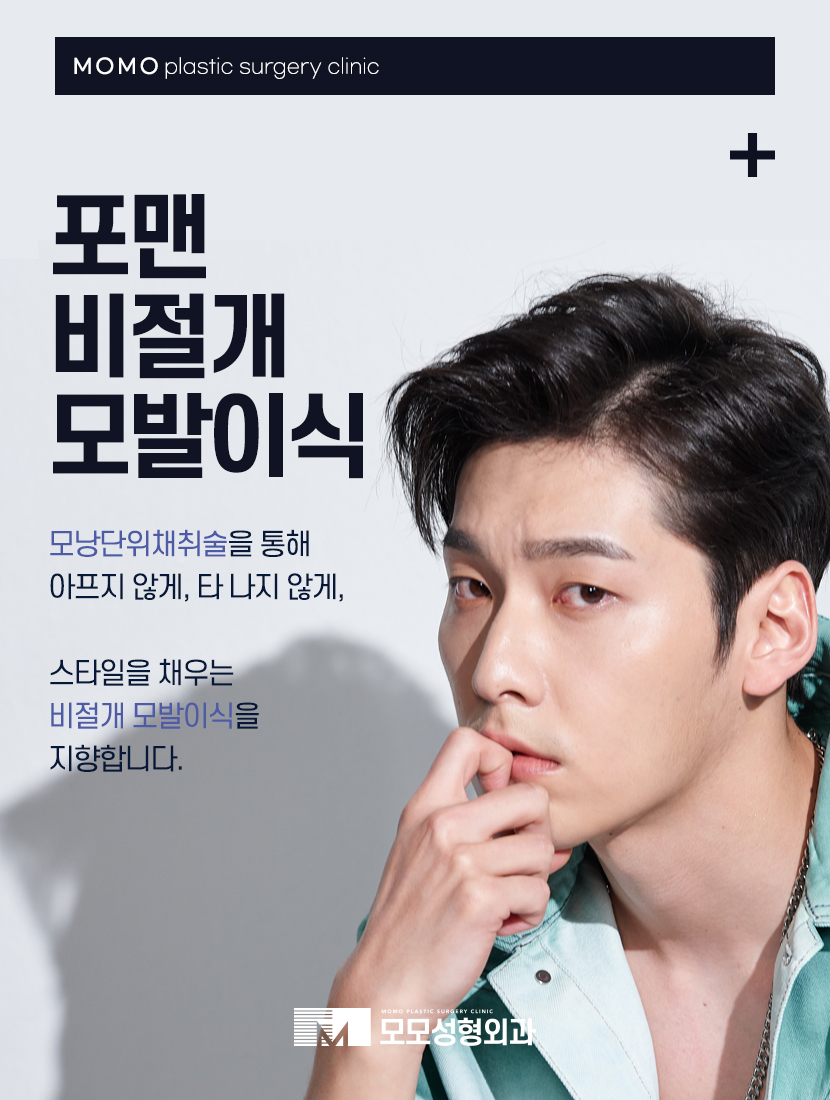
Because follicles are individually selected and transplanted without excision or shaving, the procedure is not very noticeable from the outside. Pain is also not severe, and concerns about scarring are relatively low.
Perhaps because of these many advantages, the non-incision method is the one preferred by people who want to restore their hairline.

Those considering hairline restoration may have an uneven forehead line or an empty area due to M-shaped hair loss. Although the procedure of moving and transplanting hair may seem simple, it is by no means a simple procedure, because it requires careful consideration of each individual's face shape and features, as well as precise attention to hair density, direction, range, and the flow of the existing natural hair.
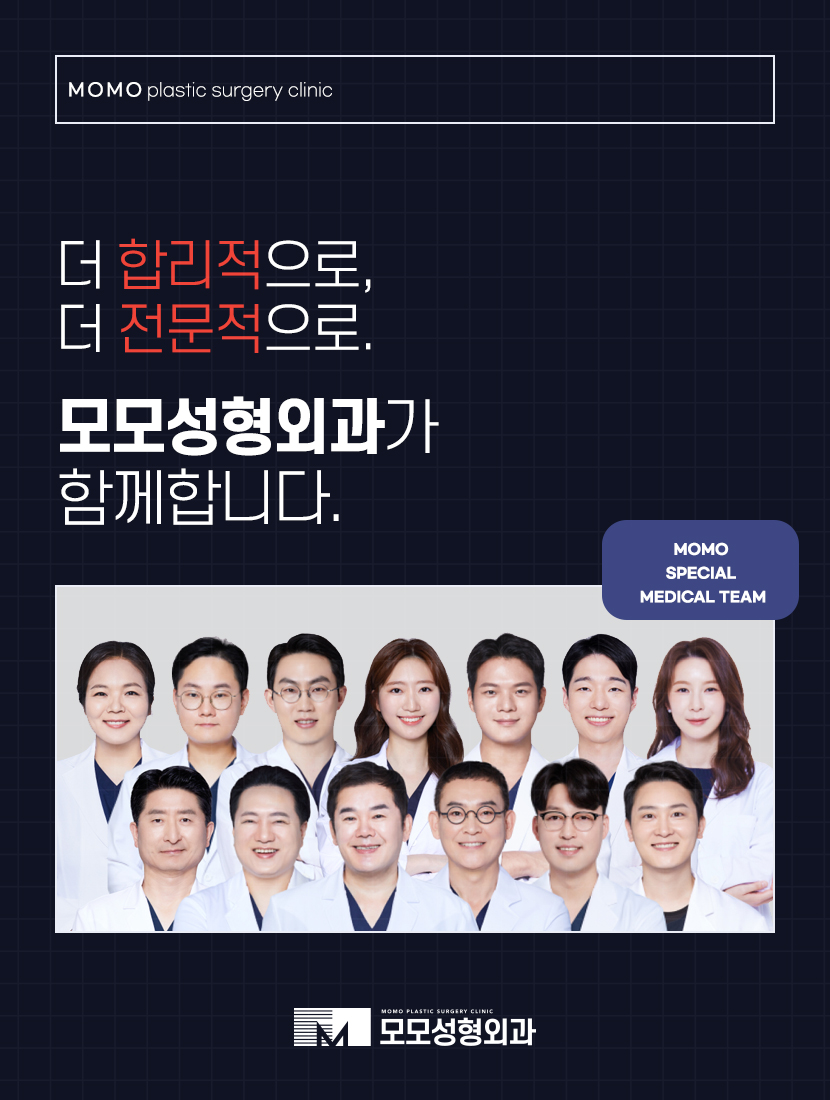
Therefore, careful analysis must be carried out in advance, and based on the diagnostic results, a design that can increase graft survival rates should be established.
Only when these elements come together can satisfaction be improved, and a natural and full hairstyle be achieved.
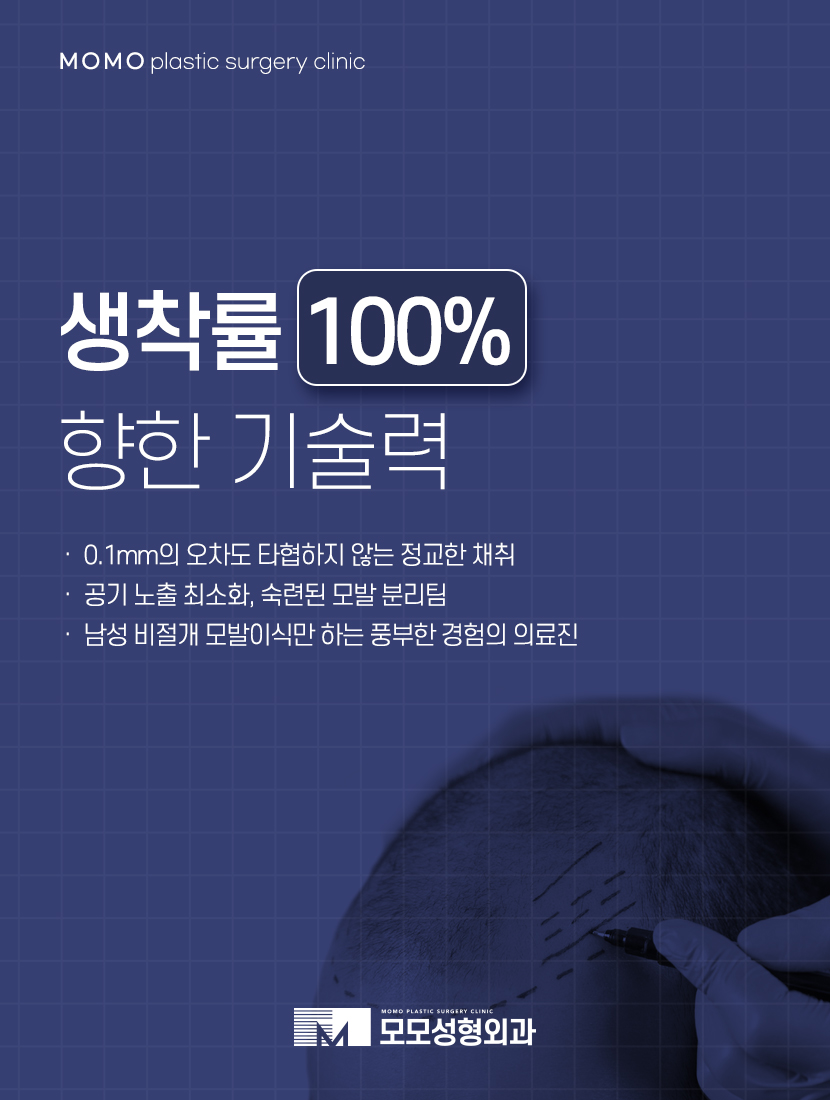
If you are considering hairline restoration, you must absolutely look at the medical team’s expertise and aesthetic sense, and also check whether they have enough clinical experience to improve the final level of satisfaction.
Rather than simply performing the procedure, aesthetics must also be thoroughly considered, and because there are many aspects that need to be checked from multiple angles, you must carefully choose the relevant institution. This can determine success or failure not only in graft survival rate but also in the appearance of the postoperative result.
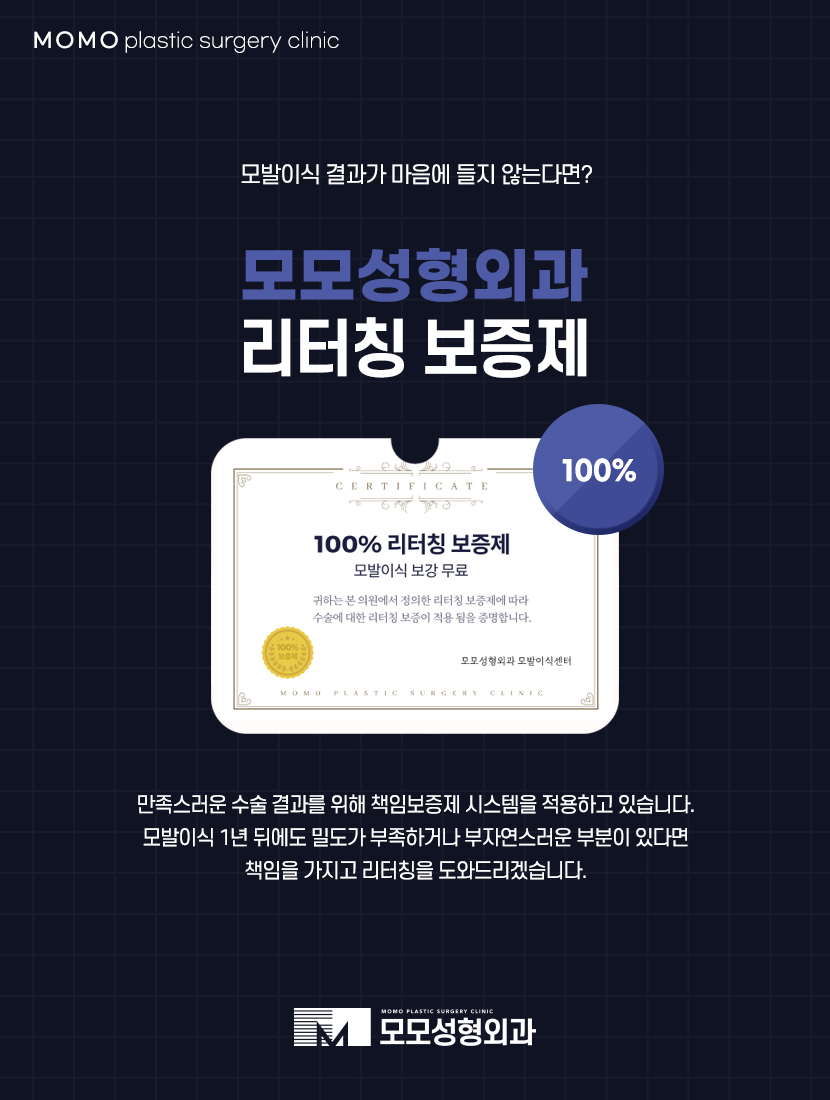
Therefore, when looking into a related institution in advance, it is important to carefully identify whether it can suggest the optimal treatment process, whether various management solutions and systems are properly in place, and whether post-procedure care is handled meticulously.
Aftercare has a major impact on both satisfaction with hairline restoration and how well grafts take, so you must make sure to understand and follow the instructions given by the doctor, and it is important not to overlook maintaining a regular lifestyle and getting enough sleep.