As time passes, the number of people who feel stressed while watching their natural hair gradually thin out
continues to increase.
Many patients do worry,
but there are surprisingly not many who start managing it from the beginning.
Unless you are carefully checking,
it is often recognized only after the symptoms have spread to some extent.
Although people try to manage it with products or various methods that are said to help suppress the symptoms,
if you do not feel any particular effectiveness,
seeking the desired result through Apgujeong Hair Loss Clinic
can also be one alternative.
There are many products on the market that claim to restore damaged natural hair and deliver good results,
but if you simply use unverified ones,
the situation may worsen even further.
Therefore, it is better to visit a clinic that has extensive research on the condition along with rich treatment experience.
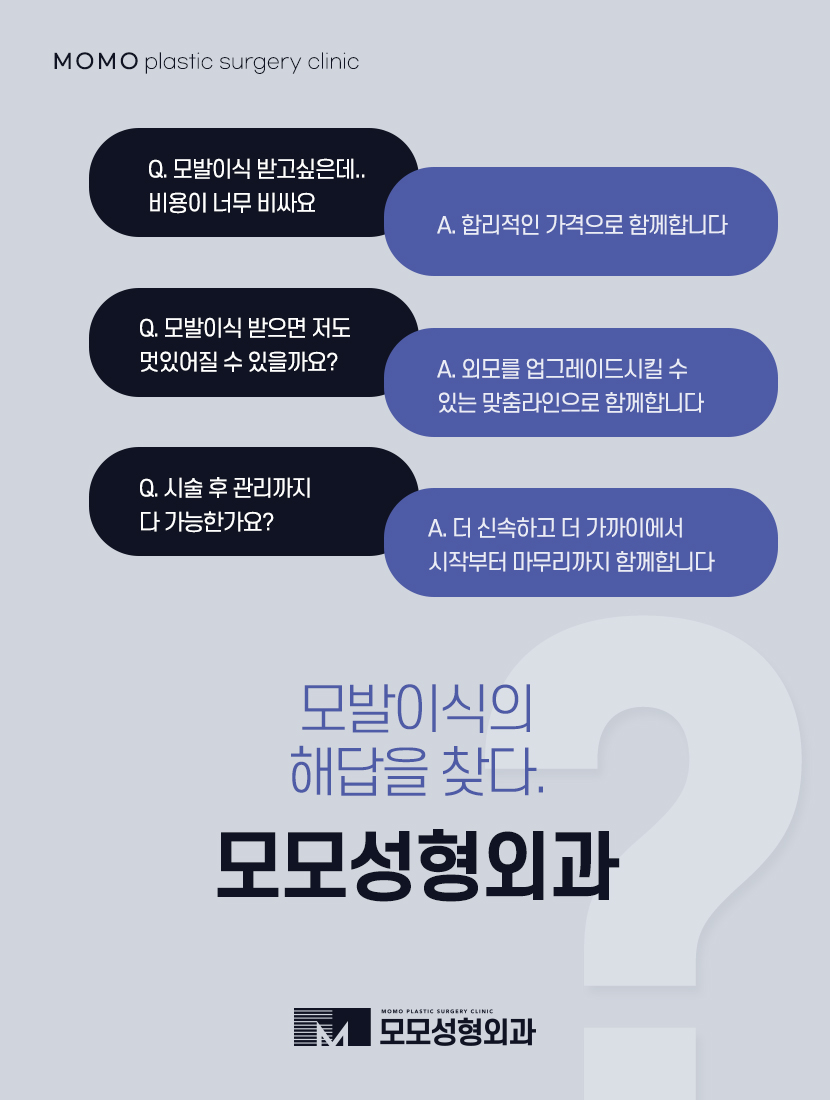
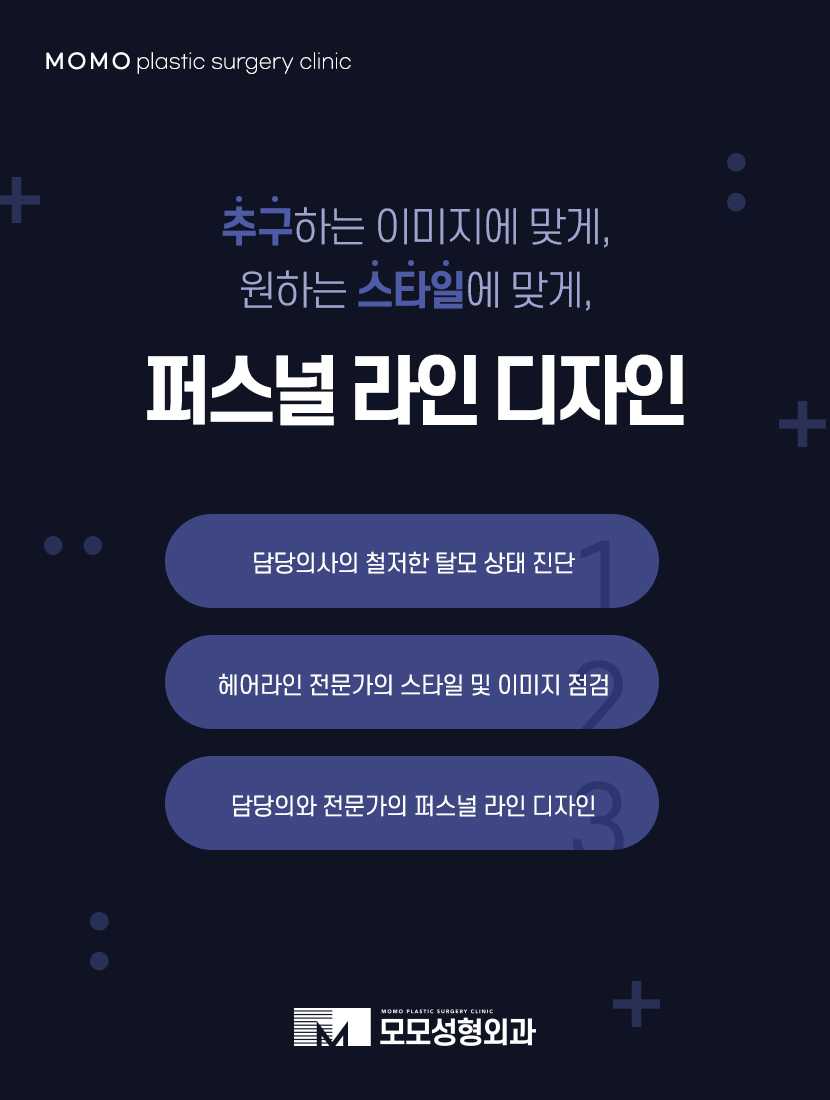
Before proceeding with a procedure, it may be helpful to look into whether the clinic designs a natural personalized hairline based on the patient's symptom type, cause of onset, style, and facial shape,
and helps them expect the desired result.
When considering Apgujeong Hair Loss Clinic,
it may be good to look into these points as well.
The causes of symptoms can vary widely,
from congenital causes due to genetics,
to sudden hormonal changes,
usual dietary problems,
nutritional imbalance caused by extreme dieting,
and side effects from medication.
Because some symptoms can also appear only temporarily,
if proper management and care are consistently provided,
it may be possible to recover to the previous appearance.
Rather than managing it on your own,
it can be helpful to consult the doctor in charge at a related medical institution and proceed based on a detailed examination.
Hair goes through the growth phase, regression phase, and resting phase,
repeating the cycle of growing and falling out.
When hair falls out, it can mean that it will not grow back permanently.
If natural hair loss has occurred and no noticeable effect is felt or seen despite much effort,
rather than spending more time,
it may be necessary to consider options such as transplantation through Apgujeong Hair Loss Clinic.
In general, there are two methods used when performing transplantation.
They differ depending on the process used when extracting follicles from the scalp,
and can be divided by whether the scalp is incised or not.
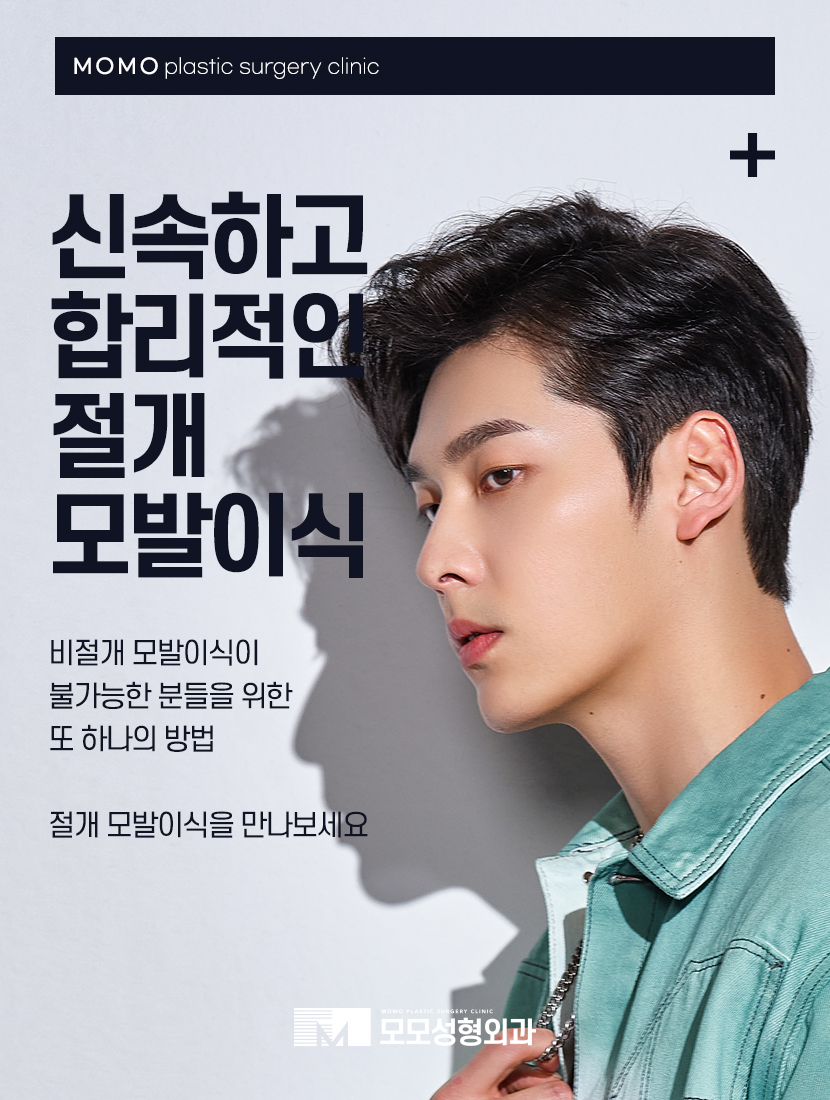
First, the method obtained through incision is a treatment option performed in situations where stable large-volume transplantation is required,
and it is applied when the amount of hair in the back of the head is insufficient or when the condition is spreading faster than expected.
Because of concerns about pain and the possibility of scars,
many patients feel hesitant,
but it also has advantages such as minimizing tissue damage, a short operation time, and relatively low cost,
so many people still choose to undergo it.
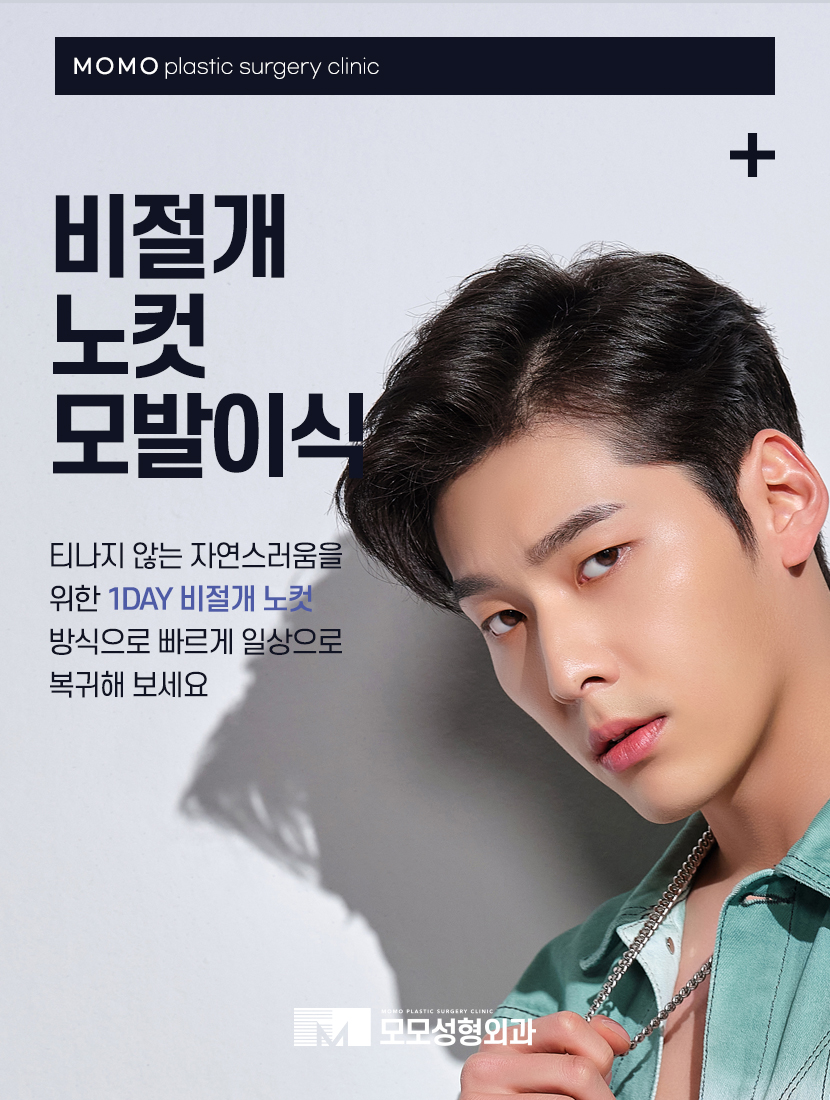
The non-incision method involves extracting follicles one by one and implanting them into the needed areas.
Because many cases involve cutting the hair for treatment,
there are not a few people who worry that it might show to others.
Using an Apgujeong Hair Loss Clinic that can help make it less noticeable through cutting so that it looks natural can also be a good option.
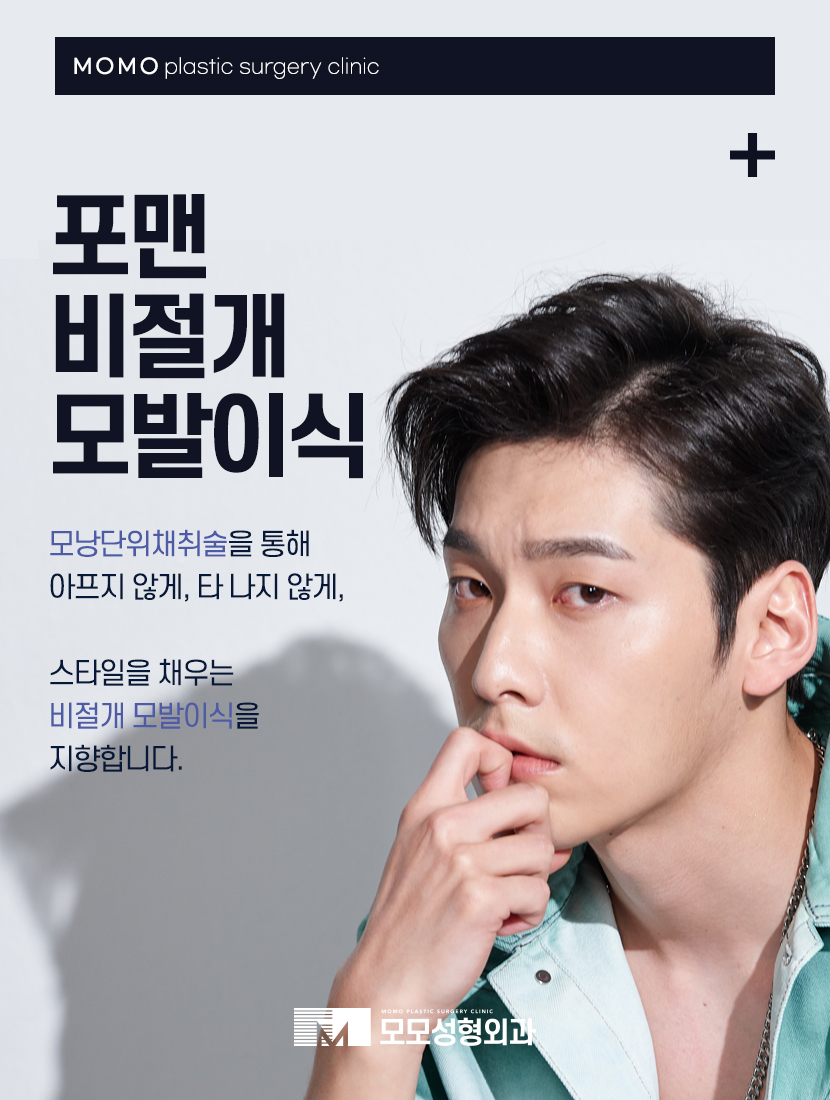
There are two-block, line, micro, and no-cut methods,
and it may be better to work with a clinic that considers the patient's face shape, forehead proportion, and even the shape of the sideburns to create the most appropriate design and help achieve a natural appearance.
If you are considering Apgujeong Hair Loss Clinic,
I think many people will compare the survival rate.
The survival rate, which can be said to be the most important factor in determining the outcome,
refers to the proportion of hair that grows normally in the implanted area.
To determine this factor,
the doctor's extensive experience and excellent skill,
along with various equipment and programs to minimize tissue damage,
and post-procedure care,
must all come together for a good prognosis to be expected.
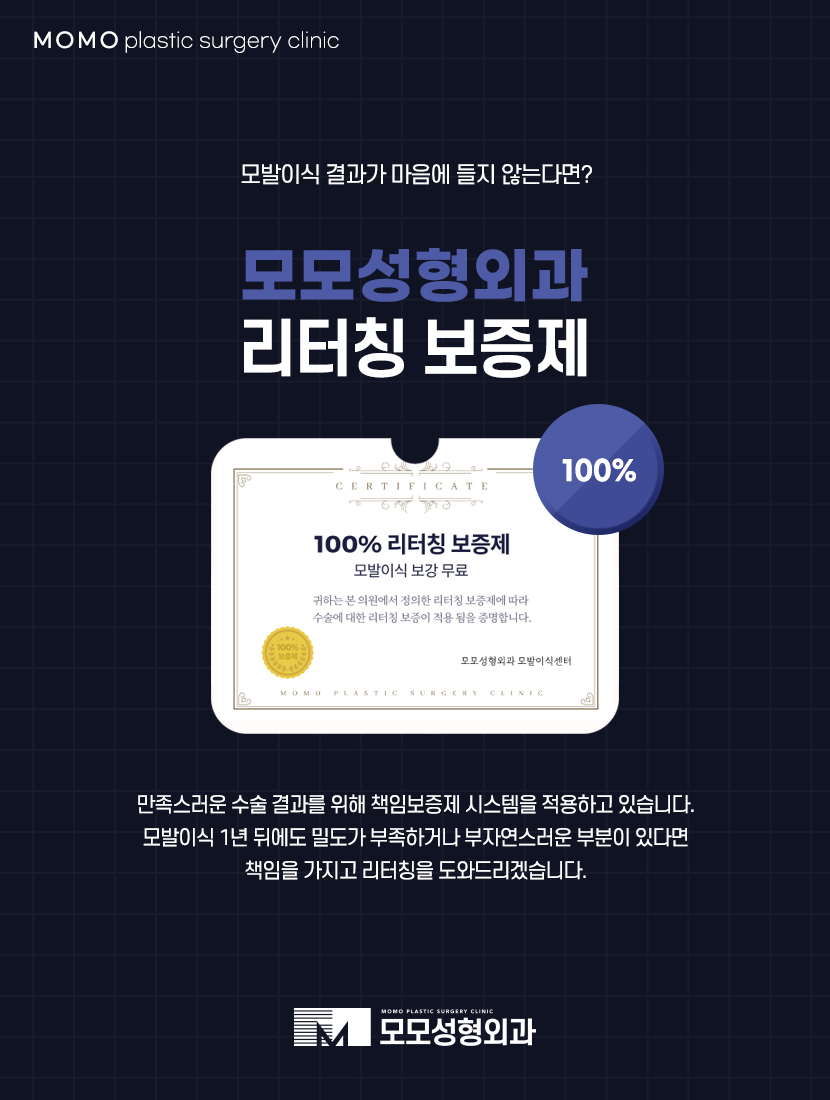
So it does not end with the transplantation alone;
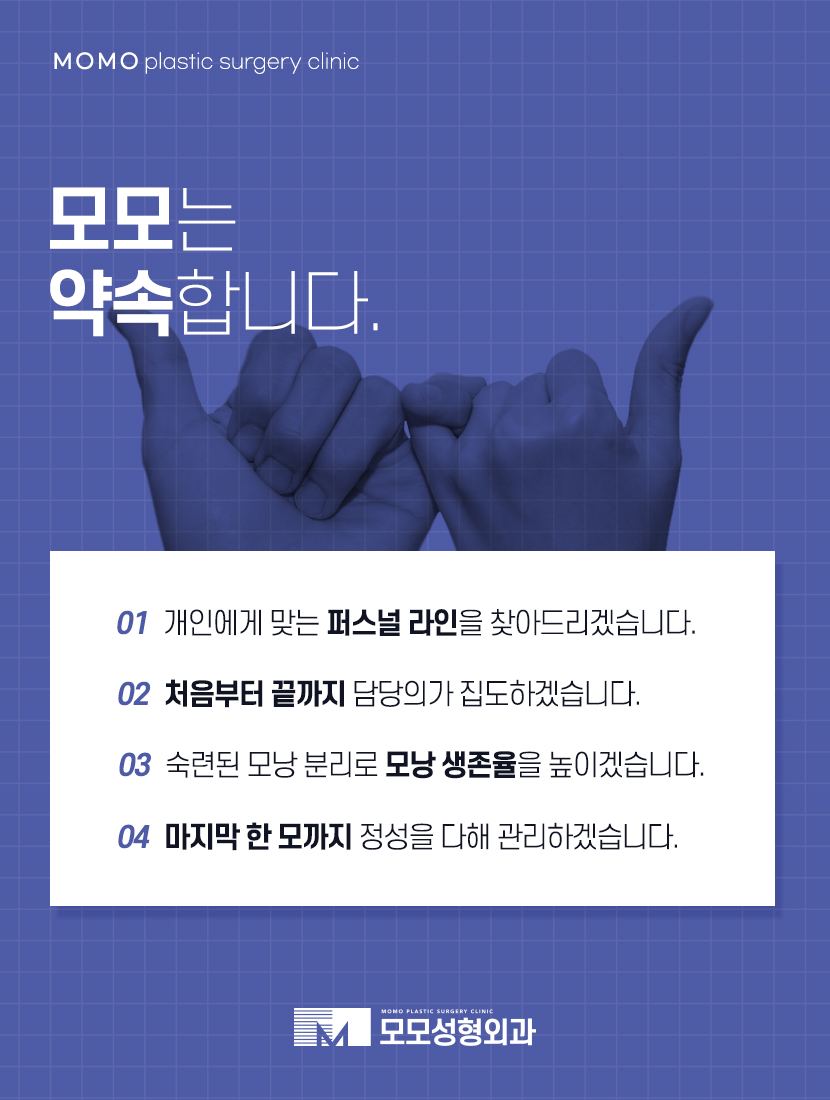
ongoing care must be provided through follow-up management.
By removing waste, follicular mites, and dead skin cells from the scalp,
it helps prevent or relieve inflammation,
and continuous checking of the transplanted area,
including whether there are any other problems,
must be carried out as one-on-one dedicated care
for thick and beautiful hair to be regained.
A method to completely cure the condition has not yet been identified,
but if appropriate measures are taken early without missing the timing,
it is possible to return to the previous image.
Losing 50 to 100 hairs a day is a natural phenomenon,
but if more natural hair loss than that is occurring,
we recommend visiting Apgujeong Hair Loss Clinic for a detailed examination.